#tankers-seized
#tankers-seized
[ follow ]
#strait-of-hormuz #iran #trump #oil-prices #maritime-security #global-economy #us-military #middle-east-conflict



#trump
World news
fromLondon Business News | Londonlovesbusiness.com
6 days agoTrump threatens 'blow up' Iran's Kharg Island oil facilities over Strait of Hormuz blockade - London Business News | Londonlovesbusiness.com
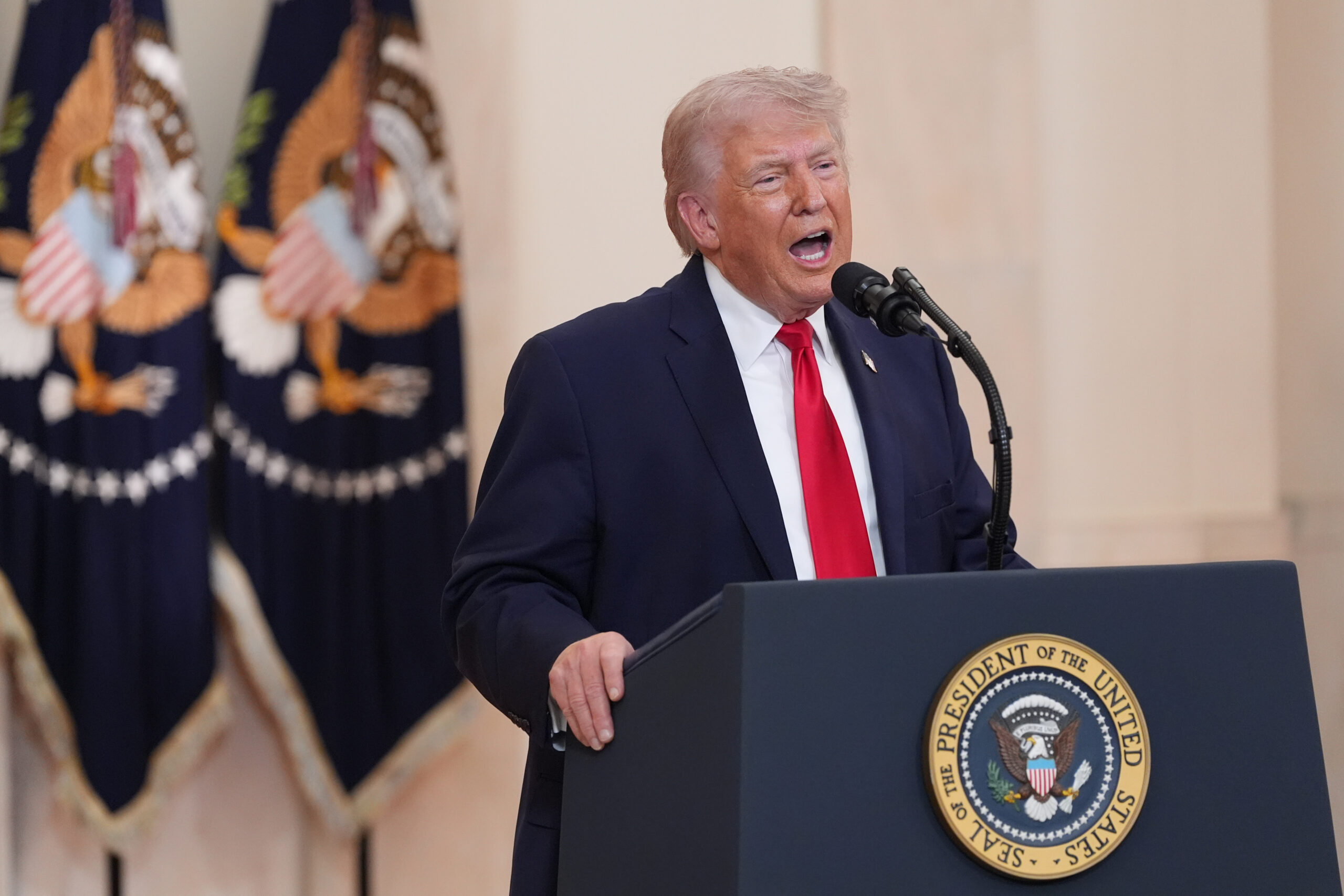
Trump threatens to destroy Iran's oil infrastructure if the Strait of Hormuz is not opened immediately.
World news
fromIrish Independent
6 days agoTrump vows to 'obliterate' all of Iran's oil wells and energy plants unless Strait of Hormuz is 'immediately' opened; UN peacekeeper killed in Lebanon
Trump threatens to obliterate Iran's energy infrastructure if the Strait of Hormuz is not opened and a deal is not reached.




fromWIRED
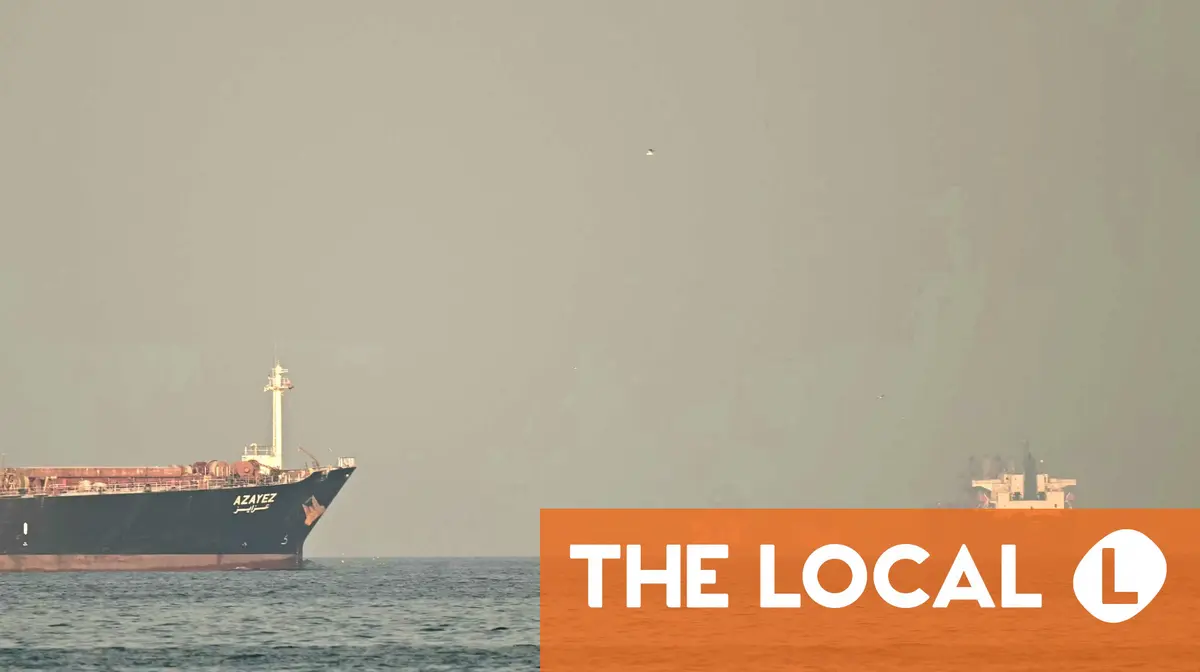
5 days agoThe Broken System That Keeps Shipping Crews Stranded in the Strait of Hormuz
When the war broke out, we put a Warlike Operations Area Committee in place to address the protection of seafarers in the region. The organization has identified certain maritime routes in the region, including the Arabian Gulf, the Strait of Hormuz, and some parts of the Gulf of Oman as high-risk areas, encouraging ship owners to allow seafarers to terminate contracts if they choose not to operate in those zones.
World politics
#us-military
World news
fromIrish Independent
9 hours ago'Tuesday will be power plant day and bridge day' - Donald Trump says US will target Iran's infrastructure this week
A US service member missing after an Iranian attack has been rescued, according to Donald Trump, who confirmed the individual is injured but recovering.
World news
fromIrish Independent
1 day agoTrump gives Tehran 48 hours to open Hormuz Strait or 'all hell' will rain down as Iran urges public to search for downed US F-15 pilot
The US military conducted a rescue operation after an aircraft went down in Iran, marking a significant escalation in the conflict.
World politics
fromLondon Business News | Londonlovesbusiness.com
1 week agoGlobal supply chains on edge as Strait of Hormuz tensions mount - London Business News | Londonlovesbusiness.com
Businesses must prepare for potential disruptions in the Strait of Hormuz, which threatens global oil and gas supply.
World politics
fromFortune
2 weeks agoThe Strait of Hormuz is the fourth large supply shock this decade. Welcome to the new era of global disorder | Fortune
Multiple supply shocks in recent years suggest a need to rethink economic models and the Federal Reserve's approach to inflation and supply chain disruptions.
fromwww.dw.com
5 days agoAfter the Iran war, how fast could global trade recover?
The longer this conflict goes on, the more devastating its impact will be on the world's energy supplies, inflation and economic stability. Every extra week of disruption raises costs for consumers and businesses while growth slows.
World news
fromLondon Business News | Londonlovesbusiness.com
1 week agoUAE ready to join maritime multinational force to reopen Strait of Hormuz
The UAE is advocating for a broad international coalition and is working with Bahrain on a proposed United Nations Security Council resolution to provide legal backing for the force.
World news
fromLondon Business News | Londonlovesbusiness.com
2 weeks agoStrait of Hormuz escalation exposes growing risks to commercial shipping - London Business News | Londonlovesbusiness.com
The recent incidents in the Strait of Hormuz show how quickly maritime risk can escalate from geopolitical tension to operational disruption. For shipping operators, the challenge is not only the threat environment itself, but also maintaining reliable situational awareness as navigation signals degrade and vessel activity becomes harder to interpret.
World news
World news
fromwww.theguardian.com
3 weeks agoUS intelligence sees direct attacks by Iran on oil tankers as greater risk than mines
Direct Iranian attacks using drones or ballistic missiles pose the greatest threat to oil tankers in the Strait of Hormuz, potentially causing significant disruption to global oil trade despite US military interventions.
World news
fromBusiness Insider
1 month agoFighting with Iran has spread to tankers at sea. Ships are coming under fire around the busy Strait of Hormuz.
Multiple vessels near the Strait of Hormuz have been attacked, with at least one tanker evacuated and shipping companies avoiding the route due to escalating US-Israel-Iran conflict.
[ Load more ]