Europe politics
fromwww.dw.com
1 week agoWho wins what in the EU's new trade deal with Australia?
The EU-Australia free trade deal has been finalized after nearly a decade of negotiations, driven by changing global trade dynamics.
Under the deal, Taiwan will eliminate or reduce 99 percent of tariff barriers and provide preferential market access to numerous US goods, including auto parts, chemicals, machinery, health products, dairy products and pork, the office of the US trade envoy said in a statement. The US will, in turn, exempt a large range of Taiwanese goods from tariffs, including chalk, castor oil, pineapples and ginseng.
As a result of a new deal agreed during Sir Keir Starmer's trip to China, import taxes on whisky will be cut from 10% to 5% - a deal the UK government said would be worth 250m to the UK's economy over the next five years. Scotch whisky is a key export for Britain's drinks sector, with more than 5bn in annual exports. In recent years, China has been one of its fastest-growing markets.
US President Donald Trump announced a 32 percent reciprocal tariff on Taiwanese exports in April, before lowering the rate to 20 percent in August pending further negotiations. Countries have made pledges to boost investments in the US in exchange for tariff relief since Trump launched his trade war last year. Japan and South Korea last year agreed to invest $550bn and $350bn, respectively, to see their tariff rates cut from 25 to 15 percent.
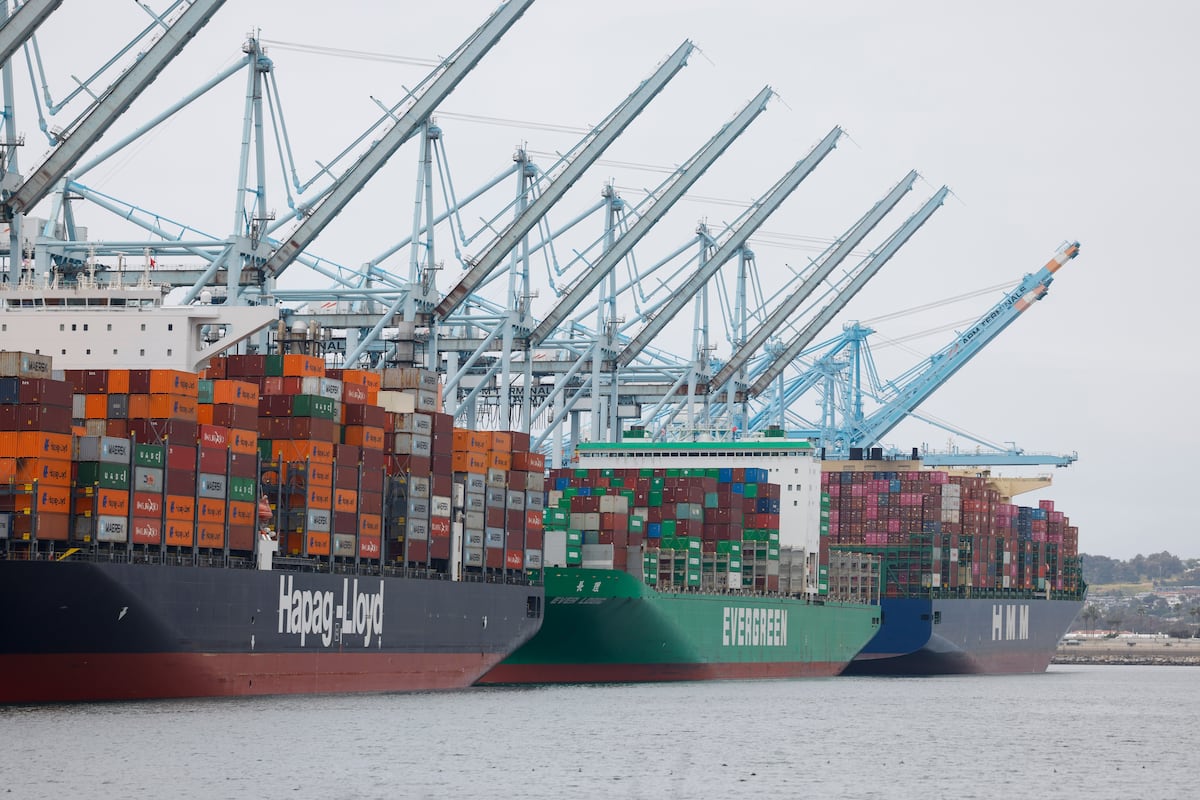
The European Commission, which concluded negotiations a year ago, and countries such as Germany and Spain argue it is a vital part of an EU push to unlock new markets to offset business lost from U.S. tariffs and to reduce reliance on China by securing access to critical minerals. Opponents led by France, the European Union's largest agricultural producer, say the agreement will jack up imports of cheap food products, including beef, poultry and sugar, undercutting domestic farmers.
The United States will slash its tariffs on goods from Switzerland to 15 percent from a crippling 39 percent under a new framework trade agreement that includes a pledge by Swiss companies to invest $200bn into the US by the end of 2028, the Swiss government has said. The announcement by Swiss Economy Minister Guy Parmelin on Friday brings the US tariff rate on Swiss goods in line with those from the European Union (EU). Parmelin told a news conference that the tariff reduction would provide relief for about 40 percent of Switzerland's total exports.