#tax-audits
#tax-audits
[ follow ]
#tax-refunds #irs #tax-deductions #tax-filing #tax-law-changes #irs-staffing #tax-compliance #tax-fraud #401k








from24/7 Wall St.
2 days agoThe 401(k) Move Executives Make Every December to Shield Their Bonus From Taxes
Most employer 401(k) plans allow mid-year changes to the deferral election percentage. Before the bonus pay period, raise the deferral rate high enough to funnel as much of the bonus as possible into the 401(k), up to the annual limit.
Retirement
fromFortune
1 week agoAmericans spend $146 billion and 11.6 billion hours doing their taxes, and most of it is just filling out paperwork | Fortune
These figures reflect what we see every day. Compliance isn't difficult because people are careless—it's difficult because it's fragmented, deadline-driven, and overwhelmingly manual.
Deliverability
#tax-refunds
Retirement
fromIrish Independent
3 weeks agoRevenue urges taxpayers to claim back money they are owed via MyAccount
Revenue has paid €637m in tax refunds to over 661,000 taxpayers this year, with average refunds of €964, but significantly more money remains available to PAYE workers through unclaimed tax reliefs.

Retirement
fromIrish Independent
3 weeks agoRevenue urges taxpayers to claim back money they are owed via MyAccount
Revenue has paid €637m in tax refunds to over 661,000 taxpayers this year, with average refunds of €964, but significantly more money remains available to PAYE workers through unclaimed tax reliefs.
UK politics
fromBusiness Matters
2 weeks agoHMRC interest 'double standards' branded unfair as taxpayers face higher charges than rebates
HMRC charges taxpayers 7.75% interest on late payments but pays only 2.75% on refunds, creating a structurally unfair system with no equivalent penalties for HMRC delays.


Cannabis
from24/7 Wall St.
3 weeks agoThe One IRS Rule Keeping Cannabis Stocks Down Despite Record Cash Flow
Retail investors are betting on cannabis ETF MSOS through options ahead of potential federal rescheduling, with Section 280E tax relief being the critical catalyst for multi-state cannabis operators.
fromwww.npr.org
3 weeks agoHelpful or harmful? How to vet tax advice from social media
The person that does get audited does not just get slapped on the hand. You could end up paying penalties and interest in addition to what you owe. In extreme cases, you could also be prosecuted. This tax season, take the time to vet any tax advice you're considering.
Law
Law
fromFast Company
3 weeks agoThe IRS may owe you money from the pandemic years - but you have to claim it
A federal court ruling may entitle taxpayers to refunds for penalties or interest incorrectly charged by the IRS between January 20, 2020 and July 11, 2023 during the Covid pandemic emergency period.
fromEntrepreneur
1 month agoHe Ruined His Career for $46,000 - Then Became an FBI Informant for the Biggest Insider Trading Sting in History
His boss shut the door and said they now needed "shorter-term opportunities to make money every month or we may not survive," which Tom now sees as the moment the scoreboard reset from three years to 30 days. "It was a very ambiguous message," he says, adding that he never asked, "Are we talking about what everybody else is doing or are we going to stay within the legal or ethical guardrail?"
Growth hacking
from24/7 Wall St.
1 month agoStacked Up Some Massive Capital Gains? 3 Ways to Take Some Chips Off The Table Tax-Efficiently
The key to selling underperforming holdings at a loss and using those losses to cancel out capital gains on a dollar-for-dollar basis is to bring one's capital gains level down as close as possible to zero. Additionally, it's possible to use $3,000 of capital losses per year to offset other ordinary income, so there's the potential here with such a strategy to actually lower one's overall tax burden by selling the right securities at the correct time.
Miscellaneous
Bootstrapping
fromEntrepreneur
1 month agoAvoid These Tax Pitfalls When Expanding Your Startup Overseas
U.S. entrepreneurs expanding internationally must plan early and obtain expert advice to avoid unexpected tax obligations, compliance requirements, and permanent establishment issues in foreign countries.
Privacy professionals
fromwww.aljazeera.com
1 month agoUS tax agency broke privacy law approximately 42,695 times', judge says
A federal judge ruled the IRS violated tax confidentiality law by disclosing taxpayer information to Immigration and Customs Enforcement approximately 42,695 times without proper authorization.
US politics
fromFortune
1 month agoThe IRS turned over confidential taxpayer info to ICE 'approximately 42,695 times.' That was illegal, judge says | Fortune
A federal judge ruled the IRS violated federal law by disclosing confidential taxpayer information approximately 42,695 times to Immigration and Customs Enforcement without proper authorization.


US politics
fromwww.mediaite.com
1 month agoJudge Rules IRS Broke The Law Approximately 42,695' Times By Giving ICE Data
A federal judge ruled the IRS violated federal law approximately 42,695 times by disclosing confidential taxpayer addresses to ICE without proper verification that requests met legal requirements.


fromwww.cbc.ca
1 month agoTaxpayers complain of long waits for the CRA to fix its errors, deliver refunds | CBC News
As the 2025 tax season approaches, Bill Bisson is stuck in tax limbo, still waiting for the Canada Revenue Agency to resolve a $3,471 penalty stemming from his 2023 return a charge he and his tax adviser say is an obvious CRA error. It's frustrating, it has created a lot of stress for me, said Bisson, who lives in Beaver Bank, N.S., just outside Halifax. It just keeps hanging over my head.
Canada news


fromForbes
2 months agoAs Tax Season Opens, Be Aware: Your Workplace Devices Aren't Private
Chances are that you're reading this at work. Or maybe you work from home, and you're reading it on a work-issued computer. Most of us carry our work laptop or phone everywhere (I currently have mine with me on holiday). We answer messages on the couch, check email in line at the grocery store, and occasionally use the same device to sign an agreement, upload a tax form, or grab a boarding pass.
Privacy professionals
fromBusiness Insider
2 months agoTax season is about to begin. Here's what you need to file taxes and avoid missing a deadline.
It's that time of year again. Tax season is about to begin, and most Americans need to complete their 2025 filings by Wednesday, April 15. To avoid missing a deadline or paying a penalty, plan to check your local tax dates and income paperwork as soon as possible. Here's everything you need to know about taxes in the new year.
Business
Information security
fromLondon Business News | Londonlovesbusiness.com
1 month agoInvestigators use OSINT to expose lifestyle gaps that reveal tax and welfare fraud - London Business News | Londonlovesbusiness.com
OSINT tools reveal tax and benefit fraud by linking public data patterns to inconsistencies between declared income and observed lifestyle, improving investigative scale.
fromBloombergtax
2 months agoSupreme Court Case Among State and Local Tax Issues to Watch
Many of those developments will continue to affect SALT in 2026 as we see renewed challenges to Public Law 86-272, a federal law that prohibits states from imposing income taxes on out-of-state businesses that only solicit sales of tangible personal property in the state. There also will be developments involving digital advertising taxes, federal tax law changes, interstate disputes, and a US Supreme Court ruling involving the government's right to take property to satisfy a tax lien.
Law
fromwww.twincities.com
2 months agoIRS head announces a shake-up on the eve of the 2026 tax season
Days before the 2026 tax filing season begins, the head of the IRS announced a shake-up Tuesday, saying the personnel and operational changes are intended to improve taxpayer service and modernize the agency. The timing of the announcement coincides with a critical moment for the agency, as the IRS prepares to process millions of tax returns while simultaneously implementing major tax law changes under the tax and spending package President Donald Trump signed into law last summer.
US politics
fromFast Company
2 months agoIRS announces little-known trick to get your 2026 tax returns accepted early
A new year brings a new tax filing season. With many cash-strapped Americans worried about their finances, many can't wait to file their returns. The sooner you file, the sooner your chances of getting your refund, after all. But just when can you begin submitting your tax return to the Internal Revenue Service (IRS)? That depends. Here's what you need to know about the 2026 tax filing season.
US politics



fromKqed
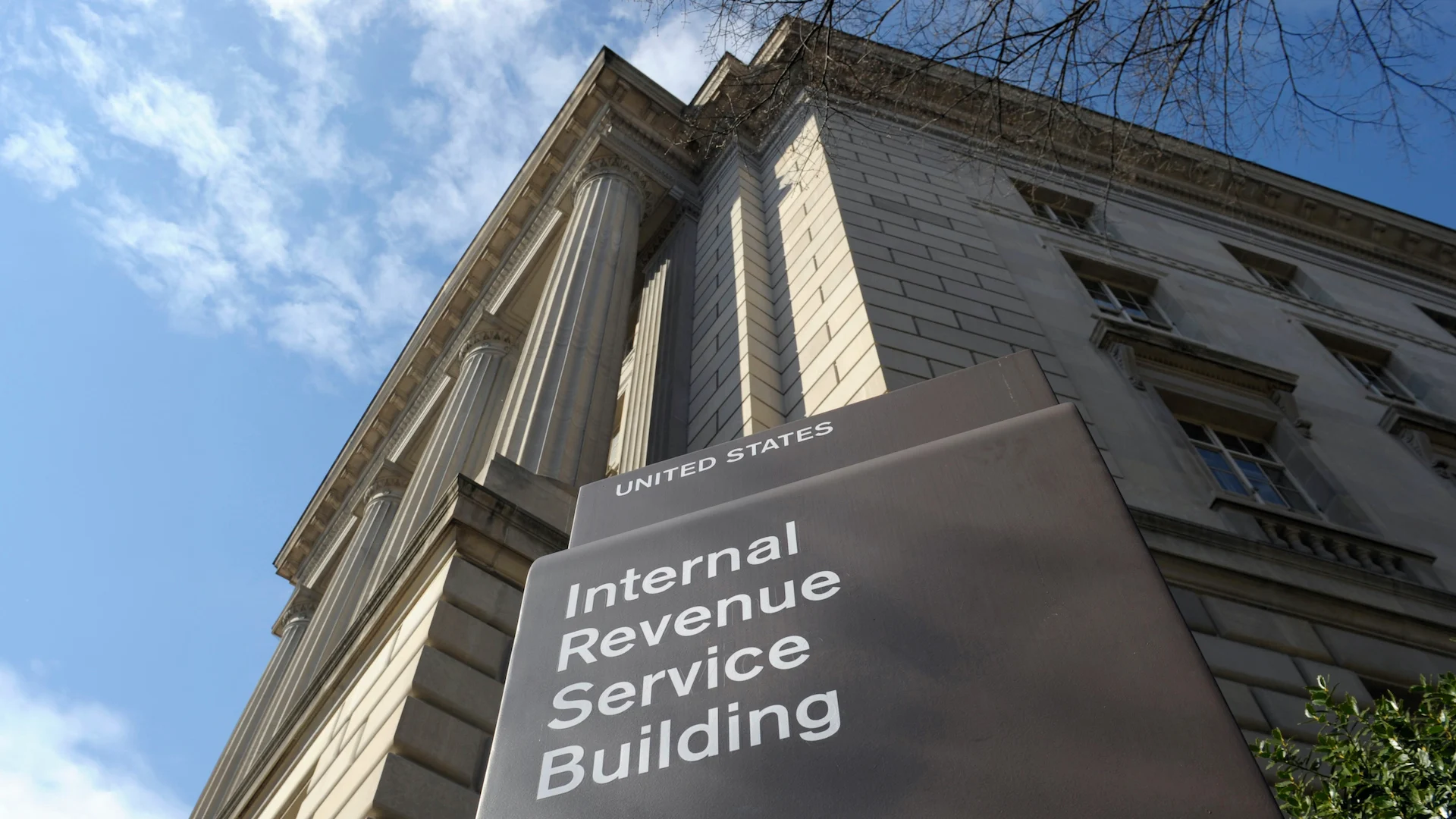
1 month agoFile Your Taxes With an ITIN? What We Know Right Now About the IRS-ICE Data Agreement | KQED
Millions nationwide have begun the process of filing their yearly taxes - including many immigrants without a permanent immigration status. But since President Donald Trump's return to the White House, his administration has sought access to IRS data - including taxpayers' addresses - to further its immigration crackdown and locate undocumented immigrants. And last April, ICE and its parent agency, the Department of Homeland Security, secured a data-sharing agreement with the IRS, alarming many taxpayers who use ITINs to file.
US politics


[ Load more ]