#tea-etiquette
#tea-etiquette
[ follow ]
#golden-gate-park #japanese-tea-garden #afternoon-tea #matcha #san-francisco #san-francisco-attractions

#afternoon-tea



Food & drink
fromwww.amny.com
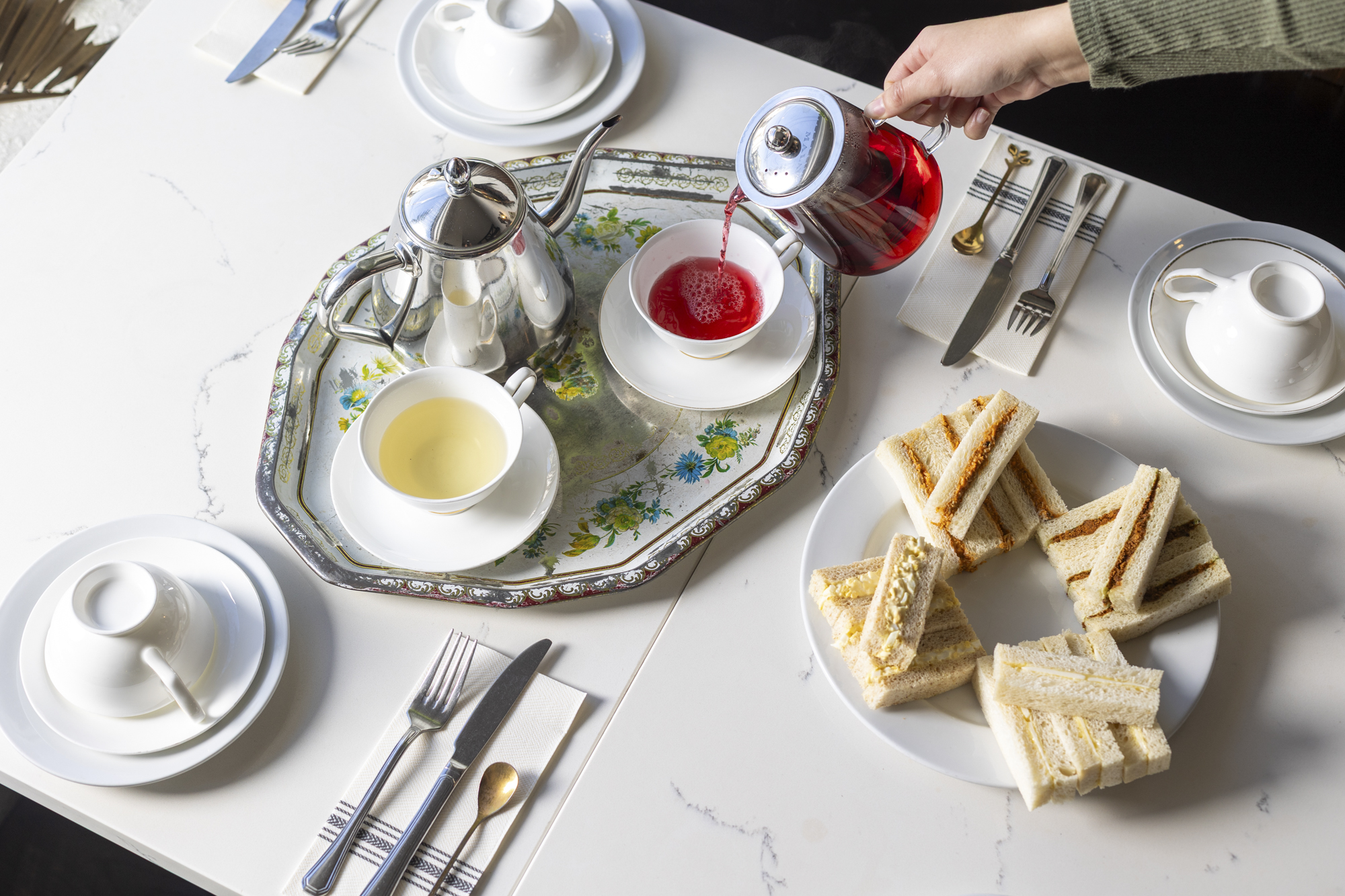
1 week agoMo Lounge's Afternoon Tea walks guests through chef's pastry career amid rising tea popularity | amNewYork
Mo Lounge offers an elegant afternoon tea experience with stunning views and a diverse selection of teas and pastries crafted by Executive Pastry Chef Ron Paprocki.
Psychology
fromSilicon Canals
4 weeks agoI stack my plates, fold my napkin, and push my chair in every time I leave a restaurant table - and I have never been able to stop doing it, not because anyone is watching, but because my mother was a waitress for eleven years and I have never once in my adult life been able to look at a messy table and not see it through her feet - Silicon Canals
Service industry workers perform invisible labor that shapes character and leadership, deserving recognition and respect for their dignity and skill.
SF music
fromFuncheap
4 weeks agoShakuhachi Concert inside Japanese Tea Garden (Golden Gate Park)
Shakuhachi master Masayuki Koga performs traditional Japanese music at Golden Gate Park's Japanese Tea Garden Pagoda on March 7th, emphasizing spiritual connection and authentic listening beyond analytical control.
DC food
fromThe Washington Post
1 month agoWant more 'Bridgerton'? These D.C. afternoon teas keep the fantasy alive.
Washington D.C. offers multiple afternoon tea experiences that recreate the elegant Bridgerton aesthetic, with the Folger Shakespeare Library providing an exclusive Tudor-style setting featuring seasonal treats and premium teas.
fromianVisits
1 month agoYou can now have afternoon tea in the Old Bailey
The afternoon starts with a tour of the Old Bailey, including the courtrooms, the judges' dining room, and the cells below. If you've booked the afternoon tea, you're taken back up to the richly decorated Great Hall for an afternoon tea surrounded by all the pomp and grandeur that the hall can deliver.
London
Coffee
fromYanko Design - Modern Industrial Design News
1 month ago6 Camping Mugs From Japan That Make Coffee Taste Better (Science Says So) - Yanko Design
Japanese ceramic mugs enhance coffee experience through superior heat retention, neutral flavor profiles, and handcrafted design that influences taste perception and creates intentional ritual.




Renovation
fromApartment Therapy
2 months agoThis Cottagecore-Loving Content Creator Spends Her Sundays with Matcha, Yoga, and a Trip to the Greenhouse
A cozy 1930s Denver apartment blends cottagecore decor, DIY projects, and abundant houseplants, with Miracle-Gro products supporting easy indoor plant care and Sunday routines.
Mindfulness
fromYanko Design - Modern Industrial Design News
2 months agoThis Smart Tea Cup Wants You to Actually Enjoy Your Tea - Yanko Design
A ceramic cup named SoundSip uses touch-activated evolving soundscapes to guide tea drinkers from distraction to calm, restoring mindful tea rituals without screens or buttons.
fromSilicon Canals
1 month agoIf you can discuss these 7 topics comfortably at dinner parties, you're more cultured than you think - Silicon Canals
Last month, I found myself at a friend's dinner table, surrounded by strangers. What started as polite small talk about the weather quickly evolved into a fascinating discussion about urban development, the role of art in society, and how different countries approach healthcare. Three hours flew by. Walking home that night, I realized something. The people who seemed most at ease weren't necessarily the ones with the most degrees or the fanciest job titles.
Miscellaneous

fromOpen Culture
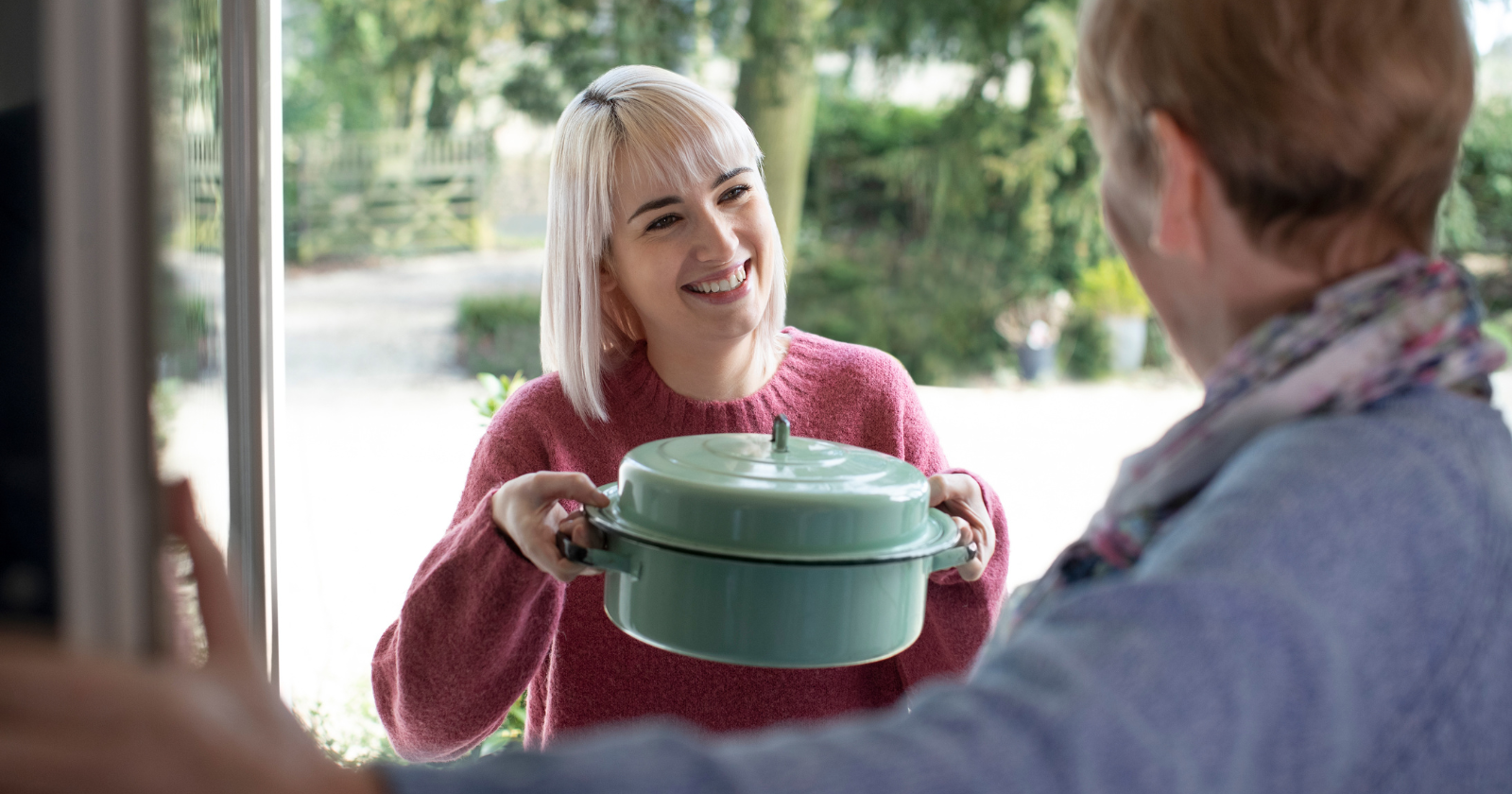
2 months agoDiscover Ichi-go Ichie, the Japanese Art of Savoring Every Moment
The Bud­dhis­ti­cal­ly inflect­ed " ichi-go ichi‑e" is just one in the vast library of yoji­juku­go, high­ly con­densed apho­ris­tic expres­sions writ­ten with just four char­ac­ters. (Oth­er coun­tries with Chi­nese-influ­enced lan­guages have their ver­sions, includ­ing sajaseon­geo in Korea and chéngyǔ in Chi­na itself.) It descends, as the sto­ry goes, from a slight­ly longer say­ing favored by the six­teenth-cen­tu­ry tea mas­ter Sen no Rikyū, " ichi-go ni ichi-do " (一期に一度).
Mindfulness
fromArchDaily
1 month agoThe Kitchen as a Social Space: Everyday Rituals and the Making of Place
Can architecture be built from food? Between the fire that warms, the smells that spread, and the bodies that gather around the table, the apparent banality of cooking and eating reveals itself as a choreographed dance of spatial appropriation and belonging. These gestures organize routines, produce bonds, and transform the built environment into lived place. The kitchen- domestic, communal, or urban -thus ceases to be merely a functional space and affirms itself as a territory of encounter.
Design
Food & drink
fromTasting Table
1 month agoThis Washington, DC Coffee Shop Will Serve You Espresso Shots In Cookie Cups - If You Know How To Ask - Tasting Table
Flor in Georgetown blends a bookstore and café atmosphere, popularizing an off-menu 'El Principito' espresso served inside a handmade cookie cup.
Design
fromYanko Design - Modern Industrial Design News
2 months agoIndustrial Wire Mesh Transforms Traditional Tea House - Yanko Design
Layered colored wire mesh transforms a traditional tea house into a dynamic translucent space where shifting light and viewer movement create changing color, depth, intimacy.
fromBon Appetit
1 month agoThis Nutty, Low-Caffeine Tea Is Taking Over Cafe Menus
If you were a frequent coffee shop-goer and Instagram scroller in the mid-2010s, chances are you remember when a certain grassy green beverage started to pop up on café menus, grid posts, and Tumblr feeds. (Of course, we're talking about matcha.) Now, some ten years later, another type of Japanese green tea has made the jump over to the U.S. market: hojicha.
Food & drink
fromwww.theguardian.com
1 month agoFrothing over: the coffee foams and indulgent' drinks keeping Australian cafes afloat
Coffee brimming with lemon myrtle cream. Matcha banked with strawberry-lychee foam. Cold brew with choc-orange froth thick enough to stuff a pillow. Every caffeinated drink I've ordered in Sydney recently has the appearance of a generously frosted cake. It's a trend you'll see or sip across Australia, from Toasted Carine's iced latte with maple cold foam in Perth to Le Bajo's chilled oolong tea with raspberry cream in Melbourne.
Coffee
fromScienceDaily
2 months agoTea can improve your health and longevity, but how you drink it matters
Drinking tea, particularly green tea, is linked to better heart health, improved metabolism, and lower risks of chronic diseases like diabetes and cancer. It may also help protect the brain and preserve muscle strength as people age. However, processed teas-such as bottled and bubble varieties-often contain sugars and additives that may cancel out these benefits. Moderation and choosing freshly brewed tea appear key.
Food & drink
fromTasting Table
2 months agoHow To Make A Chai Latte At Home That Tastes Like It Came From A Coffee Shop - Tasting Table
"Fresh spices and proper simmering time make all the difference," instructs Chan. As tempting as it might be to sprinkle powdered spices into a pot, Chan directs chai lovers to first simmer your chosen whole spices with black tea. Use all or some of an assortment of cinnamon, cardamom, cloves, ginger, and peppercorns and warm them up in a pan with the tea, then steamed milk and sweetener can then enter the picture.
Food & drink
fromTasting Table
2 months agoAdding A Bit Of This Unexpected Oil Could Be Exactly What Your Coffee Needs - Tasting Table
When Japanese sesame oil brand Kadoya Seiyu demonstrated that combining sesame oil and coffee is an option, foodies took notice. The unexpected addition can lend a creamy, smooth texture to a regularly prepared cup of Joe, and the smell of this combination will greet you before the first sip reaches your lips. As added incentive to experiment with this unique duo, sesame oil boasts a line-up of promising health benefits.
Food & drink
[ Load more ]