#tea-preservation
#tea-preservation
[ follow ]

#afternoon-tea

Food & drink
fromwww.amny.com
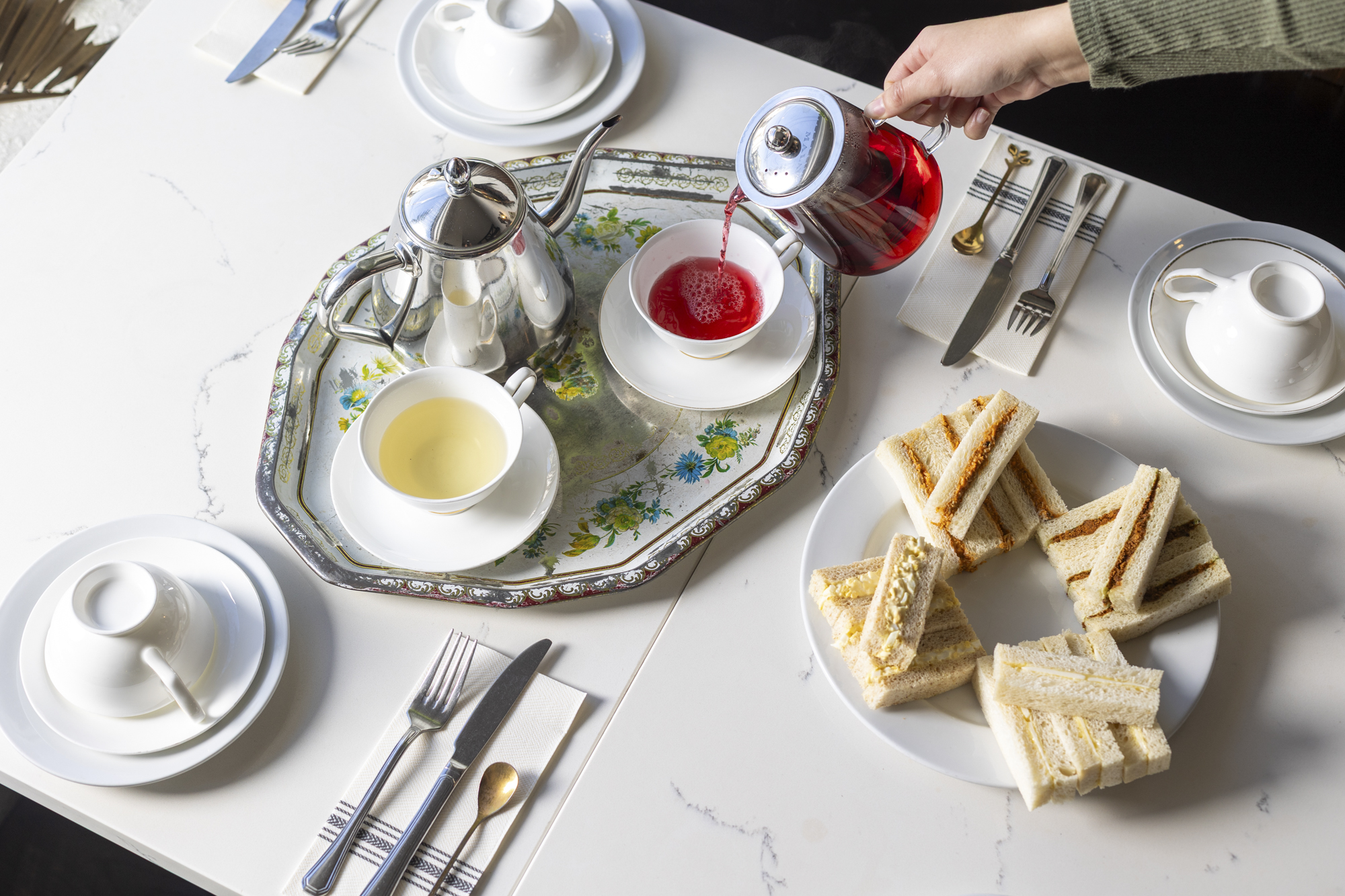
1 week agoMo Lounge's Afternoon Tea walks guests through chef's pastry career amid rising tea popularity | amNewYork
Mo Lounge offers an elegant afternoon tea experience with stunning views and a diverse selection of teas and pastries crafted by Executive Pastry Chef Ron Paprocki.

fromTasting Table
1 month agoFor Sweeter Lemonade, Add A Splash Of This Unexpected Juice - Tasting Table
The addition of the beetroot to give the drink its hue is a little different. It's a great natural way to get a beautiful vibrant pink color without adding a different flavor to the drink or using an artificial means of color.
Cocktails
fromTasting Table
1 month agoDon't Toss Out Used Coffee Grounds - They Can Give Roasted Veggies Extra Flavor - Tasting Table
Finely ground coffee can add depth and a subtle roasted bitterness that enhances caramelization. Freshly ground beans taste best in this situation since they have all of their aroma and flavor still intact. Once you expose those grounds to air or once all the good stuff is extracted during brewing, those spent grounds are a lot duller and lack the same depth.
Cooking


Coffee
fromTasting Table
3 weeks agoI Tried All Milo's Iced Tea Flavors And Ranked Them - Tasting Table
Milo's Tea Co., a family-owned zero-waste manufacturer since 1946, produces quality iced tea and lemonade without preservatives or artificial colors, with taste quality varying by sweetness preference.
fromWIRED
3 weeks agoMy Favorite Piece of Coffee Gear Makes Me Do All the Work, and That's Why I Love It
Where larger, electric espresso machines generate the pressure and heat needed for espresso inside their massive housings, the Flair takes a different approach. A large lever sits atop a small stack of brewing equipment, and you use that lever to create the bars of pressure necessary to get espresso. There's a chamber for your grounds and another atop it for hot water.
Coffee



Mindfulness
fromYanko Design - Modern Industrial Design News
2 months agoThis Smart Tea Cup Wants You to Actually Enjoy Your Tea - Yanko Design
A ceramic cup named SoundSip uses touch-activated evolving soundscapes to guide tea drinkers from distraction to calm, restoring mindful tea rituals without screens or buttons.
Travel
fromTravel + Leisure
1 month agoI Visited One of Thailand's Oldest Organic Tea Farms-and It Was One of the Most Moving Travel Experiences I've Had
Araksa Tea Garden produces organically certified, sustainably grown Thai 'jungle tea' and Assam hybrids at high elevation using skilled hand-plucking and traditional processing.
Renovation
fromApartment Therapy
2 months agoThis Cottagecore-Loving Content Creator Spends Her Sundays with Matcha, Yoga, and a Trip to the Greenhouse
A cozy 1930s Denver apartment blends cottagecore decor, DIY projects, and abundant houseplants, with Miracle-Gro products supporting easy indoor plant care and Sunday routines.
fromTasting Table
1 month agoThe Unexpected Way To Reuse Vintage Tea Tins In The Kitchen - Tasting Table
If you open your kitchen cabinets and want to run away screaming from the tumbling and entropic heap of half-used packages - and you're starting to consider dropping a whole paycheck at The Container Store to finally fix your life (for real this time) - Wait! Let us share with you a far cheaper and more whimsical solution: vintage tea tins.
Food & drink
Coffee
fromYanko Design - Modern Industrial Design News
1 month ago6 Camping Mugs From Japan That Make Coffee Taste Better (Science Says So) - Yanko Design
Japanese ceramic mugs enhance coffee experience through superior heat retention, neutral flavor profiles, and handcrafted design that influences taste perception and creates intentional ritual.
fromTasting Table
2 months ago10 Foods And Drinks Where Country Of Origin Actually Matters - Tasting Table
Country of origin labeling became mandatory on all international products entering the United States in 2009. The goal was to ensure American consumers knew where the products they were buying came from, enabling shoppers to make informed buying decisions. These products include everything from Mexican avocados to French wine to pasta from Italy, with the latter thankfully safe from recent U.S. tariffs. However, does the location a product comes from actually matter?
Wine
fromScienceDaily
2 months agoTea can improve your health and longevity, but how you drink it matters
Drinking tea, particularly green tea, is linked to better heart health, improved metabolism, and lower risks of chronic diseases like diabetes and cancer. It may also help protect the brain and preserve muscle strength as people age. However, processed teas-such as bottled and bubble varieties-often contain sugars and additives that may cancel out these benefits. Moderation and choosing freshly brewed tea appear key.
Food & drink
fromEpicurious
8 years ago31 Cashew Recipes That Go Beyond the Snack Bowl
Soaked and blended, cashews become a stand-in for heavy cream, keeping stuffed shells, soups, pasta sauces, and desserts luxuriously dairy-free. Toasted and roughly chopped, they add crunch to salads, curries, stir-fries, and more. There are so many reasons to love cooking with these seeds-that's right, "cashew nut" is technically a misnomer, since they grow outside the fruit rather than inside a hard shell like true nuts.
Food & drink
fromTasting Table
1 month ago15 Drinks That Can Boost Your Fiber Intake - Tasting Table
There are plenty of ways to add fiber to your diet, like loading up on plant-based foods like fruits, vegetables, beans, seeds, and nuts. However, a quick and easy way to ensure you're adding supplementary fiber to your diet, while staying hydrated along the way, is to drink your fiber. There are plenty of beverages that can boost your fiber intake that are worth exploring.
Food & drink
fromTasting Table
2 months agoAdding A Bit Of This Unexpected Oil Could Be Exactly What Your Coffee Needs - Tasting Table
When Japanese sesame oil brand Kadoya Seiyu demonstrated that combining sesame oil and coffee is an option, foodies took notice. The unexpected addition can lend a creamy, smooth texture to a regularly prepared cup of Joe, and the smell of this combination will greet you before the first sip reaches your lips. As added incentive to experiment with this unique duo, sesame oil boasts a line-up of promising health benefits.
Food & drink
fromBon Appetit
1 month agoThis Nutty, Low-Caffeine Tea Is Taking Over Cafe Menus
If you were a frequent coffee shop-goer and Instagram scroller in the mid-2010s, chances are you remember when a certain grassy green beverage started to pop up on café menus, grid posts, and Tumblr feeds. (Of course, we're talking about matcha.) Now, some ten years later, another type of Japanese green tea has made the jump over to the U.S. market: hojicha.
Food & drink
fromTasting Table
2 months agoHow To Keep Ground Coffee Fresh - Tasting Table
Ideally, you should use your coffee right away after grinding, as ground coffee starts to go stale faster than you'd think. "If using pre-ground coffee, it should be consumed within two to three days for the best flavor. After that, much of the flavor complexity and compounds will fade," Chan explained. While you might be able to extend that an another week or two, don't forget: the refrigerator isn't a good long term option for storing coffee.
Coffee
fromTasting Table
2 months agoHow To Make A Chai Latte At Home That Tastes Like It Came From A Coffee Shop - Tasting Table
"Fresh spices and proper simmering time make all the difference," instructs Chan. As tempting as it might be to sprinkle powdered spices into a pot, Chan directs chai lovers to first simmer your chosen whole spices with black tea. Use all or some of an assortment of cinnamon, cardamom, cloves, ginger, and peppercorns and warm them up in a pan with the tea, then steamed milk and sweetener can then enter the picture.
Food & drink
fromA Couple Cooks
2 months agoTop 10 Healthy Drinks to Try Now
While I love a good cocktail, on a regular basis you'll find me drinking lighter options like sparkling water or tea. After helping my husband Alex kick his soda habit years ago, we began to discover drinks that actually make you feel energized and balanced, from cucumber-infused waters to homemade herbal teas. What's great about switching to healthier beverages is you don't have to sacrifice flavor.
Food & drink
fromTasting Table
2 months agoWhy Quality Matters More When You're Making Iced Coffee With Instant Coffee - Tasting Table
Iced coffee is a morning must for most people. However, those regular trips to Starbucks, your favorite local coffee shop, or even making it from pricey beans at home may not be doing your wallet any favors. Luckily, you don't have to cut iced coffee out of your life cold turkey to save a couple of bucks; you can just switch to a thriftier and more convenient alternative: instant coffee.
Coffee
fromTasting Table
1 month ago13 Health-Ade Kombucha Flavors, Ranked - Tasting Table
If you, too, down a bottle of kombucha every chance you get, we are one. Well, maybe not every chance (after all, you can definitely drink too much kombucha), but you get the picture. I adore the fizzy, probiotic drink, which is on the very long list of things I'd like to make at home eventually. But until I have enough capacity to embark on a homemade kombucha adventure, I'll stick to the store-bought stuff, preferably from Health-Ade.
Food & drink
fromwww.theguardian.com
2 months agoHe never warms the jars, so why doesn't my son's marmalade go mouldy?
You can't get much sweeter than marmalade, and this is most likely the reason for both Dagna and her son's success, despite their differing strategies. The chance of mould developing is low because there's so much sugar to balance the bitterness of the orange peel, says Camilla Wynne, preserver and author of All That Crumbs Allow. Mould needs water to do its thing, and sugar binds to water.
Food & drink
fromwww.theguardian.com
1 month agoFrothing over: the coffee foams and indulgent' drinks keeping Australian cafes afloat
Coffee brimming with lemon myrtle cream. Matcha banked with strawberry-lychee foam. Cold brew with choc-orange froth thick enough to stuff a pillow. Every caffeinated drink I've ordered in Sydney recently has the appearance of a generously frosted cake. It's a trend you'll see or sip across Australia, from Toasted Carine's iced latte with maple cold foam in Perth to Le Bajo's chilled oolong tea with raspberry cream in Melbourne.
Coffee
fromTasting Table
2 months ago10 Unique Ingredients That Elevate Homemade Lattes - Tasting Table
Whether you're making a latte at home because you want to save money, get creative, or just can't be bothered to leave the house, there's no denying that having the right ingredients makes all the difference. Coffee has a wide aroma spectrum, so, like alcoholic beverages, it's key to ensure that any flavors the coffee is served with are complementary. When I was a barista at Starbucks, most of the onboarding process involved learning about this concept.
Coffee
[ Load more ]