Privacy professionals
fromFuturism
14 hours agoChina Cracking Down on the Types of AI That Are Tearing America Apart
China is implementing strict regulations on AI personalities to protect children and prevent addiction.
CEO Chris Calio emphasized the urgency of delivering critical products for national security, stating, 'We understand that our products are critical to national security. And I can tell you across the organization, we absolutely feel the responsibility and urgency to deliver more and to deliver it faster.'
The ESRI revealed in its recently published quarterly economic commentary that the fall in the number of technology workers in Ireland was concentrated almost entirely among female workers in the sector.
In recent weeks, China approved the world's first commercial brain-computer interface medical device and unveiled a five-ton class electric vertical takeoff and landing aircraft that has already completed a public flight.
Without effective copyright protections, there is a grave risk that these organizations will no longer be able to produce the high-quality codes and standards that the public and lawmakers have come to rely on.
The Federal Communications Commission (FCC) added all consumer-grade routers made outside the US to a list of equipment seen as not secure enough for use, putting them on par with foreign-made drones, which were banned at the end of last year.
The technology at issue is a subcutaneous cosmetic penile implant, a silicone sleeve placed between the skin and 'Buck's fascia' to enhance girth and length.
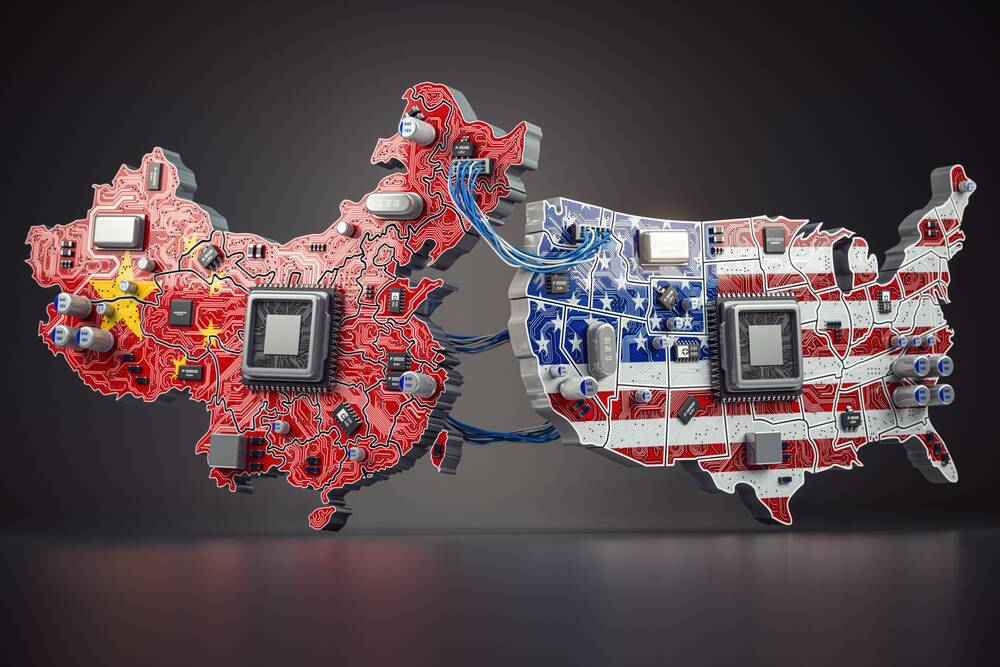
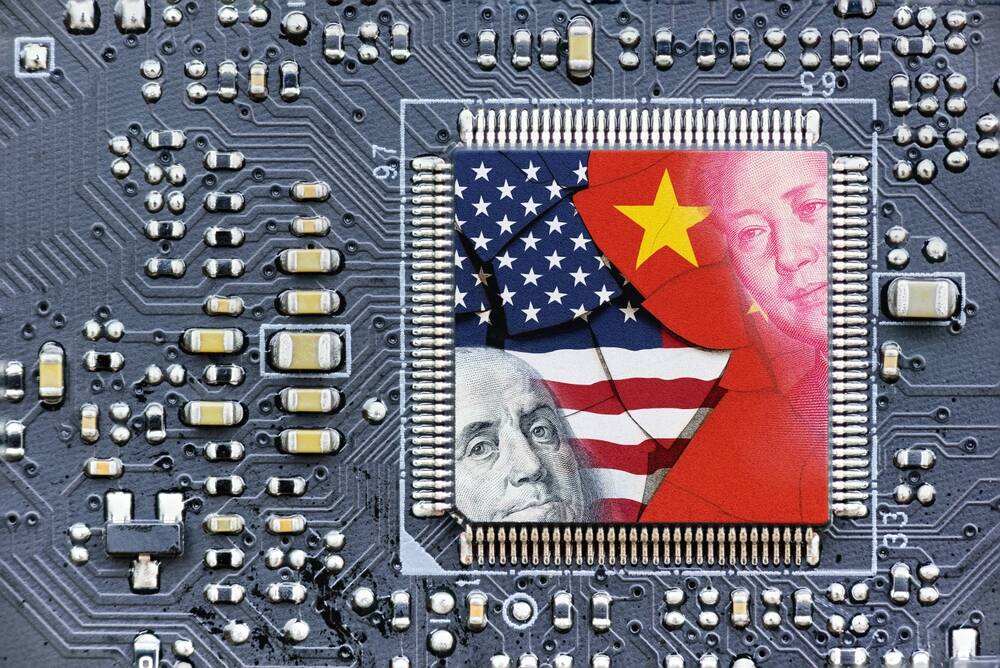
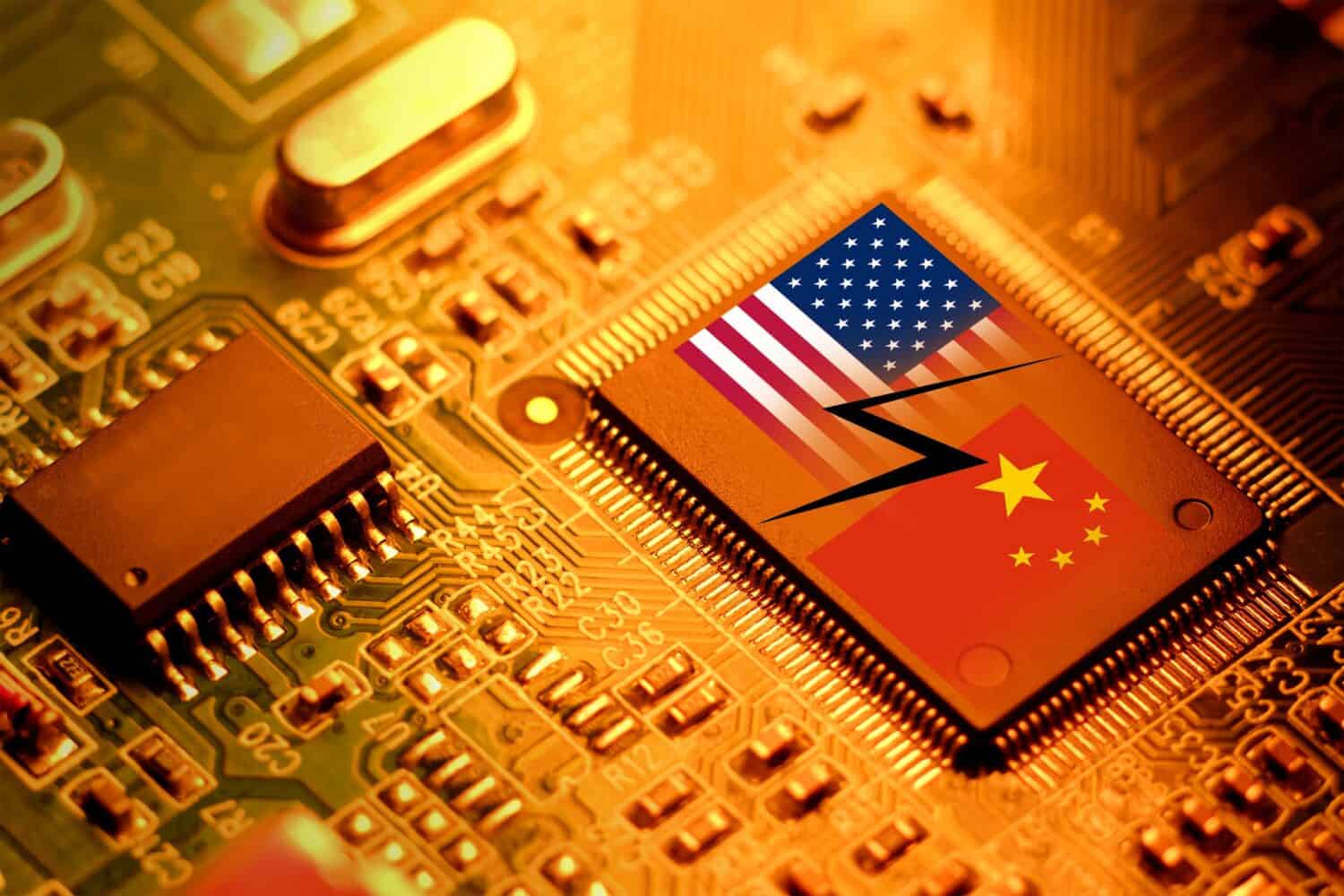
Instead of paralyzing China's AI sector, these controls have promoted domestic self-reliance. With no choice but to develop indigenous workarounds and architectural innovations, Chinese businesses are decoupling AI progress from sheer hardware volume. U.S. policies have undoubtedly bought time, but they have also ushered in a parallel innovation ecosystem totally independent of Western influence.
The Justice Department charged Yih-Shyan Liaw, Ruei-Tsang Chang, and Ting-Wei Sun in an indictment unsealed in federal court in Manhattan on Thursday, alleging a complex scheme to send US-made servers through Taiwan to other countries in Southeast Asia.
The US government has introduced new import tariffs on advanced AI chips from Nvidia and AMD, with the aim of channelling part of the proceeds from sales to China directly into the US treasury. According to the Financial Times, the measure is part of President Donald Trump's broader trade and industrial policy, which explicitly intertwines economic transactions and national security.
This week in Other Barks & Bites: the Sixth Circuit affirms a dismissal of a declaratory judgment suit after finding no federal question of law raised by the suit's copyright allegations; the EU's highest court says that EU member states can pass rules implementing a private copying levy against manufacturers of computer hard drive storage; the governments of the United States and Taiwan announce a relaxation of some reciprocal tariffs in response for a $250 billion investment in American chip capacity;