UX design
fromMedium
4 hours agoYou're not supposed to get it right
Design challenges for UX writers can be intimidating due to the pressure of making quick, impactful decisions and the emphasis on visual elements.
Santa Cruz de Tenerife is one of the most idyllic cities in the Canary Islands. At its heart stands the jewel - the Auditorio. It's a place where talent from both worlds, New and Old, comes together. A theatre, opera, dance, and music heaven.
The blank canvas wasn't a hurdle; it was an invitation. An invitation to think, to wrestle, to connect disparate dots until a clear, compelling strategy emerged. Today, that invitation often comes in the form of a blinking cursor in a prompt box. The promise is seductive: speed, efficiency, and democratized creativity.
Capacity Planning is the process of right-sizing the 'Total Project Demand' with the forecasted Team Capacity. Most UX teams have no idea what their capacity is. Fewer still have a process for calculating it and using it during quarterly planning activities with their counterparts in Product Management & Engineering to ensure teams don't commit to more work than they can handle.
We're fortunate to stand on the work of giants. Every time we cross a suspension bridge or hear a brilliant piece of music, we experience the spark of someone else's genius. We don't need to understand every theory to benefit from it - and the same is true in building a business. You don't need a computer science degree to think like an engineer - but doing so can help you build smarter, faster and with fewer mistakes.
Overlooking how important a brief is will start your collaboration with a web development agency in London off on the wrong foot. A brief not only communicates what you're looking to build, but it also aligns everyone's expectations, mitigates delays and limits the amount of revisions required. Whether it's an e-commerce site launch, a branding overhaul or tweaking a few pain points, the guidance you provide will directly influence your website from day one.
Most of these companies start the journey from a functional standpoint, avoiding extra layers that may "divert users' attention", such as refined flows, potential edge cases, and, sometimes, proper visual design foundations and user experience. Here, the goal is to ship the product first to validate its value, then address other considerations.
It's been almost 20 years since I started my career in product design, and, as you might imagine, many things have changed dramatically since then. One of the main characteristics of the technology industry is the constant evolution of its dynamics, roles, processes, technologies, experiences, and even business models. Those changes are inevitable and will continue. In retrospect, I see that there is one reality that has not changed much over the last 20 years and remains a constant issue to this day: building technology products can sometimes be a discouraging and exhausting process, from junior positions to senior management levels. Why do we suffer every time we need to build something? Why is there so much burnout among today's tech professionals? Why is it that, regardless of the industry, company, or technology, we always hear the exact phrases: "I'm exhausted, I feel drained by this job."? Well, those are valid questions that still haunt me 20 years after my first web design job. It seems like there's no choice in this environment but to suffer.
Her payment form wasn't connecting to the payment processor, and every attempt ended in an error message that made no sense. I understood her frustration. As a founder myself, I was acutely aware of the pain of trying to run a business and feeling like nothing was going your way. When I dug into her form, I found the problem a few minutes later: a mismatch between test mode and live credentials.
Maybe this stake is more prominent in start-up environments, where new ideas surface every day and the opportunity for growth is potentially wider. Philosophies like "Build fast, fail fast" are at the core of an agile mindset, helping us determine whether an idea is viable in the early stages or whether a pivot is necessary to achieve the desired numbers and experience.
The normative form for interacting with what we think of as "AI" is something like this: there's a chat you type a question you wait for a few seconds you start seeing an answer. you start reading it you read or scan some more tens of seconds longer, while the rest of the response appears you maybe study the response in more detail you respond the loop continues
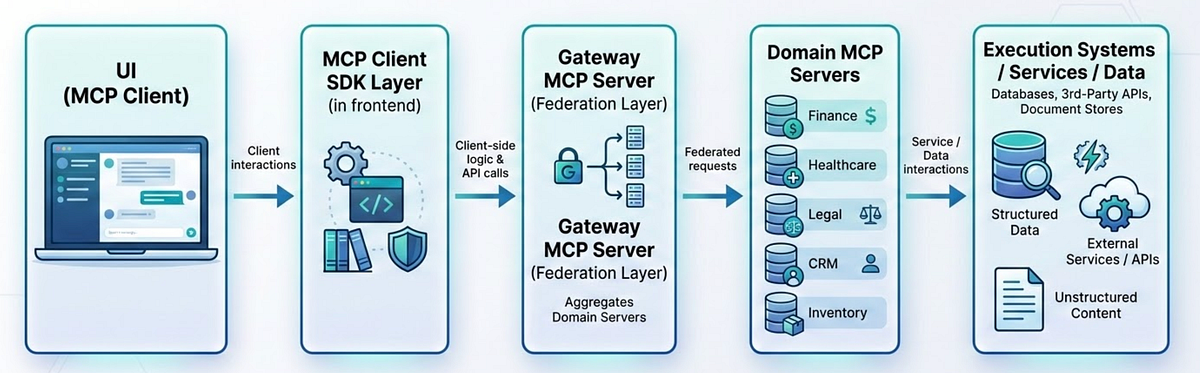
LLMs have made AI assistants a standard feature across SaaS. AI assistants allow users to instantly retrieve information and interact with a system through text-based prompts. Mathias Biilmann, in his article " Introducing AX: Why Agent Experience Matters," discusses two distinct approaches to building AI assistants. The Closed Approach involves a conversational assistant embedded directly within a single SaaS product. Examples include Zoom's AI Companion, Salesforce CRM's Einstein, and Microsoft's Copilot. The Open Approach involves external conversational assistants, such as Claude, ChatGPT, and Gemini,
Only the engineers who work on a large software system can meaningfully participate in the design process. That's because you cannot do good software design without an intimate understanding of the concrete details of the system. Generic software design What is generic software design? It's "designing to the problem": the kind of advice you give when you have a reasonable understanding of the domain, but very little knowledge of the existing codebase.
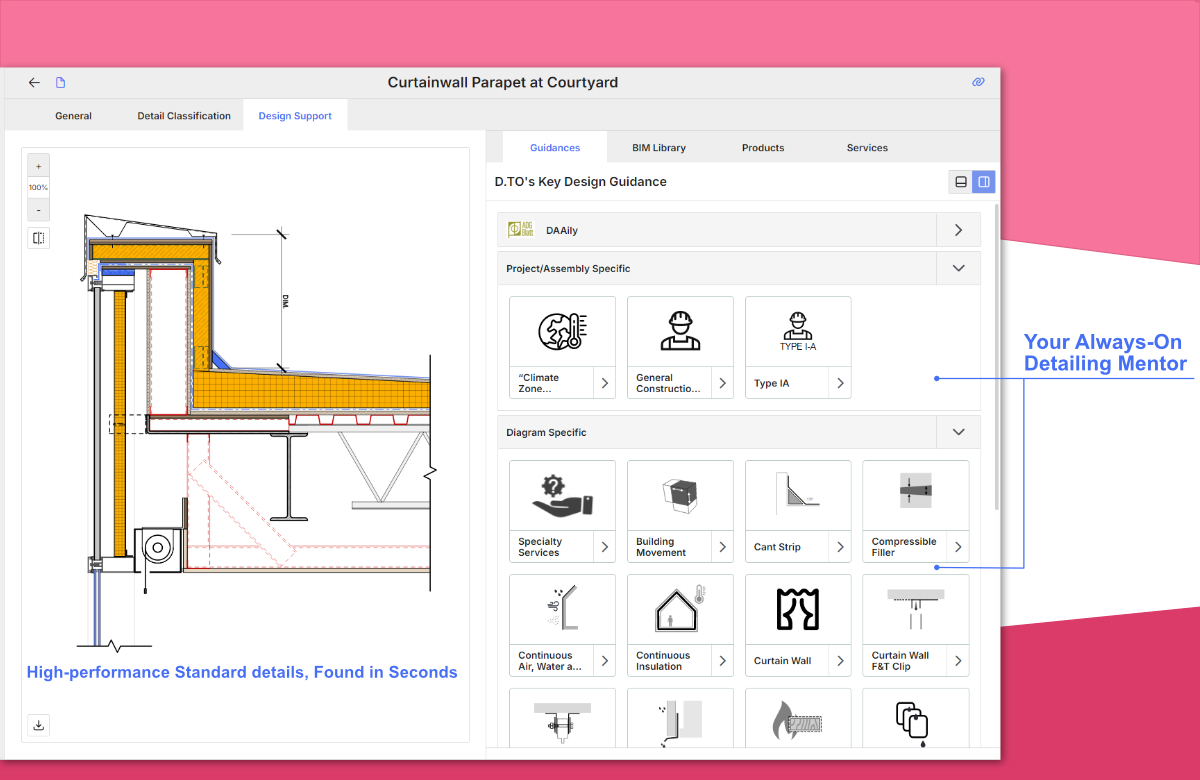
For many architects, schematic design is defined by a familiar tension. It is the phase of open-ended exploration-where multiple ideas are tested, challenged, and refined for clients to define a project's direction. In essence, it's where the design magic happens. The challenge is rarely a lack of ideas, but the effort required to test and evaluate those ideas properly under time-, resource-, and budget constraints.
When I work on something, whether it's at Interfere or my personal projects, I like to experiment a lot. Design engineering is a lot about trial and error, and I often spend hours trying to find the "this feels right" moment. This is where AI helps. Instead of spending hours on a concept that I'm unsure of, I try that concept out in a matter of minutes, and throw it away if it doesn't feel right.
Your AI pilot showed 94% accuracy improvements. The LLM is yielding solid results. You're getting defunded anyway. The reason? You solved a problem AI can solve. Your budget-holder needed you to solve theirs. Companies launch AI pilots that produce results, then stall at scale. The team's diagnosis: "They don't get it." What's really going on: These projects never earned budget-holder buy-in.
To find the typical example, just observe an average stand-up meeting. The ones who talk more get all the attention. In her article, software engineer Priyanka Jain tells the story of two colleagues assigned the same task. One posted updates, asked questions, and collaborated loudly. The other stayed silent and shipped clean code. Both delivered. Yet only one was praised as a "great team player."
During my eight years working in agile product development, I have watched sprints move quickly while real understanding of user problems lagged. Backlogs fill with paraphrased feedback. Interview notes sit in shared folders collecting dust. Teams make decisions based on partial memories of what users actually said. Even when the code is clean, those habits slow delivery and make it harder to build software that genuinely helps people.
AI is disrupting more than the software industry, and is doing so at a breakneck speed. Not long ago, designers were deep in Figma variables and pixel-perfect mockups. Now, tools like v0, Lovable, and Cursor are enabling instant, vibe-based prototyping that makes old methods feel almost quaint. What's coming into sharper focus isn't fidelity, it's foresight. Part of the work of Product Design today is conceptual: sensing trends, building future-proof systems, and thinking years ahead.