#terracotta-kulhads
#terracotta-kulhads
[ follow ]

fromConde Nast Traveler
2 weeks agoHow Craft Shaped Our Journey Through Rajasthan as a Family of Five
Planning the trip, however, filled me with apprehension. Our boys were no longer little travelers content to trail along behind us through forts and museums. They were teenagers now-15 and 13-with strong opinions, independent streaks, and a finely tuned radar for boredom.
Writing
Arts
fromYanko Design - Modern Industrial Design News
2 weeks agoJanny Baek's Ceramics Look Like They're Still Evolving - Yanko Design
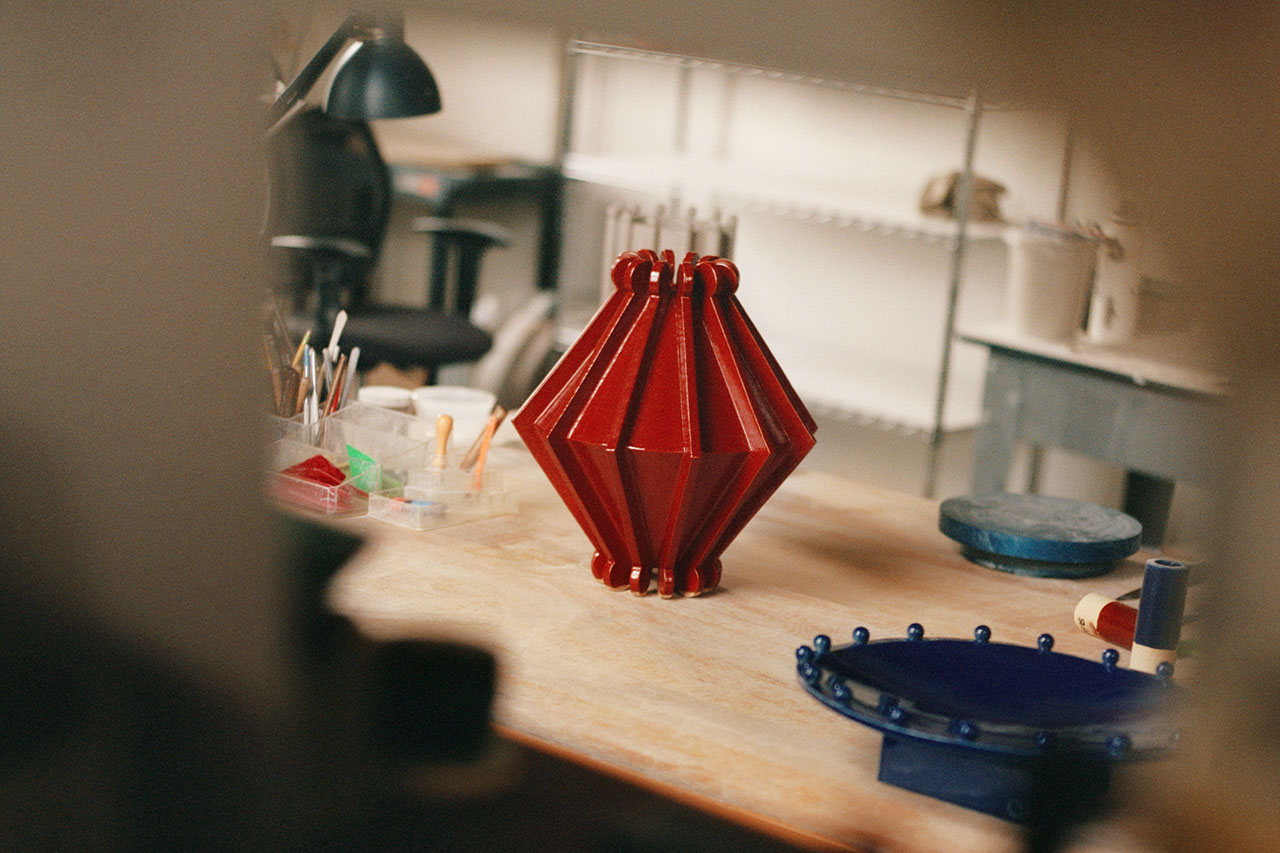
Janny Baek's ceramic sculptures deliberately maintain ambiguity and incompleteness, appearing caught mid-transformation as though unfinished by the kiln, creating visually arresting forms that suggest multiple organic possibilities simultaneously.
fromArchDaily
3 weeks agoBuilding with Earth: Traditional Knowledge in Contemporary Architecture
Rather than representing a simple return to the past, this renewed interest reflects a broader reconsideration of how architecture engages with materials, local resources, and environmental conditions.
Renovation
fromDesign Milk
2 weeks agoKelly Wearstler Launches Indian Craft-Inspired Furniture Collection
Our role is, first and foremost, to transmit our fascination with a craft and to ignite that same excitement in the designer. This is the foundation of our curatorial approach: creating the right encounter between a designer's universe and that of a workshop.
Arts
Coffee
fromYanko Design - Modern Industrial Design News
1 month ago6 Camping Mugs From Japan That Make Coffee Taste Better (Science Says So) - Yanko Design
Japanese ceramic mugs enhance coffee experience through superior heat retention, neutral flavor profiles, and handcrafted design that influences taste perception and creates intentional ritual.
Miscellaneous
fromwww.theguardian.com
1 month agoAncient stepwells brought back to life as India begins to run out of water
A 17th-century stepwell in Hyderabad was restored after 18 months of clearing 3,000 tonnes of rubbish, providing clean drinking water to the community for the first time in four decades.
#sustainable-architecture
Design
fromwww.archdaily.com
3 weeks agoSelf-Sustaining Farmhouse / Manoj Patel Design Studio
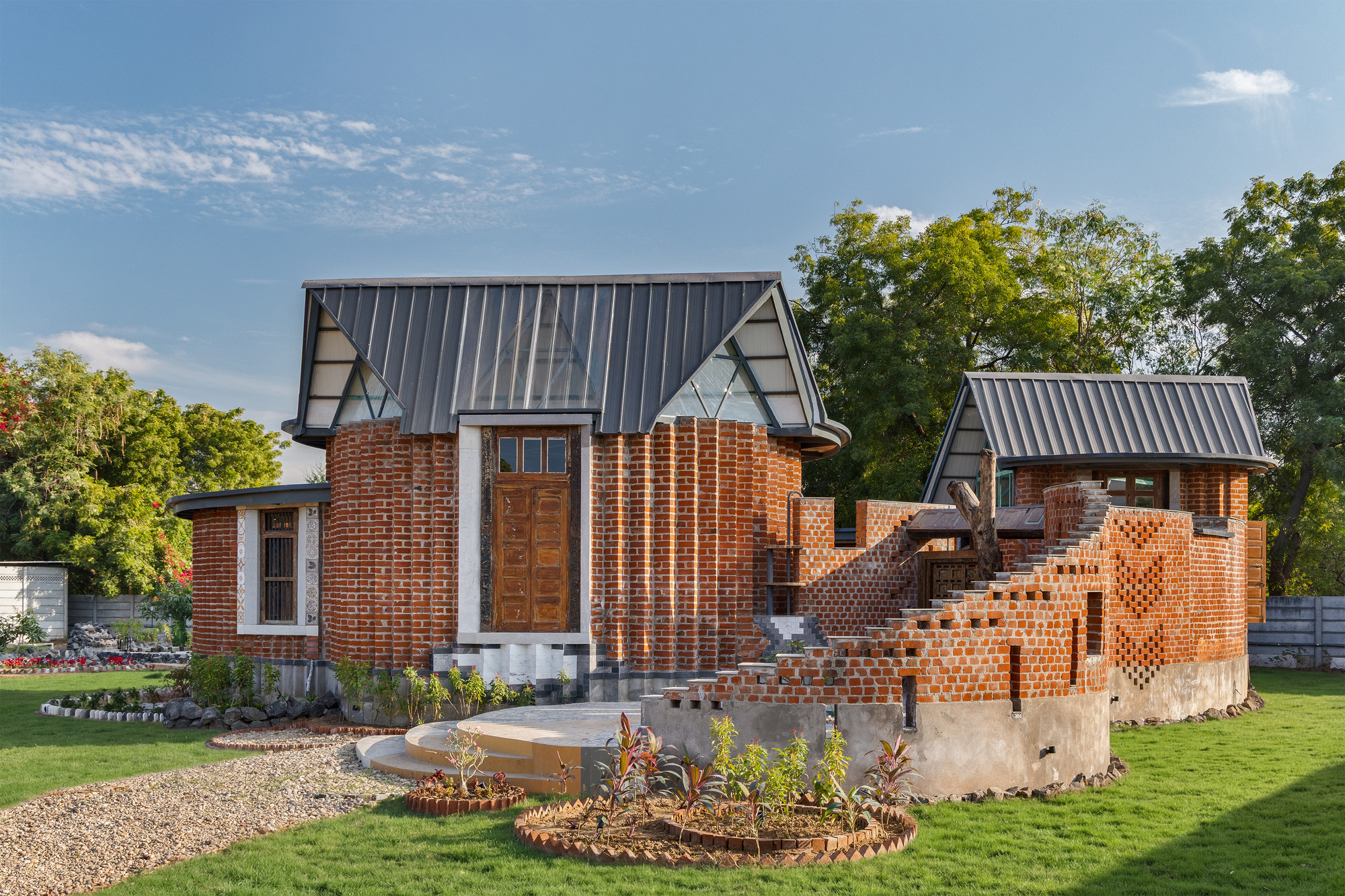
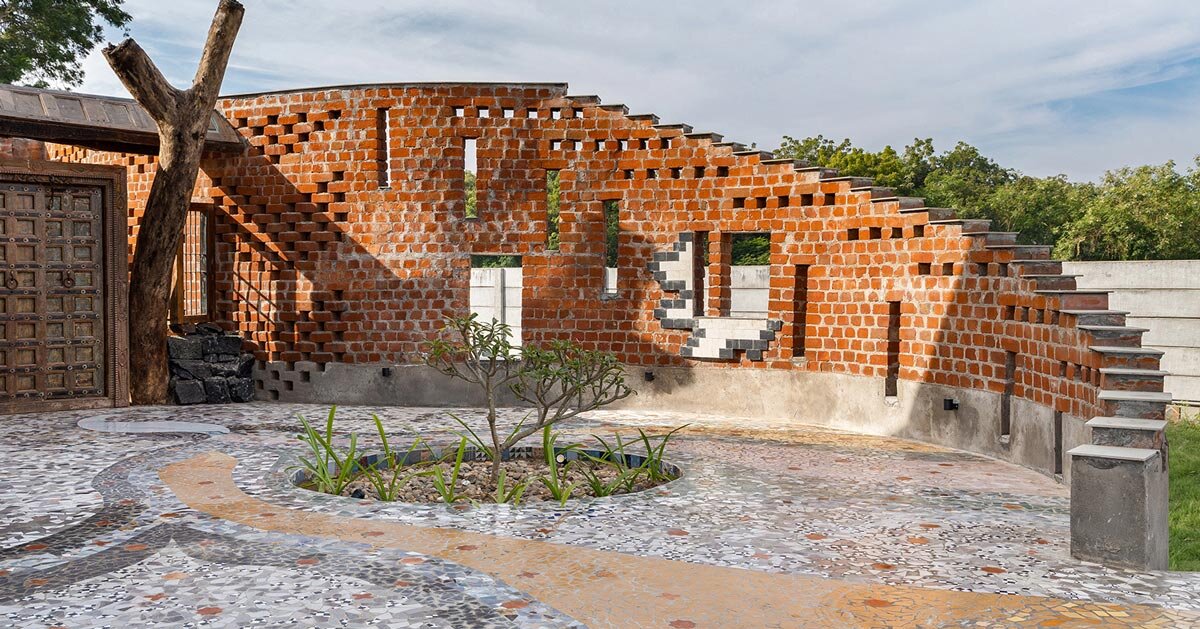
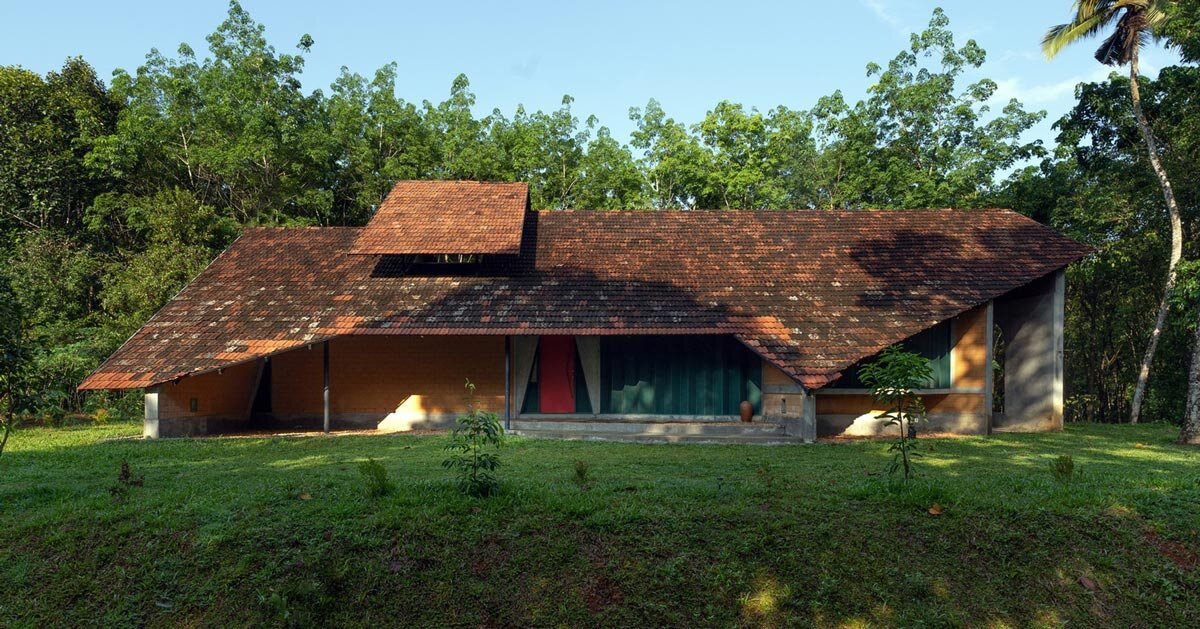
A sustainable farmhouse retreat on Vadodara's outskirts integrates ecological design principles through innovative material use and spatial openness, transforming construction efficiency into expressive architecture.
Renovation
fromdesignboom | architecture & design magazine
1 month agoalsar-atelier repurposes raw construction materials as reversible enclosed exhibition booth
Alsar-Atelier's pallet installation demonstrates how temporary exhibition architecture can achieve ornamental quality while remaining fully disassemblable and reusable, reducing waste through reversible design.
fromColossal
1 month agoInside the Sacred Valley Ceramics Studio Referencing Ancient Peruvian Practices
It is not about reproducing the past but about engaging in dialogue with it. We apply the same level of care and rigor to all pieces. Many of our utilitarian pieces have a strong sculptural quality, and several of the more artistic works originate from everyday forms and functions. We do not establish rigid boundaries between these categories; all are part of the same vision.
Arts
fromdesignboom | architecture & design magazine
1 month agocan desert sand with plant-based materials be used to build houses and roads?
Researchers at the Norwegian University of Science and Technology and the University of Tokyo have made a prototype of botanical cement made of desert sand and plant-based additives in hopes that it can be used to build houses and roads. Once mixed, the team adds tiny pieces of wood together and presses them all with heat to produce the cement.
Science
fromCN Traveller
2 months agoThis underrated Mexican city's artisans have transformed their home into a shopaholic's paradise
Traveller check into hotels for easy access to historical Mayan sites and the cenotes beyond, with ambles through colourful squares and late, balmy nights digesting feasts over tequila tipples. Between cultural excursions and natural wonders, however, there's much to be said for the artisans in these parts. From crafted perfumes to handmade chocolates, these are the gifts and trinkets to make space for in your luggage.
Food & drink
fromwww.kaltblut-magazine.com
2 months agoThe Rural Cut
The Rural Cut places vintage fashion in Lebanon's Bekaa Valley, among vineyards, open fields, and the animals that inhabit the land. As a Beirut-based stylist, I worked with a fully Lebanese team to create a shoot that feels authentic, where each garment and every frame reflects the textures, history, and rhythm of the rural landscape. Photography by Angele Basile / Instagram: @angelebasile Styling by Rinad Saad / Instagram: @rinaaaaddd
Fashion & style
Remodel
fromdesignboom | architecture & design magazine
1 month agohaniyasu house: AATISMO renovates home for ceramic artists with cavernous clay additions
AATISMO's Haniyasu House unites two-generation ceramic living and making in a low, earthen, open-plan home closely integrated with Kamakura's slope and soil.
Environment
fromwww.theguardian.com
1 month agoWe can learn from the old': how architects are returning to the earth to build homes for the future
Unstabilised rammed earth provides a low-carbon, locally sourced building method with thermal mass, moisture control and potential for circular construction.
fromdesignboom | architecture & design magazine
1 month agothousands of reclaimed bricks shape rural residence amid agricultural fields in india
Located on the outskirts of Mayiladuthurai in Tamil Nadu, , Paati Veedu by Koodu Architecture is a compact rural developed under financial constraint and material limitation. Built on a 1,200-sqft site within a neighborhood of small houses and agricultural fields, the project is defined by , adaptation, and resource-conscious construction. The house was constructed using 10,000 accumulated over time by the client, forming the primary material basis for the design.
Design
fromwww.tastingtable.com
2 months agoThe Thrift Store Kitchenware Find People Are Transforming Into Stunning Art
One of our favorite kitchen trends to follow this year is the shift away from minimalism toward personalized, eclectic style. That means mixing and matching vintage and modern kitchen items, layering assorted textures, adding pops of pattern and color, and leaning into more unique expressions of your preferred aesthetics. Not only will this approach make you happier to be in your kitchen, but it can be its own new hobby.
Remodel
fromdesignboom | architecture & design magazine
2 months agowallmakers sculpts sinuous kulhad pavilion from disused terracotta cups in india
Kulhads, also known as terracotta mud cups, once defined the everyday ritual of tea at railway stations across India. Used briefly and discarded soon after, they accumulated along tracks and coastlines, leaving a quiet record of consumption. For this pavilion, more than 18,000 of these cups were gathered from local communities in Dharavi and reused as a building material with structural purpose.
Design
fromColossal
1 month agoIn Collaboration with Indigenous Artisans Around the World, PET Lamp Emphasizes Sustainability
Tons upon tons of these single-use plastics end up in landfills or even floating in the ocean. Spanish design firm PET Lamp set out give another purpose to these otherwise short-lived materials. Partnering with artisans in communities from Chile to Ethiopia to Australia, the company celebrates both Indigeneity and sustainability, drawing upon time-honored global craft traditions while supporting local economies and recycling discarded materials.
Arts
fromColossal
2 months agoTraditional Indian Basketweaving Techniques Translate into Contemporary Installations
From a single material, a Hyderabad-based design studio creates a wide range of site-specific installations, furnishings, and decor. It's all in the name of the firm, The Wicker Story, which was founded in 2019 by architect Priyanka Narula. Capable of being formed into everything from abstract constructions to functional objects, the natural material lends itself a huge variety of pieces that vary in size and complexity.
Design
Design
fromdesignboom | architecture & design magazine
1 month agoturquoise resin reimagines peruvian clay whistling vessels for vicus collection
VICÚS reinterprets ancestral Vicús ceramics as translucent resin sculptures that fuse pre-Hispanic forms, shared Mexican–Peruvian craft practices, and familial cultural continuity.
fromdesignboom | architecture & design magazine
1 month agoeila by MOFA studio realizes biomorphic art retreat in india through fluid architecture
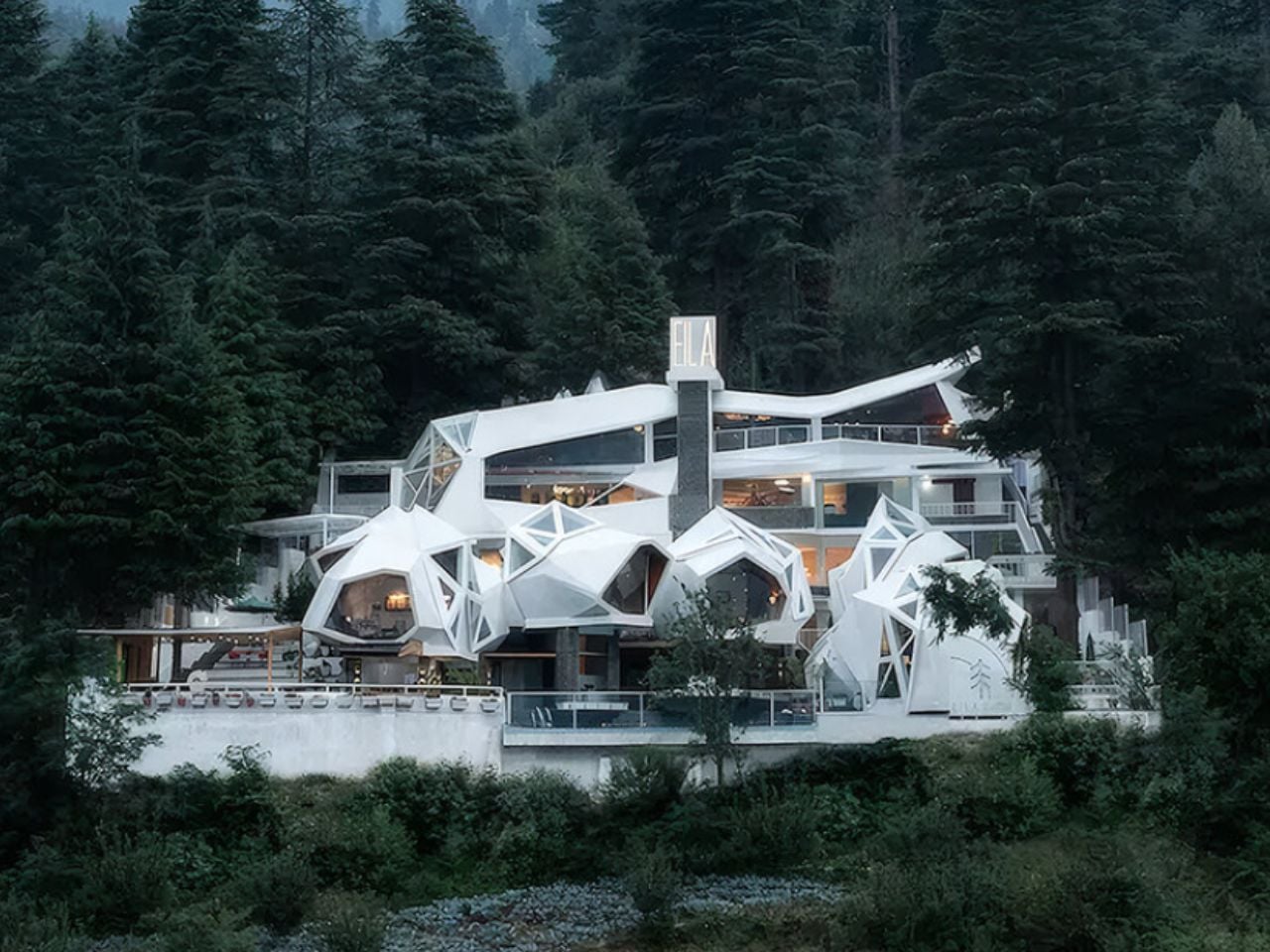
Perched on a steep hillside overlooking Naggar valley in Himachal Pradesh, India, Eila is an art retreat that functions as an extension to the terrain rather than a static object. Designed by MOFA Studio, the project champions fluid architecture through advanced computational design, realizing a structure that mimics the landscape. The site's masterplan adopts a stepped strategy that preserves topsoil and rainwater runways, organizing the resort as a gradual, terraced descent.
Design
[ Load more ]