#thai-grown-coffee
#thai-grown-coffee
[ follow ]
#coffee-industry #specialty-coffee #coffee #coffee-brewing #sustainability #agriculture #cafe-design
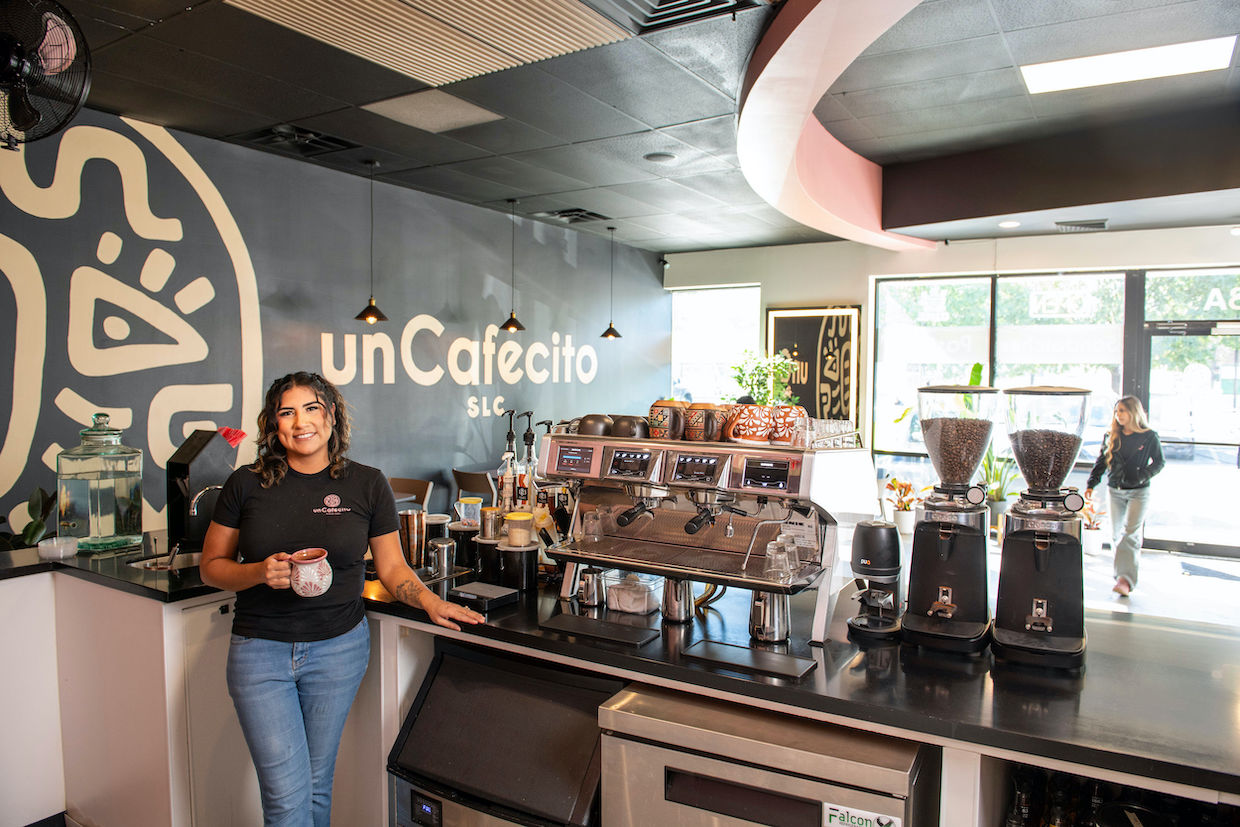
fromDaily Coffee News by Roast Magazine
1 week agoThree Questions with University of Kentucky Coffee Lab's David Gonthier
The curriculum leads to a 'Coffee, Science and Culture' certificate, anchored by two new courses: COF 301 'Not Just Coffee' and COF 302 'Coffee Sensory Science.' The first course delves into the history of coffee, while the second offers hands-on coffee tasting experiences.
Higher education
#coffee-industry
Coffee
fromDaily Coffee News by Roast Magazine
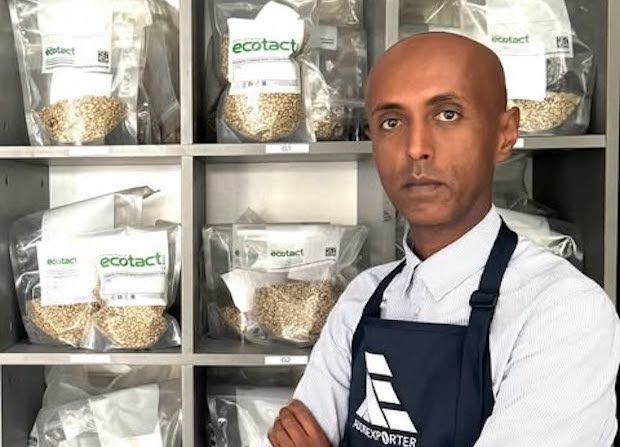
4 days agoMajor Traders Agree on Two 'Principles of Procurement' to Improve Coffee Sector Sustainability
Major coffee traders and roasters have established principles to enhance the economic viability of coffee farmers through strategic partnerships and sustainable production support.

Coffee
fromDaily Coffee News by Roast Magazine
4 days agoMajor Traders Agree on Two 'Principles of Procurement' to Improve Coffee Sector Sustainability
Major coffee traders and roasters have established principles to enhance the economic viability of coffee farmers through strategic partnerships and sustainable production support.
fromDaily Coffee News by Roast Magazine
5 days agoSCA's World of Coffee Heading to New Orleans in 2027
"By hosting World of Coffee and the World Coffee Roasting Championship together in New Orleans, we're creating a powerful platform to elevate craft, unlock opportunity and drive the industry forward through shared knowledge and innovation."
Coffee


#coffee
fromDaily Coffee News by Roast Magazine
1 month agoCoffee
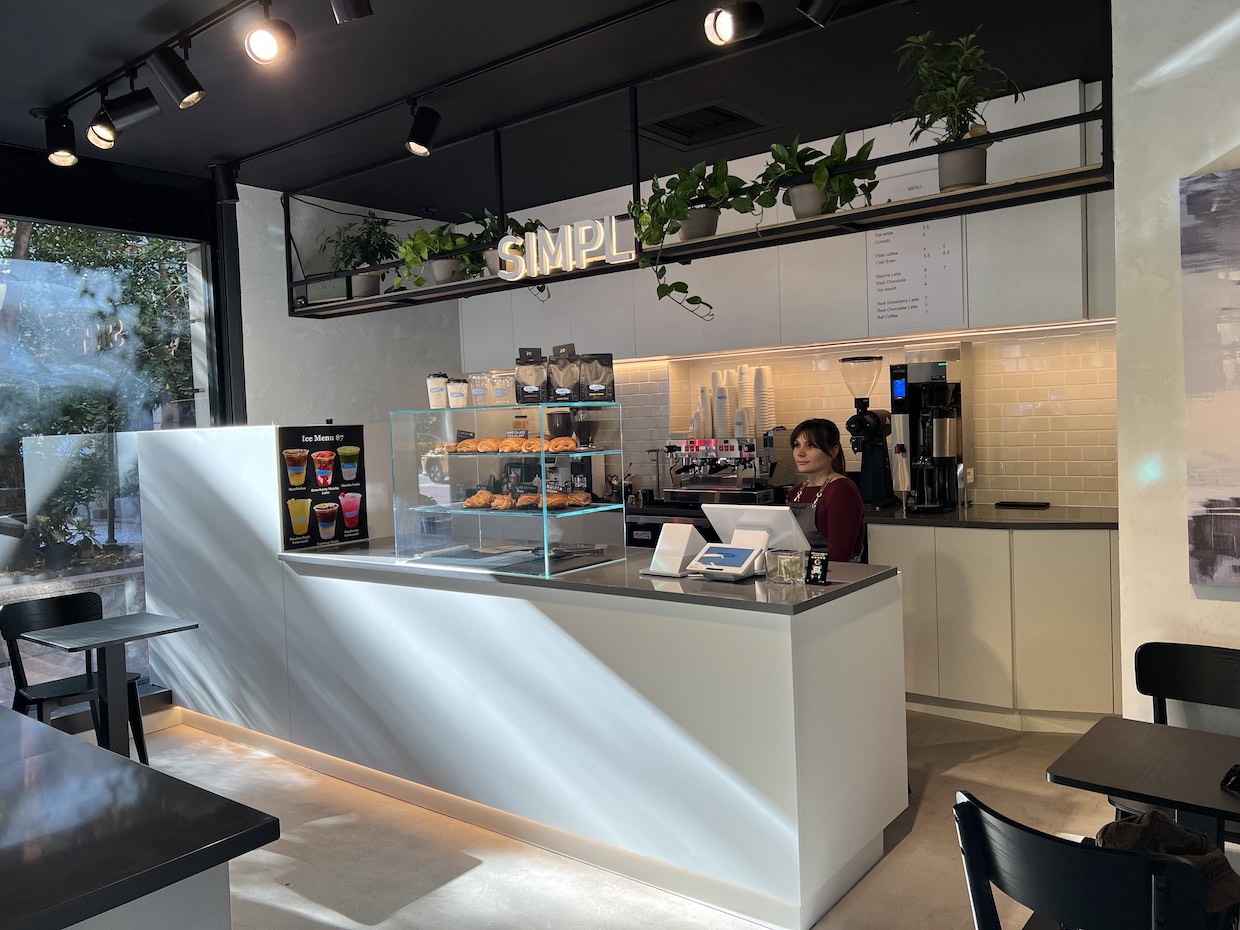
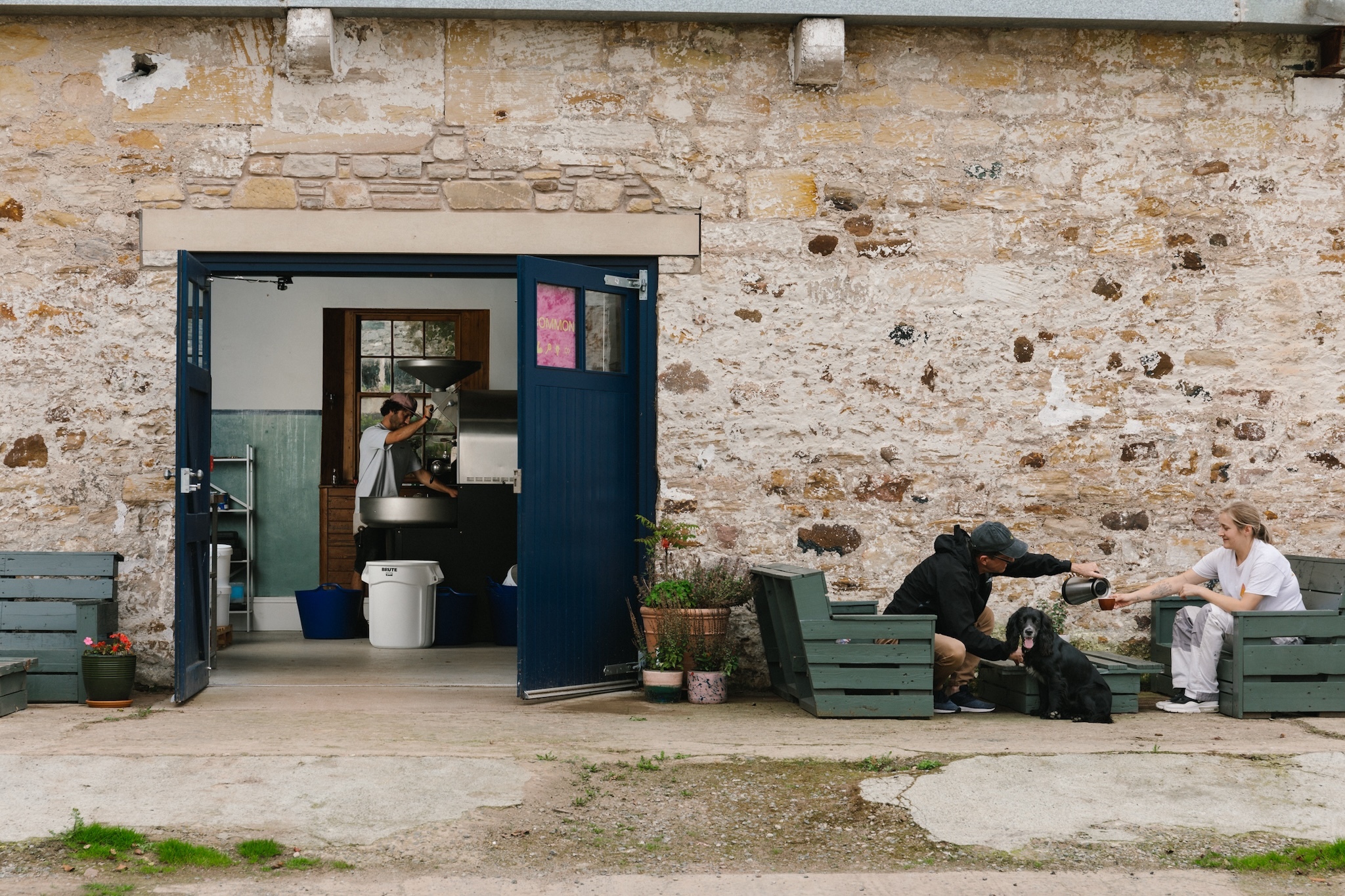
With Deep Experience, Simpl Coffee Makes it Look Easy in Manhattan
Simpl Coffee delivers minimalist, detail-driven Ukrainian-rooted cafe design and operational stability in Midtown Manhattan, prioritizing consistent coffee quality and honest finishes.

Travel
fromTravel + Leisure
1 month agoI Visited One of Thailand's Oldest Organic Tea Farms-and It Was One of the Most Moving Travel Experiences I've Had
Araksa Tea Garden produces organically certified, sustainably grown Thai 'jungle tea' and Assam hybrids at high elevation using skilled hand-plucking and traditional processing.
fromTasting Table
2 months agoHow To Make A Chai Latte At Home That Tastes Like It Came From A Coffee Shop - Tasting Table
"Fresh spices and proper simmering time make all the difference," instructs Chan. As tempting as it might be to sprinkle powdered spices into a pot, Chan directs chai lovers to first simmer your chosen whole spices with black tea. Use all or some of an assortment of cinnamon, cardamom, cloves, ginger, and peppercorns and warm them up in a pan with the tea, then steamed milk and sweetener can then enter the picture.
Food & drink
Coffee
fromDaily Coffee News by Roast Magazine
2 weeks agoA Guide to Indonesian Coffee Cultivars and Varieties
Indonesia ranks among the world's top five coffee producers, with a unique history spanning from Dutch colonial introduction in 1699 to modern cultivation of diverse resistant varieties across its archipelago.
fromTasting Table
2 months agoAdding A Bit Of This Unexpected Oil Could Be Exactly What Your Coffee Needs - Tasting Table
When Japanese sesame oil brand Kadoya Seiyu demonstrated that combining sesame oil and coffee is an option, foodies took notice. The unexpected addition can lend a creamy, smooth texture to a regularly prepared cup of Joe, and the smell of this combination will greet you before the first sip reaches your lips. As added incentive to experiment with this unique duo, sesame oil boasts a line-up of promising health benefits.
Food & drink
fromwww.theguardian.com
2 weeks agoA robust future? Why Brazil's bitter' coffee is thriving as the climate crisis hits global crops
When the Paiter Surui community expelled the last invaders of their land in 1981, they faced a divisive decision. Should they keep the coffee plantations left by the colonisers? Some destroyed them because of the death and violence contact with the non-Indigenous world had caused. Others felt sorry for the trees and couldn't kill them.
Coffee
#coffee-brewing


Coffee
fromWIRED
3 weeks agoI Regret to Inform You That You're Using an Inferior Pour-Over Coffee Brewer
The Kalita Wave flatbed pour-over brewer produces consistently excellent coffee with minimal technique required, unlike traditional cone-shaped drippers that demand precise grind size, water temperature, and pouring technique.
fromDaily Coffee News by Roast Magazine
3 weeks agoU.N. Officially Designates Oct. 1 International Coffee Day
The UN General Assembly adopted the resolution March 10, while inviting the UN Food and Agriculture Organization (FAO) to help facilitate the annual observance in collaboration with relevant organizations, particularly the International Coffee Organization (ICO).
Coffee
fromWIRED
3 weeks agoMy Favorite Piece of Coffee Gear Makes Me Do All the Work, and That's Why I Love It
Where larger, electric espresso machines generate the pressure and heat needed for espresso inside their massive housings, the Flair takes a different approach. A large lever sits atop a small stack of brewing equipment, and you use that lever to create the bars of pressure necessary to get espresso. There's a chamber for your grounds and another atop it for hot water.
Coffee
Coffee
fromWIRED
3 weeks agoAeroPress Coffee Is Superb When I'm Traveling, but I Use Mine Even When I Stay Home
The AeroPress is a portable, versatile coffee brewer that produces café-quality coffee using grounds, hot water, and a paper filter, with hundreds of brewing recipes and customization options available.
fromDaily Coffee News by Roast Magazine
3 weeks agoToast Report Shows Lattes Rising as Drip Coffee and Cold Brew Slip
Toast said the analysis is based on same-store restaurant sales from January 2024 through December 2025 across a cohort on its platform, which served about 164,000 locations as of Dec. 31, 2025. The biggest declines through 2025 were found in green tea (-4.9%), black tea (-3.4%), hot drip coffee (-3.3%) and regular soda (-2.3%).
Coffee
fromTasting Table
3 weeks agoDecaf Coffee Gets A Bad Reputation. Here's Why It Shouldn't - Tasting Table
A good cup of coffee (decaf included) delivers on all fronts: Flavor, acidity, body, sweetness, and balance, aka The Pleasure Principle. The infamously-snobbish coffee élite might maintain that decaf drinkers aren't "real coffee fans." But, as a veteran barista, I would argue that the opposite is actually true: Only the most diehard bean-heads tread decaf domain.
Coffee
Coffee
fromDaily Coffee News by Roast Magazine
3 weeks agoUSDA Report Projects Growth of Brazilian Specialty Coffee Despite Market Whiplash
Brazil's specialty coffee sector faces tariff pressures, supply constraints, and shifting buyer demands while adopting new international quality assessment standards.
fromWIRED
3 weeks agoI Test Many Coffee Machines for a Living. This One Gets to Stay
My denomination is good, old-fashioned drip coffee. That's what I drink first thing, before I even think about crafting a shot of espresso. I'm WIRED's lead coffee writer and I've developed a deep fondness for coffee's many variations, from espresso to Aeropress to cold brew. But "coffee" to me, in my deepest soul, still means a steaming mug of unadulterated drip.
Coffee
Coffee
fromDaily Coffee News by Roast Magazine
4 weeks agoOpinion: On Sugar-Laden Coffee in the MAHA Crosshairs
Large U.S. coffee chains increasingly sell sugar-laden beverages marketed as seasonal drinks, with some containing over 115 grams of sugar, prompting health officials to question their safety.
fromDaily Coffee News by Roast Magazine
1 month agoBarista Magazine Hosting Camp Coffee Shop in Napa
Camp Coffee Shop offers a level of access and connection you just can't get at a big trade show. Instead of rushing between crowded booths and packed lectures, attendees spend real time working through their own business challenges with instructors and peers.
Coffee

fromTasting Table
1 month ago8 Popular Coffee Chain Lattes, Ranked - Tasting Table
Whether you prefer a classic flavor like caramel or want something a bit more unique like French toast, we tried to cover the gamut of flavors. We ranked each latte based on how accurate the flavor was to its description and its overall sweetness level (meaning, was it a pure sugar bomb or was espresso the only flavor present? - balance is key) to crown the best of the best.
Coffee
fromThe Bold Italic
1 month agoMy favorite coffee shops in San Francisco
For many of us, surviving San Francisco requires thick skin, a rent-controlled apartment, and a real healthy dose of caffeine. Getting into the SF coffee scene is like joining a very caffeinated cult; you just have to pick your flavor. These are our picks. Hedge 434 Shotwell St, San Francisco, CA 94110 Visit their website Nob Hill (Flagship): 1030 Washington St, San Francisco, CA 94108 Inner Richmond: 1737 Balboa St, San Francisco, CA 94121
Coffee
Coffee
fromDaily Coffee News by Roast Magazine
1 month agoMill City Roasters Unveils M-Series Machines with In-House Fabrication
Mill City Roasters launched the M-Series roasters (6 kg, 10 kg, 20 kg) combining extensive in-house fabrication, a thermal "monolithic chassis," shaftless drums, and RoastPath automation.
Coffee
fromConde Nast Traveler
2 months agoVietnamese Coffee Is More Than Just One Thing-Here's Where to Try It All in Hanoi
Distinct Hanoi cafes combine immersive, communal interiors and focused specialties—sticky-note-covered social spaces and a 90-year-old shop serving thick iced yogurt coffee—alongside scenic lakefront seating.
fromTasting Table
2 months agoAs A Former Barista, These Are My Favorite Coffee Shops In Denver - Tasting Table
For me, cafes have long represented more than just necessary fuel to start the day. They are a place to relax, create, and connect, whether that be to yourself, the local environment, or friends. As a food scientist and professional baker who's worked as a barista, good coffee and pastries are also undoubtedly important - don't get me wrong. The best cafes not only invite you in; they invite you to stay.
Coffee
fromTasting Table
2 months agoThe 4 Coffee Bean Types, Explained - Tasting Table
For a lot of consumers, this is true. The shelves of your local market are stocked with bags of different types of coffee roasts, and any café you frequent likely has a long list of different types of coffee drinks that you can order, but for the most part the actual species of coffee that you buy is not part of the equation.
Coffee
Coffee
fromDaily Coffee News by Roast Magazine
1 month agoSpin the Wheel at Counter Culture Coffee's New Brewing Competition Brewlette
Counter Culture Coffee launches Brewlette, a free regional manual-brewing competition using randomized TDS targets and blind taste judging to broaden participation and teach TDS.
fromTasting Table
2 months ago8 Fast-Growing Coffee Chains You Could Spot Near You Soon - Tasting Table
From Midwest-based franchises to beloved West Coast establishments, there are a handful of regional coffee chains that seem to be racing to open shops in as many areas as possible. Whether these franchises have been open for five years or 30 years, expansion has been top of mind for each one. Even if you aren't someone who frequents chain establishments of any sort, you'll likely find something to love about these brands, from their attention to customer experience to their high-quality beverages.
Coffee
fromDaily Coffee News by Roast Magazine
1 month agoUC Davis Library Adds Three Major Collections on Coffee
As the beverage we all know and love, coffee is beautifully fleeting, reflecting seasonality and the specific work of many hands from seed to cup. Yet as an industry, coffee has advanced to become the stuff of institutional archival preservation. On the latter front, the UC Davis Library says it has received three major coffee-related collections adding to its existing coffee-focused archives.
Coffee
fromwww.theguardian.com
1 month agoFrothing over: the coffee foams and indulgent' drinks keeping Australian cafes afloat
Coffee brimming with lemon myrtle cream. Matcha banked with strawberry-lychee foam. Cold brew with choc-orange froth thick enough to stuff a pillow. Every caffeinated drink I've ordered in Sydney recently has the appearance of a generously frosted cake. It's a trend you'll see or sip across Australia, from Toasted Carine's iced latte with maple cold foam in Perth to Le Bajo's chilled oolong tea with raspberry cream in Melbourne.
Coffee
fromDaily Coffee News by Roast Magazine
1 month agoPassenger Coffee Releases Coffee Harvested 10 Years Ago
In a move that challenges both quality control and marketing norms in specialty coffee, Pennsylvania-based roaster Passenger Coffee is releasing a high-end coffee harvested 10 years ago. The company described this week's release of a Kenya Kiriani Peaberry from the 2016 harvest - frozen as green coffee at peak freshness - as "proof of concept" for its long-term green coffee freezing program.
Coffee
fromTasting Table
2 months agoHow To Keep Ground Coffee Fresh - Tasting Table
Ideally, you should use your coffee right away after grinding, as ground coffee starts to go stale faster than you'd think. "If using pre-ground coffee, it should be consumed within two to three days for the best flavor. After that, much of the flavor complexity and compounds will fade," Chan explained. While you might be able to extend that an another week or two, don't forget: the refrigerator isn't a good long term option for storing coffee.
Coffee
fromTasting Table
2 months agoWhy Quality Matters More When You're Making Iced Coffee With Instant Coffee - Tasting Table
Iced coffee is a morning must for most people. However, those regular trips to Starbucks, your favorite local coffee shop, or even making it from pricey beans at home may not be doing your wallet any favors. Luckily, you don't have to cut iced coffee out of your life cold turkey to save a couple of bucks; you can just switch to a thriftier and more convenient alternative: instant coffee.
Coffee
[ Load more ]