Environment
fromArchDaily
7 hours agoHow Terraco Enhances Thermal Efficiency and Facade Longevity in Prefabricated Buildings
The global offsite construction market is projected to grow from USD 172 billion in 2024 to USD 225.7 billion by 2030.
The #6 symbol on the foam container only tells you what kind of plastic it is, not if it can be recycled. If you put it in the bin just because you see a number and the recycling arrows, it can actually contaminate your other recyclables, like paper, cardboard, and aluminum, and might cause the whole batch to be rejected.
In the nineteenth century, entire railway networks became obsolete almost overnight, not due to physical deterioration, but because of changes in the technical standards that supported them. The expansion of railroads across Europe and North America adopted different track gauges, and as a dominant standard gradually emerged, these infrastructures became incompatible with one another.
Most water filter pitchers are made of BPA-free plastic. But as new research shows that bottled-water drinkers ingest tens of thousands of excess microplastic particles, wellness lovers have begun to look askance at water filters that are themselves made of plastic.
Industrial adhesives play a key role in modern assembly because they help manufacturers create secure connections while maintaining efficient production. When used correctly, they can improve product quality, support cleaner assembly, and contribute to more consistent manufacturing outcomes.
The body of the robotic fingers is built from polyglycerol sebacate, a synthetic elastomer made from glycerol and sebacic acid. Glycerol is a byproduct of biodiesel production while sebacic acid is derived from castor oil, and both of them are plant-based. Polyglycerol sebacate is safe since it is already used in medical implants because the body can absorb it without a toxic response.
Perforated metal has long been valued for its strength, versatility, and clean visual appeal. Created by punching patterns of holes into metal sheets, it offers a practical balance between airflow, light control, and structural support. Across industries such as architecture, construction, mining, and interior design, perforated metal has become a go-to material for projects that require both function and style.
By bricking your plastic, the company claims it'll no longer jam recycling equipment the way individual plastic bags often do. Just feed your plastics into this 61-pound bin and watch them magically disappear into its whirring slot. Wait for it to spit out a brick weeks later, drop it into a supplied bag, and let the US Postal Service whisk your guilt away.
Crude oil is a complex mixture of hydrocarbons - molecules made mainly of carbon and hydrogen. Refineries and chemical plants separate and transform these molecules into smaller chemical building blocks known as petrochemicals. Some of the most important petrochemical building blocks include chemicals such as ethylene, propylene and benzene.
Photovoltaic (PV) solar energy represents a modular technology that can be manufactured in large-scale facilities, generating economies of scale, while also being adaptable to small-scale applications. From residential rooftop systems to large-scale power generation installations, photovoltaic solar energy has established itself as a cost-effective option for electricity production in many countries around the world.
According to the outlet SlashGear, the neighborhood encompasses five 1,000-square-foot houses just north of Sacramento. Each domicile is produced by a hulking concrete printer worth about $1.5 million, which took about 24 days to spit out the first house. In the future, 4Dify expects the whole process to take about 10 days, but that isn't what's astonishing about the Yuba County neighborhood - it's the price tag.
Thermal modification is not a new invention, but its relevance has increased as expectations around performance, sustainability, and predictability have tightened. Developers, architects, and contractors are no longer just asking whether timber looks good or performs well initially. They want to know how it behaves after ten, twenty, or thirty years, and how much risk it introduces into a project once the scaffolding is gone.
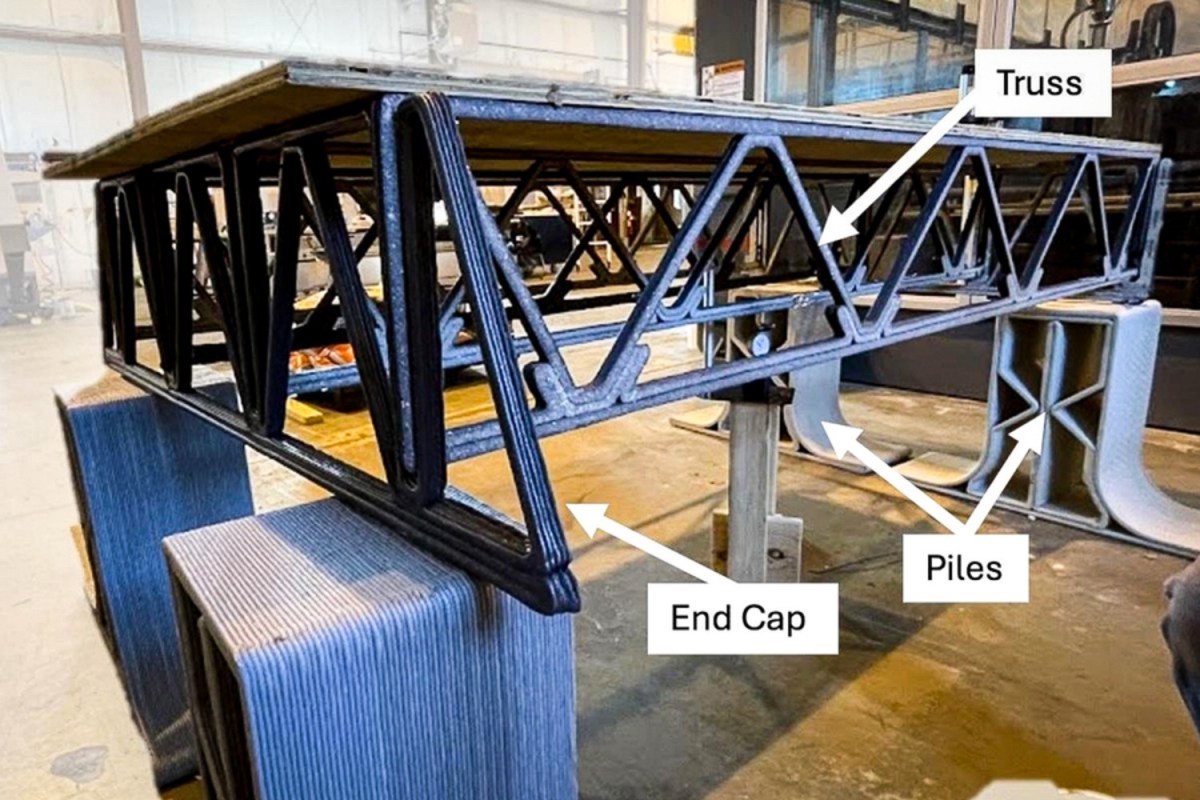
Traditional construction is often marked by inefficiencies like material waste, labor intensity, and long project timelines that push up the final cost per square foot. In contrast, 3D printing, or Additive Manufacturing in Construction (AMC), introduces a fundamentally different approach, shifting from subtractive to additive building processes. Its central ambition is to make housing more accessible by lowering material and labor costs while enabling faster delivery of structurally sound, architecturally considered homes.
It's likely that you've encountered recycled glass countertops without realizing it. They're far from the hippie-style broken-glass mosaic art of yesteryear, instead presenting as sleek, highly polished, professional slabs with intriguing bits of confetti-style color trapped inside. That's the recovered glass bits set into a binding material such as resin, cement, or concrete, and then smoothly polished so that the composite surface feels like stone.
Tesla has confirmed that it is now producing both the anode and cathode of its 4680 battery cells using a dry-electrode process, marking a key breakthrough in a technology the company has been working to industrialize for years. The update, disclosed in Tesla's Q4 and FY 2025 update letter, suggests the company has finally resolved one of the most challenging aspects of its next-generation battery cells.
This corn-based construction material was made by Manufactura, a Mexican sustainable materials company, and it imagines a second life for waste from the most widely produced grain in the world. The project started as an invitation by chef Jorge Armando, the founder of catering brand Taco Kween Berlin, to find ways he could reintegrate waste generated by his taqueria into architecture. A team led by designer Dinorah Schulte created corncretl during a residency last year in Massa Lombarda, Italy.
the automation of heavy machinery enabled plants to operate continuously, increasing productivity and revenue. The downside was that any small hiccup was acutely felt, cascading through the production line. At first, it was assumed that inadequate lubrication of factory equipment was causing parts to seize up or break apart. And so, the Lubrication and Wear Group of the Institution of Mechanical Engineers, along with the Iron
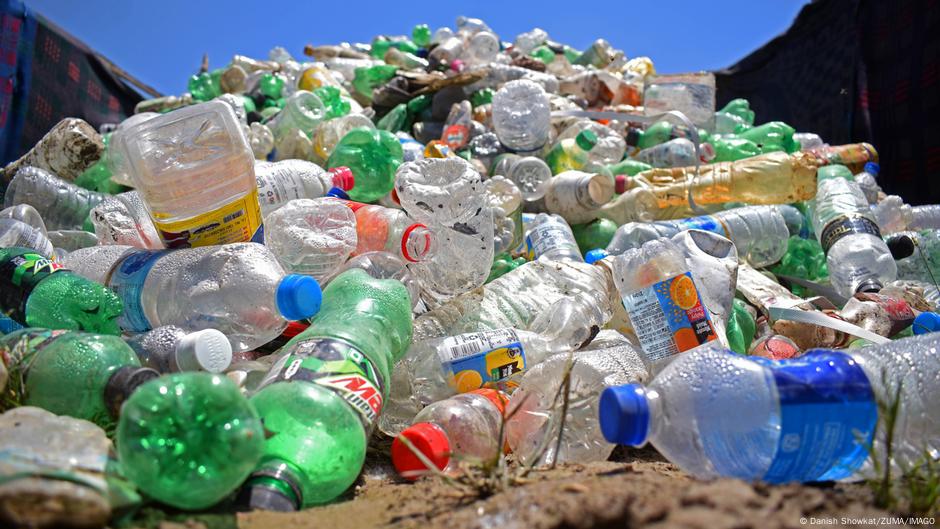
Black plastic gets its color from carbon black pigment and is commonly used in food containers, such as meat or produce trays and take-out containers, as well as disposable coffee lids, plastic bags, and hard plastic items like DVD cases and planters. While plastic is one of the categories of things that we are encouraged to recycle - when we can't reuse or repurpose it - not all black plastic items can be recycled.
When the battery starts discharging, the sulfur at the cathode starts losing electrons and forming sulfur tetrachloride (SCl 4), using chloride it stole from the electrolyte. As the electrons flow into the anode, they combine with the sodium, which plates onto the aluminum, forming a layer of sodium metal. Obviously, this wouldn't work with an aqueous electrolyte, given how powerfully sodium reacts with water.
One of the earliest large-scale examples of composite materials can be found in the Great Wall of China, where stone, clay bricks, and organic fibers such as reeds and willow branches were blended to create a resilient and lasting structure. These early techniques reveal a timeless intuition: distinct materials, when combined thoughtfully, produce properties unattainable by any single element.
From the large industrial roofs and galleries of the 19th century to the contemporary atriums of museums and public buildings, glass has been a recurring material in shaping large and monumental interior spaces. More than a technological or engineering solution, these horizontal glazed planes introduce a distinct luminous quality: light that comes from above. Unlike lateral daylight entering through façades, zenithal light is more evenly distributed, reduces harsh shadows, and lends spaces a sense of continuity and openness that is difficult to achieve otherwise.
This research-based design project by Laura Oliveira investigates discarded as a potential raw material for sustainable design applications. Human hair is produced continuously and in large quantities through everyday grooming practices, yet it is almost always treated as waste once separated from the body and typically disposed of in landfills. Despite its material properties, strength, flexibility, and durability as a keratin-based protein fiber, its remains uncommon within design and research contexts.
In a balance of aesthetics, performance, and versatility, HIMACS shows a solid surface material of choice for many architects and designers. Taking a further step forward, the entire range of standard HIMACS sinks and basins is now officially SCS certified, containing a minimum of 8% pre-consumer recycled content. This certification enhances the material's technical and visual appeal by providing a more sustainable option without compromising quality or functionality.
They write, 'through clever processing changes, this material is now stronger, more beautiful, and available in higher volumes at a lower price point.' The design remains the same with the frosted look, and this time, it can carry loads better but still lasts only as long as it's needed. After use, the bags can be placed in home compost or industrial compost systems, where they break down into healthy soil.
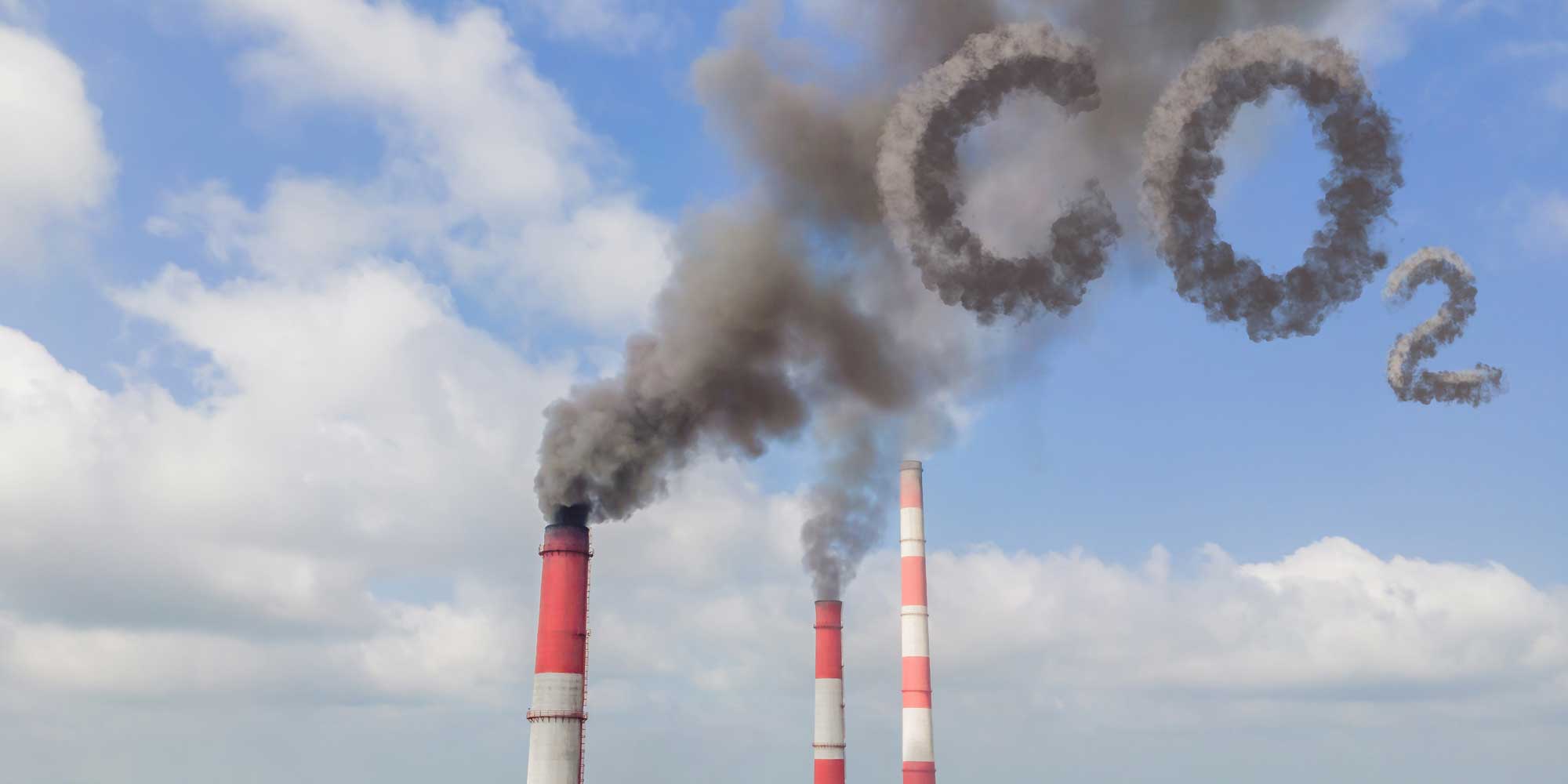
Mexico's construction sector faces significant environmental and social challenges. The widespread use of carbon-intensive materials has positioned the industry as a major contributor to national CO₂ emissions. At the same time, construction labor conditions remain unstable, with limited access to technical training and high occupational risk. CORNCRETL, developed by MANUFACTURA, proposes a circular material strategy that addresses both environmental impact and production models within the building industry.
Europe's supermarket shelves are packed with brands billing their plastic packaging as sustainable, but often only a fraction of the materials are truly recovered from waste, with the rest made from petroleum. Brands using plastic packaging from Kraft's Heinz Beanz to Mondelez's Philadelphia use materials made by the plastic manufacturing arm of the oil company Saudi Aramco. The Saudi state-owned holding opposes production cuts under the UN plastic treaty and is the world's largest corporate greenhouse-gas emitter (over 70m tonnes up to 2023).
Just like that coffee cup, eyewear is a complex fusion of materials. Metal hinges are screwed into polymer frames, which hold chemically-coated lenses. This mix of metals, plastics, and coatings means standard sorting machines cannot process them. As a result, they are rejected as contamination and sent directly to landfills, where they contribute to non-biodegradable waste. Unlike a disposable paper cup, however, a pair of sunglasses is built for durability. Its high-quality components make it a perfect candidate for repair, reuse, or reinvention.



.jpg)