#three-mile-hurdling
#three-mile-hurdling
[ follow ]
#olympics #winter-olympics #team-usa #2026-winter-olympics #athletics #track-and-field #ultrarunning


fromWIRED
4 days agoGarmin's Latest Training Features Fend Off the Advances of the Apple Watch
Food logging can be done in a few ways, including searching a database, scanning barcodes, or using AI-based camera analysis. Simpler items like eggs and fruit are identified well, but complex meals can be frustrating due to lighting and AI limitations.
Wearables


fromwww.bbc.com
3 weeks ago'I still hold the record, but Max Dowman is some player'
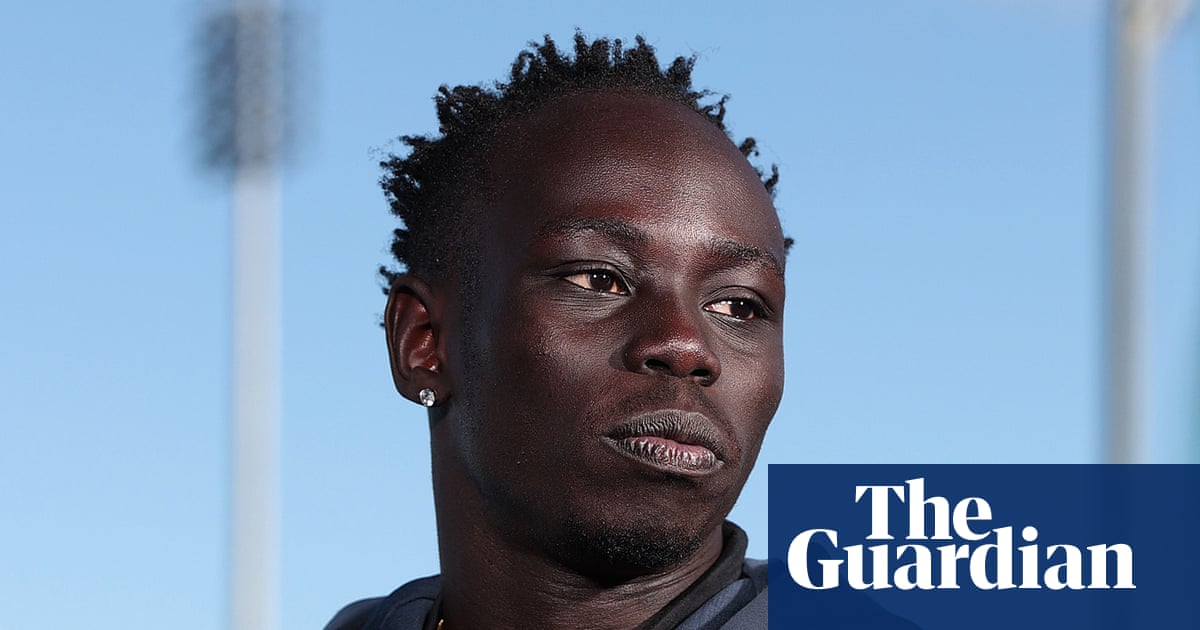
The record nearly got beaten this week by Max and records are there to be broken. How he took his goal was quite amazing - the balance, the feet, the composure and the strength. So, I may have the record, but he's going be some player.
Arsenal
Skiing
fromiRunFar
2 weeks agoA Meeting of Mountain Cultures: How the U.S.'s First Skyrunning Race Shaped the Sport
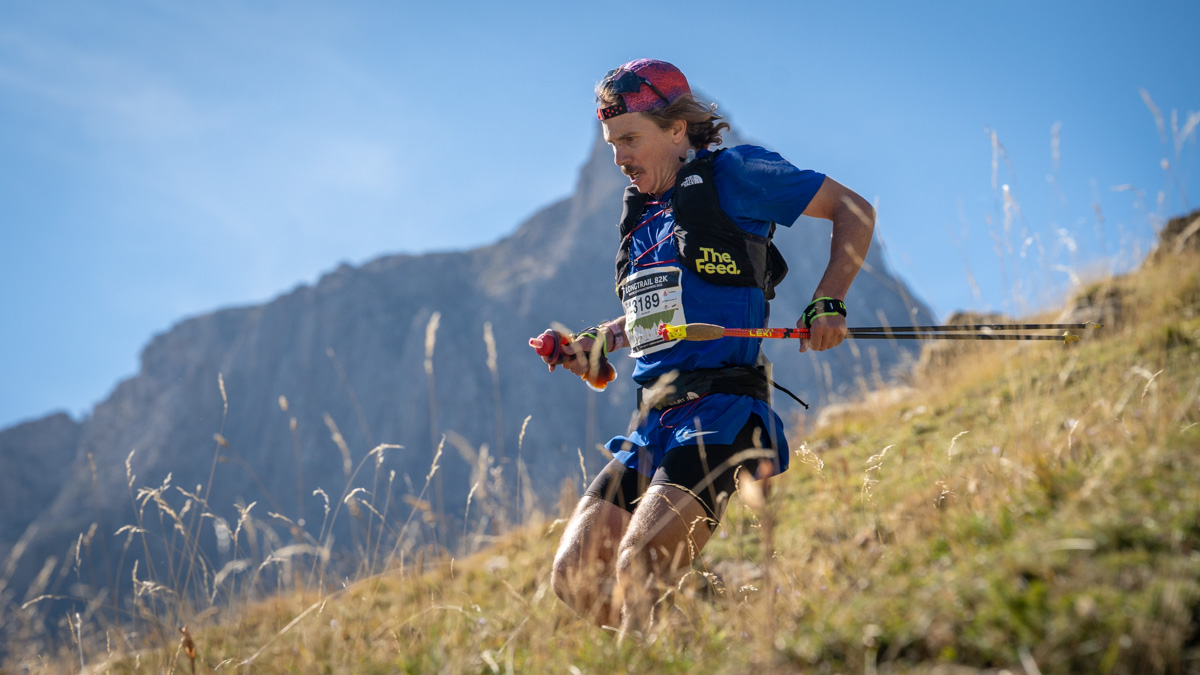
Skyrunning originated in Europe through Marino Giacometti's vision of racing up and down 4,000-meter Alpine peaks, expanding internationally to the U.S. in 1994 with distinct stylistic differences between regions.

fromSnowBrains
1 month agoIt's Time to Stop Debating & Start Putting the Bar Down - SnowBrains
I have evolved from someone who didn't think much of the bar except for resting my legs to thinking of it as an obvious life-saving precaution. Dr. Bourne shared several examples from Mammoth in which the bar could have saved lives, including the death of her former ski coach, who fell from a chairlift to his death, most likely from a medical event which may have been treatable.
Snowboarding
US news
fromwww.npr.org
1 month agoThey were led off course in a big race. But a fix is more complicated than prize money
The top three finishers in the USATF Half Marathon Championships were misdirected off course by an official race vehicle, resulting in incorrect final standings and jeopardizing their qualification for the 2026 World Road Running Championships.
Skiing
fromwww.cbc.ca
1 month agoKatie Ledecky beats Summer McIntosh in 800m freestyle showdown at Pro Swim Series meet | CBC Sports
Katie Ledecky defeated Summer McIntosh by nearly two seconds in the 800-metre freestyle at a Pro Swim Series meet, retaining her competitive advantage over the Canadian swimmer.
fromThe Atlantic
1 month agoWhat Pressure Does to an Athlete's Body
Those of us who watch the Olympics as bystanders tend to smugly judge athletes for succumbing to pressure without understanding what we even mean by the term. The first thing to know about pressure is that it has actual physical properties. Feeling it is not a sign of a too-thin veneer of character. Pressure might as well be a snakebite, given its very real qualities in the bloodstream and how it can paralyze even the strongest legs. The way to deal with pressure, and become
Science


Skiing
fromBusiness Insider
1 month agoI'm a 2-time Olympic freeski medalist. I don't drink coffee or scroll between runs.
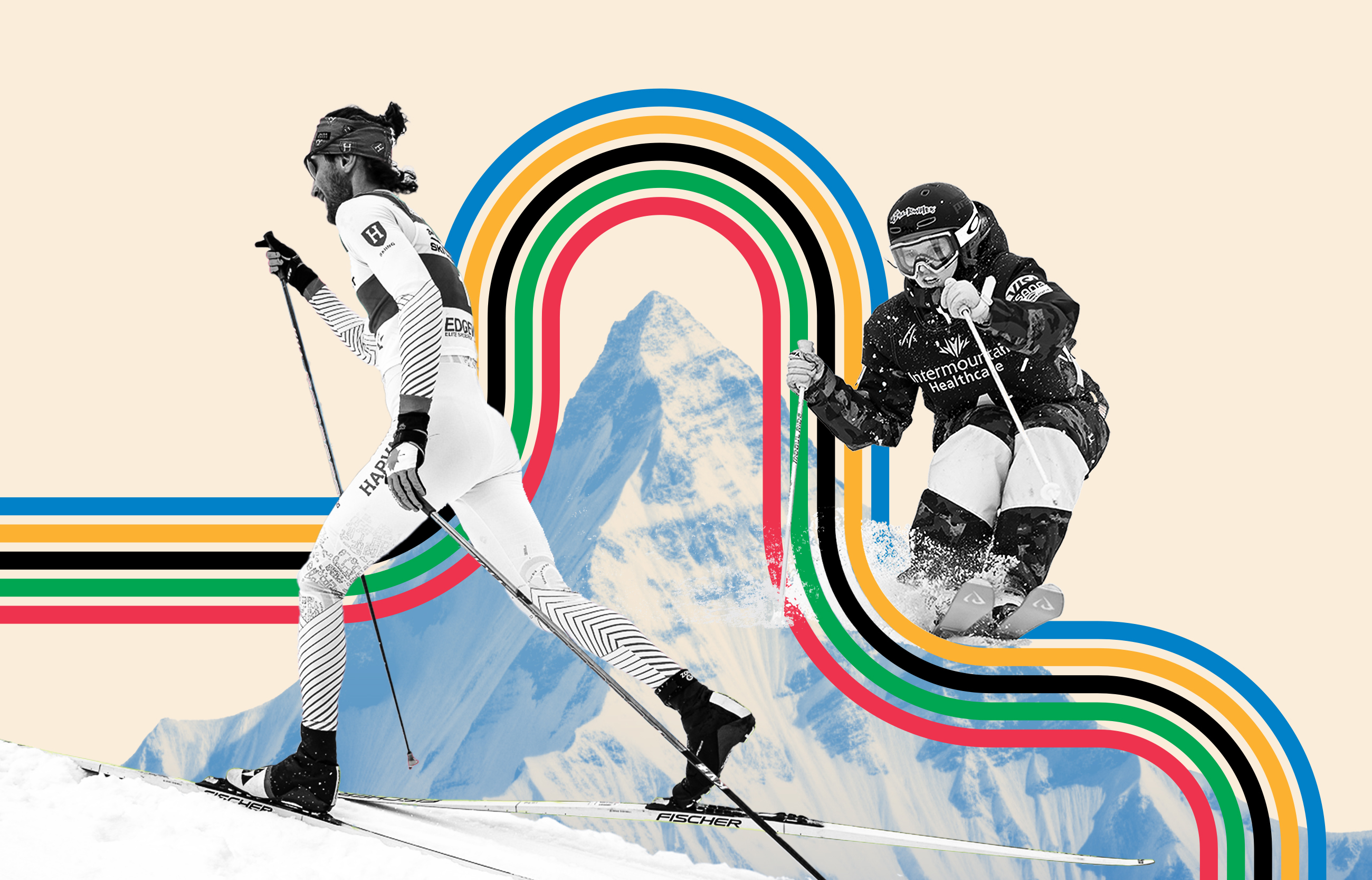
Olympic freestyle skier Alex Hall maintains a disciplined daily routine centered on early waking, shared team meals, and consistent training while traveling globally for competitions.
Running
fromiRunFar
3 weeks agoMany Small Leaps for Runnerkind: Wondering About Non-Linear Improvement in Running
Runners experience breakthrough moments where performance suddenly improves, often after returning to regular training or during consistent improvement phases, driven by accumulated physiological adaptations.
fromiRunFar
3 weeks agoAI-Powered Optimization: New Frontiers in Peak Running Performance
Super shoes and ultralight gear make a difference, but with new advancements in artificial intelligence (AI) that can look at our running form and compare it to the ideal, analyze our nutrition intake from a simple photo and help us plan our diets, and offer guidance on training and recovery, the interwovenness of technology and running is only set to increase.
Running
Brooklyn
fromBrooklyn Eagle
1 month agoPREMIUM What Olympic athletes see that viewers don't: Machine-made snow makes ski racing faster and riskier, and it's everywhere
Warming winters and limited natural snowfall are shifting cross-country skiing toward machine-made snow, altering race surfaces, training, scheduling, and athlete safety.


fromTriathlete
3 weeks agoAfter Years of Setbacks, Triathlon Returns to New York City in 2026
The New York City Triathlon was one of the sport's most iconic races. Debuting in 2001, it quickly became a bucket-list event for age-groupers and pros alike: a swim in the Hudson River, a bike up the closed West Side Highway, and a run through Central Park. At its peak as part of the Life Time Fitness Series, the race attracted up to 4,000 participants - and top names like Olympians Greg Bennett and Emma Snowsill.
Running
fromUnofficial Networks
2 months agoU.S. Olympic Ski Racer Breaks Down Snow Conditions Around The World
3-time Olympic alpine skier Tommy Ford sat down with Condé Nast Traveler to discuss the different types of snow conditions you find around the world, from the Beaver Creek in Colorado to Ushuaia, Argentina, and Lake Takapō in New Zealand. The discussion was mostly surrounding the snow conditions while racing or training, not the off-piste or regular trails that most skiers are riding, but he does touch on some other forms of snow.
Snowboarding
fromwww.mercurynews.com
1 month agoJadin O'Brien's path: A track star gets a message, and winds up part of the US Olympic bobsled team
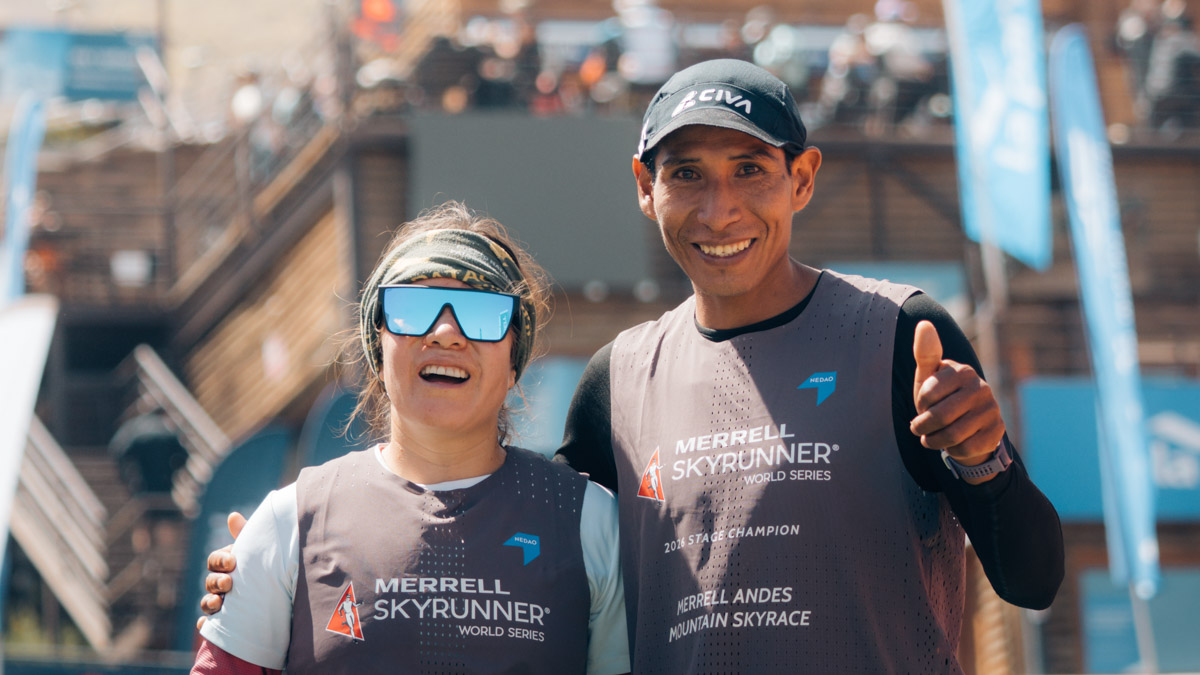
Jadin O'Brien thought she was being scammed. The Milan Cortina Olympics and the sport of bobsled, for that matter were not anywhere near O'Brien's radar a couple years ago, when the Notre Dame track and field star saw that someone sent her a direct message on Instagram. The message was ignored. Several months later, the same person slid into O'Brien's DMs again.
US news
Snowboarding
fromSnowBrains
1 month agoHow Much Do Current U.S. Olympic Athletes Actually Get Paid? - SnowBrains
Olympic athletes are unpaid for competing; medalists receive country-determined cash awards, sponsorships provide most income, and some private pledges offer delayed or conditional payments.
fromStrength Running
1 month agoCross Training and Running: How to Add Other Sports to Your Training - Strength Running
Cross training and running go together like peanut butter and jelly. If you build it into your schedule intentionally, strategically, and with a clear understanding of what you're trying to accomplish, you'll thrive. Megan makes the case that cross-training serves runners for several distinct reasons, and the right reason for you will shape how you approach it.
Running


fromPinkNews | Latest lesbian, gay, bi and trans news | LGBTQ+ news
2 months agoLandmark study suggests trans women may not have advantage in sports
The findings of the review note that transgender women exhibit strength and fitness levels similar to cisgender women after undergoing months of hormone replacement therapy. The review involved scientists in Brazil collating and analysing findings from around 50 studies involving a total of 6,485 people, including 2,943 trans women, 2,309 trans men, 568 cis women and 665 cis men, all between the ages of 14 and 41.
LGBT
Running
fromRunner's World
1 month agoHe Beat the Standard by 22 Minutes-and Didn't Get In. It Was Harder Than Ever to Qualify for the NYC Marathon
Record demand for major marathons has made qualifying standards increasingly difficult, requiring runners to exceed published time standards by significant margins to secure entry.
Running
fromDefector
1 month agoU.S. Half-Marathon Championships Thrown Into Chaos After Leaders Accidentally Led Off Course | Defector
A lead vehicle's wrong turn near the finish of a U.S. half-marathon championship diverted top runners off course, costing them podium finishes and World Championships team spots despite formal appeals being denied.
Running
fromESPN.com
1 month agoOlympic swimmer Hunter Armstrong to compete in Enhanced Games
Olympic swimmer Hunter Armstrong plans to compete in the Enhanced Games while maintaining eligibility for the 2028 Los Angeles Olympics, testing boundaries between traditional and performance-enhancing drug-friendly competition.
fromwww.npr.org
1 month agoOlympic athletes push their bodies to the limit. Should we?
"We have a golden retriever, and so I walk her three or four miles a day, and I do a weight training class twice a week," says Brown, 62, of Arlington, Va. She knows muscle mass will decline without regular strength training. "We have a fun group with a personal trainer and we call ourselves the Beastie Girls," she says, describing how her group helps her stick with it. She also plays tennis and golf.
US news
fromwww.theguardian.com
2 months agoFrom scrums to the slopes: how rugby's life lessons have helped hone Team GB's Winter Olympians
The most humbling thing is being at the top of the run with the Paralympic team, who are mostly visually impaired, and they just disappear into the distance while I'm still putting my boots on. As performance director of GB Snowsport, nevertheless, Myall's job is to give the nation's talented crop of snowboarders, freestyle, alpine and mogul skiers a decisive edge when the Games commence in Milan next week.
Skiing
fromScience of Running
9 months agoNCAA Track Champs: Key Takeaways for Racing and Training
In this episode of the On Coaching podcast, hosts Steve Magness and John Marcus dive deep into the insights and lessons from the recent NCAA Championships. They highlight key performances, such as record-breaking steeple chases and tactical 1500 meters races, and discuss the evolving dynamics of modern racing, including the impact of super shoes. Additionally, they emphasize the importance of mental preparation, holistic athlete development, and how coaches can foster environments that encourage risk-taking and peak performances.
Running
fromScience of Running
1 month agoFit and Fast: Achieving Robustness in Training
In this episode of the On Coaching Podcast, Steve Magness and Jon Marcus discuss the concept of 'fit but flat,' exploring the phenomenon where athletes excel in metabolic fitness but fail to perform competitively due to a lack of neuromuscular coordination. Using examples like middle-distance runner Ingram Brion, the hosts delve into how metabolic training alone can lead to race failures.
Running
[ Load more ]