Independent films
fromThe New Yorker
1 day agoNew Directors, New Films
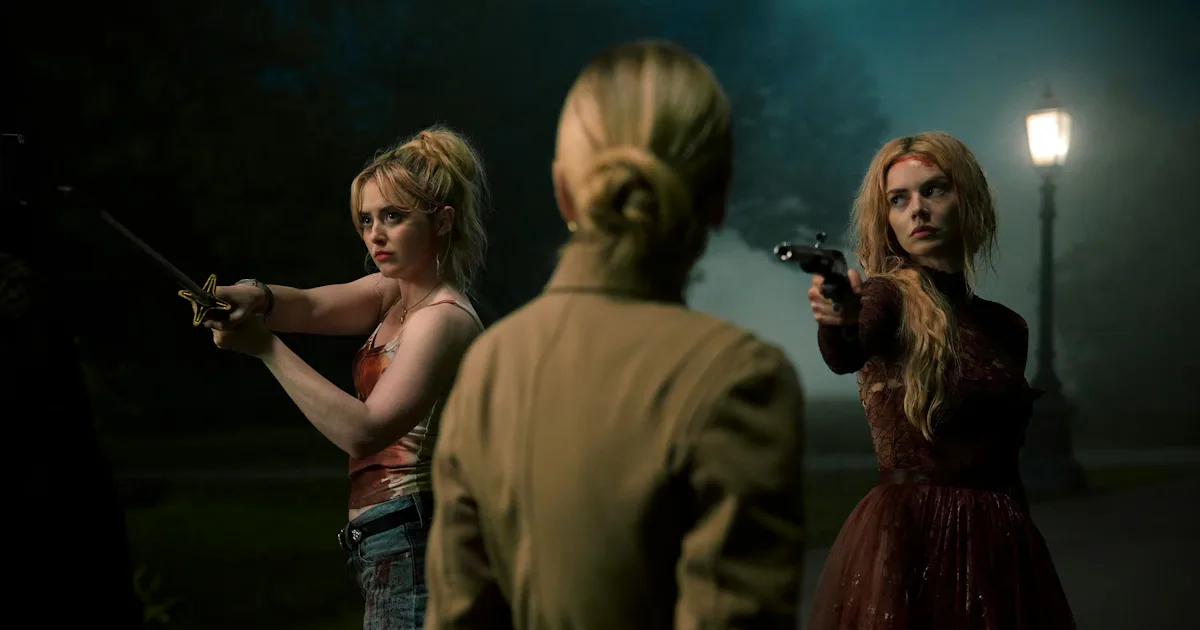
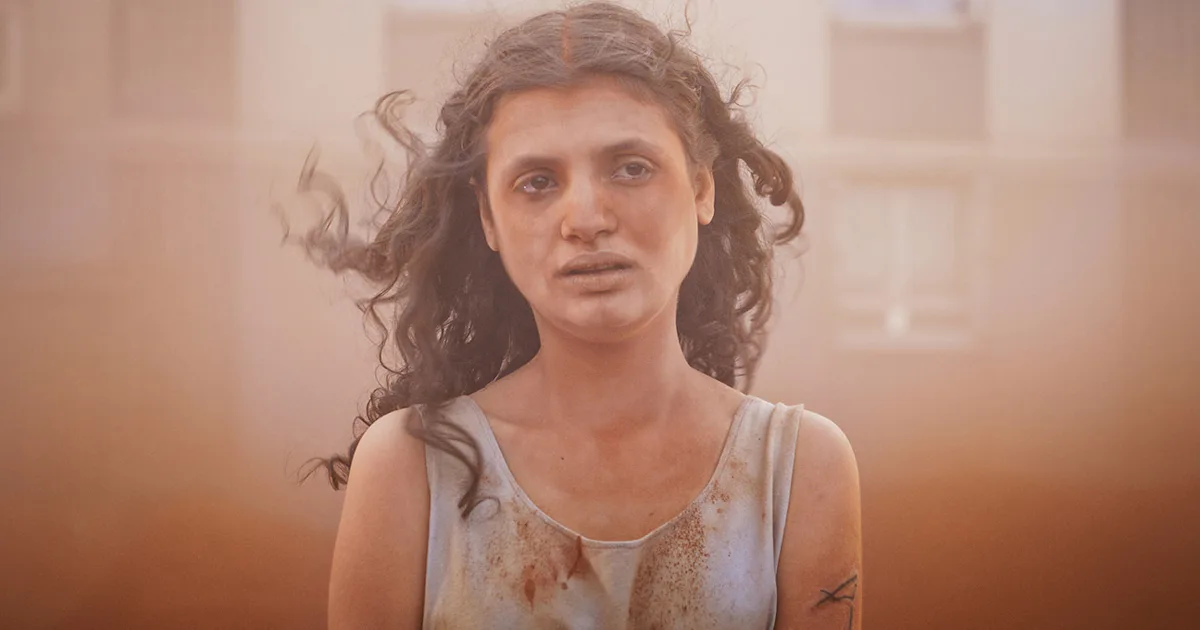
The New Directors/New Films series showcases diverse films with innovative narratives, including 'Variations on a Theme' and 'Next Life'.
The first thing you notice about undertone is how quiet it is; not just in its audio mix, but in how it's shot - primarily steady wide shots that slowly pan across empty rooms, allowing your eyes to frantically scan for something amiss. It's an understated form of filmmaking that allows for the movie's scares to hit all that much harder.
Whether it's investigating the financials of Elon Musk's pro-Trump PAC or producing our latest documentary, 'The A Word', which shines a light on the American women fighting for reproductive rights, we know how important it is to parse out the facts from the messaging. At such a critical moment in US history, we need reporters on the ground. Your donation allows us to keep sending journalists to speak to both sides of the story.
10 Cloverfield Lane Mary Elizabeth Winstead, John Goodman and John Gallagher Jr are locked in an underground bunker for the majority of this left-field sequel to Cloverfield, with thrilling results. In the film's final throes, Winstead's character exits the bunker, and finds that her captor was telling the truth about an alien invasion above - a twist that completely and ruinously dissipates the hard-earned tension that came before.
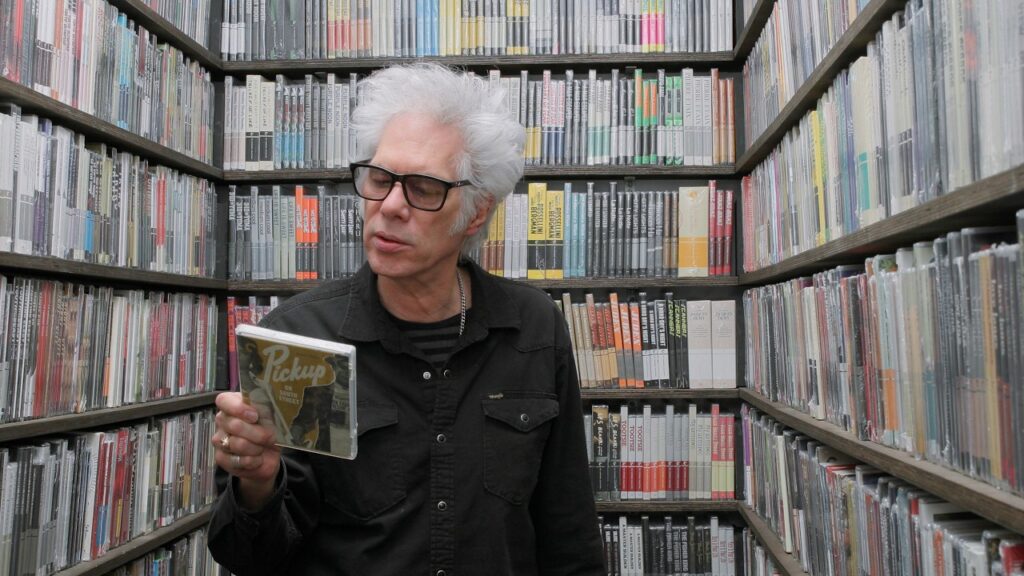
A quarter-century later, it's safe to say that those days have come to an end. Not only does the streaming-only Netflix of the twenty-twenties no longer transmit movies on DVD through the mail (a service its younger users have trouble even imagining), it ranks approximately nowhere as a preferred cinephile destination. That has to do with a selection much diminished since the DVD days
It's been 40 years since Richard Linklater founded the Austin Film Society, beginning his crusade to make scrappy, personal, romantic and boisterous cinema. It's fitting for a director who first broke out in the 1990s "Indiewood" boom that his latest film, Nouvelle Vague, is an origin story of cinema's enfant terrible par excellence, Jean-Luc Godard, mounting his iconic debut film Breathless. As Linklater's first non-English film, Nouvelle Vague feels like a film fanatic has staged and animated decades' worth of behind-the-scenes anecdotes - genuine and apocryphal alike - to show a turning point for cinema as the Texan director imagines it: lively and collaborative, tetchy and confounding, an amusing slew of rules broken and manifesto points declared.
At the narrative midpoint, pathetic protagonist Yoo Man-su ( Lee Byung-hun) - also a hobbying horticulturist with a bonsai mag subscription - arrives at the home of a man he deems a rival for one of the only paper jobs on the market. He wields a pistol concealed inside several oven gloves, intending to kill vinyl enthusiast Goo Beom-mo (Lee Sung-min) as a means of levelling the playing field.
Boris Karloff stands tall as one of film history's most iconic performers, particularly within the horror genre. Foremost known for portraying some of the most iconic monsters in film history, from his work as Frankenstein's Monster in Frankenstein, Imhotep in The Mummy, or voicing The Grinch himself, Karloff had a few distinctive attributes that made him one of the most memorable stars of the era.
In recent years, there's one word you hear again and again from movie distributors and pundits: event. Making a great movie is nice. But creating a culture-shaking event is what's required in the current boom-bust film landscape. It's something everyone has known for a long time, but in 2026 it seems like studios are really beginning to grasp what it actually means. From Tom Cruise in an auteur-driven comedy to the sequels to Devil Wears Prada and The Social Network