Digital life
fromAxios
7 hours agoPhone-free bars and restaurants on the rise across the U.S.
Smartphones and social media negatively impact learning and self-esteem, prompting a shift towards analog experiences among younger generations.
Be specific about heat, because it should enhance flavor, not overpower it. Chili peppers are supposed to bring depth, smokiness, even sweetness - not just fire. Chipotles in adobo, for example, contain smoky, sweet, and spicy notes that pair beautifully with red meat dishes or as a saucy base for slow cooker chicken tinga.
Not that long ago, restaurant chains like Cava, Chipotle and Sweetgreen had lines streaming out of their doors at lunchtime. But last year, traffic and sales at many of them softened considerably, and their stock prices plunged. Still, don't look for this restaurant segment to slash menu prices any time soon. It's simply not part of its DNA, some restaurant analysts say.
Restaurant owners like Panjwani are caught in the middle of a growing battle of new and established reservation platforms vying for their business. The two dominant players for more than a decade, OpenTable and Resy, are now facing a wave of fresh competition from high-end services and even delivery apps all trying to win lucrative bookings at exclusive establishments.
Well, there are traditional dinner parties, where the host supplies the meal and the guests may or may not bring little presents sometimes food treats to be used at the discretion of the host. And then there are cooperative dinners, where each person brings part of the meal. This sounds more like a food fight. Rather than trying to please the host, the guest planned a hostile takeover.
For many, going out to a restaurant is a treat, so the last thing anyone wants is bad food. That really puts a downer on the whole experience. That's why we turned to Reddit to see what restaurant workers would never order. After all, they spend most days in the kitchen or serving customers, so they see and hear things behind the scenes that most of us don't.
There was usually a room of about 100 to 150 people, with two to three servers and two bartenders. One night, it was just the bartenders and me, so about 50 people per section. This usually wouldn't bother me, but three of my big tables were occupied by one large group. I went to help with the middle of the three tables, as a large portion of their group had just arrived.
Surely you must have been wide awake enough to notice that the person who delivered your peanuts on an airplane was sometimes male, and that another male sometimes took your order at the local eatery. Yes, various jobs are no longer gender-specific. Miss Manners would be sorry to think that retirement had left you oblivious to the dynamics of life, which, indeed, lexicographers must follow. You may not always like the way the world evolves, but to deny it is to condemn yourself to social stagnation.
Years later, after countless nights in hotels from budget chains to five-star establishments, I've noticed something interesting. Those of us who grew up in lower-middle-class households carry certain behaviors with us into these spaces. They're not necessarily bad habits, but they're telling. They reveal a childhood where every pound mattered and waste was practically a sin. I've seen these patterns in myself, in friends from similar backgrounds, and in countless fellow travelers over the years.
It's a subject that comes up with some regularity when frequent travelers discuss etiquette. On Reddit's r/travel forum, you can read a lengthy debate over this, with some flight crew members weighing in. (One takeaway: chocolate is often well-received.) A Condé Nast Travler article from 2019 pointed out that this is completely legal: "Flight attendants are allowed to receive small gifts from passengers," Cynthia Drescher wrote.
I used to think it was just good manners drilled in by strict parents, but after interviewing behavioral researchers for a recent piece on social dynamics, I've discovered there's something much deeper at play here. This seemingly small gesture-waiting for others before diving into your meal-actually reveals a fascinating cluster of personality traits that psychologists link to both personal and professional success. The research suggests these patient diners aren't just being polite; they're demonstrating qualities that make them exceptionally good friends, partners, and colleagues.
You get a coffee. The barista tells you how much you need to pay. You say thank you. They take your card for payment. They say thank you. They give you the coffee. You say thank you. They say thank you for your thank you. Then you say thank you for their thank you. By this point, the words thank you have lost all meaning, and both parties are exhausted by the pointless stream of politeness.
Food waste in America is a significant and persistent problem that often goes unnoticed. According to a 2010 USDA study, 30-40% of our country's entire food supply winds up in landfills each year - almost 70 million tons. That's about $161 billion worth of food, meaning the average family's food waste totals around $3,000 a year. And while an enormous portion of our food supply is simply thrown away, roughly 48 million Americans - including one in five children - experience food insecurity.
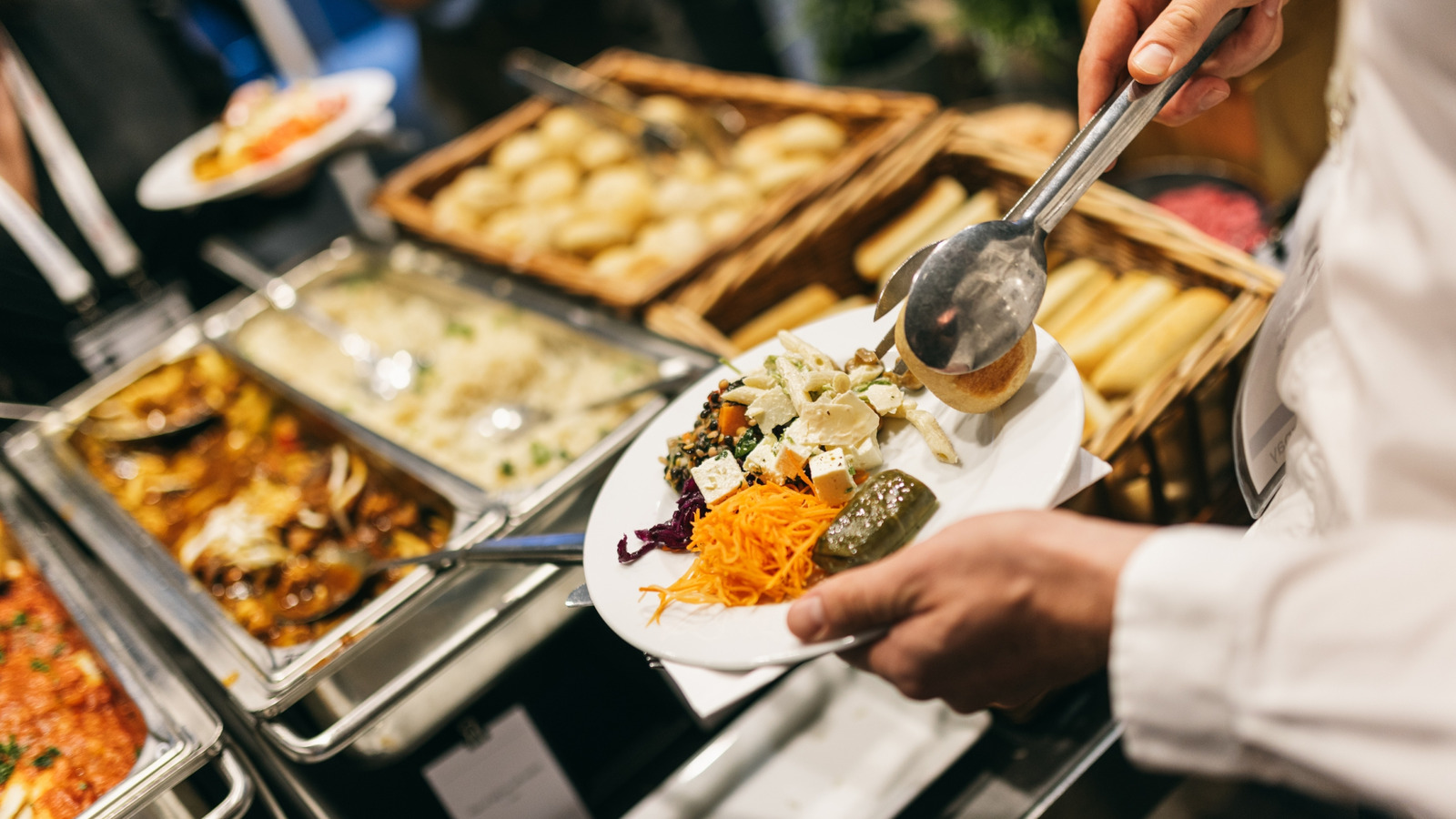
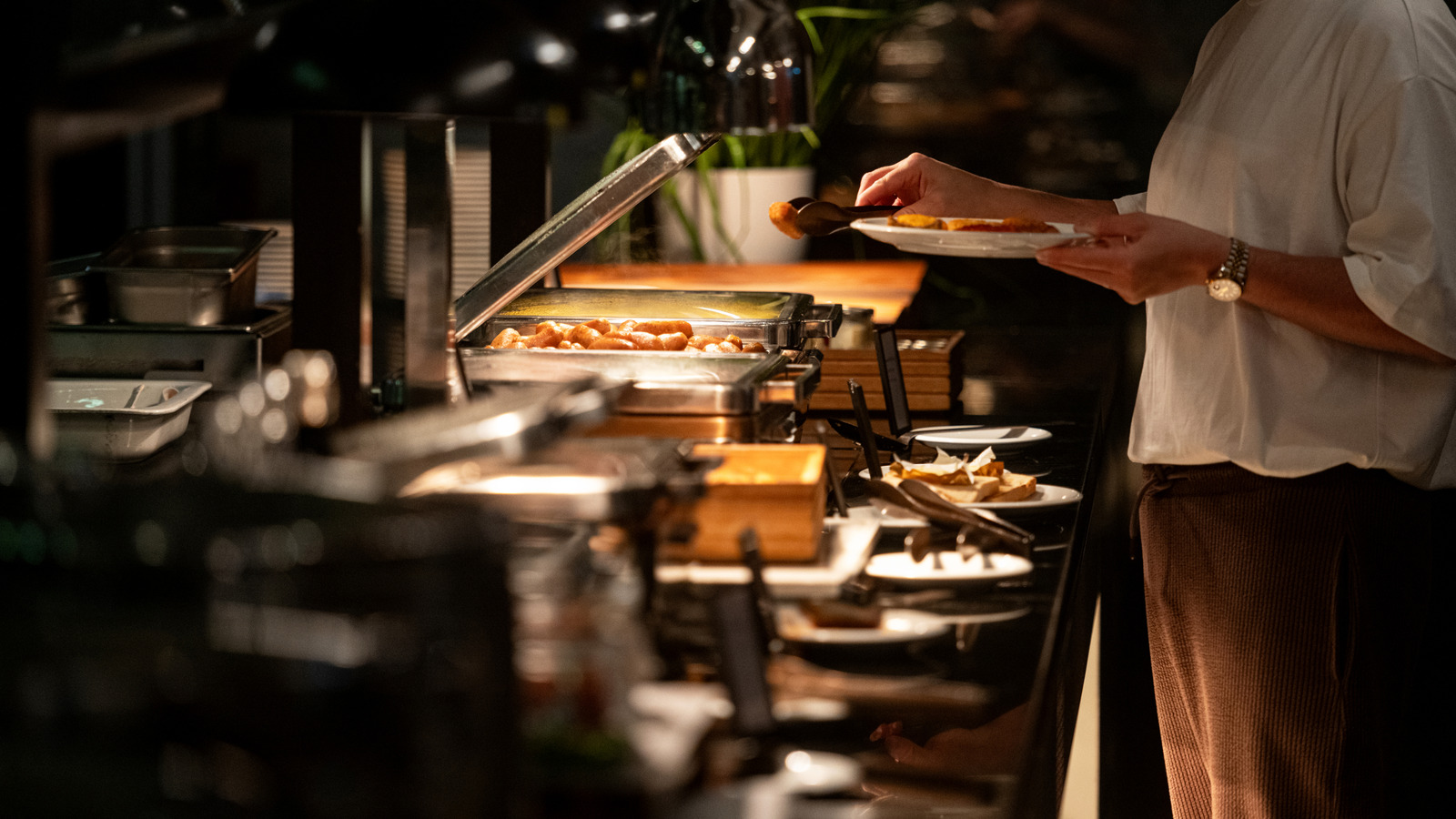
Selecting your favorites and getting to go back for seconds and thirds allows you to sample a little bit of everything and even discover new-to-you dishes. There are a number of tips you need to navigate any buffet so you don't waste time and money, the most important of which is the order in which you eat. Leave starches for last to keep from filling up so you can have more room to enjoy more big-ticket items.

:max_bytes(150000):strip_icc()/euros-cafe-tipping-lead-EUROTIPS0622-3f5660db327f4187b48b6ab73b10bb39.jpg)