#toni-gorilla
#toni-gorilla
[ follow ]
fromOpen Culture
2 weeks agoIn Her Final Reflections, Jane Goodall Issues a Warning: "Without Hope, We Fall Into Apathy"
Somebody sent to this world to try to give people hope in dark times, because without hope, we fall into apathy and do nothing, and in the dark times that we are living in now, if people don't have hope, we're doomed. How can we bring little children into this dark world we've created and let them be surrounded by people who've given up?
Writing
Agriculture
fromwww.theguardian.com
3 weeks agoVillagers on Principe, the African Galapagos', to be paid for protecting the ecosystem
Principe islanders receive quarterly dividends for following environmental protection codes, with nearly 3,000 participants receiving their first payment of €816, creating economic incentive for conservation.
Science
fromwww.theguardian.com
1 month agoMarsupials previously thought extinct for millennia discovered in New Guinea
Two marsupial species presumed extinct for 6,000 years were discovered alive in West Papua rainforests, representing rare Lazarus taxa that survived despite disappearing from fossil records.
fromABC7 Los Angeles
1 month agoPunch the orphan monkey is outgrowing his plushie and making friends
Helping Punch learn the rules of monkey society and being accepted as a member is our most important task. When he grows out of the plush toy that encourages his independence, and that's what we are hoping for. Punch still sleeps with his toy every night, but the next thing keepers want to see is Punch bunched up with other monkeys to sleep.
Pets
fromwww.independent.co.uk
1 month agoBeloved zoo gorilla dies just days after being moved to new home
The decision to let Jock go peacefully was made with his comfort and quality of life in mind, a testament to the deep bonds between him and the people who cared for him every day. Jock's legacy at Bristol Zoo, as a leader, father, and ambassador for his species, will live on through the gorillas he helped raise and the countless people.
UK news
fromTime Out London
1 month agoPunch the Monkey: where to see cute macaque monkeys in London
Since the rejection, Punch has been given a stuffed orangutan toy by zookeepers at Ichikawa zoo where he lives. Punch has won worldwide adoration mainly because people feel sorry for the baby monkey. The zoo has been posting updates of the macaque, with videos showing him playing alone, being hit by other monkeys and dragging his plushie around everywhere he goes.
London

Environment
fromInsideHook
1 month agoGorillas, Michael Bay and Me: A Journey Through the Rewilded Rwanda
Rwanda's Kwita Izina gorilla-naming ceremony celebrates the recovery of mountain gorillas from near-extinction through successful conservation efforts, attracting global celebrities and thousands of participants to honor the species' survival.

Environment
fromwww.theguardian.com
1 month agoThat's a losing battle': baboon incursions cause tense human-wildlife standoff in Cape Town
Increasing baboon populations in Cape Town, driven by urban expansion and lack of predators, are causing frequent human-baboon conflicts and traumatic intrusions into communities.
San Francisco
fromFortune
2 months agoMountain lion saunters through San Francisco's posh Pacific Heights neighborhood before capture | Fortune
A 77-pound male mountain lion wandered through Pacific Heights in San Francisco and was tranquilized, captured, examined, and prepared for release after testing.
fromwww.theguardian.com
1 month agoThe tragedy of Punch the monkey: why do mother animals abandon their offspring?
He has been filmed multiple times being dragged and chased by older Japanese macaques inside the enclosure. Early clips showed him wandering alone with the toy after being pushed away by other monkeys, and clutching it tightly while being harassed. Viewers were briefly relieved when later videos emerged of another monkey grooming and comforting him. However, just days later, new footage showed Punch once again being targeted this time dragged aggressively in a circle by a much larger monkey.
Science
Science
fromwww.theguardian.com
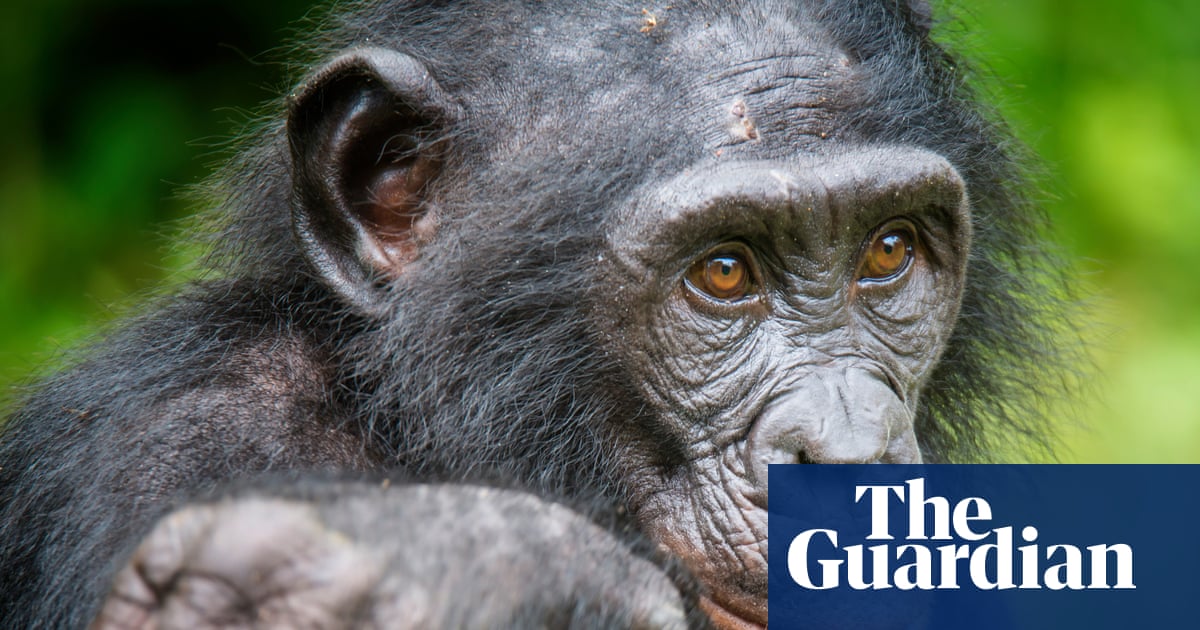
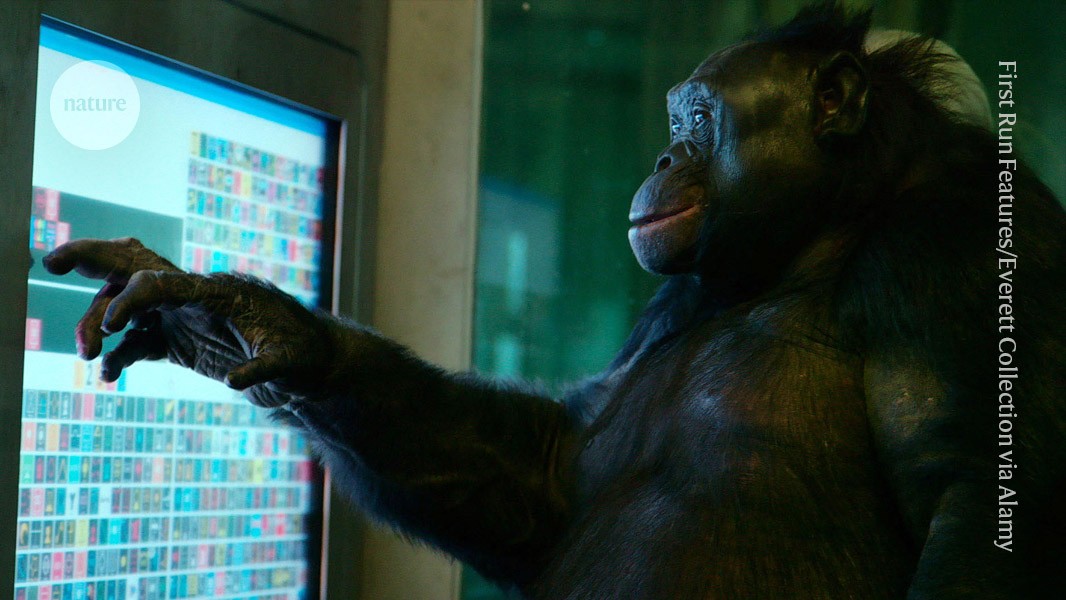
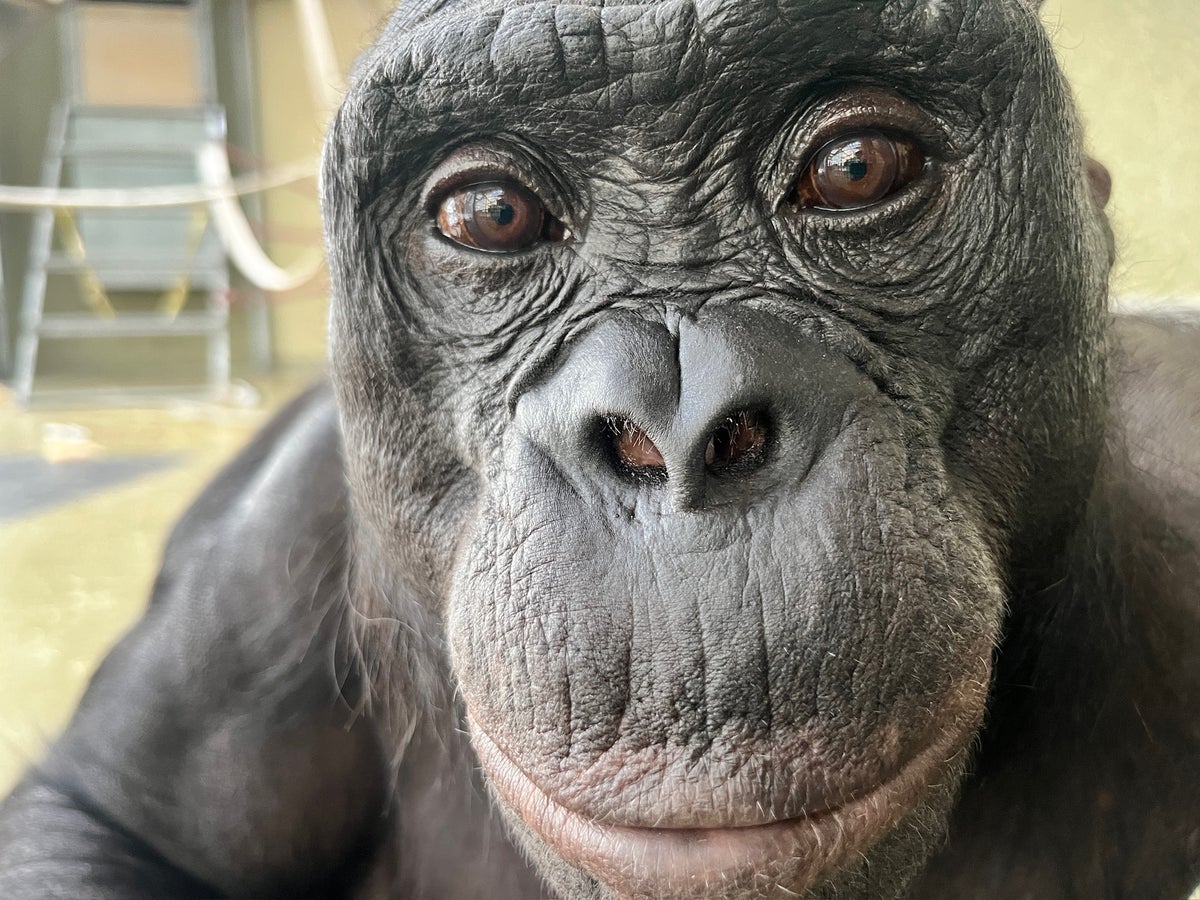
2 months agoPrimates' same-sex sexual behaviour may reinforce bonds amid environmental stress'
Same-sex sexual behaviour in non-human primates reinforces social bonds and maintains group cohesion amid environmental stress, scarce resources, predation risk, and social competition.
fromPsychology Today
1 month agoTool Use By Animals: Why the Hype and Why It's So Important
Recently, two unexpected examples by a wild wolf and a domesticated cow named Veronika attracted global attention and once again opened the door for experts and others to weigh in on the question, "Are these really examples of tooling?" Many people are eager to know more about the nitty-gritty details of tooling, so I am thrilled that Dr. Benjamin Beck, an expert in this area, could answer a few questions about this fascinating behavior.
Science
Science
fromArs Technica
2 months agoMacaque facial gestures are more than just a reflex, study finds
Multiple cortical regions jointly generate facial gestures in macaques, with distinctions between social and non-social actions arising from different temporal neural codes rather than separate anatomical loci.
fromLGBTQ Nation
2 months agoStudy finds widespread same-sex behavior among primates & could help explain why nature is so gay - LGBTQ Nation
The study's authors researched 96 peer-reviewed studies documenting SSB to compile one of the most comprehensive datasets for primates to date. The study found that SSB are a "persistent and integral component of primate social [practices]." In fact, the prevalence of SSB across a variety of closely related primate species - and over several lines of descendants - "indicates a deep evolutionary root or multiple independent evolutionary origins," the study's authors wrote.
Science
[ Load more ]