#toxic-rain
#toxic-rain
[ follow ]
#public-health #air-quality #air-pollution #epa #pm25 #climate-change #health-risks #environmental-impact #pollution
#air-pollution
Environment
fromtheconversation.com
3 weeks agoWhat is the acid rain' in the wake of U.S. bombings in Iran?
Black rain falling over Iran after airstrikes on oil depots contains toxic pollutants including hydrocarbons, ultrafine particles, and carcinogenic compounds that pose serious health and environmental risks.



Environment
fromtheconversation.com
3 weeks agoWhat is the acid rain' in the wake of U.S. bombings in Iran?
Black rain falling over Iran after airstrikes on oil depots contains toxic pollutants including hydrocarbons, ultrafine particles, and carcinogenic compounds that pose serious health and environmental risks.







fromFast Company
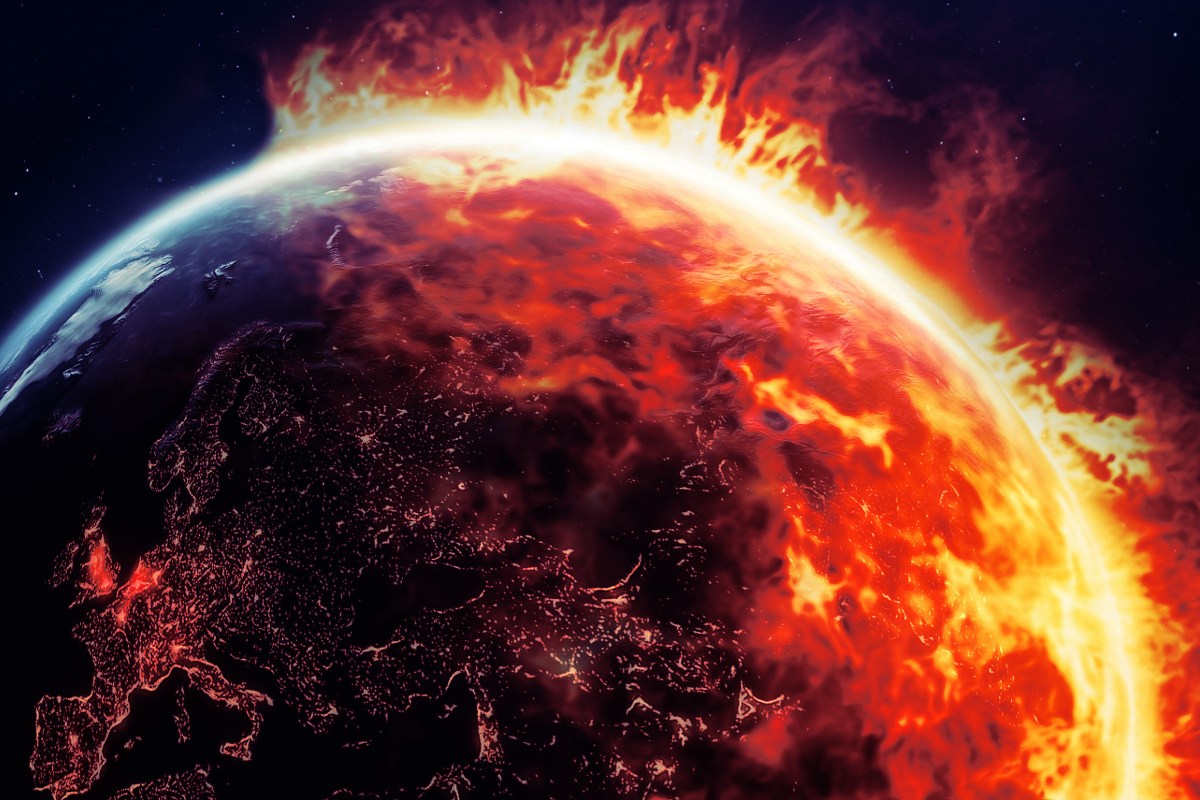
4 days agoSee it: Air temperatures and pollution around the world are captured in real time in these animated weather maps
We created Earth in Action to provide a lens into what's happening on our planet, as it happens. Whether it's something typical, like the current air temperature, or an extreme event like a major dust storm, we wanted to provide an opportunity for people to see them.
OMG science

NYC politics
fromwww.amny.com
6 days agoA moral injury': City sued over not releasing information on Lower Manhattan air quality danger after 9/11 attack | amNewYork
Advocates are suing New York City for transparency regarding air quality information post-9/11 to seek accountability and answers, not compensation.


Agriculture
fromEarth911
2 weeks agoConvenience Comes at the Environment's Expense
Fast delivery convenience carries significant environmental costs through packaging waste, carbon emissions, and resource consumption, but individual yard management choices can meaningfully reduce environmental impact at a local scale.
fromwww.theguardian.com
4 days agoThe dark side of the balloon boom is it time they were banned?
In 2019, scientists found that balloons eaten by seabirds are more likely to kill them than other kinds of plastic yet they do not seem to have been earmarked in the same way as, for example, plastic straws.
Public health
Health
fromwww.theguardian.com
2 weeks agoReduced physical activity due to global heating will lead to rise in health issues, study says
Rising temperatures reduce physical activity globally, with each month above 27.8°C increasing inactivity by 1.5 percentage points, projecting half a million additional premature deaths annually by 2050.
fromwww.theguardian.com
3 weeks agoToronto's snow mountains: towering peaks that refuse to melt and leave a toxic trail
In late January, Toronto was hit with what many experts said was the heaviest single day of snowfall in the city's history. In some spots, nearly 23in fell, driven in part by a collision of weather systems. The city had already removed 264,000 tonnes of snow from 1,100 km (680 miles) of roads, sidewalks and bike lanes by mid-February.
Canada news
fromTODAY.com
3 days agoThese Are the 2 Most Dangerous Home Cleaning Products to Have Around Kids, New Research Shows
"What surprised me is we are still seeing so many visits to emergency departments associated with very common household cleaning products," Lara McKenzie, Ph.D., stated, emphasizing the ongoing issue despite safety advancements.
Public health
World news
fromLondon Business News | Londonlovesbusiness.com
3 weeks agoToxic smoke and 'acid rain' engulfs Tehran amid deadly strikes on oil facilities - London Business News | Londonlovesbusiness.com
U.S. and Israeli airstrikes on Tehran's oil and gas facilities released toxic compounds causing hazardous air pollution and acidic rain threatening public health.
Madrid food
fromwww.scientificamerican.com
1 month agoBlood rain' and fiery skies threaten Europe thanks to massive Saharan dust storm
Saharan dust plume La Calima is moving toward Spain, Portugal, and France, bringing rust-colored blood rain, hazardous air conditions, and health risks for vulnerable populations.
fromFortune
4 weeks agoTehran engulfed in fire, smoke and acid rain following strikes | Fortune
Israeli jets targeted three Iranian oil depots, the Iranian semi-official Fars news agency said on Saturday. Israel's Energy Minister Eli Cohen confirmed the attacks, claiming the facilities are used by Iran's military. He also warned that oil refineries and power stations could be targeted in the coming days, in an interview with Israel's 103fm radio.
World politics
fromwww.theguardian.com
2 weeks agoPeople in North Yorkshire town found to have alarming' levels of toxic Pfas chemicals in blood
Blood testing conducted as part of a new ITV documentary has revealed that residents and former workers at the factory have alarming levels of these chemicals in their blood.
Public health
Environment
fromNature
3 weeks ago'Black rain' in Tehran - what are the health effects?
Missile strikes on Iranian oil facilities released toxic chemicals into the atmosphere, creating black acid rain containing harmful hydrocarbons, sulfur oxides, and nitrogen compounds that pose serious health risks.
Environment
fromwww.theguardian.com
3 weeks agoMining's toxic timebomb: dams full of poisonous waste are dotted around the world. What happens when they burst?
A tailings dam collapse at a Chinese copper mine in Zambia released over 50 million cubic liters of acid and heavy metals into the Kafue River, causing widespread environmental devastation, water supply shutdowns, and agricultural destruction affecting millions of people.
Environment
fromwww.theguardian.com
3 weeks agoA sobering preview': extreme heat now affects one in three people globally, study finds
One-third of the world's population now lives in areas where extreme heat severely restricts safe daily activities, with elderly people experiencing over 900 hours annually of heat-limited outdoor time.
Environment
fromTruthout
4 weeks agoHouse Bill Could Weaken EPA Oversight of Hazardous Chemicals
House conservatives propose rolling back 2016 reforms to the Toxic Substances Control Act, weakening EPA authority to regulate hazardous chemicals despite ongoing groundwater contamination cases like Jones Road.
fromwww.theguardian.com
1 month agoHumanity heating planet faster than ever before, study finds
Climate breakdown is occurring more rapidly with the heating rate almost doubling, according to research that excludes the effect of natural factors behind the latest scorching temperatures. It found global heating accelerated from a steady rate of less than 0.2C per decade between 1970 and 2015 to about 0.35C per decade over the past 10 years.
Environment
Environment
fromwww.theguardian.com
1 month agoThousands of pollution incidents in England downgraded without site visit, data suggests
Environment Agency staff downgraded 98% of 2,778 serious water pollution incidents reported in 2024 without site visits, representing a 1,500% increase in downgrades since 2021.
fromMail Online
1 month agoUrgent warning to middle-aged MEN over toxic 'forever chemicals'
Midlife is a sensitive biological window where the body becomes more susceptible to age-related stressors, which may explain why this group responds more strongly to chemical exposure. We suspect that men may be at higher risk because the aging markers we analysed are heavily influenced by lifestyle factors such as smoking, which can compound the damaging effects of these pollutants.
Public health

fromwww.dw.com
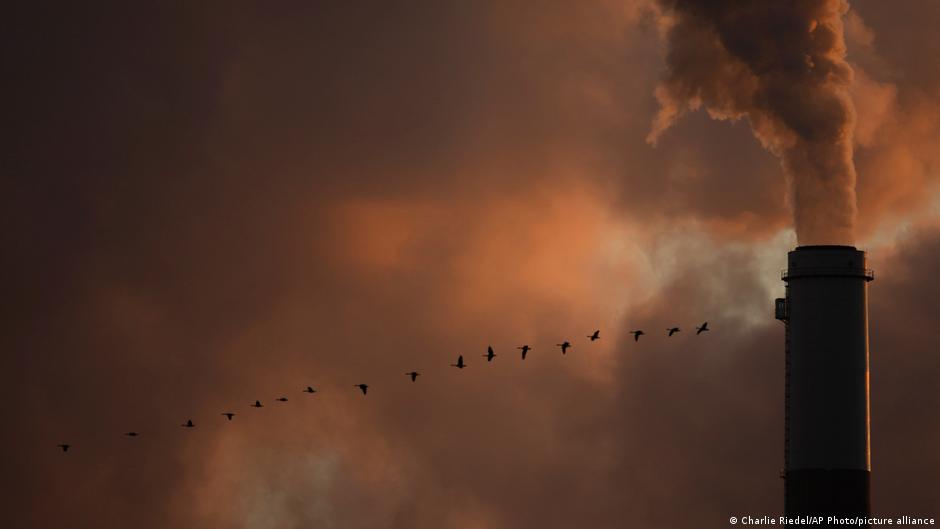
1 month agoHow mercury from coal plants can cost lives
A potent neurotoxin capable of causing lifelong damage to the lungs, brain, skin and other organs, mercury is strictly regulated worldwide. Children, in particular, can suffer severe developmental impairment when exposed. A trace element that occurs naturally in rocks such as limestone, as well as in coal and crude oil, mercury remains locked underground for millions of years, largely entering the ecological cycle through human activity.
Public health
fromNature
2 months agoMicroplastic levels in the air have been overestimated, but are still a big concern
Many human activities - from improper disposal of waste to the degradation of car tyres - release small plastic particles, which have infiltrated the atmosphere, oceans and other ecosystems. These include nanoplastics - particles measuring less than 1 micrometre across - and microplastics, which range from 1 micrometre to around 5 millimetres. They've entered our bodies and brains, and scientists are still working to understand their effects on people's health.
Environment
fromwww.theguardian.com
2 months agoHousehold burning of plastic waste in developing world is hidden health threat, study shows
The household burning of plastic for heating and cooking is widespread in developing countries, suggests a global study that raises concerns about its health and environmental impacts. The research, published in the journal Nature Communications, surveyed more than 1,000 respondents across 26 countries. One in three people reported being aware of households burning plastic, while 16% said they had burned plastic themselves.
Environment
Public health
fromNonprofit Quarterly | Civic News. Empowering Nonprofits. Advancing Justice.
2 months agoThe Polluters Down the Street-EPA Changes Put Lives at Risk | Nonprofit Quarterly | Civic News. Empowering Nonprofits. Advancing Justice.
Air quality monitoring and Clean Air Act regulations have reduced PM2.5, prevented hundreds of thousands of early deaths, and improved average life expectancy.
fromArs Technica
1 month agoCOVID-19 cleared the skies but also supercharged methane emissions
The remaining question, though, was where all this methane was coming from in the first place. Throughout the pandemic, there was speculation that the surge might be caused by super-emitter events in the oil and gas sector, or perhaps a lack of maintenance on leaky infrastructure during lockdowns. But the new research suggests that the source of these emissions was not what many expected. The microbial surge
Environment
[ Load more ]