#train-technology
#train-technology
[ follow ]

fromThe Local France
16 hours agoEurotunnel and Eurostar still not ready for EES rollout despite deadline
The new checks, part of the EU's new Entry/Exit System (EES), collect digital personal records of third country nationals travelling to the Schengen area and replace the manual stamping of passports.
EU data protection
fromThe Local Germany
3 days agoDeutsche Bahn cancels trains to and from Hamburg due to damaged lines
ICEs between Berlin and Hamburg via Stendal, Salzwedel and Uelzen are cancelled. ICEs between Hamburg and Munich via Berlin, Leipzig, Erfurt and Nuremberg are cancelled between Hamburg and Berlin. ICEs between Hamburg and Munich via Hanover, Kassel, Fulda, Würzburg and Nuremberg are cancelled between Hamburg and Hanover.
Germany news

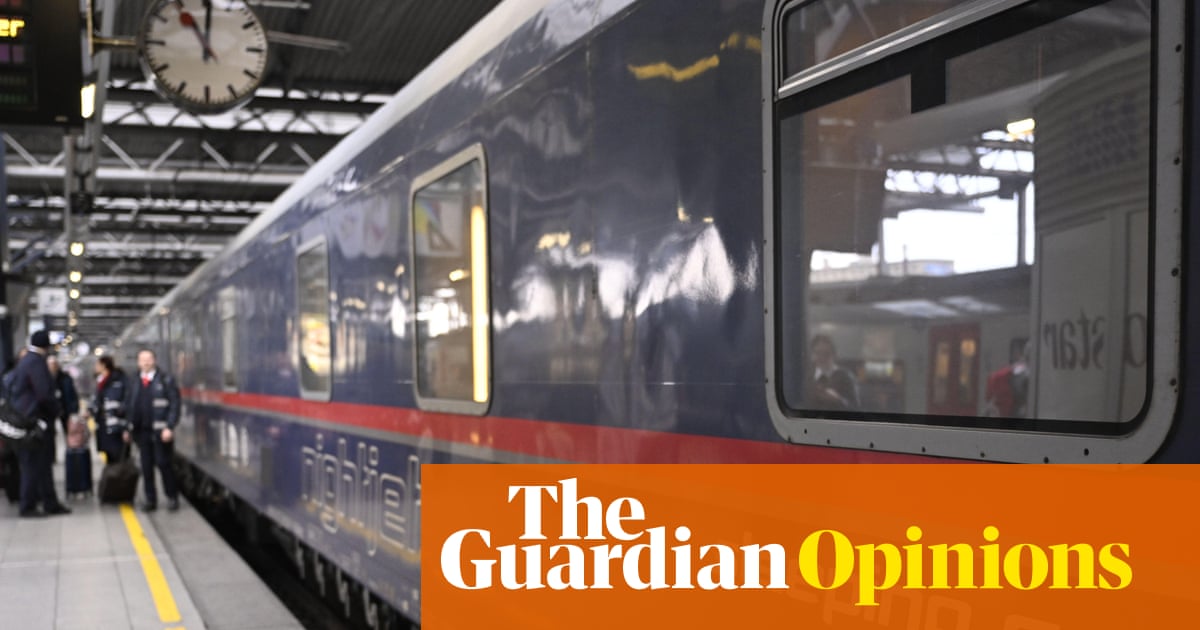
fromianVisits
4 days agoShh... future Crossrail 2 trains beneath Oxford Street expected to be library-quiet
The building, an office block with shops on the ground floor, is at the eastern end of Oxford Street, just north of Soho Square, and sits above the possible route of the Crossrail 2 railway, if/when it is eventually built.
London

Alternative transportation
fromSustainable Bus
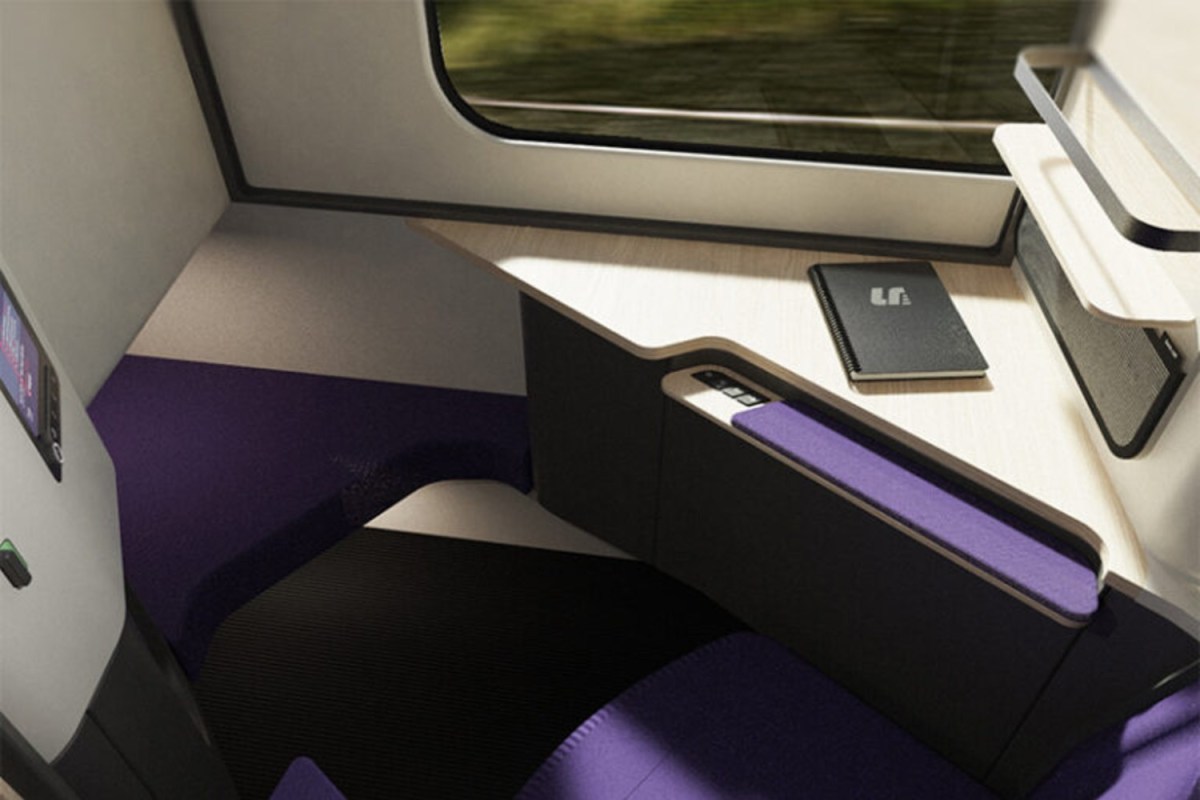
3 days agoNew certified Ultrafabrics collections target durability and compliance in passenger transport interiors - Sustainable Bus
Ultrafabrics launches new certified collections for passenger transport, combining durability, aesthetics, and sustainability in high-performance upholstery fabrics.
Alternative transportation
fromSustainable Bus
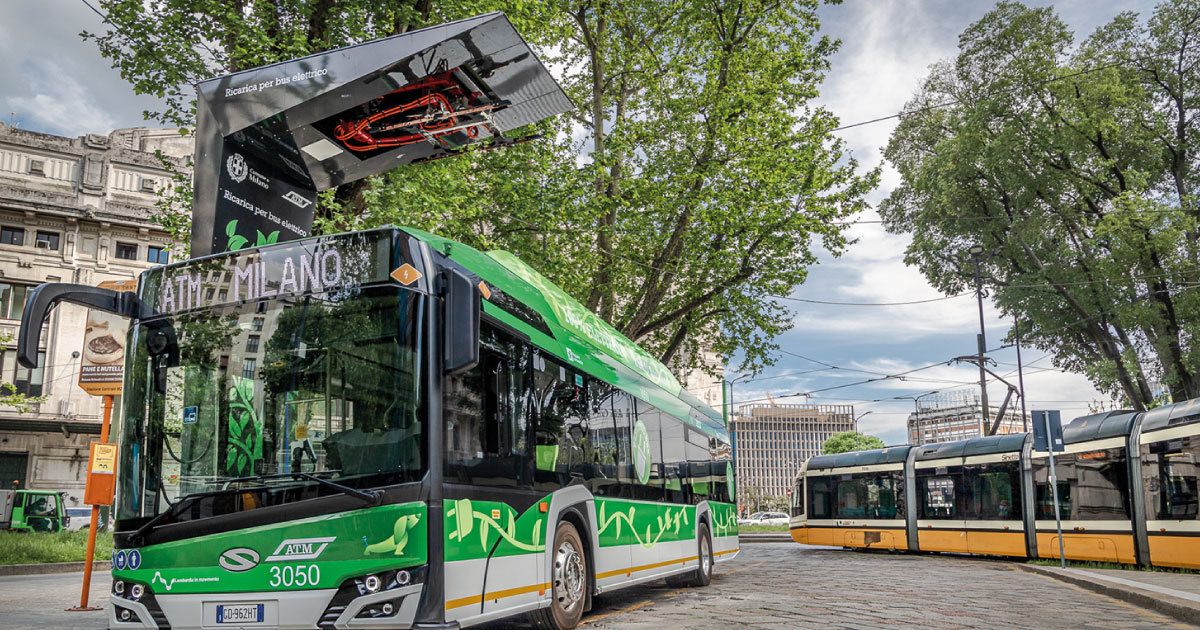
5 days agoZero-emission buses move beyond cities: intercity transition in Sustainable Bus' session at BUS2BUS - Sustainable Bus
Electrification of intercity and coach segments in Europe is advancing, requiring new infrastructure and operational strategies for zero-emission mobility.
fromWIRED
3 weeks agoHow Can a Locomotive Pull a Long Train That's Much Heavier?
Have you ever watched a mile-long freight train rumble by and wondered how one locomotive can pull more than a hundred fully loaded cars? The locomotive weighs maybe 150 metric tons, and each car is about 100 metric tons, which means it's hauling 10,000 tons. I mean, if you weigh 170 pounds, this would be like pulling three SUVs totaling 12,000 pounds.
Science
Alternative transportation
fromSustainable Bus
5 days agoHiger posts +14k units sold in 2025 as it expands European cooperation and prepares new e-bus launch - Sustainable Bus
Higer leads in new energy bus sales, focusing on European market expansion and innovative technology for efficiency and reliability.
fromThe Drum
1 month agoNetwork Rail's powerful campaign
Sit down with Hannah Bowler and the Story Catchers and Network Rail team where they discuss their wins at The Drum Awards for Marketing EMEA for their 'You vs Train' campaign. Hear about the success of the campaign, how changing behavior was its ultimate goal, and how they reached difficult target audiences.
Marketing
#artificial-intelligence
Berlin
fromSustainable Bus
2 weeks agoBUS2BUS 2026 prepares to gather transport leaders in Berlin with 100+ sessions and 120+ speakers - Sustainable Bus
BUS2BUS 2026 in Berlin will convene 120+ speakers across 100+ sessions to explore artificial intelligence, automation, and sustainable mobility solutions for the bus sector.

Berlin
fromSustainable Bus
2 weeks agoBUS2BUS 2026 prepares to gather transport leaders in Berlin with 100+ sessions and 120+ speakers - Sustainable Bus
BUS2BUS 2026 in Berlin will convene 120+ speakers across 100+ sessions to explore artificial intelligence, automation, and sustainable mobility solutions for the bus sector.
London
fromianVisits
2 weeks agoInside the giant machine digging HS2's railway tunnels to Euston station
HS2's final tunnel boring machine began digging the second tunnel from Old Oak Common to Euston, with the machine's front section remaining permanently underground as trains will eventually pass through it.
Berlin
fromwww.thelocal.de
3 weeks agoDeutsche Bahn expands high speed train services between Cologne and Brussels
Deutsche Bahn expands cross-border rail services to Belgium with additional high-speed ICE trains from Cologne to Brussels, new airport connections, and weekend services to coastal and tourist destinations.
fromStreetsblog
2 weeks agoOpinion: The Federal Railroad Administration's Proposed Amtrak Restructuring is Worth Considering - Streetsblog USA
While dozens of other countries have delivered fast, modern train networks, we are stuck with a skeletal system built largely on slow, 19th-century alignments. Even developing nations are passing us by. There is growing recognition at the federal level that things need to change, but substantial and comprehensive reform would require an act of Congress.
Alternative transportation
fromSustainable Bus
2 weeks agoRiga set to order up to 100 new trolleybuses
The planned order is expected to include 12-meter and 18-meter vehicles, and potentially also 24-meter bi-articulated trolleybuses. All units will be equipped with traction batteries enabling off-wire operation. The new trolleybuses are expected to cover at least 20 kilometers without overhead wires, while remaining fully compatible with Riga's extensive existing trolleybus infrastructure.
Alternative transportation
#london-underground-infrastructure
London
fromianVisits
3 weeks agoLondon's weekly railway news
London's rail transport faces multiple challenges including aging infrastructure heat problems, strikes over working conditions, safety incidents, operational disruptions, and service expansion plans across Underground, Elizabeth Line, and mainline networks.
London
fromTime Out London
3 weeks agoA brand new railway line could serve London's biggest airport
Heathrow Southern Rail would connect Heathrow Airport to Waterloo and Surrey towns via eight miles of new railway line, supporting the airport's expansion to handle 66 million additional annual travelers.
London food
fromTime Out London
1 month agoThis London train service has been crowned the best rail line in the UK for 2026
London Northwestern Railway won Train Operator of the Year 2026 after investing £1 billion in new trains and infrastructure, increasing capacity by 40 percent and raising customer satisfaction by 20 percent.
fromGothamist
3 weeks agoNJ Transit opens new bridge over Hackensack River, enabling faster train speeds
The new structure is taller than the old one, meaning it won't have to open and close for boats on the river. Officials said that would happen dozens of times each year on the old bridge, and it would often get stuck and require a worker to hammer the pieces back into place.
Alternative transportation
fromSustainable Bus
1 month agoEvolution: the practical path to autonomous buses - Sustainable Bus
It's tempting to frame autonomous driving as a single leap. In public transport, adoption tends to be incremental - because the system is built for reliability, and new capabilities have to fit into daily operations without disrupting service. That is why a practical strategy is evolution, not revolution: introduce autonomy in a defined domain, learn safely in real operations, and expand capability step-by-step.
Artificial intelligence


fromFuturism
2 months agoDelivery Robot Gets Stuck on Train Tracks, Gets Obliterated by Locomotive
Footage of the incident, which took place January 15, shows the robot sitting motionless on the tracks, seemingly making no attempt to get out of the way as the unmistakable blare of the train horn gets louder and louder. "Oh it's gonna crush it!" the onlooker taking the video can be heard saying moments before the train, operated by Brightline, flattens the unfortunate bot into the tracks. Sparks can be seen flying from beneath the train before the video cuts off.
Startup companies
fromStreetsblog
2 months agoPassenger Rail Is Headed for a Reckoning - and the First 90 Days of 2026 Will Decide It - Streetsblog USA
Let's start with the biggest issue on the horizon: the proposed merger of Union Pacific and Norfolk Southern. Yes, the ultimate decision is about a year away. But sides are lining up for and against, and right now, the Surface Transportation Board, which is colloquially known as STB -- the railroads' economic regulator -- is considering the details of how the rules governing that decision will be applied.
US politics
Cars
fromSustainable Bus
1 month agoZF to unveil modular electric bus drivetrains at Mobility Move 2026 Berlin - Sustainable Bus
ZF showcases modular electric drivetrains, lightweight axle models, ADAS and digital fleet services for more efficient, lower-maintenance, emission-free bus operations at Mobility Move 2026.
fromSustainable Bus
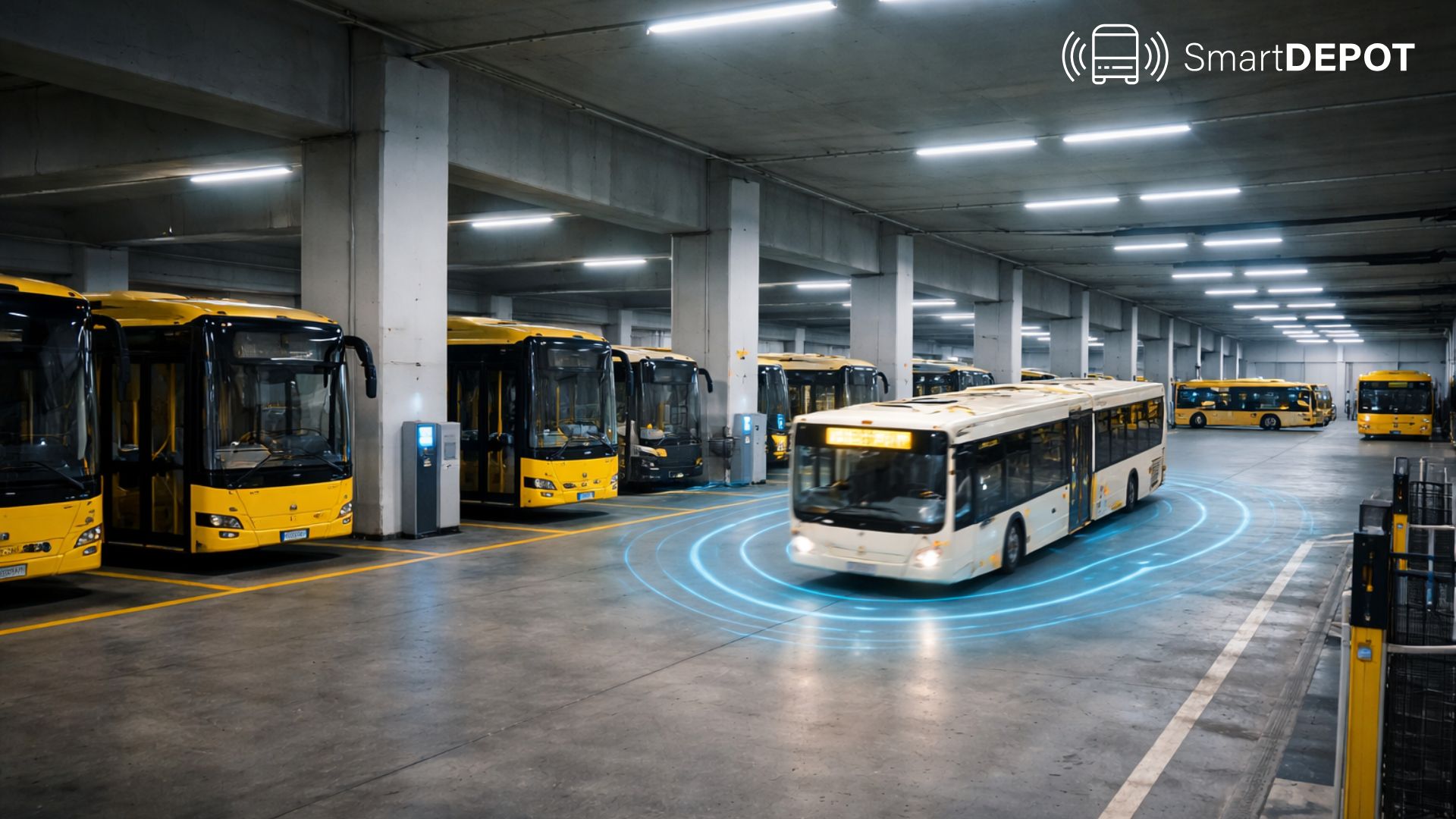
2 months agoAutonomous Systems: depot-first autonomy for smartbuses
For more than a decade, autonomous buses have been "almost ready." Demonstrations with safety drivers began around 2015, and ten years later, this is still largely what we see. The reason is not a lack of ambition - it is physics, safety, and economics. Autonomous buses on city streets are inherently difficult. They carry dozens of passengers, operate as heavy vehicles, and move through a chaotic urban environment.
Business
fromThe Local France
1 month agoEurostar station boss pledges to cut boarding times
Passengers travelling between London and Paris are currently told to check in between 45 minutes and 75 minutes in advance of their departure times, and usually end up waiting in the crowded waiting areas at London St Pancras or Gare du Nord stations.
Travel
fromSustainable Bus
3 weeks agoThe first of 121 new CAF Urbos trams arrives in Rome for ATAC
The first of the 121 Urbos models that CAF will deliver to ATAC has reached the Italian capital and will transform the city's rail-based public transport. The total investment amounts to more than €450 million. Numbered in the 9300 series and measuring 33.5 meters in length, the new vehicle will be able to carry up to 215 passengers, including 68 seated and two passengers with reduced mobility.
Alternative transportation
Canada news
fromwww.cbc.ca
1 month agoGO Trains running on modified schedule after problems persist near Union Station following day of delays | CBC News
GO Transit runs a modified Tuesday schedule with reduced frequencies and recommends extra travel time while crews recover a derailed train near Union Station.
fromianVisits
2 months agoTron on the Tube: London Underground's new trains are being tested on the Piccadilly line
The new trains are the first of a fleet of 94 new trains being built in Yorkshire at the moment, and will eventually replace the Piccadilly line's existing 50-year old rolling stock. However, before passengers can ride the new trains, they need hundreds of hours of testing and assurance that they will work as expected. And testing has been underway ever since the first train arrived in London last year.
UK news
from24/7 Wall St.
2 months agoTop 5 Railroad Equipment & Railcar Leasing Stocks: Picks & Shovels of Logistics
The railroad industry is a logistics artery, but the companies supplying the equipment that moves freight are where the real money gets made. Locomotives, railcars, tank cars, and digital rail systems are the picks and shovels of modern logistics. These companies capture recurring revenue from manufacturing, leasing, and maintenance contracts, benefiting from regulatory replacement cycles, nearshoring tailwinds, and the simple reality that freight must move.
Business
California
fromStreetsblog
2 months agoOpEd: How High-Speed Rail Could Reach LA by 2039...Without Waiting for the Mountains - Streetsblog California
Electrifying and sharing the Antelope Valley Line enables one-seat San Francisco–Los Angeles high-speed service earlier, lowering cost and risk while modernizing Metrolink.
Artificial intelligence
fromeLearning Industry
2 months agoArtificial Intelligence In Transportation Training And Education
AI enables individualized transportation training by evaluating trainee performance, tailoring instruction, simulating real scenarios, and measuring performance for targeted improvement.
UK politics
fromwww.theguardian.com
2 months agoThe Guardian view on Labour's plan for railways in the north: a slow train coming | Editorial
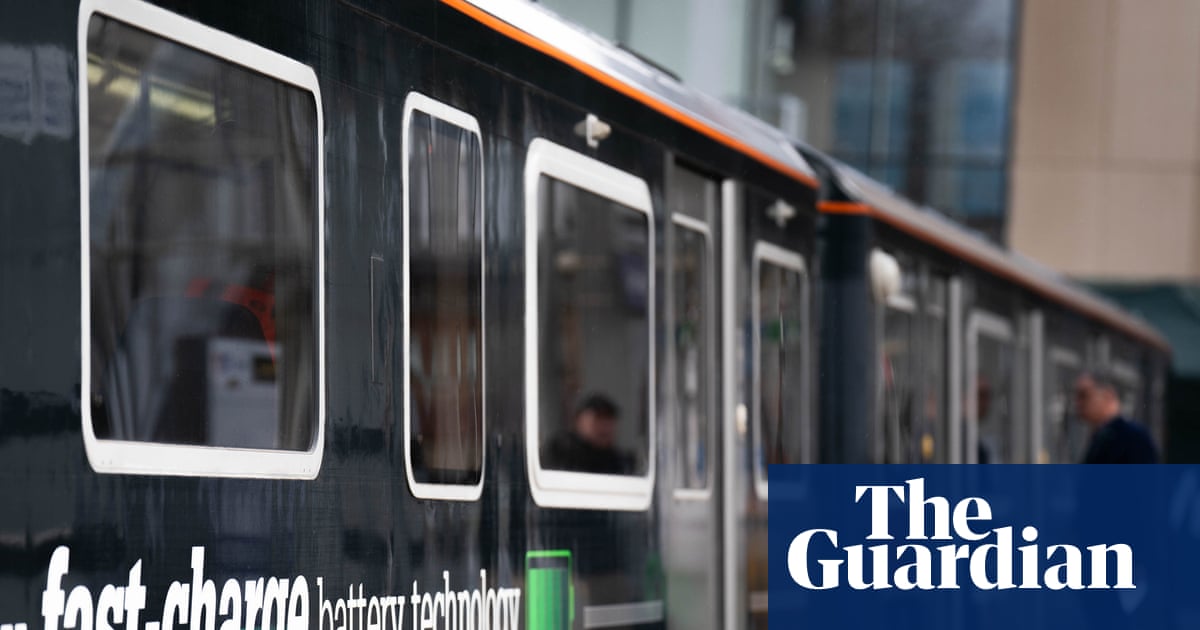
Northern England's rail network is severely underfunded, causing slow, unreliable services and prompting a planned multi-stage Northern Powerhouse Rail upgrade including a new Bradford station.

Alternative transportation
fromSustainable Bus
1 month agoFrom e-coaches to UITP insights on MENA, Altas industrial strategy and Europe's trolleybus revival (and more) in new Sustainable Bus magazine - Sustainable Bus
Europe's e-bus sector achieved over 9,000 registrations in 2025 with 40% growth, while the bus and coach industry undergoes rapid transformation driven by electrification, battery strategies, charging infrastructure, and emerging driverless technologies.

fromwww.dw.com
1 month agoGermany news: Deutsche Bahn calls safety summit
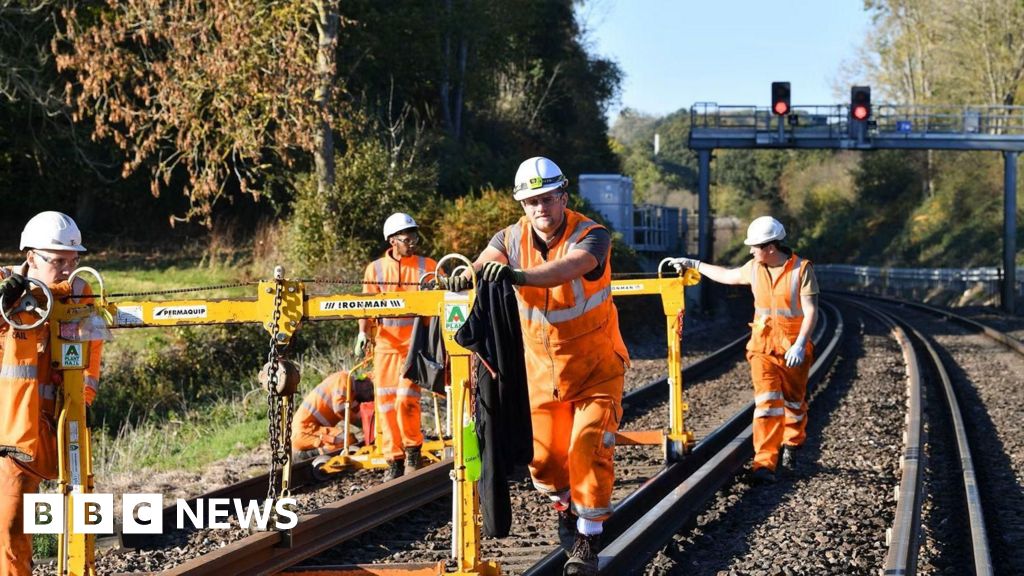
The western German state North Rhine-Westphalia is proposing a new package of measures and is calling on the federal government to strengthen safety on trains ahead of a Deutsche Bahn security summit in Berlin. The state, Germany's most populous, wants to expand the use of two-person teams among train conductors. It is also urging the national government to provide legal clarity for the wearing of body cameras on public transport, which is currently voluntary.
Germany news
fromianVisits
2 months agoTickets Alert: Railway 200 tours of three London stations
Three of London's mainline terminus stations have announced more dates for the Railway 200 themed heritage tours that they were running last year. The tours will run once a month from January to March next year at London Bridge, Victoria, and Waterloo stations and will be led by Network Rail and historian-author Rachel Kolksy. They will last around two hours and involve walking around each station and the surrounding areas. The tours will cost £25 per person and dates are below. London Bridge station Tickets
Travel
[ Load more ]