#transpacific-capacity
#transpacific-capacity
[ follow ]
#strait-of-hormuz #iran #tariffs #middle-east-conflict #energy-crisis #iran-conflict #maritime-security
fromABC7 San Francisco
21 hours agoAmazon, UPS, FedEx, USPS add temporary fuel surcharges to offset extra costs
"Transportation costs are a big factor there. Every company that is involved and has logistics and they have to pay for gas, either they have to absorb this cost, or they will charge the third party that will provide this service. I'm not surprised this is happening, because at some point, Amazon will say we cannot absorb all this cost."
Alternative transportation









fromIrish Independent
1 day ago'Open the f***in' Strait' - Trump says Iran must allow ships through Hormuz by Tuesday or US will 'blow up everything and take the oil'
President Trump stated that the service member is injured but 'will be just fine' and that the US had been monitoring his location during the search-and-rescue operation.
World news
#jones-act-waiver
US politics
fromwww.aljazeera.com
2 weeks agoTrump temporarily waives century-old shipping law amid rising fuel costs
Trump waived the Jones Act for 60 days to allow foreign ships to transport cargo to US ports, aiming to reduce fuel costs, though critics argue it won't lower gasoline prices and may undermine labor and safety standards.
European startups
fromFortune
2 weeks agoChina is becoming a 'factory to the factories,' powering global manufacturing in places like Southeast Asia even as U.S. trade declines | Fortune
China is increasing exports of industrial components while consumer goods exports decline, reshaping global supply chains.
Environment
fromFortune
2 weeks agoMeet the Jones Act, the law that has made gas more expensive for Americans for decades | Fortune
The Jones Act protects American shipping and shipbuilding but increases transportation costs for goods, particularly in Alaska, Hawaii, and Puerto Rico, while suspending it could moderately reduce gas prices over months.


#us-china-trade-relations


World news
fromwww.dw.com
3 weeks agoUS-China trade talks 'stable' despite mutual accusations
US and Chinese trade officials concluded a two-day Paris summit with stable discussions, agreeing on agricultural purchases and proposing new trade boards while disputes over forced labor investigations and Middle East tensions persist.
fromBusiness Insider
3 weeks agoPaid IEEPA tariffs on overseas purchases? Here is what shipping companies are saying about refunds
After Trump ended the de minimis exemption last year, purchasing an item straight from an international vendor, regardless of the item's value, meant incurring International Emergency Economic Powers Act tariffs. Now, thanks to a ruling by the Supreme Court that overturned Trump's IEEPA tariffs, and a ruling by the Court of International Trade ruled that all tariffs paid under IEEPA must be returned, buyers may be able to collect a refund.
European startups
US politics
fromThe Washington Post
1 month agoLaden Iranian ships depart Chinese port tied to key military chemicals
Two Iranian state-owned ships departed a Chinese port carrying cargo destined for Iran, likely including chemicals for ballistic missile production, despite U.S. sanctions and ongoing regional conflict.
fromWIRED
6 days agoThe Broken System That Keeps Shipping Crews Stranded in the Strait of Hormuz
When the war broke out, we put a Warlike Operations Area Committee in place to address the protection of seafarers in the region. The organization has identified certain maritime routes in the region, including the Arabian Gulf, the Strait of Hormuz, and some parts of the Gulf of Oman as high-risk areas, encouraging ship owners to allow seafarers to terminate contracts if they choose not to operate in those zones.
World politics
European startups
fromwww.dw.com
3 weeks agoUS trade probes could lead to new tariffs for EU, China
The US launched two trade investigations targeting excess industrial capacity and forced labor imports, potentially leading to new tariffs on major trading partners after the Supreme Court limited Trump's tariff authority.
World politics
fromLondon Business News | Londonlovesbusiness.com
2 weeks agoGlobal supply chains on edge as Strait of Hormuz tensions mount - London Business News | Londonlovesbusiness.com
Businesses must prepare for potential disruptions in the Strait of Hormuz, which threatens global oil and gas supply.
World politics
fromFortune
2 weeks ago'The United States is undermining itself': China is ignoring Trump's Hormuz request as the Iran war deepens and his Beijing trip slips | Fortune
Trump's Iran military operation has stalled with oil blocked at the Strait of Hormuz and U.S. allies refusing support, forcing Washington to potentially rely on China, its strategic rival, to resolve the crisis.
fromwww.aljazeera.com
2 weeks agoIran allowing more ships through Strait of Hormuz, data show
Eight vessels, not including ships flying the Iranian flag, were detected in the critical waterway via the vessels' automatic identification systems on Monday, maritime intelligence company Windward said on Tuesday. The number of transits was nearly double the numbers seen in recent days, according to Windward.
World news
World news
fromThe Cipher Brief
2 weeks agoAt the Center of the World's Most Dangerous Chokepoint
The U.S. struggles to build international coalition support for Strait of Hormuz security while Iran tensions escalate, causing shipping insurance costs to rise and alternative export routes to be explored.
fromLondon Business News | Londonlovesbusiness.com
3 weeks agoStrait of Hormuz escalation exposes growing risks to commercial shipping - London Business News | Londonlovesbusiness.com
The recent incidents in the Strait of Hormuz show how quickly maritime risk can escalate from geopolitical tension to operational disruption. For shipping operators, the challenge is not only the threat environment itself, but also maintaining reliable situational awareness as navigation signals degrade and vessel activity becomes harder to interpret.
World news

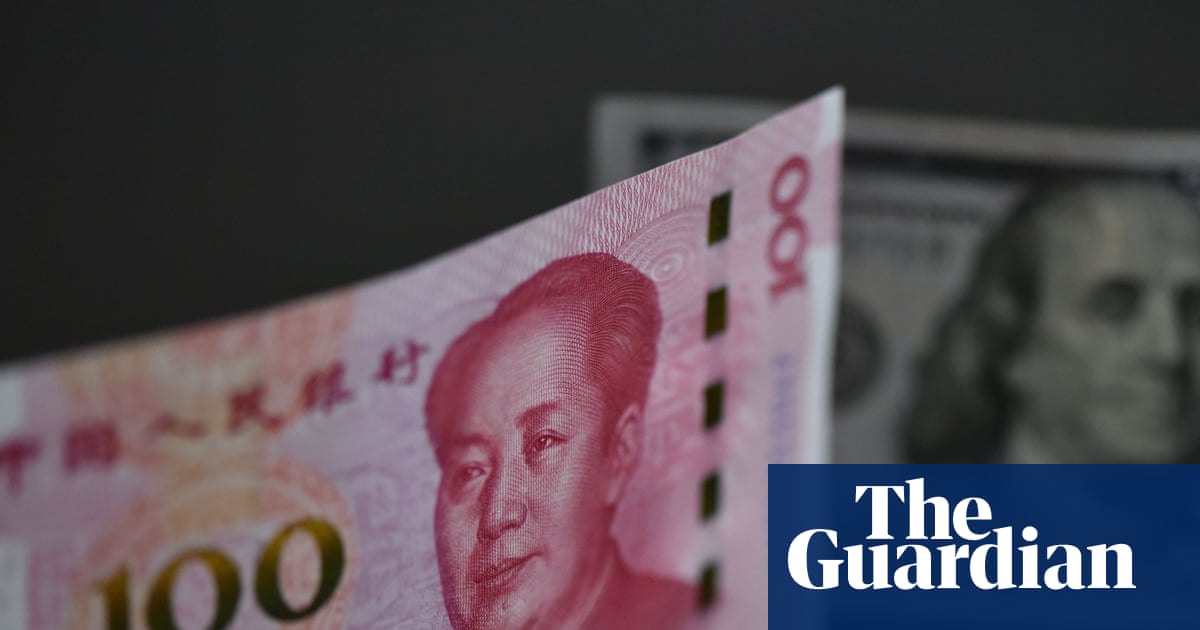
fromLondon Business News | Londonlovesbusiness.com
3 weeks agoBlockade of the Strait of Hormuz will cause 'significant extra costs' for shipping and consumers - London Business News | Londonlovesbusiness.com
Khamenei insisted that Iran would continue to use control of the waterway - through which roughly one-fifth of global oil and gas flows - as a tool of economic and strategic pressure on the U.S. and its allies, underscoring persistent regional tensions.
World news

World politics
fromBusiness Insider
1 month agoTons of goods are stuck around the Middle East amid shipping and air chaos
US-Israel military strikes on Iran are causing major shipping lines to suspend services, reroute vessels, and impose war risk surcharges, disrupting global supply chains across critical trade corridors.


fromFortune
2 months agoA spectre is haunting Europe - the spectre of Trump. Cue the Asian trade deals | Fortune
Stability. Consistency. Ever-changing complexity. With language like that, deployed in separate meetings in three Asian capitals this week, government leaders forged closer ties driven in part by a figure halfway around the world: the president of the United States. And much of the time, they didn't even mention Donald Trump's name. IN BEIJING: The U.K. and Chinese leaders called Thursday for a "long-term, stable, and comprehensive strategic partnership" between their two countries. The important words are long-term and stable. The two countries committed a decade ago to building a comprehensive strategic partnership but progress has been halting at best.
World politics
fromwww.dw.com
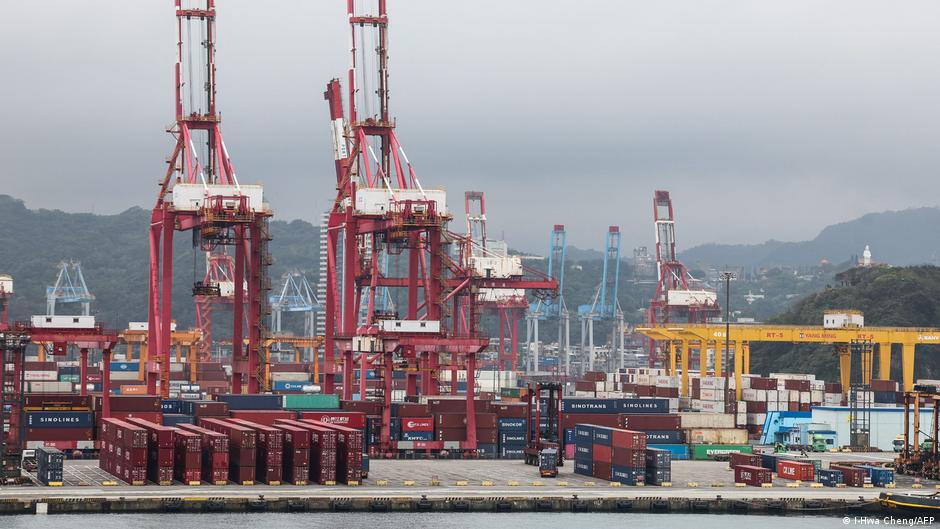
2 months agoChina logs record trade surplus in 2025 amid Trump tariffs
China recorded strong exports in 2025 with a record $1.2 trillion trade surplus, as producers shifted their focus to markets other than the US amid Trump's tariffs. Customs data showed that Beijing's global surplus rose 20% from the previous year, which saw a $992 billion surplus. Exports in 2025 stood at $3.7 trillion and imports at $2.58 trillion, government data showed on Wednesday. The record surplus was aided by a 6.6% bump in exports in the month of December when compared to December 2024,
World news
fromwww.dw.com
2 months agoChina stays resilient in first year of Trump 2.0
[The Trump administration] may have entered the office thinking that they could use their economic leverage to push China in certain policy directions," said Amanda Hsiao, a China studies director at the Eurasia Group consultancy.
World news
[ Load more ]