#tripoli-lna-rivalry
#tripoli-lna-rivalry
[ follow ]

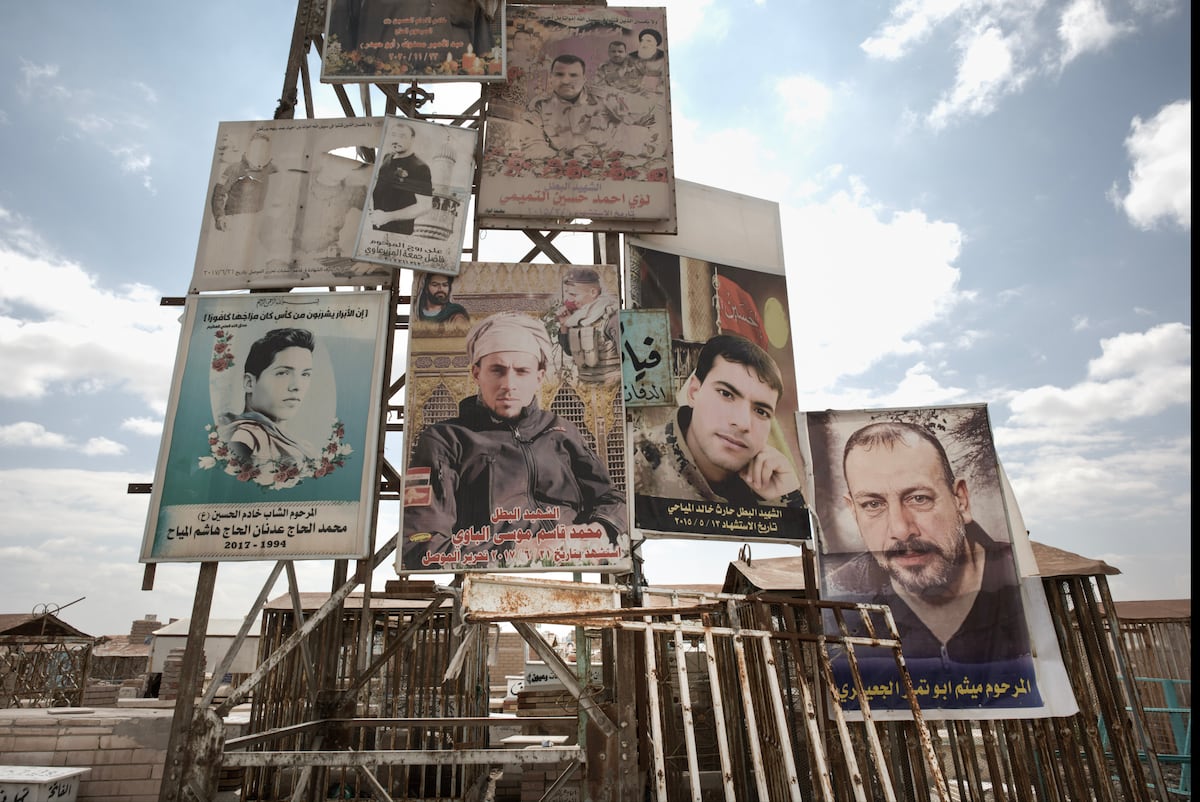
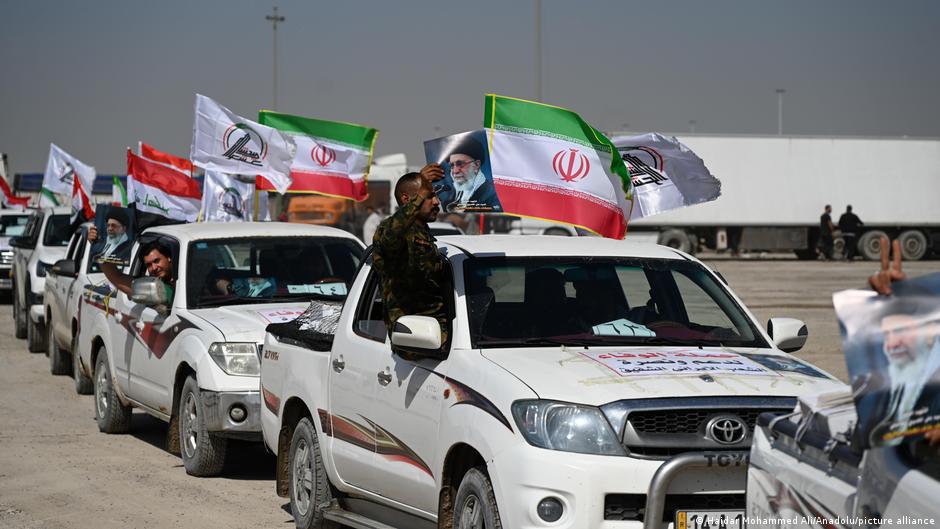
fromwww.aljazeera.com
5 days agoAnalysis: Hezbollah backs Iran ambassador as conflict deepens Lebanon rifts
The ambassador's refusal to leave reflects a deeper political contest over legitimacy and authority, as tensions rise between supporters and opponents of Hezbollah amid the ongoing conflict.
France politics






Miscellaneous
fromwww.theguardian.com
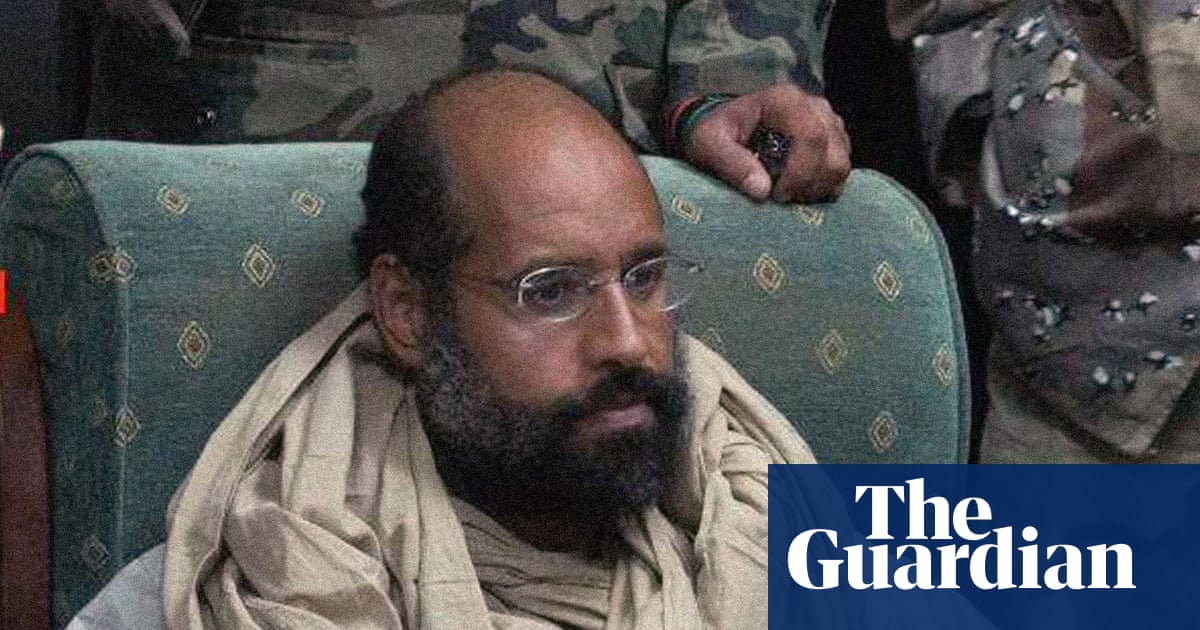
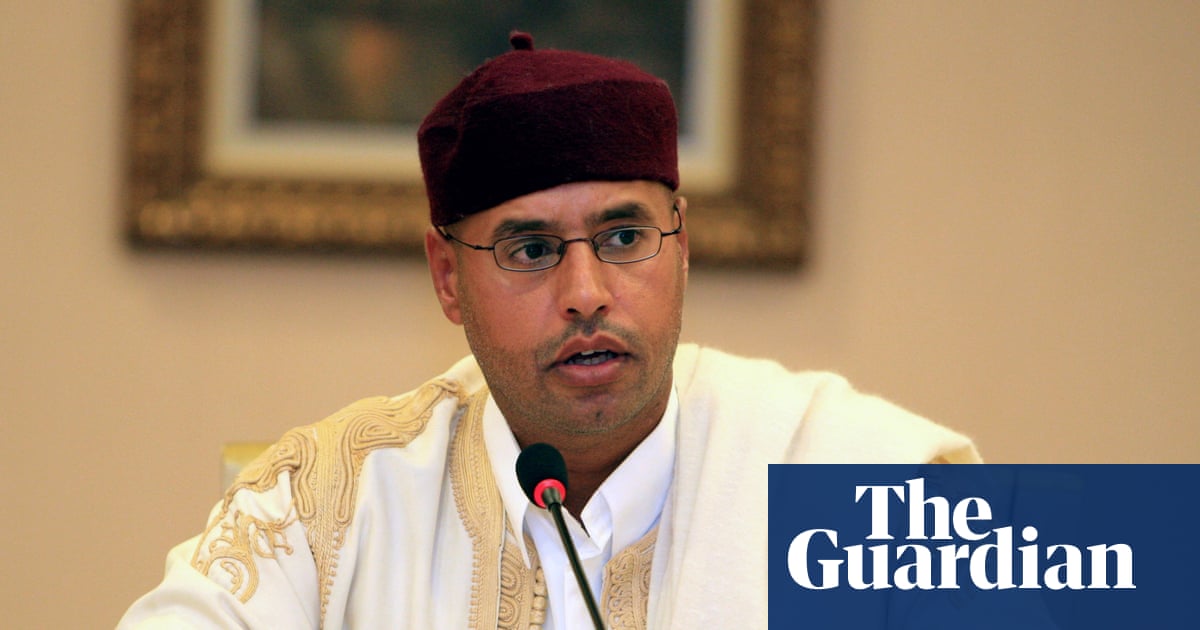
1 month agoPower without a throne: how Khalifa Haftar controls Libya and is answerable to no one
Libya's control over Mediterranean migration routes and geopolitical instability makes it crucial to European security, with military strongman Khalifa Haftar wielding actual power despite competing governments.

France politics
fromwww.dw.com
3 weeks agoLebanese brace as Hezbollah-Israel attacks escalate
Israeli strikes on Lebanon following Hezbollah attacks have killed hundreds, displaced over 750,000 people, and created a severe humanitarian crisis affecting civilians including children with medical vulnerabilities.
France politics
fromwww.aljazeera.com
4 weeks agoHezbollah, Israeli troops clash on the ground in eastern Lebanon's Bekaa
Israeli air raids on Lebanon's Nabi Chit killed at least 16 people and wounded 35, with clashes erupting as Israeli forces attempted a landing operation near the Lebanon-Syria border involving Hezbollah fighters.
fromAxios
3 weeks agoThis military rebel group could join the Iran war next against the U.S.
Iran's new supreme leader Mojtaba Khamenei vowed retaliation against Israel and the U.S. for its campaign against Iran. He also thanked Hezbollah in Lebanon, the pro-Iranian militias in Iraq and the Houthis in Yemen for their support, suggesting the Houthis could be next to join the war.
World politics
World politics
fromwww.theguardian.com
3 weeks agoIran's regional proxies hold back from all-out war with US and Israel
Iranian-backed militias are conducting limited retaliatory attacks while maintaining strategic restraint, possibly preserving forces for escalation or indicating command control breakdown.
fromwww.aljazeera.com
1 month agoLebanon's ban on Hezbollah activities': bold but difficult to implement
Implementation of the government's decision to disarm Hezbollah was more plausible today than in previous years because the decision reflects unusually broad national backing, including from within the Shia political sphere. Amal's vote in favour signals that support for consolidating arms under state authority is no longer framed purely as a sectarian or anti-resistance demand, but increasingly as a state-stabilisation necessity especially amid economic collapse and regional escalation.
France politics
France politics
fromAxios
1 month agoEarthquake in the Gulf: Iran war expands to dozen countries in 72 hours
Operation Epic Fury is a four to five week military campaign that has triggered widespread Iranian retaliation across the Middle East, striking Israel, U.S. bases, and civilian targets across multiple Gulf nations.
fromwww.aljazeera.com
3 weeks agoAttacks from all sides: Why Iraq was dragged into US-Israel war on Iran
Within hours of the United States-Israeli attacks on Iran, US assets in Iraq's Kurdistan region came under retaliatory attacks from Tehran-backed groups, dragging the country into the conflict that has since expanded across the Middle East and beyond. Since then, US assets located in Iraq have come under multiple attacks from pro-Iran groups and Iran's powerful Revolutionary Guard Corps (IGRC).
World news
France politics
fromwww.dw.com
1 month agoLebanon: Israel trades fire with Hezbollah in south and east
Israel conducted extensive strikes on Lebanon after Hezbollah fired missiles in response to Iran's Supreme Leader's death, killing a senior Hezbollah intelligence official and prompting mass civilian evacuations.
World politics
fromwww.theguardian.com
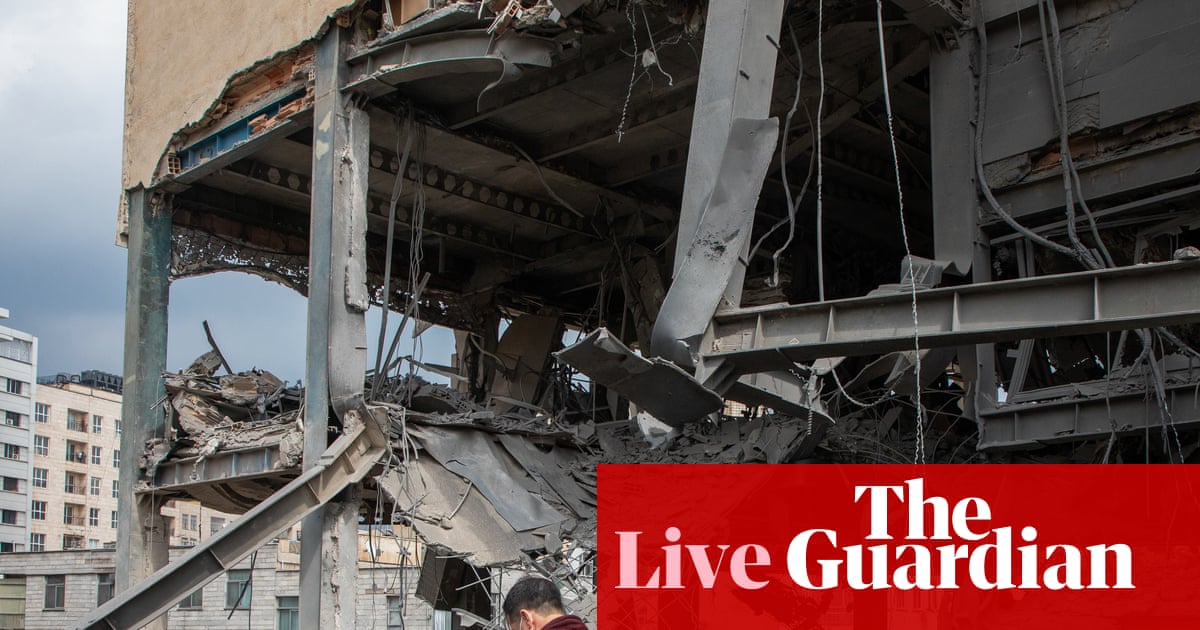
4 weeks agoMiddle East crisis live: explosions rock Tehran as Iran war enters second week
The US-Israel conflict with Iran escalates into its second week with expanded military operations, Trump demanding unconditional surrender, and diplomatic mediation efforts emerging amid intensifying attacks across multiple countries.
World news
fromwww.aljazeera.com
3 weeks agoSudan's devastating war rages on as regional rivalries deepen
Sudan's civil war, entering its fourth year, is increasingly regionalized with external powers supporting opposing sides, prolonging conflict and preventing settlement while civilians suffer severe consequences.
France politics
fromwww.aljazeera.com
1 month agoLebanese PM Nawaf Salam announces ban on Hezbollah's military activities
Lebanon's Prime Minister Nawaf Salam banned Hezbollah's military activities and declared all such operations illegal following the group's attacks on Israel and subsequent Israeli air strikes on Beirut.
World news
fromIrish Independent
4 weeks agoExplosions rock Iran's capital and more attacks target Israel
Israel launched intense bombardments on Iran as the US approved arms sales and warned of escalating military campaigns, while Iran vowed defensive measures and regional tensions spread across the Middle East.
World news
fromwww.aljazeera.com
1 month agoWill the Houthis join Iran's war?
Abdel-Malik al-Houthi faces a critical decision on whether to militarily intervene following Iran's Supreme Leader assassination, with his recent speeches showing solidarity but notably lacking explicit military commitment or escalation threats.
World politics
fromwww.mercurynews.com
1 month agoOpinion: Killing an enemy leader often escalates conflict and chaos
Decapitation strategy—killing enemy leaders—succeeds tactically but fails strategically in nationalist conflicts because nationalism evolves and strengthens after foreign attacks rather than collapsing.
fromwww.aljazeera.com
1 month agoWhat are the implications of Iran's strikes on Gulf Arab states?
Iran has attacked the Gulf Arab states, hitting civilian buildings and energy infrastructure, as well as military bases hosting United States forces in the Gulf. The impact of the US-Israeli strikes on Iran is being felt across the region.
World news
World news
fromwww.independent.co.uk
1 month agoIsrael sends troops into southern Lebanon as Hezbollah says it is ready for open war
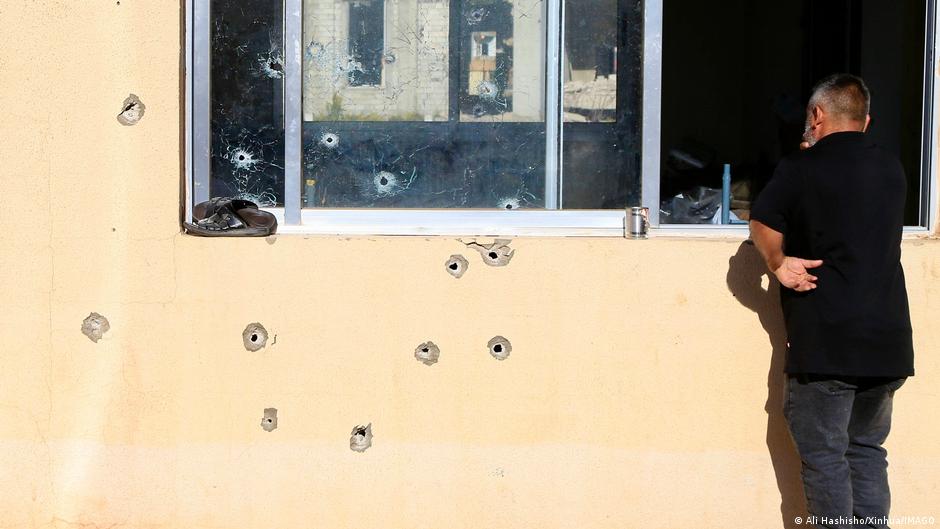
Israel deployed additional troops into southern Lebanon and ordered evacuations from over 80 villages as Hezbollah declared readiness for open war, following escalating rocket and airstrike exchanges.
World news
fromwww.dw.com
1 month agoWill Gulf states enter the Iran war?
Iran launched widespread missile attacks across Gulf states targeting US military bases, civilian infrastructure, and energy facilities, escalating regional tensions and prompting Gulf states to reassess their defense strategies.





[ Load more ]