#troop-injuries
#troop-injuries
[ follow ]
#trauma #mental-health #childhood-trauma #ptsd #healing #veterans-affairs #moral-injury #resilience #injury
fromSherdog
3 days agoEx-UFC champ shatters nose in training, elects against corrective surgery
"What a good day, and what a stupid accident...again. Five years after [my previous nose break], my nose is f---ed up even worse [laughs]. As you see, it's even more cracked the same direction, and when I touch [my nose], my bones are broken inside."
MMA
#trauma
Mental health
fromPsychology Today
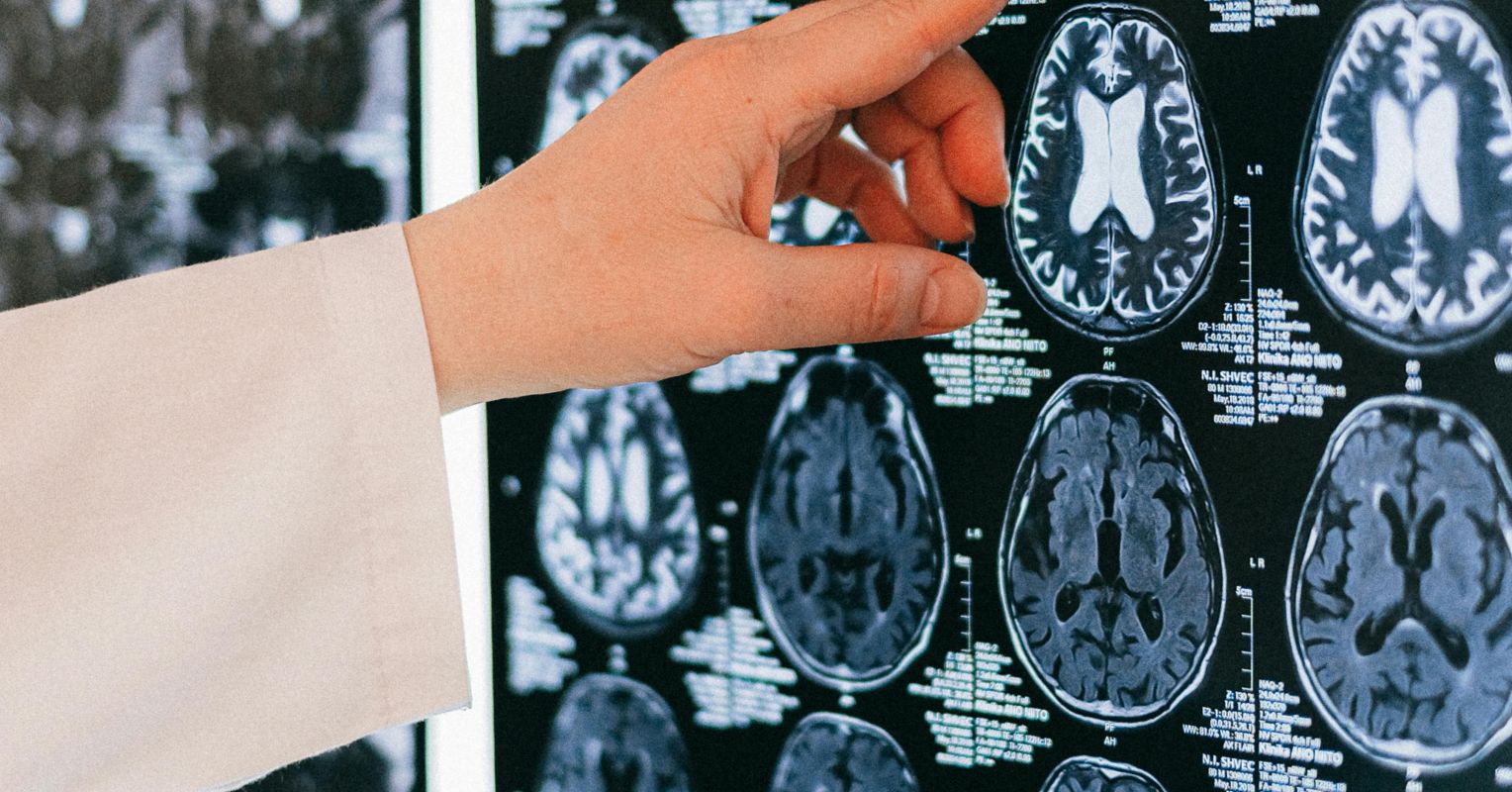
4 days agoWhy Shame Is Central in Trauma
Shame is a central emotion in trauma, particularly interpersonal trauma, affecting healing and self-worth.
Mental health
fromPsychology Today
2 weeks agoHow Trauma Disrupts 6 Universal Psychological Needs
Trauma disrupts six universal psychological needs, impacting recovery and emotional stability.

fromThe American Conservative
2 weeks agoVeterans Have Earned The Right To Ask. It's Time We Did.
We Americans who will protect our flag should have a voice in where it is flown. Despite his unimpeachable record of heroism and patriotism, he was disparaged and mocked by his government and the corporate press.
Right-wing politics
fromPsychology Today
1 week agoUkrainian Medics Are Remaking Medicine in Extreme Areas
"It really works, and I think it would work in other wars," said Rina Reznik, a medic from eastern Ukraine. She studied neurobiology at university, and currently serves as the head of medical supplies in the Azov Brigade. "It's cutting-edge technology."
Medicine
fromWIRED
1 week agoThe Ghosts of Al-Shifa Hospital
Gauze saves lives, but Al-Shifa Hospital in Gaza City must ration what little it has, months into a supposed ceasefire. The near-absence of gauze in the land of its apparent birth means that health care providers have no choice but to send patients home without it.
Healthcare
fromPsychology Today
2 weeks agoUkraine's Other Battle: Healing the Invisible Wounds of War
With millions of soldiers estimated to be suffering from trauma-related conditions, not to mention civilians, Ukraine faces an urgent question: How will it treat the lasting mental scars of war? Among the emerging possibilities is psychedelic-assisted therapy (PAT) in treatment of war-related trauma, a controversial yet increasingly researched approach that some experts believe could play a transformative role in veteran mental health care.
Russo-Ukrainian War
Writing
fromwww.theguardian.com
3 weeks agoExperience: I suffered terrible burns as a child then became a firefighter
A severe burn accident at age six caused third- and fourth-degree burns on 73% of the body, requiring a year of hospitalization and long-term recovery, fundamentally shaping life trajectory and resilience.

fromAxios
3 weeks ago140 U.S. service members injured in Iran war
Chief Pentagon Spokesman Sean Parnell said eight service members are still listed as severely injured and are "receiving the highest level of medical care." He added that most of the injuries have been minor, and 108 of those wounded have returned to duty.
US Elections
Healthcare
fromPsychology Today
2 weeks agoBuilding a Therapeutic Revolution: Veterans Lead the Way
Therapeutic alliance—the collaborative bond between clinician and patient—extends beyond individual clinical encounters to systemic mental health care structures, particularly for treating complex conditions like PTSD and substance use disorders in veteran populations.
US news
fromwww.mediaite.com
3 weeks agoBrain Trauma, Shrapnel Trauma and Burns': Iranian Attack That Killed 7 US Soldiers Worse Than Originally Known
An Iranian drone strike on March 1 killed seven U.S. soldiers and injured dozens more with brain trauma, shrapnel wounds, burns, and amputations, far exceeding initial casualty reports.
Miscellaneous
fromPsychology Today
1 month agoWar as a Psychological State
Authoritarian and narcissistic leaders share a fragile ego unable to tolerate challenge, causing them to experience political opposition as personal threat and deploy military as an extension of their distorted ego rather than as a policy tool.
Public health
fromThe Jerusalem Post | JPost.com
1 month agoTel Aviv strike destroys home of addiction clinic director | The Jerusalem Post
Maya Riftin, manager of an addiction treatment clinic in Tel Aviv, returned to work hours after her home was destroyed, drawing strength from her patients' daily struggles with rehabilitation.
Healthcare
fromwww.theguardian.com
3 weeks agoThis doctor treated migrants' severe injuries at the US-Mexico wall: Political decisions made it as violent as possible'
Dr. Brian Elmore established a mobile clinic in Ciudad Juarez to provide emergency medical care to migrants facing severe injuries and limited healthcare access near the US-Mexico border.
Information security
fromThe Hacker News
1 month agoTop 5 Ways Broken Triage Increases Business Risk Instead of Reducing It
Triage failures occur when decisions are made without execution evidence, causing false positives, missed threats, and higher costs; interactive sandboxes enable evidence-backed verdicts within seconds.
fromwww.theguardian.com
3 weeks agoThe light will always outshine the dark': trauma surgeon Shehan Hettiaratchy on his harrowing, heartening calling
There was a collective fear that we're under attack — there are people on the streets of London trying to kill our fellow Londoners. On the day itself, Hettiaratchy was in charge and had to think practically and methodically: This is patient A, patient B, patient C; what are the injuries, what needs to happen, what needs to go on?
Healthcare
Miscellaneous
fromPsychology Today
1 month agoHow Non-Traumatic Events Trigger Trauma Responses
Emotional dysregulation causes some individuals to experience trauma responses to non-traumatic events, leading to chronic nervous system overstimulation and impaired daily functioning that improves through desensitization and exposure.
fromSlate Magazine
2 weeks agoSoldiers Need to Understand Why They're Fighting. I Know What Happens When They Don't.
The research shows that for many who are diagnosed with PTSD, the condition arises not from what was done to us but what we did—or what we failed to prevent. This mechanism, known as moral injury, can be sympathetic ('I couldn't save them') but is often not sympathetic at all ('I killed them'). For people carrying this factor in PTSD, the task of integration, of sitting with and holding what we've done, is far more challenging.
Mental health
US news
fromBusiness Insider
4 weeks agoThe survival training that kicks in after a US pilot is shot down
Pilot survival training through ejection preparation is critical because improper body positioning during emergency ejection can cause severe injury or death, as demonstrated by a recent friendly-fire incident involving three F-15E Strike Eagles.
#mental-health-crisis
Mental health
fromwww.dw.com
3 weeks agoLiving amid bombings in Iran: How fear impacts mental health
Chronic exposure to violence, war, and government oppression in Iran significantly increases mental health conditions including PTSD, anxiety, and depression, while unmet basic needs erode social relationships that are critical for resilience.
Mental health
fromwww.dw.com
3 weeks agoLiving amid bombings in Iran: How fear impacts mental health
Chronic exposure to violence, war, and government oppression in Iran significantly increases mental health conditions including PTSD, anxiety, and depression, while unmet basic needs erode social relationships that are critical for resilience.
Healthcare
fromNextgov.com
3 weeks agoVA's early uses of robots have shown mixed success, but excitement remains
The Veterans Affairs system is deploying robots across 65 medical facilities for delivery, pharmaceutical tasks, and cleaning to address staffing shortages and allow clinical staff to focus on higher-level work.
fromSlate Magazine
1 month agoTrump Wants Veterans to Lose Benefits As Soon As Their PTSD Symptoms Are Treated. There's One Problem With That.
During the troop surge in Iraq, I learned to constantly scan for threats, how to distinguish the sharp crack of a gunshot pointed in my direction from one outgoing toward an enemy, and the myriad ways that explosives can be hidden on a roadside. I learned that hypervigilance can be the difference between life and death. What I didn't learn was how to turn it off. Now, I take three psychiatric medications every day, and I go to therapy every week.
Law
fromBusiness Insider
1 month agoThere's a new US Army office 'getting in the dirt' with soldiers and trying to quickly turn their ideas into real battlefield tech
Number one is speed takes priority over perfection. We can iterate to get to operational capability. And the second is that early soldier feedback is critical in order to make sure we're getting the right technology for the future fight, and then we want to be able to prove the demand signal before we spend big dollars on programs.
US news
Careers
fromBusiness Insider
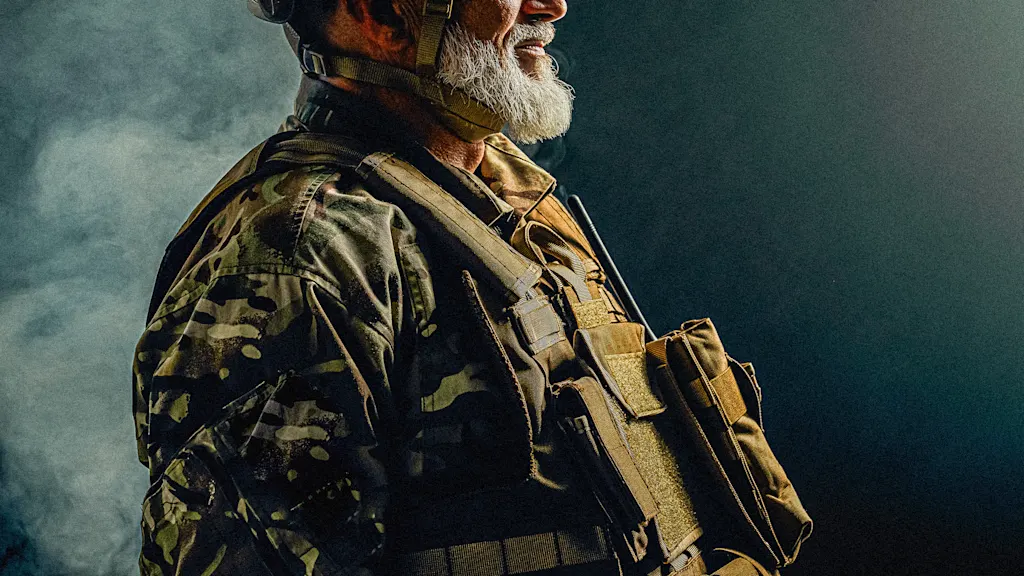
2 months agoMedics aren't seeing many gunshot wounds in Ukraine. It's blast and shrapnel injuries in a 'war of remote destruction.'
Combat injuries in Ukraine are predominantly blast- and shrapnel-caused—fragmentation, burns, internal blast trauma, and amputations—exacerbated by drones, artillery, and mines.

Mental health
fromPsychology Today
1 month agoNavigating the Messy Middle of Disaster Recovery
Disaster recovery extends beyond the initial crisis phase; year two brings psychological challenges including chronic stress, financial strain, and bureaucratic delays that impair functioning and compound trauma.


fromThe American Conservative
2 months agoCommander-in-Tired
Though the 83-year-old (who will turn 84 in two weeks) is rarely spotted in the Capitol these days, his vocal opposition to President Donald Trump on a myriad of issues is louder and more present than ever when deemed useful for the motivated liberal press. For instance, McConnell was quoted far and wide last month after he criticized Trump's desire to acquire Greenland, a move the Kentuckian suggested would "incinerate" the threadbare alliance that remains between the United States and NATO.
Right-wing politics
US politics
fromBusiness Insider
2 months agoThe Department of Veterans Affairs gutted its workforce. Lawmakers say veterans are now paying the price.
The Department of Veterans Affairs lost over 40,000 employees in FY2025, primarily healthcare staff, reducing capacity for mental health care and appointment access.
fromFuturism
1 month agoHospital Evacuated When Man Arrives With WW1 Shell Stuck in the Wildest Part of His Body Imaginable
Now, in a twist to the age-old story that even the writing room of "Grey's Anatomy" couldn't have come up with, a man in France was rushed to the operating room after staffers at the Rangueil Hospital in Toulouse found out he had shoved a 37mm brass-and-copper "collectible shell" that was used by the Imperial German Army during World War 1 up his rectum.
Medicine
fromPsychology Today
2 months agoCellular Memory, Trauma, and Fear
They are known, as it were, from the neck up. The cellular memory of facts and experiences, however, connects mind and body: My body recalls that showing my true feelings in childhood led to a put-down. A slammed door meant that Dad was home and drunk. The specific fact/event may be forgotten, but the bodily reaction remains: Any slamming noise may induce terror.
Mindfulness
fromBuzzFeed
1 month agoFirst Responders Are Calling Out The "Fatal" Safety Mistakes You Should Never, Ever Make
If you are choking and are alone, try to get yourself into a high-traffic area, such as a hallway in a building or outside your house. If you pass out, you're way more likely to be found as opposed to being in a room in a building or your house. Call 911 even though you can't speak. Someone will be sent to your location by dispatch.
Public health
from24/7 Wall St.
2 months agoWhy Navy SEAL Weapons Training Breaks All the Rules
At a glance, Navy SEALs don't appear to use radically different weapons than conventional infantry units. The difference is not the rifle or the optic, but how those weapons are trained and judged under pressure. SEAL missions rarely allow clean sight pictures or predictable engagements, and their training reflects that reality. Here, 24/7 Wall St. is taking a closer look at how Navy SEAL weapons training differs from conventional infantry.
US news
fromPsychology Today
1 month agoOn Helping Warriors Come Home
For many veterans, returning home marks not resolution but the beginning of a quieter struggle. Despite decades of innovation in trauma-focused therapies and medication, a substantial number continue to live with psychological injuries that existing treatments only partly address. Their trauma is not merely a cluster of symptoms; it is a disruption of identity, moral coherence, and belonging. It reflects lived experience often shaped by early adversity, military culture, and the potentially socially isolating aftermath of service.
Mental health
Mental health
fromLondon Business News | Londonlovesbusiness.com
2 months agoEmotional and psychological changes after head trauma and the importance of legal protection - London Business News | Londonlovesbusiness.com
Traumatic brain injuries often cause delayed, persistent emotional and psychological problems requiring specialized care and compensation to access neurorehabilitation and support.
fromPsychology Today
2 months agoWhen Talking About Past Hurts Causes Emotional Re-injury
Has this happened to you? You run into someone, and they ask about something that you shared with them that was painful. They start talking about it, and there you go, hurting again? You weren't thinking about it, and the next thing you know, it hurts like it just happened. There are occasions - holidays and family gatherings - where the effects of a past painful experience will reemerge and trigger emotional pain all over again.
Mental health
[ Load more ]