#trump-biden
#trump-biden
[ follow ]
#trump #donald-trump #trump-administration #midterm-elections #iran-war #democratic-party #politics #iran
#trump-administration
Washington DC
fromAbove the Law
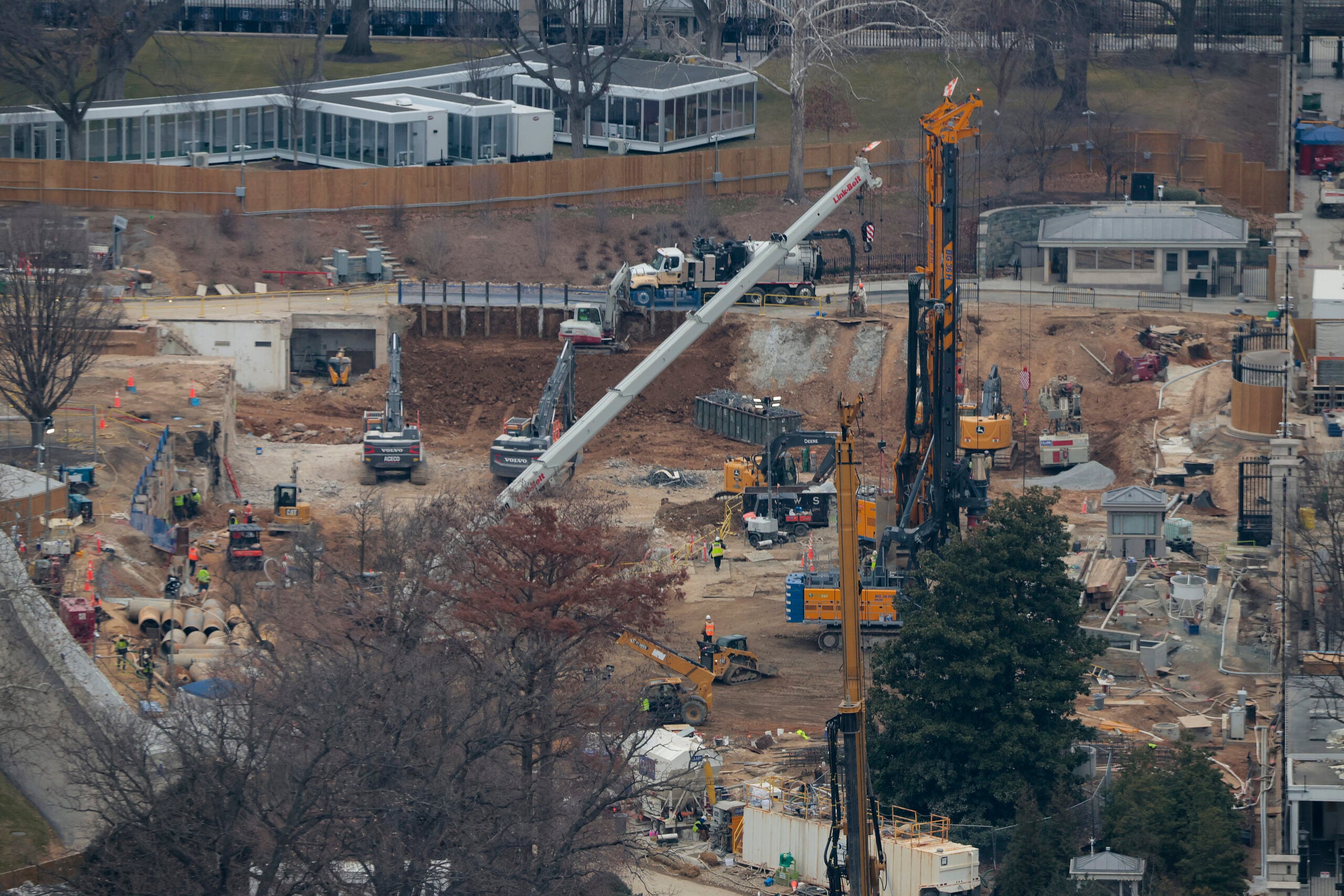
4 days agoTrump Gets Brutal News Flash: The White House Ain't Mar-A-Lago - Above the Law
Judge Richard Leon granted a preliminary injunction halting the Trump administration's East Wing demolition for a ballroom, emphasizing presidential limitations on national landmarks.
fromwww.mediaite.com
3 days agoElection Law Expert Tells Dan Abrams Trump's Mail-in Voting Executive Order Is Dead on Arrival
The Article I Section 4 was drafted by the Framers specifically to grant primary authority to regulate elections to the states, to the state legislatures. It also gave the authority to Congress to act directly, but one entity it didn't give any authority whatsoever to was the President of the United States.
US Elections
fromwww.mediaite.com
5 days agoCNN Twists the Knife on Trump Using His Own Rants on Gas Prices
CNN's Manu Raju pointed out that Donald Trump frequently touted low gas prices during his presidency, but when prices rose under Biden, he shifted to attacking the current administration. Raju stated, 'And the person who liked to talk about it a lot was none other than Donald J. Trump.'
US Elections
fromIntelligencer
3 weeks agoTrump Has Handed the Democrats a New Winning Issue for the Midterms
Affordability has been, understandably, the watchword for Democratic candidates over the last year. After downplaying inflation under Joe Biden, the party learned a brutal lesson when Donald Trump rode the cost-of-living crisis back to the White House in 2024. In 2025, Zohran Mamdani put affordability at the center of his own campaign and surged from the back of the pack to City Hall.
US politics
US politics
fromAxios
4 weeks agoTrump says nothing else gets signed until Congress passes his voting bill
President Trump demands immediate passage of the SAVE Act with additional restrictions on mail-in voting and gender-affirming care, threatening not to sign any Department of Homeland Security funding bill that doesn't meet his demands.
US Elections
fromwww.npr.org
4 weeks agoTrump says he won't sign bills until Congress overhauls voting
President Trump threatened to withhold his signature on all bills until Congress passes the SAVE America Act, which would require voters to prove citizenship with documents like passports or birth certificates.
fromwww.aljazeera.com
1 month ago'Like it's 2024 again': Inside Trump's midterm election strategy
I'm here because we're starting the campaign to win the midterms. We've got to win the midterms. Trump told the crowd at an Iowa rally, signaling his central role in the Republican Party's midterm strategy despite not being personally on the ballot in 2026.
US politics
fromThe Nation
1 month agoThe Right Had a Plan. We Need One Too.
The New York Times recently reported that four conservative operatives spent the Biden years quietly building the legal and regulatory infrastructure to kill the federal government's ability to fight climate change. Russell Vought. Jeffrey Clark. Mandy Gunasekara. Jonathan Brightbill. They drafted executive orders. They got Heritage Foundation money. They solicited white papers from friendly scientists. They built the whole thing in secret so nobody could stop them before it was done.
US politics
fromwww.dw.com
1 month agoWhy Trump and his Republicans can't take over US elections
"It has been baked in that the states are largely in charge of the election process, and that the federal government can set or override rules for that process if they wish, but it's very specific that that has to be done through Congress and not through lone executive action," said Justin Levitt, a constitutional and law of democracy scholar at Loyola Law School who was a non-partisan policy adviser for Democracy and Voting Rights during the Biden White House.
US politics
US politics
fromAbove the Law
1 month agoWould You Have Voted For Trump If You'd Seen This Future? - Above the Law
Many Trump voters would reconsider their votes if forewarned about pardons for rioters, large inspector-general firings, deadly federal enforcement, rising Russia attacks, and unchanged inflation.
US politics
fromAxios
2 months agoHow Trump's ruthless first year erased the Biden presidency
Trump is reversing Biden-era priorities—rolling back democratic accountability, racial-equity initiatives, expert-driven governance, and climate action while promoting racial grievance, immigration crackdowns, and fossil fuels.

fromIntelligencer
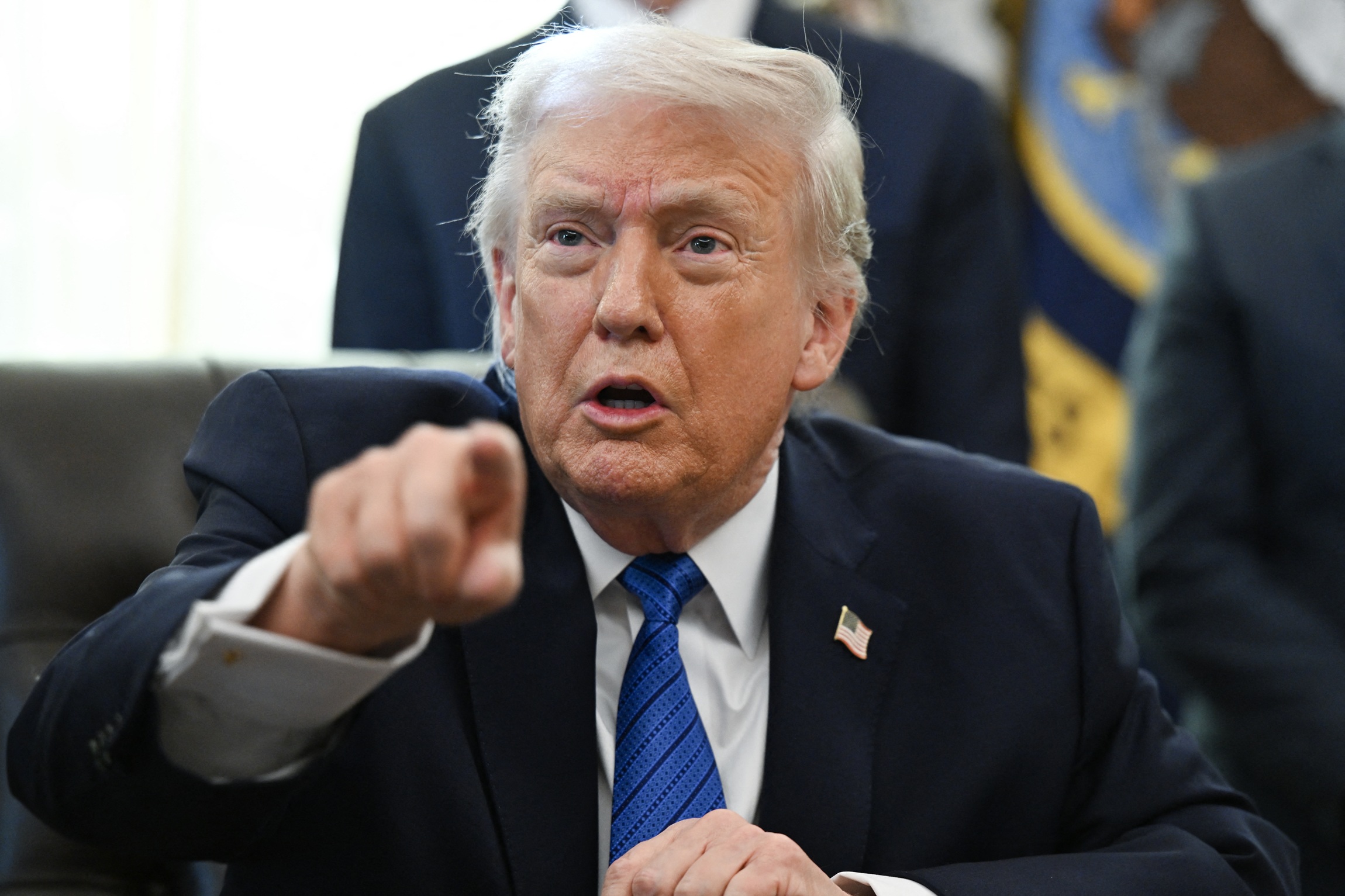
2 months agoTrump Is Losing the Swing Voters He Won in 2024
When President Trump took office for his second term one year ago, he was - at least compared with his usual polling - relatively popular. His approval rating was above 50 percent, and he had made enormous breakthroughs among groups that have traditionally voted Democratic, like young, nonwhite and lower-turnout voters. It had some of the markings of a potential political realignment ...
US politics
[ Load more ]