#truth-and-reconciliation
#truth-and-reconciliation
[ follow ]
#south-africa #human-rights #reparations #apartheid-legacy #slavery #united-nations #cultural-restitution
France politics
fromwww.theguardian.com
1 week agoIt's going to give us closure': could there finally be justice for the murder of Patrice Lumumba?
Patrice Lumumba's assassination symbolizes the suppression of pan-African liberation by colonial forces, with a Belgian diplomat now facing trial decades later.
#argentina
Social justice
fromenglish.elpais.com
1 week agoFrom testimony and denunciation to irony and humor: A 50-year cultural battle for the memory of the dictatorship in Argentina
Fifty years after Argentina's dictatorship, memory, truth, and justice are threatened, yet cultural expressions continue to address the trauma of genocide.
LGBT
fromLGBTQ Nation
2 weeks agoSouth Africa was on the cutting edge of LGBTQ+ equality. Why hasn't it banned conversion therapy? - LGBTQ Nation
Conversion therapy has damaging effects on transgender individuals, and Africa's historical acceptance of queer identities contrasts sharply with current intolerance.
fromwww.dw.com
3 weeks agoWhy South Africa is sending soldiers into cities
Scenes like this have become common in South Africa. Estimates suggest that around 64 people are killed across the country daily. Figures from the online database Numbeo show how widespread the issue is. Pietermaritzburg, Pretoria, Johannesburg, Durban and Gqeberha, formerly known as Port Elizabeth, rank as the five most dangerous cities in the country.
Canada news
World news
fromwww.theguardian.com
3 weeks agoHow the US far right bought into the myth of white South Africa's persecution
Orania, a segregated South African town established in 1991, maintains racial exclusivity through private property designation while conducting an experiment in self-sufficiency without relying on people of color for labor.


SF politics
fromwww.aljazeera.com
4 weeks agoSegregation': Multimillion-dollar crime wall causes uproar in S Africa
Cape Town's proposed N2 highway wall to combat crime highlights inequality, as residents lack basic services while authorities fund security infrastructure instead of housing and sanitation improvements.
NYC parents
fromIrish Independent
1 month agoFamily at centre of protest deported back to South Africa
Ireland deported 63 people including nine children to South Africa on a charter flight, including a family who fled xenophobic violence and had their asylum application rejected despite safety concerns.
Psychology
fromSilicon Canals
1 month agoThe art of the late apology: 7 things that happen when someone finally says sorry after 10, 20, or 30 years - and why psychologists say the apology that comes decades late is often the only one that actually changes anything - Silicon Canals
Long-delayed apologies from estranged people can trigger profound emotional release and healing by allowing the nervous system to finally resolve years of stored tension from unresolved conflicts.
Education
fromTruthout
1 month agoWe Must Defend Black History - It Fuels Freedom Dreams of Students Under Attack
Teachers must transform curricula to eliminate biases and systems of domination while protecting vulnerable students, particularly Black students and students of color, from contemporary educational injustices.
Right-wing politics
fromwww.theguardian.com
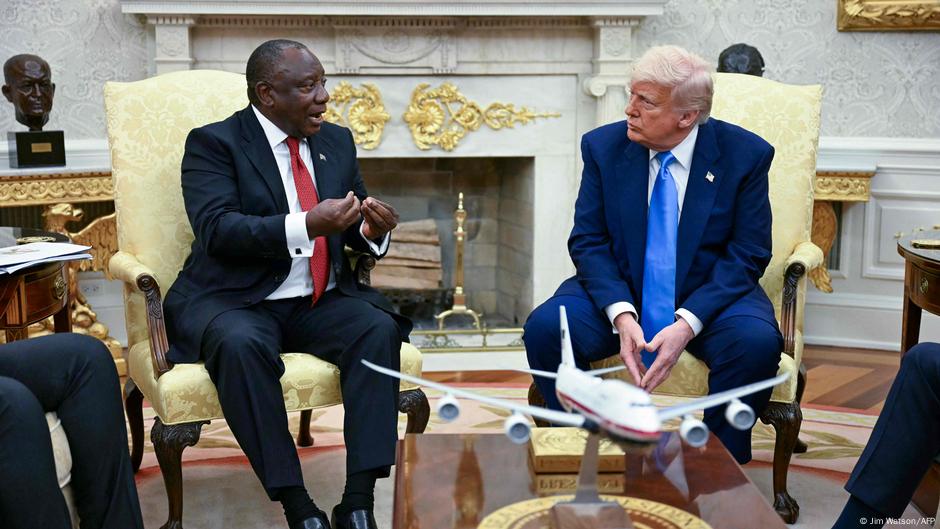
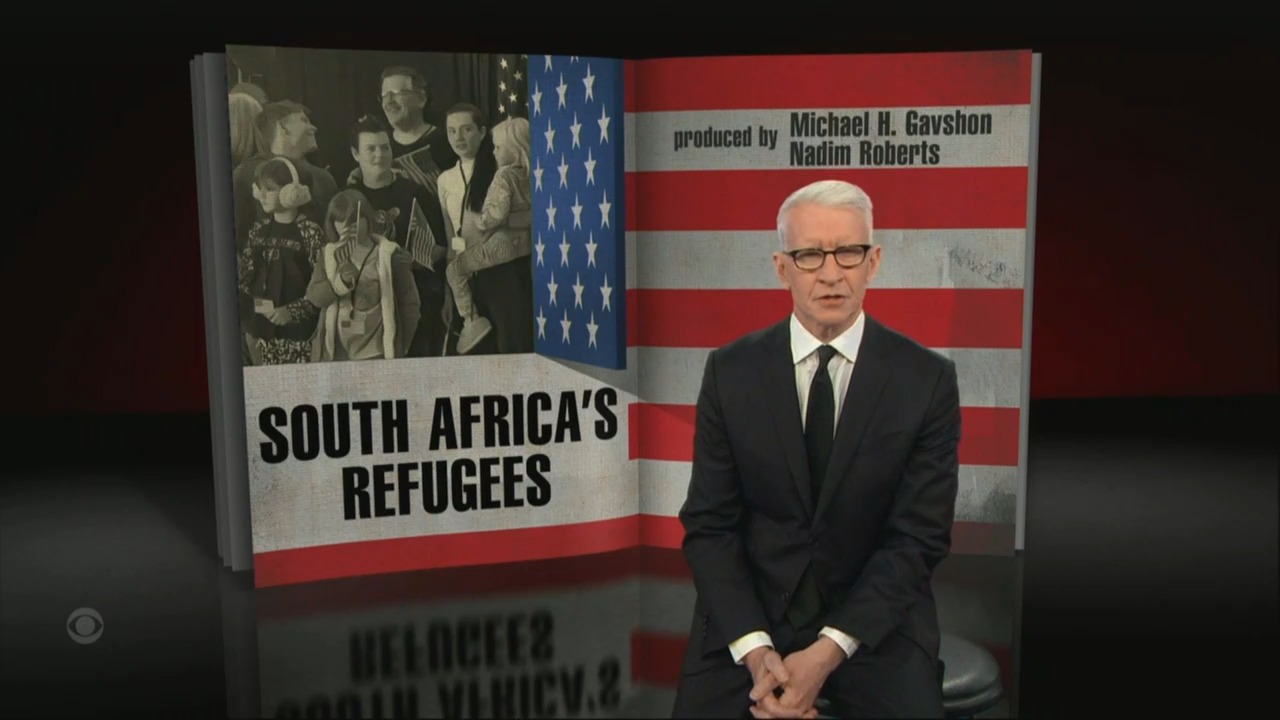
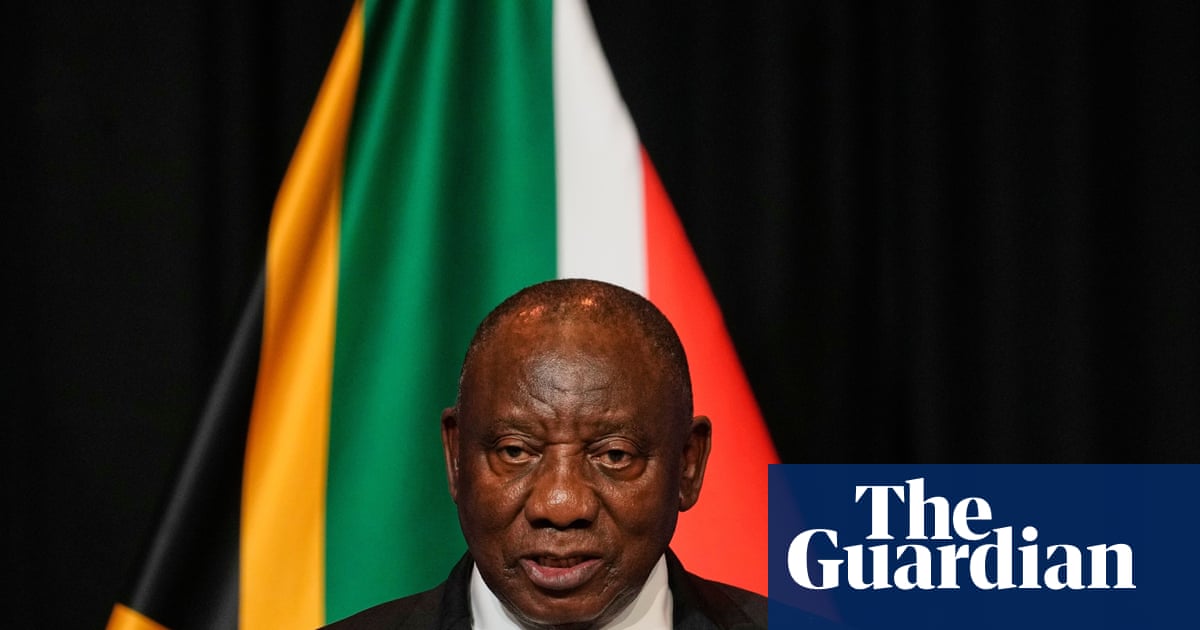
4 weeks agoSouth Africa's president calls Trump's policy to offer refuge to white Afrikaners racist'
South African President Ramaphosa criticizes Trump's refugee policy for white Afrikaners as racist, citing Trump's false claims about white genocide and land seizure in South Africa.
fromHyperallergic
1 month agoThe Uncertain Future of Colombia's Museum of Memory
In 2011, the Colombian government ordered the creation of a national museum "to achieve the strengthening of the collective memory" around the decades-long armed conflict. That same year, it passed the Victims and Land Restitution Law aimed at providing victims with reparations and justice. More than just a curated collection of objects or artworks, the museum, scheduled to be inaugurated in 2018, was conceived as an archive of the violent civil war.
Arts
Social justice
fromwww.theguardian.com
1 week agoIt's time for the UN to formally recognise the transatlantic slavery trade as a crime against humanity | John Dramani Mahama
Ghana calls for UN recognition of transatlantic slavery as a crime against humanity and seeks reparatory justice with global support.
fromwww.theguardian.com
1 month agoRelooted: the South African video game where players take back artefacts from western museums
Players of Relooted become South African sports scientist and parkour expert Nomali, as she leaps and dives through museums to retrieve 70 real objects. They include an Asante gold mask that was taken by the British army when it destroyed the Asante empire's capital, Kumasi, and is now in the Wallace Collection in London. Another object is the skull of the Tanzanian king Mangi Meli, which was taken to Germany after its colonial regime executed him in 1900.
Video games
Social justice
fromwww.theguardian.com
3 weeks agoHistory longs to heal': how Africa hopes to advance campaign for reparative justice
The African Union declared 2025 the year of reparations and extended it through 2036, advancing a continental push for justice and redress for colonialism, slavery, and their lasting impacts.
#gang-violence
Social justice
fromwww.theguardian.com
3 weeks agoLight in this darkness': communities push back against Cape Town gang culture
Cape Flats townships experience devastating gang violence that destroys families, yet community members like Lindy Jacobs persist in creating positive change through youth programs and sports initiatives despite personal tragedy.

Social justice
fromwww.theguardian.com
3 weeks agoLight in this darkness': communities push back against Cape Town gang culture
Cape Flats townships experience devastating gang violence that destroys families, yet community members like Lindy Jacobs persist in creating positive change through youth programs and sports initiatives despite personal tragedy.
Mental health
fromSilicon Canals
1 month agoQuote of the day by Nelson Mandela: "It always seems impossible until it is done" - Silicon Canals
Perceived impossibility often reflects mental magnification and fear; reframing challenges as uncomfortable permits small initial steps that enable major life change.
fromwww.aljazeera.com
1 month agoGambian Jammeh-era victims seek real justice' beyond reparations
Yusupha Mbye's mother pushes his wheelchair slowly across the tiled compound of their home in Kanifing, about 11km (seven miles) from The Gambia's capital, Banjul. The late-afternoon sun hangs low as she pauses to straighten a wrap over his legs, stopping briefly to catch her breath. He has been in this wheelchair since he was a teenager, she told Al Jazeera, wiping away tears. Twenty-six years later, I am still caring for him.
World news
fromwww.dw.com
1 month agoFamilies call for truth on Kosovo War's missing people
"My mother and sisters were killed on that day. For 26 years, I have not known where their bodies are buried. Every time I see a pit, I think they might be lying there," Gashi says. For more than two decades, he has been haunted by the feeling that the truth could lie right beneath his feet, but remains out of reach.
Miscellaneous
World news
fromwww.theguardian.com
2 months agoI thought it was going to perish': the remarkable revival of an endangered language in Lesotho
siPhuthi, a minority language in southern Lesotho and northeastern South Africa, has undergone a revival through local collaboration with linguists documenting speakers and traditions.
[ Load more ]