#uefa-sanction
#uefa-sanction
[ follow ]
#premier-league #chelsea #barcelona #football #champions-league #chelsea-fc #uefa #financial-fair-play #everton
#barcelona


FC Barcelona
fromESPN.com
3 days agoBarcelona president Joan Laporta rages at FIFA over Raphinha injury
Barcelona president Joan Laporta criticized FIFA for not considering club interests after Raphinha's injury during an international friendly.

FC Barcelona
fromBarca Universal
2 months agoLa Liga president talks Barcelona fair play situation, Lamine, Raphinha: 'He's made the difference' | Barca Universal
Barcelona's finances are improving under financial fair play; stadium revenue and a return to the 1:1 rule are expected to increase income and compliance.


fromwww.fourfourtwo.com
1 week agoEverton may be banned from Europa League next season due to UEFA ownership rules: report
Crystal Palace's historic FA Cup triumph secured their place in Europe, but they were punished for breaching multi-club ownership rules, resulting in their demotion to the Conference League.
Liverpool FC
Higher education
fromInside Higher Ed | Higher Education News, Events and Jobs
4 days agoWhat Public Records Reveal About College Football's Spending
Colleges are under scrutiny for excessive spending on athletics, particularly football, with significant funds allocated to seemingly frivolous expenses.
fromwww.bbc.com
2 days agoPlayer strain, brain health and cyber threats high on FA priorities
The ongoing discussions regarding future structural changes to the game, such as the introduction of new tournaments (eg. Fifa Club World Cup), further intensify this challenge. These changes have the potential to significantly reduce the downtime available to elite players, affecting their recovery and overall well-being.
Soccer (FIFA)
#chelsea-fc
Chelsea
fromwww.fourfourtwo.com
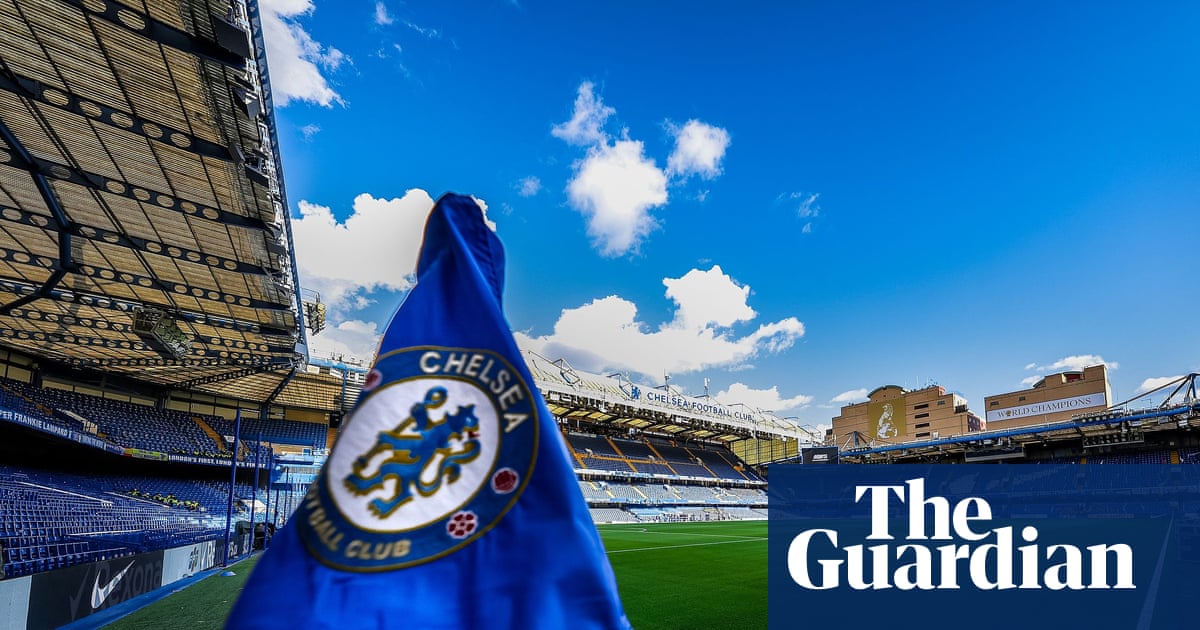
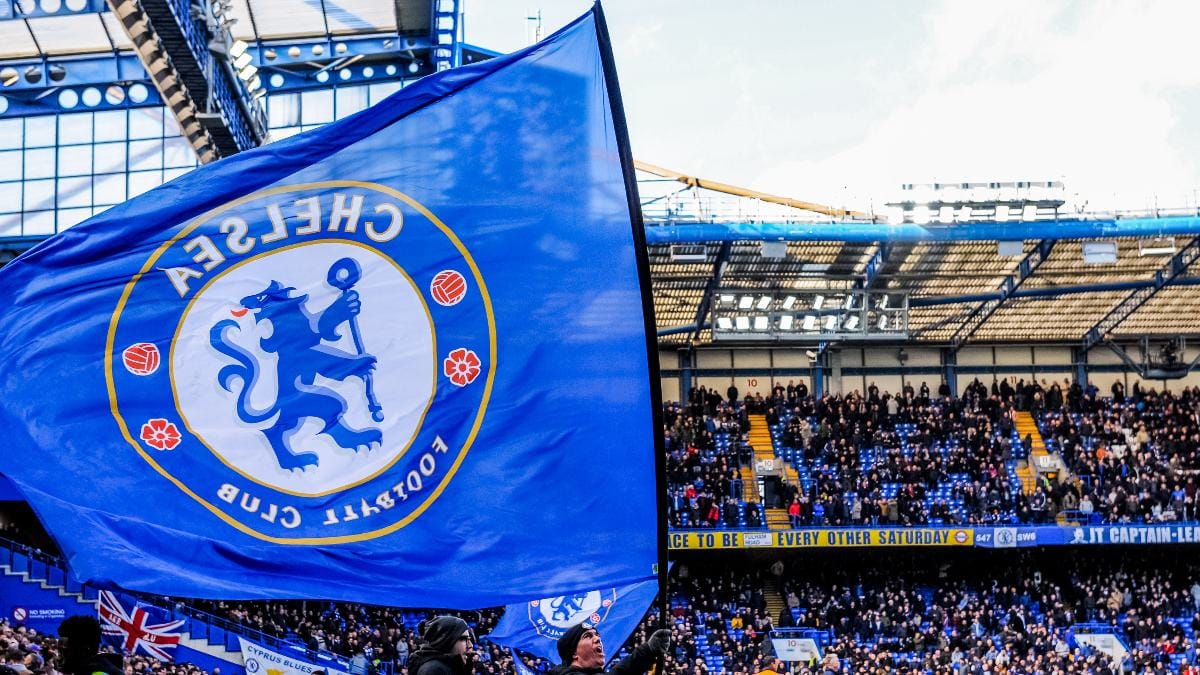
2 weeks agoChelsea slapped with transfer bans and record fine following 'secret payments'
Chelsea received a record £10 million fine for secretly paying £47 million to unregistered agents and third parties between 2011 and 2018, plus transfer market bans and additional penalties.
Chelsea
fromwww.theguardian.com
2 weeks agoChelsea fined 10.75m and given suspended transfer ban over historical rule-breaking
Chelsea received a £10.75m fine and suspended one-year transfer ban for historical breaches including undisclosed third-party payments to players between 2011 and 2018 under Roman Abramovich's ownership.
Chelsea
from101GREATGOALS.COM
2 weeks agoBREAKING: Chelsea fined 10.75m and given suspended transfer ban by Premier League for breaches of regulations
Chelsea received a £10.75 million fine and suspended transfer ban from the Premier League for undisclosed third-party payments to players and agents between 2011 and 2018.
Manchester City
fromwww.fourfourtwo.com
2 weeks agoWhat Manchester City can expect after Premier League issue their biggest-ever fine
Chelsea received the Premier League's largest fine of £10 million for secret transfer payments to unregistered agents between 2011 and 2018, while Manchester City awaits a verdict on 115 charges dating back to 2009-2018.
Europe news
fromwww.theguardian.com
3 weeks agoClubs propose radical redistribution of riches to avoid predictable' Champions League
The Union of European Clubs proposes redistributing €2 billion of UEFA's €4.4 billion revenue pool to all European professional clubs, shifting from elite concentration to broader competitive balance.
English Premier League
fromwww.theguardian.com
2 weeks agoPremier League set to amend spending rules to give clubs more flexibility for transfers
The Premier League will amend its squad cost ratio rules to allow clubs to roll over up to 10% of unspent allowances over two seasons, enabling greater spending flexibility in the third year.
Juventus
fromwww.fourfourtwo.com
1 month agoFootballers who cover their mouths could be sent off following IFAB meeting
FIFA plans to introduce a rule allowing players to be sent off for covering their mouths during confrontations with opponents, following a racial abuse incident involving Vinicius Jr and Gianluca Prestianni.
Chelsea
from101GREATGOALS.COM
2 weeks agoFormer Chelsea executive claims club lucky to get away with 'lenient' financial sanctions
Chelsea received a £10m fine for £47.5m in secret transfer payments, criticized as insufficiently punitive compared to previous Premier League sanctions against other clubs.
Miscellaneous
fromIndependent
1 month agoFAI CEO David Courell says implications of six-point punishment serious enough to play Israel games
FAI CEO David Courell states UEFA has not threatened sanctions beyond six-point deductions for not fulfilling Nations League matches against Israel, and the board decided proceeding with fixtures serves Irish football's sporting interests.
Chelsea
fromwww.caughtoffside.com
2 weeks agoChelsea fined and hit with transfer sanctions after Premier League investigation
Chelsea received a £10.75 million fine and sporting penalties including a nine-month academy registration ban and suspended one-year transfer ban for historical financial breaches between 2011-2018 under Roman Abramovich's ownership.
fromwww.aljazeera.com
2 weeks agoFIFA fines Israel FA citing racism and multiple' discrimination breaches
The club's use of slogans such as 'forever pure', and the repeated chanting of ethnic slurs such as 'terrorist' directed at Arab players, are not isolated incidents but rather form part of a systemic pattern of conduct that offends the basic rules of decent behaviour and brings the sport into disrepute.
Soccer (FIFA)
Chelsea
fromwww.theguardian.com
2 weeks agoThe Premier League is surprisingly lenient': did Chelsea get off lightly?
Chelsea received minimal penalties for over 30 rule breaches involving £47m in off-book payments during the Abramovich era, with fines totaling less than a quarter of Hazard's transfer fee.
fromBarca Universal
1 month agoReport - Real Madrid certain Barcelona will face UEFA sanctions in Negreira case | Barca Universal
Real Madrid, who have presented themselves as private prosecutors in the court investigation, have been at war with the Blaugrana, especially after the latter decided to sever ties with the Super League project and strengthen their relationship with UEFA and EFC. Real Madrid president Florentino Perez has publicly attacked Barcelona on more than one occasion.
FC Barcelona
fromSI
1 month agoWhy Chelsea Face Harsher Punishment Than West Ham for Brawl Sparked by Hammers
Despite only walking away from the incident with one yellow card, while Hammers centre back Jean-Clair Todibo was sent off for throttling João Pedro, it was Chelsea who found themselves fined £325,000 ($440,000) compared to the £300,000 which West Ham have to pay.
English Premier League
Soccer (FIFA)
fromwww.fourfourtwo.com
4 weeks agoFabian Hurzeler gets his wish with new law to affect Arsenal 'time-wasting'
Goalkeepers exploit a rule loophole by feigning injuries to allow their teams impromptu tactical discussions, prompting IFAB to trial new measures in the WSL next season to close this gap.
fromwww.fourfourtwo.com
1 month agoEx-West Brom man costs Champions League club almost 1m in fines due to registration issue
Like many players who reach the back end of their 30s, former West Bromwich Albion and Brighton defender Sebastien Pocognoli moved into the dugout after hanging up his boots in 2021. The former Belgian international made more than 350 senior appearances as a player, which included a two-and-a-half year stint in England, initially signing for West Brom from Hannover 96 in July 2014 for a fee of 1.5 million.
Soccer (FIFA)
Soccer (FIFA)
fromwww.fourfourtwo.com
2 months agoAston Villa face potential European ban despite 'settlement agreement', says financial expert
Aston Villa face strict financial limits—UEFA settlement, PSR pressures and a high wage-to-turnover ratio—constraining transfers and leaving the squad thin despite league position.
fromESPN.com
1 month agoPlayers' union to get UEFA ExCo voting rights after 2-year delay
For the first time, players are formally represented at the highest level of decision-making in European football. It also recognises that players are a core stakeholder in the game and that decisions affecting their work, health, and careers must be taken with their legitimate representatives not only present but actively involved. "This step ensures that players are no longer outside the room. Their position is now part of a formal process: it is recorded, debated and integrated into governance. That is where real change begins.
Soccer (FIFA)
[ Load more ]