#undeclared-wars
#undeclared-wars
[ follow ]
#iran #us-military #middle-east #military-strategy #iran-war #iran-conflict #cia #middle-east-conflict #espionage
World news
fromLondon Business News | Londonlovesbusiness.com
8 hours agoInside the daring US rescue mission deep inside Iran - London Business News | Londonlovesbusiness.com
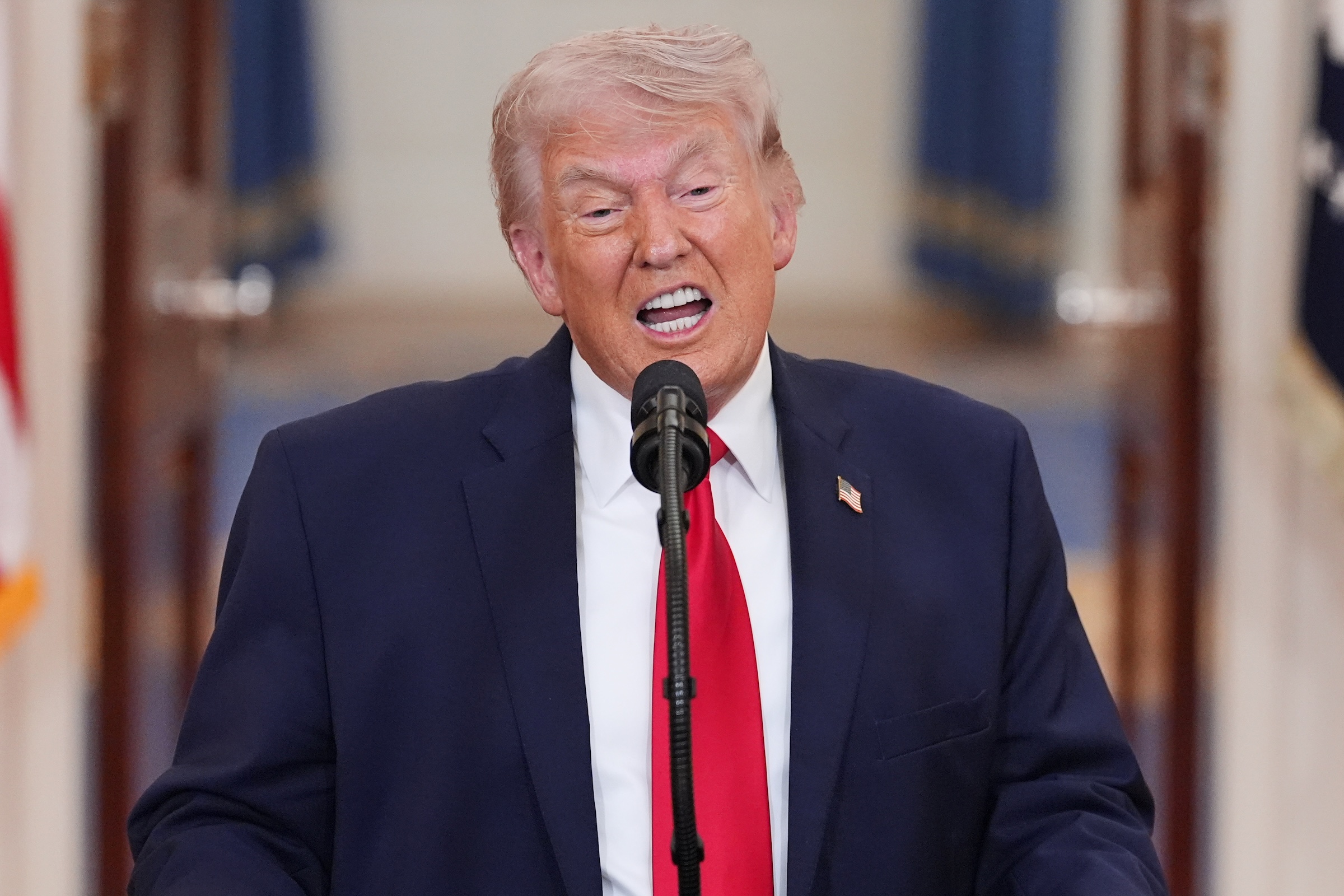
The recovery of a downed U.S. airman in Iran involved a complex, high-risk operation utilizing advanced military capabilities and deception tactics.



World news
fromLondon Business News | Londonlovesbusiness.com
2 days agoPentagon confirms fighter jet shot down over Iran as rescue mission underway - London Business News | Londonlovesbusiness.com
An F-15E Strike Eagle was shot down over Iran, initiating a combat search and rescue operation for its two crew members.


#us-military

World news
fromLondon Business News | Londonlovesbusiness.com
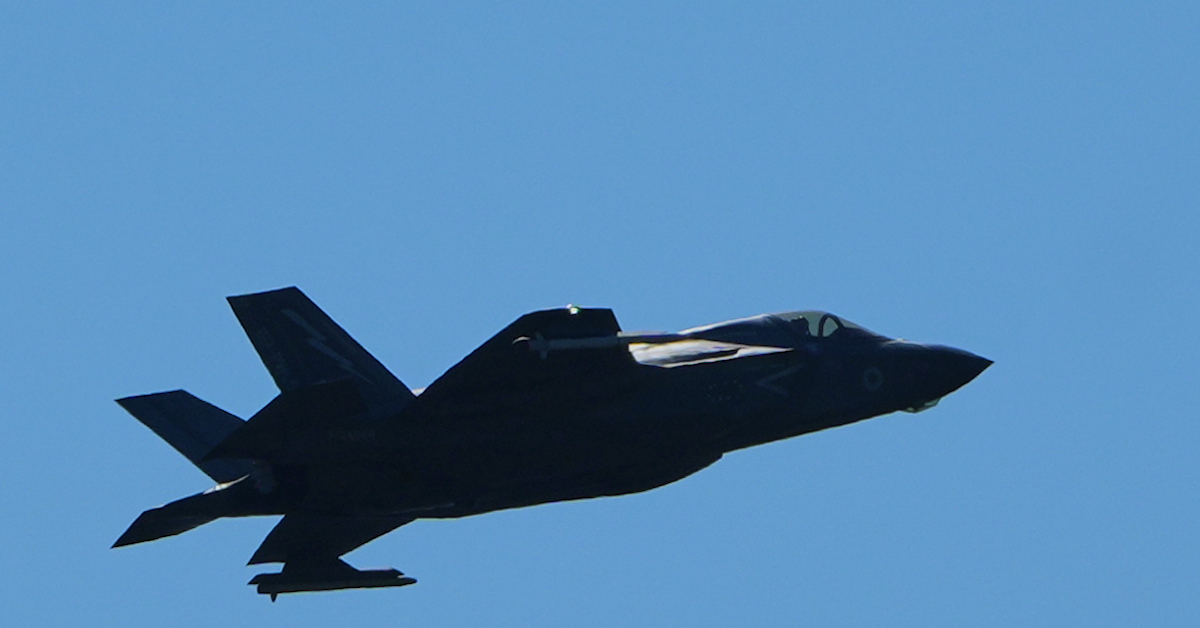
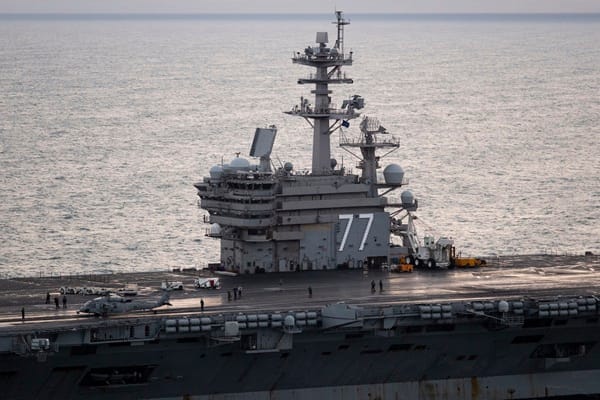
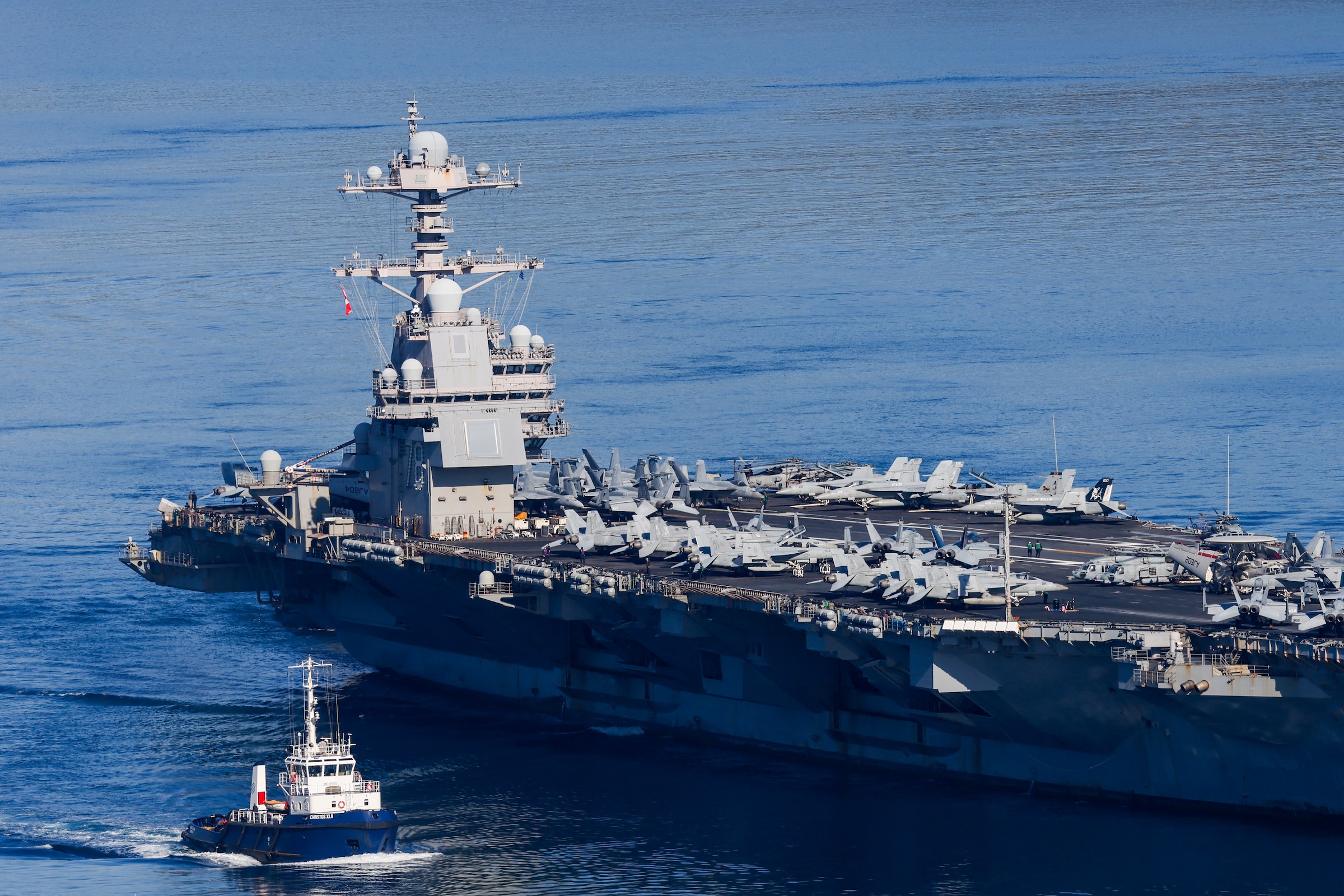
4 days agoUS deploys third aircraft carrier strike group to Middle East - London Business News | Londonlovesbusiness.com
The U.S. is deploying an additional aircraft carrier strike group to the Middle East, increasing military presence amid rising tensions with Iran.
History
from24/7 Wall St.
3 weeks ago25 Weapons That Changed Warfare Over the Last Century
Technological breakthroughs over the last century transformed warfare by introducing tanks, missiles, stealth aircraft, and precision-guided weapons that forced armies to continuously adapt tactics and reshape military doctrine globally.
fromwww.theguardian.com
6 days agoSpain closes airspace to US military over Iran war, widening rift with US
We don't authorise either the use of military bases or the use of airspace for actions related to the war in Iran, the minister, Margarita Robles, told reporters. I think everyone knows Spain's position. It's very clear, she added, calling the war profoundly illegal and profoundly unjust.
World politics
Information security
fromSecurityWeek
3 weeks agoIran-Linked Hackers Take Aim at US and Other Targets, Raising Risk of Cyberattacks During War
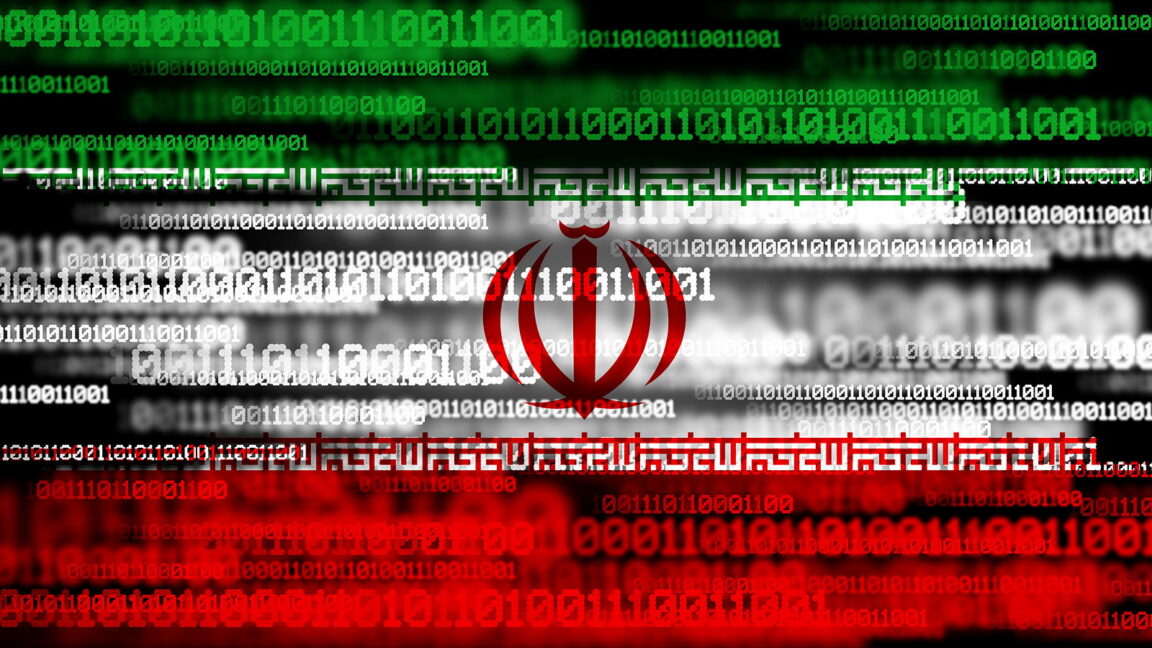
Pro-Iranian hackers are expanding cyberattacks from the Middle East into the United States, targeting defense contractors, medical device companies, and critical infrastructure like power stations and water plants.
Right-wing politics
fromThe American Conservative
3 weeks agoIs It Still the Department of 'War' or Not?
The Trump administration renamed the Department of Defense to Department of War and subsequently engaged in military conflict with Iran while Republican Congress members avoided formally acknowledging it as war.
fromMail Online
3 weeks agoHow Iran can bring the war to US soil in just days: Key targets MAPPED
All you would need is a ship under a foreign flag positioned offshore to launch hundreds of drones, or even a truck carrying them. When I served as deputy administrator at the National Nuclear Security Administration, overseeing nuclear programs, the drone threat was something we were deeply concerned about.
US politics
fromThe Atlantic
3 weeks agoJust Don't Say the W-Word
Four days into this situation in the skies over Tehran, Speaker of the House Mike Johnson said, 'We're not at war right now.' This was, rather, a 'very specific, clear mission-an operation.' Operation does seem to be the preferred word in government talking points, even as it encompasses assassinating an ayatollah, torpedoing an Iranian naval ship, blowing up fuel depots and a desalination plant, and losing the lives of (so far) eight American service members along the way.
US politics
fromThe New Yorker
1 month agoThe End of Limits on a President's Wars
In no part of the constitution is more wisdom to be found than in the clause which confides the question of war or peace to the legislature, and not to the executive department. Madison, the primary author of the Constitution, emphasized that vesting war powers in Congress rather than the President represented a crucial safeguard against concentrated executive authority and the potential for individual flaws in judgment affecting national security decisions.
US politics
fromTruthout
1 month agoMass Protests Urged Following Failed War Powers Act Vote in the Senate to Stop War in Iran
Today every senator, every single one, will pick a side: Do you stand with the American people who are exhausted of forever wars in the Middle East? Or stand with Donald Trump and Pete Hegseth as they bumble us headfirst into another war?
US politics
fromIntelligencer
3 weeks agoAll Modern Warfare Is Chemical Warfare
On the night of Saturday, March 6, Israeli forces struck three sets of oil depots ringing Tehran - west, east, and south - simultaneously. The explosions were massive. Nearby residential areas were destroyed. Millions of liters of gasoline, diesel, and petroleum derivatives ignited, sending columns of black smoke thousands of feet into the air.
World politics
World news
fromThe Washington Post
2 weeks agoNumber of U.S. troops wounded in Iran war surpasses 200 across 7 countries
Over 200 U.S. troops have been wounded or injured across seven Middle Eastern countries during military operations against Iran, with traumatic brain injuries being the primary cause.
fromMail Online
3 weeks agoHistorian reveals the three signs that a world war has already begun
Anthony Glees, Emeritus Professor at the University of Buckingham, called the US and Israeli decision to attack Iran a 'war of choice' and the first red flag which previously led to the last two world wars. He claimed that the conflict in the Middle East did not start out of necessity or self-defense, but as a deliberate decision by two leaders focused on gaining power and keeping it.
World politics
World news
fromLondon Business News | Londonlovesbusiness.com
3 weeks agoUS Special Operations Forces aircraft deploy from RAF Mildenhall as war intensifies in Middle East - London Business News | Londonlovesbusiness.com
US Special Operations Forces MC-130J aircraft deployed from RAF Mildenhall equipped with advanced radar for low-level missions supporting Middle East operations amid escalating Iran tensions.
World news
fromLondon Business News | Londonlovesbusiness.com
4 weeks agoUS and Israel 'consider special forces raid' to seize Iran's enriched uranium - London Business News | Londonlovesbusiness.com
The United States and Israel are discussing a potential special forces operation to seize Iran's highly enriched uranium stockpile to prevent nuclear weapon development.
World politics
fromwww.dw.com
1 month agoThe checkered history of US regime change operations
The US has extensive historical experience with regime change operations, having attempted 72 during the Cold War with mixed success rates, raising questions about current military interventions in Iran despite official denials.
World politics
fromBusiness Insider
1 month agoThe war with Iran is more evidence that winning the fights you can't see is critical in modern combat
US military operations increasingly rely on space and cyber forces to disrupt enemy capabilities before kinetic strikes, making non-kinetic warfare critical to modern combat effectiveness.
US politics
fromFortune
1 month agoCIA's social media guide to evading Iranian internet restrictions racks up millions of views as Trump considers military action | Fortune
The CIA publicly recruited Iranian informants via social media in Farsi during escalating U.S.-Iran tensions and nuclear negotiations.
#us-military-interventions
World politics
fromwww.aljazeera.com
1 month agoHow many countries has the US bombed since 2001, and how much has it cost?
Since 2001, the US has conducted three full-scale wars and bombed at least 10 countries across four presidencies, spending $5.8 trillion and causing approximately 940,000 direct deaths.

World politics
fromwww.aljazeera.com
1 month agoHow many countries has the US bombed since 2001, and how much has it cost?
Since 2001, the US has conducted three full-scale wars and bombed at least 10 countries across four presidencies, spending $5.8 trillion and causing approximately 940,000 direct deaths.
[ Load more ]