#unexpected-childbirth
#unexpected-childbirth
[ follow ]



fromenglish.elpais.com
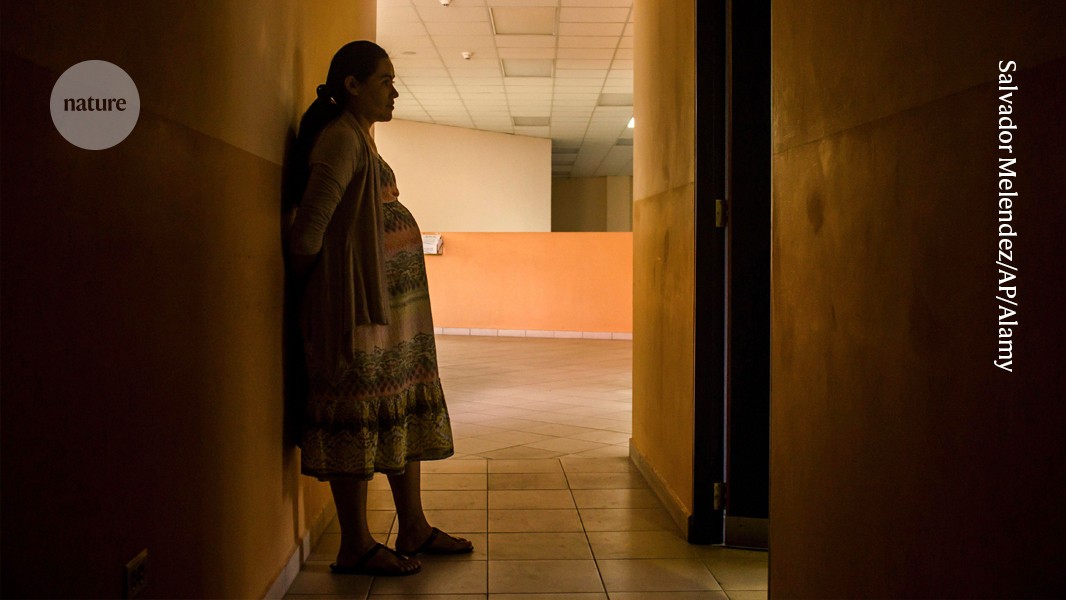
1 day agoParents' umbilical cord dilemma: Donate or preserve, even if it may never be used
The probability that frozen tissue will benefit the person who froze it is remote. The chance of developing acute lymphoblastic leukemia, the most common childhood cancer, currently stands at one in 20,000.
Medicine



fromJezebel
1 week agoMore Pregnant Women Around the World Die When the U.S. Has a GOP President
Since 1985, every time the U.S. elects a Republican president, global maternal mortality increases by about 10.5%, or about 44.7 additional deaths per 100,000 live births. This erodes roughly one-fifth of the average worldwide decline in maternal mortality achieved since 1985.
Right-wing politics
fromIndependent
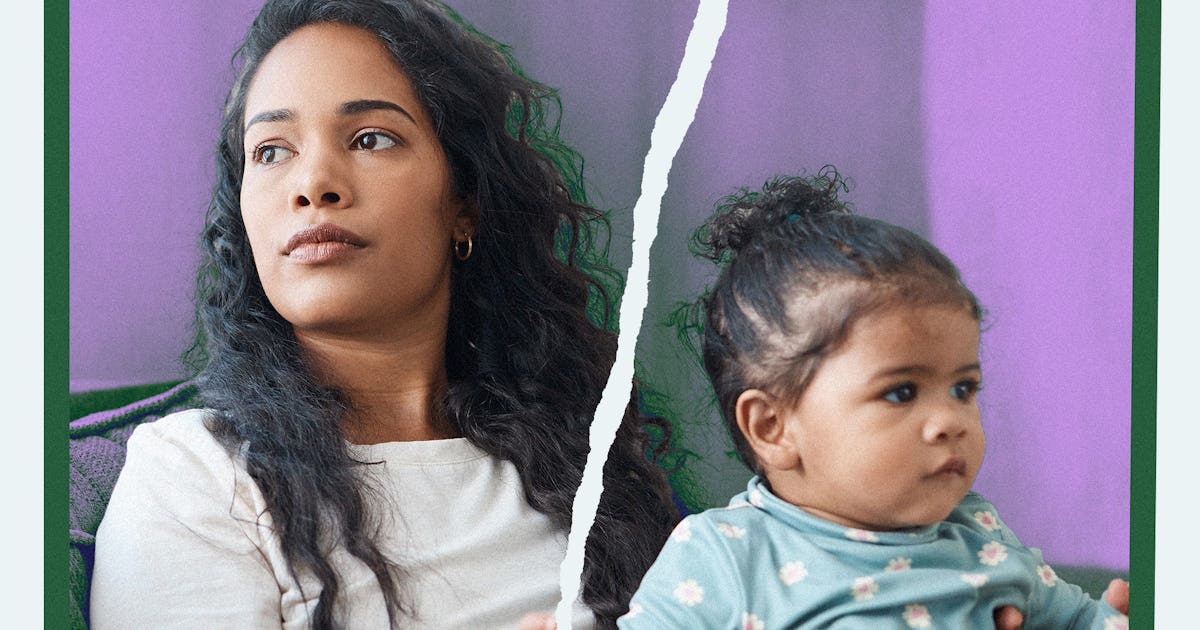
6 days agoAsk Allison: My husband won't talk about our IVF heartbreak and he drinks - and drives, most nights
Rapid engagement and marriage can sometimes mask underlying issues that may only surface later, especially when couples have not lived together prior to tying the knot.
Relationships
fromwww.bbc.com
2 weeks agoI spent five months in a mother and baby mental health unit - here's what I want mums to know
Sofii Lewis described her experience, stating, "I knew I wasn't safe. But I didn't think I was out of control." This highlights the confusion many face with postpartum psychosis.
Mental health
Women in technology
fromIndependent
3 weeks agoMotherhood unfiltered: 'There was fear the entire time. It's probably the reason I don't think I'll have another child'
Mother's Day presents emotional complexity for many women, particularly those experiencing infertility, miscarriage, stillbirth, or unfulfilled motherhood desires.
#maternal-health
Public health
fromwww.independent.co.uk
2 weeks agoWomen almost 150 times more likely to die from maternal sepsis in Africa than Europe
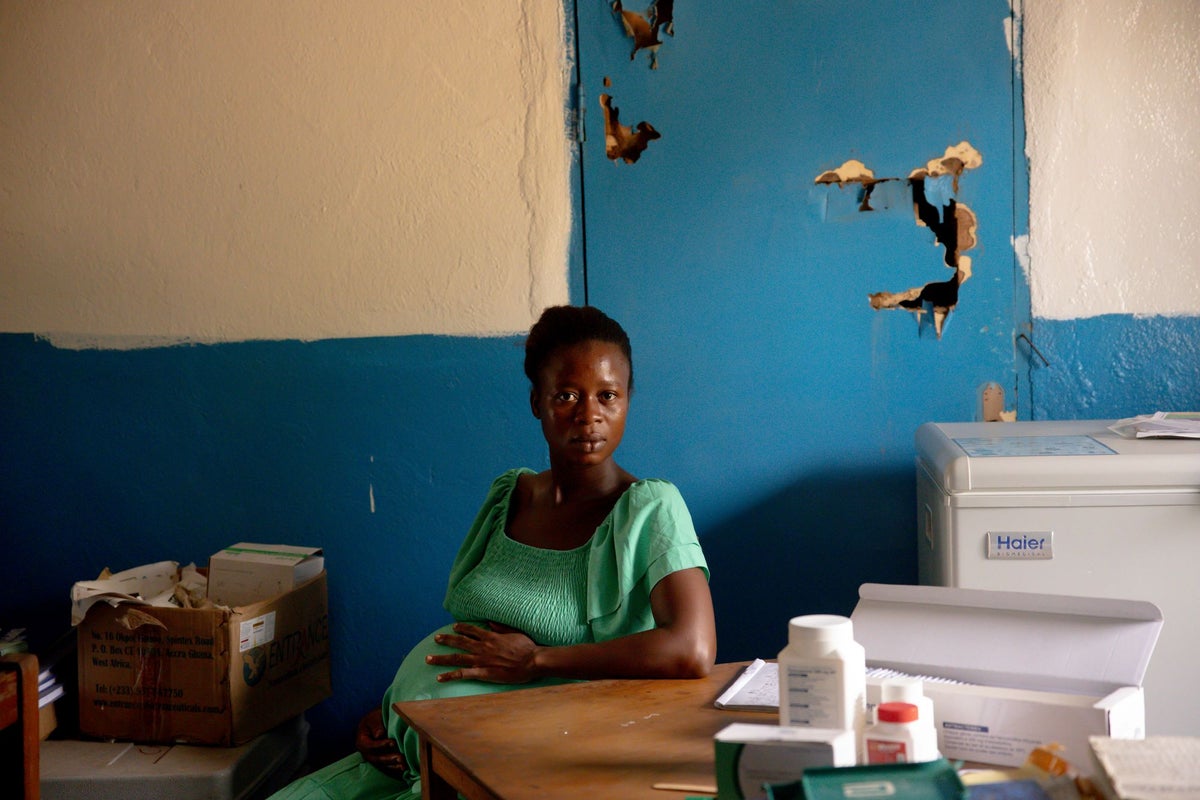
Women in sub-Saharan Africa are 150 times more likely to die from maternal sepsis than mothers in developed nations due to inadequate water, sanitation, and hygiene infrastructure in maternity wards.
Mental health
fromwww.bbc.com
3 weeks agoSent 90 miles after giving birth while 'soaked in urine'
A new mother with postpartum psychosis was forced to travel 90 miles for emergency care due to insufficient specialist mother and baby units, highlighting critical gaps in mental health service accessibility across the UK.
fromwww.bbc.com
1 month agoUnder-fire maternity services still need to improve
While noting women 'were treated with kindness and compassion', a 'requires improvement' rating was given. Inspectors said hospital management 'did not always support staff well-being' and 'were not always visible within the service and were sometimes perceived as unsupportive'. Staff reported they were confident to report incidents, however, were not always assured action would be taken.
Healthcare
Parenting
fromScary Mommy
2 weeks agoFor The Overwhelmed Moms Trying To Do It All, You Can Blame "Institutional Lag"
Afternoon chaos for working mothers stems from institutional lag—outdated systems designed for single-income households with stay-at-home parents that fail to accommodate modern dual-income families.
fromwww.bbc.com
1 month ago'Midwives didn't listen' says premature baby's mum
I attended A&E multiple times complaining of pain, tachycardia (increased heart rate), sickness - I couldn't keep anything down... but they didn't listen. Angel-Kay Mason fell pregnant with her daughter in June 2022 aged 19. Due to a family history of complex pregnancies, she says she was deemed to be high-risk but says she was not referred to a consultant and did not receive any extra scans.
Healthcare
Mental health
fromSocial Media Explorer
1 month agoBeyond the Clinic: Practical Support for New and Expecting Moms - Social Media Explorer
Prenatal care must address mental health and emotional resilience alongside medical monitoring, with peer support and practical community resources essential for maternal wellness.
Public health
fromTODAY.com
1 month agoHospital Shares Photo of Record-Setting Big Baby
A 13-pound baby boy born at Cayuga Medical Center set a hospital record as the largest baby ever delivered there, while another 4-pound baby was born the same day, demonstrating the wide range of healthy birth sizes.
Public health
fromwww.theguardian.com
1 month agoNHS maternity units often cover up harmful errors in childbirth, report finds
NHS maternity services in England systematically fail to provide safe care, with hospitals covering up negligent mistakes, falsifying records, and denying bereaved parents answers while staff shortages and discrimination worsen outcomes.
Medicine
fromwww.theguardian.com
1 month agoCampaign urges NHS to improve diagnosis of potentially life-threatening childbirth condition
Undiagnosed placenta accreta spectrum risks catastrophic maternal haemorrhage or emergency hysterectomy; increased specialist detection and diagnosis are urgently needed as C‑section and IVF rates rise.
fromScary Mommy
2 months agoThis Mom Says That The Woman With The Happiest Relationships Are "Useless"
"The smartest women with the happiest relationships are the useless women," Dianna Lee begins in her video. "As you can probably tell, I'm a highly capable woman. I'm capable throughout all areas of my life, through my schooling days, to my career, and I attacked my marriage life in exactly the same way. I just executed. I was fast, efficient, and I knew exactly what needed to get done. And in retrospect, it was so wrong."
Relationships
fromDaily Mom magazine
1 month ago5 Pros & Cons To Birth At Home: Home Birth Vs Hospital Birth
When I first found out I was pregnant, I did what most moms do-I started researching. I wanted to make the best possible choices for my baby and myself, and giving birth in a hospital just didn't feel like the safest option. So many women do it, but the more I learned, the more I realized that the reality of hospital birth in the U.S. is even less reassuring than I had thought. I wanted to birth at home.
Public health

fromwww.theguardian.com
2 months agoGlobal midwife shortage raises rates of maternity intervention, report warns
Anna af Ugglas, chief executive of the International Confederation of Midwives (ICM) and one of the study's authors, said: Nearly 1 million missing midwives means health systems are stretched beyond capacity, midwives are overworked and underpaid, and care becomes rushed and fragmented. Intervention rates rise, and women are more likely to experience poor-quality care or mistreatment, she said. This is not only a workforce issue, it is a quality and safety issue for women and babies.
Public health
fromPsychology Today
1 month agoWho Gets to Be a Mother?
We'd been working together for years to make my medication regimen-treatment for schizoaffective disorder-safe for potential pregnancy. Under her care, I was tapering off an antidepressant known to cause respiratory distress and hypertension in a newborn. I'd been experiencing wild mood swings, even suicidal thoughts. My beloved doctor's eyes were sad. "I'm saying no to a pregnancy, Meg." Even in the moment, I understood her priority as a physician was to keep me safe. Still, part of me hated her.
Mental health
Public health
fromwww.theguardian.com
2 months agoAs LA maternity wards close, patients are giving birth in ERs: There's no system to care for these women'
Hospital maternity ward closures in Los Angeles are increasing emergency-room labor and delivery visits, straining remaining public hospitals and forcing longer travel for pregnant patients.
fromScary Mommy
2 months agoNo, PPD Isn't Just "Baby Blues" - Here's How To Tell The Difference
I just want to talk to whoever has romanticised the idea of being a new mom. When you're in a flurry of diaper changes, following a two-hourly pumping schedule and meticulously cleaning and mixing up bottles while running on less sleep than you've ever had, mommyhood ends up being more of a frenzied checklist of tasks to get done and not enough time snuggling and making babytalk with a babbling infant.
Mental health
fromwww.bbc.com
2 months agoBabies in Midlands and North 'more likely to die around birth'
Babies in the Midlands and North of England are more likely to die before, during or shortly after birth than those in the South, a new study has found. Researchers analysed data from 121 maternity services in England to see which centres repeatedly produced outcomes better or worse than the average between 2013 and 2022. The 10 worst-performing centres were in the Midlands and North of England, and the 15 best-performing in the South.
Public health
Parenting
fromSlate Magazine
2 months agoHelp! I Made a Deal With My Husband Before Our Baby Was Born. Five Months In, I Desperately Want Out.
A mother's physical and emotional well-being should take priority; switching to formula is a valid, non-harmful option when breastfeeding causes severe distress.
fromTODAY.com
2 months agoThe Best Present for Your Labor and Delivery Nurse is Absolutely Free
Hamilton makes it very clear that she and her fellow nurses are endlessly grateful for the gifts they have received from patients (like energy drinks, mints, donuts and hair ties). But at the same time, they don't expect them. And most importantly, the service they provide to their patients remains the same regardless of whether or not you give them a gift.
Public health
[ Load more ]