#uninsured-populations
#uninsured-populations
[ follow ]
#affordable-care-act #healthcare #health-insurance #healthcare-access #access-to-care #essential-plan
fromTruthout
5 days agoLow-Income Moms Struggle to Keep Their Families Afloat Amid Gas Price Increases
Luna Rosado, a single mother, has seen her gas expenses rise by $40 weekly due to a 30 percent increase in prices after the war in Iran. This has resulted in $160 less for groceries and other necessities each month, forcing her to constantly adjust her budget.
Washington DC
fromNews Center
2 days agoPolicy Intervention Linked to Increase in Kidney Transplants in Black Patients - News Center
"This argues for the need to sustain such policies and shows that it is possible to right the wrongs retroactively, which is a powerful idea," said Kenneth Michelson, MD, MPH, associate professor of Pediatrics in the Division of Emergency Medicine and a co-author of the study.
Medicine



fromTruthout
3 weeks agoStates Tighten HIV Drug Assistance, Raising Access Concerns
Congress has kept key drug assistance funding at $900.3 million annually since 2014. New enrollments for state programs jumped 30% from 2022 to 2024, in part because states cut off pandemic-era Medicaid assistance. As of January, at least 18 states have pulled back their Ryan White AIDS Drug Assistance Programs, known as ADAPs, in some way.
NYC LGBT



Higher education
fromNonprofit Quarterly | Civic News. Empowering Nonprofits. Advancing Justice.
3 weeks agoNew Student Loan Limits Could Threaten Diversity in Nursing and Public Health Programs | Nonprofit Quarterly | Civic News. Empowering Nonprofits. Advancing Justice.
Proposed changes to federal student loan classifications for public health and nursing degrees could reduce diversity in these fields and worsen healthcare disparities for marginalized communities.


Public health
fromwww.theguardian.com
3 weeks agoPatients face long journeys for medicines as pharmacies cut weekend hours
One in six English pharmacies have reduced weekend hours since 2022, causing over 20% loss of weekend opening hours and forcing patients to travel long distances or seek emergency care.
Boston
fromBoston.com
1 month agoLife expectancy gap for Black Bostonians is growing, health officials warn
Boston's Black residents' life expectancy gap compared to non-Black residents doubled from 3.3 years in 2013 to 6.6 years in 2024, with Black life expectancy at 76.2 years versus 82.2 years for others.
Public health
fromABC7 San Francisco
1 month agoTrump's new Medicaid work mandate could leave thousands of homeless Californians uninsured
Trump's new Medi-Cal work requirements and increased verification frequency will likely cause over 90% of unhoused Californians to lose health insurance coverage starting in 2027.
fromLos Angeles Times
1 month agoThere were 13 full-service public health clinics in L.A. County. Now there are 6
Because of budget cuts, the Los Angeles County Department of Public Health has ended clinical services at seven of its public health clinic sites. As of Feb. 27, the county is no longer providing services such as vaccinations, sexually transmitted infection testing and treatment, or tuberculosis diagnosis and specialty TB care at the affected locations, according to county officials and a department fact sheet.
Public health
Public health
fromLGBTQ Nation
1 month ago17 states consider cutting assistance for HIV meds as prices increase - LGBTQ Nation
Seventeen states and D.C. have cut AIDS Drug Assistance Program costs while federal funding stagnates, threatening medication access for low-income HIV patients and risking public health crises.
New York Islanders
fromwww.amny.com
2 months agoOp-Ed | As healthcare costs surge, lawmakers should focus on reforming rather than expanding costly government programs amNewYork
Expanding 340B program and rising healthcare costs are exacerbating unaffordability, harming minority-owned businesses, and lacking transparency and oversight.
fromwww.mercurynews.com
2 months agoOpinion: California families face deadly health care cuts. Billionaires can afford to pitch in.
Doctors told us my grandson wouldn't live past three months, but they didn't know Elijah was capable of. Today he's 7 years old, stubborn as ever and fighting every day to prove them wrong. Elijah was born with cerebral palsy. Caring for him is a full-time, all-hands-on-deck operation that includes in-home nurses, physical and occupational therapy, school support and a small pharmacy's worth of medications.
California
fromThe Nation
1 month agoThe Red State-Blue State Healthcare Divide Is Dangerous for Everyone
In light of the systemic dismantling of America's public health agencies, these moves essentially create a shadow infrastructure to maintain some of what is being lost. While this is a promising development, it does nothing to stop a troubling trend that has been emerging for some time: The country is quickly becoming fragmented along partisan lines when it comes to public health.
Public health
fromwww.cbc.ca
2 months agoProvince on track to connect all Ontarians to primary care provider by 2029: health minister | CBC News
Health Minister Sylvia Jones says about 275,000 people have been attached to primary care so far in the first year of the government's plan. More than half of that progress is due to moving people off the Health Care Connect wait list.
Canada news
fromwww.npr.org
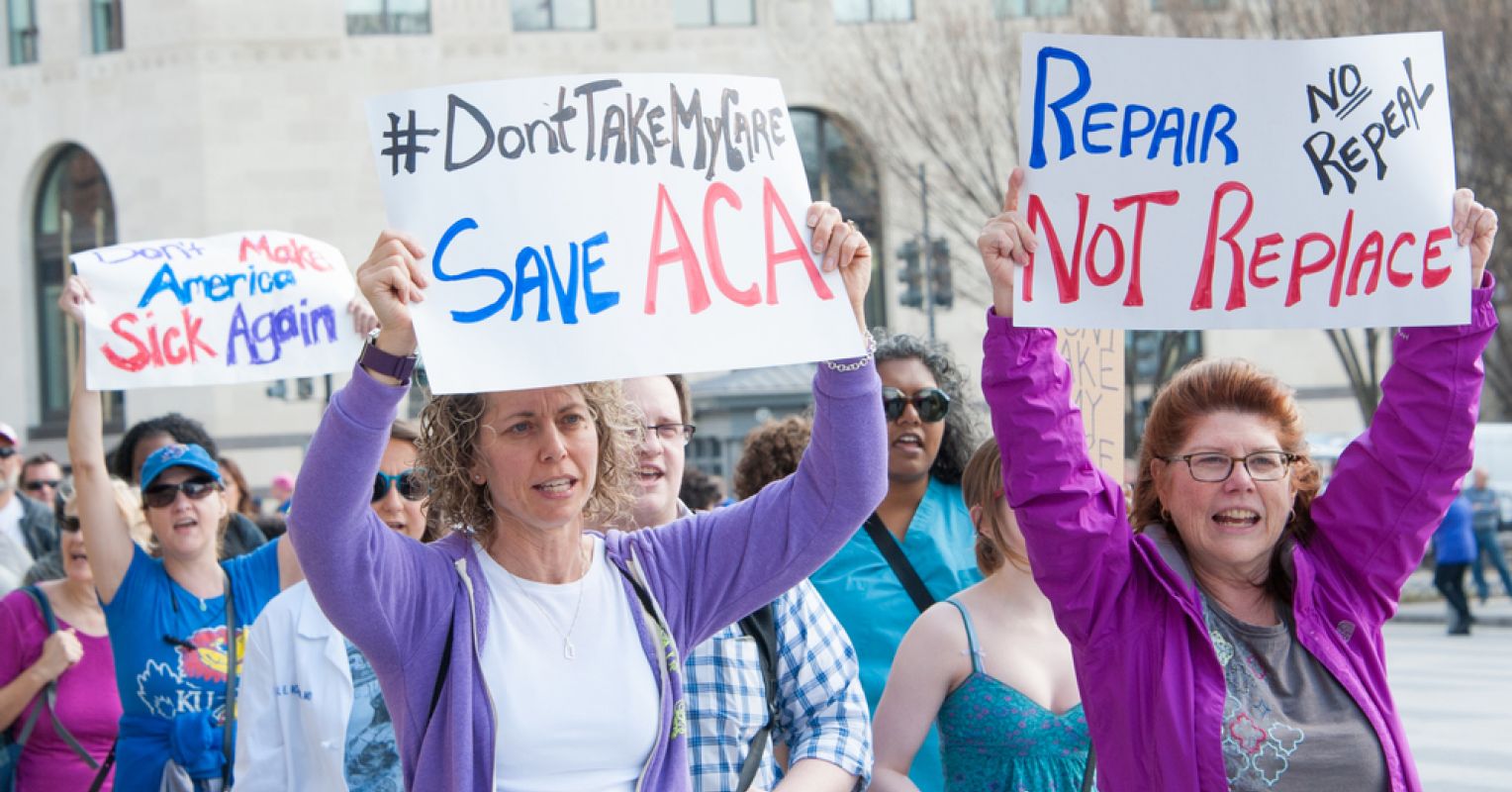
2 months agoTrump health care plan doesn't help people facing skyrocketing ACA premiums
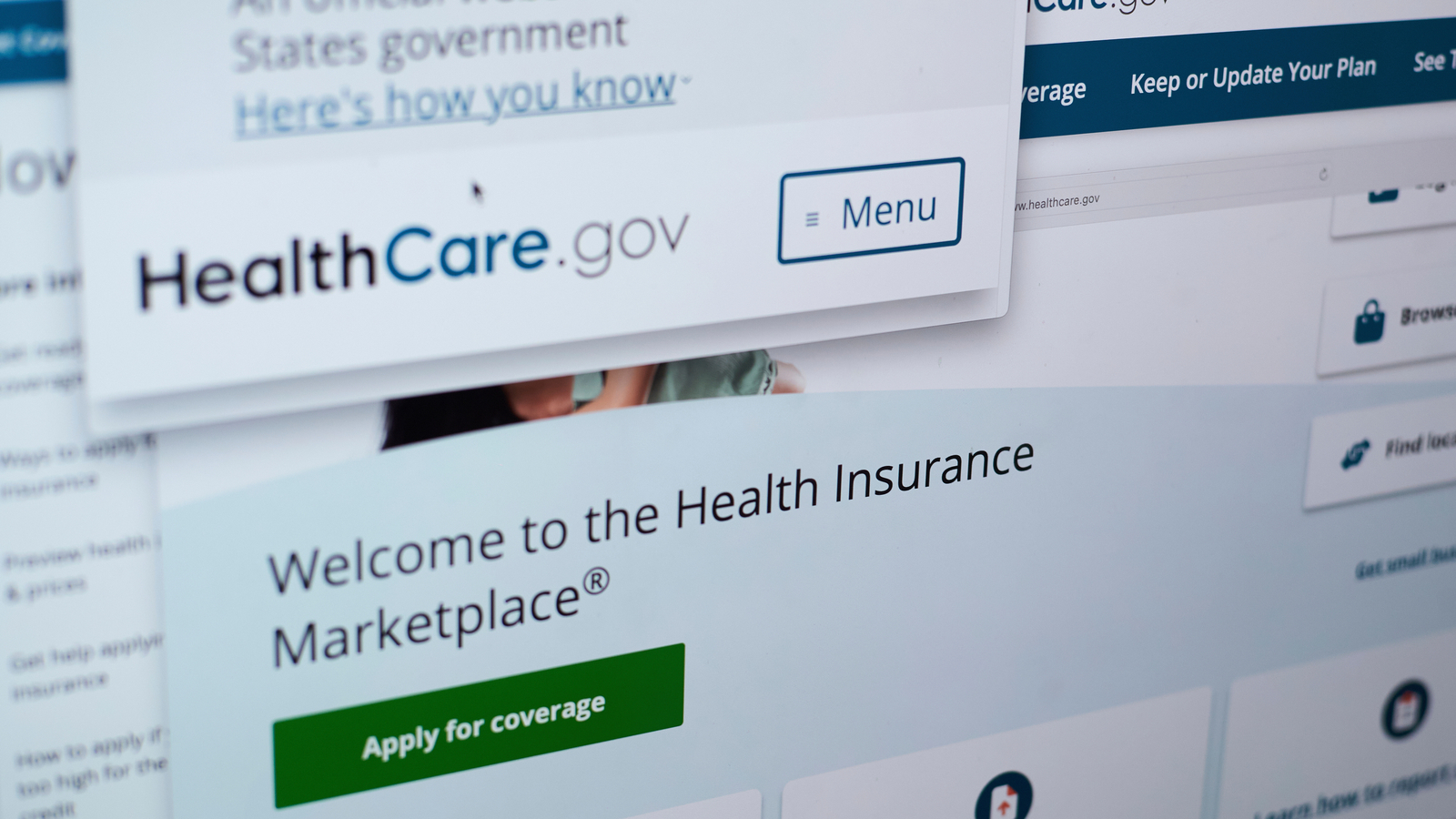
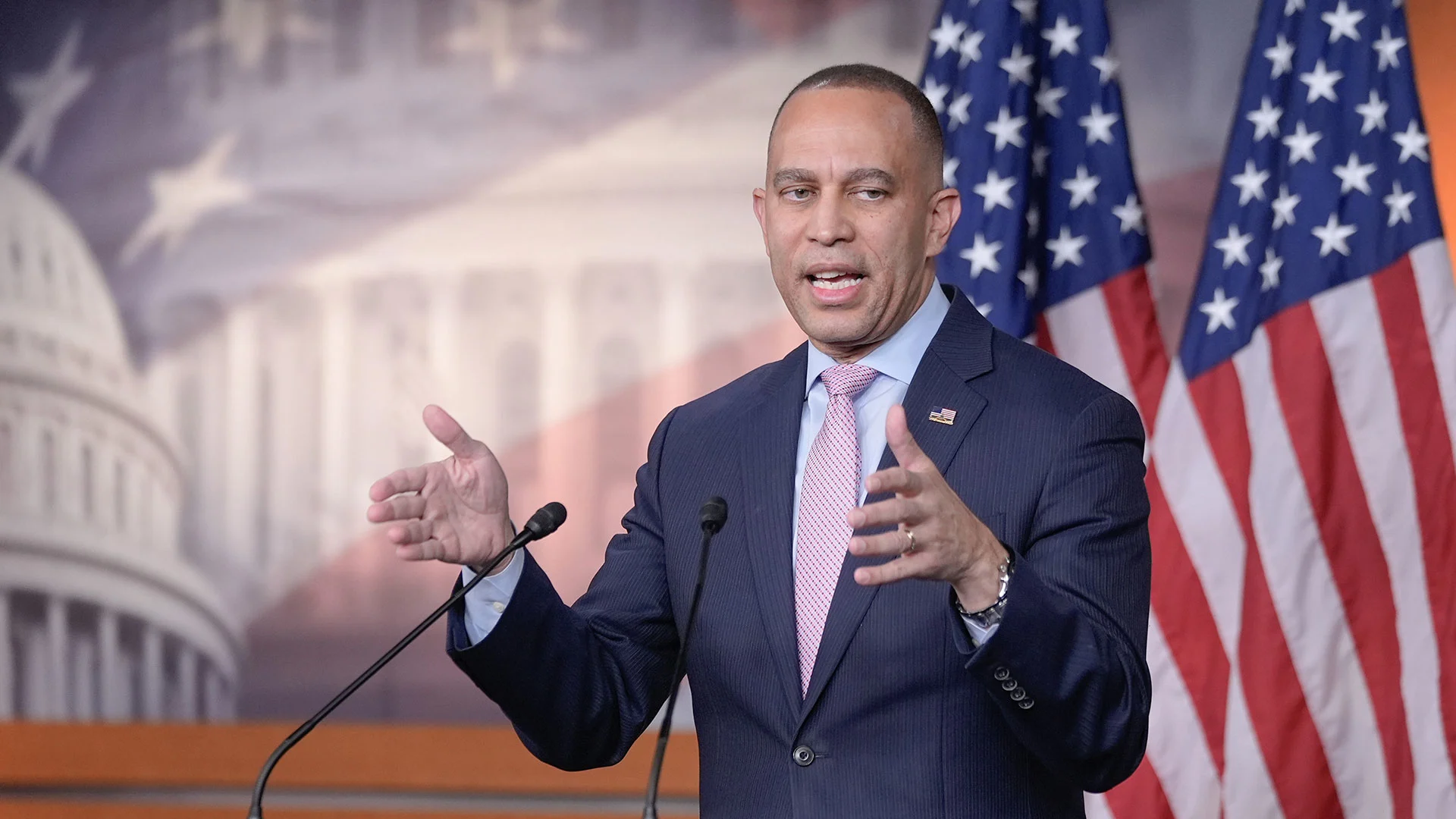
The plan does not include a remedy for people who buy their health insurance on Healthcare.gov, some of whom are facing sky-high premium hikes this month. Trump dubbed the ideas "The Great Healthcare Plan." According to a White House fact sheet and a press call hosted by Medicare and Medicaid chief Dr. Mehmet Oz, the planned legislation, which the administration is asking Congress to develop, has four pillars: Drug price reforms Health insurance reforms Price transparency for health costs Fraud protections and safeguards
US politics


Healthcare
fromBusiness Insider
1 month agoWaiting for Medicare and skipping prescriptions: Meet the Americans on the brink of losing health insurance
Expiration of enhanced ACA subsidies on December 31 caused monthly premiums to spike hundreds of dollars, forcing over 1 million Americans to cancel marketplace plans between early 2025 and 2026.
fromArs Technica
2 months agoHaving that high-deductible health plan might kill you, literally
The issue is particularly critical right now for people who have insurance plans through the Affordable Care Act marketplace. Prices for those plans have skyrocketed this year after Congress failed to extend critical tax credits. Without those credits, monthly premiums for ACA plans have, on average, more than doubled. Early data on ACA enrollments for 2026 not only suggests that fewer people are signing up for the plans, but also that those who are enrolling are often choosing bronze plans, which are high-deductible plans.
Public health
Public health
fromBronx Times
1 month agoOUR FORGOTTEN BOROUGH | Health care in the Bronx is a dangerous game of hurry up and wait - Bronx Times
The Bronx faces a severe health-care crisis: understaffed hospitals, slow EMS response times, poor hospital rankings, and nurse strikes threaten patient care.
Healthcare
fromBusiness Insider
1 month agoShe works in healthcare and pays $787 a month for insurance. She still can't afford her daughter's care.
Over 100 million Americans carry medical debt that impairs their ability to afford basic necessities and damages their credit scores, with Black Americans and rural residents facing disproportionate risk.
fromwww.sandiegouniontribune.com
2 months agoCalifornia providers brace for Medi-Cal cuts. We may not be able to serve everybody.'
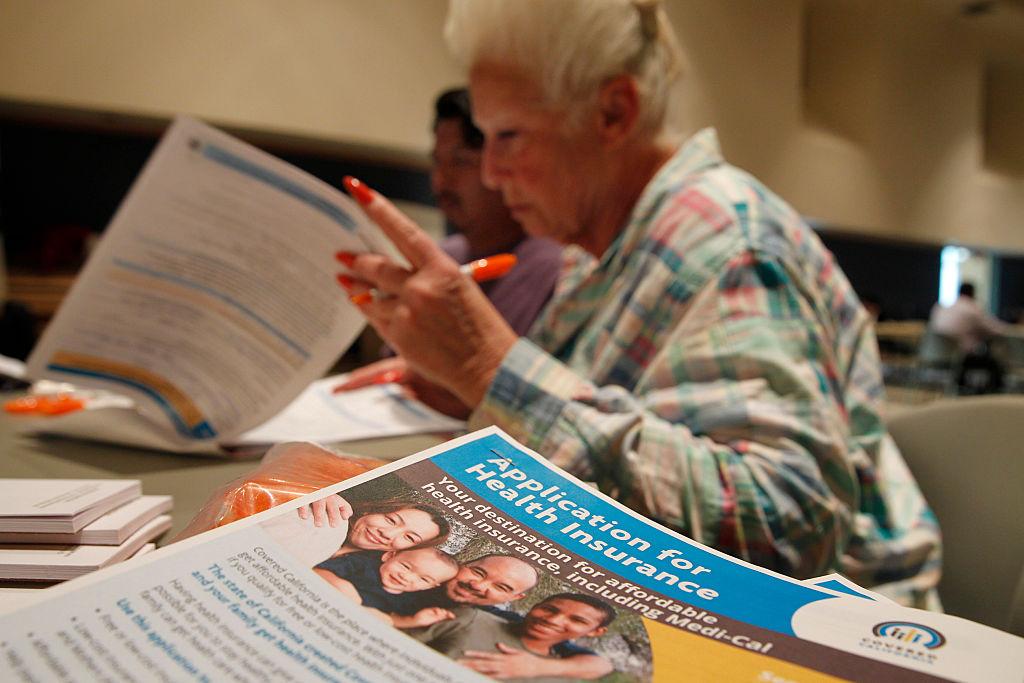
The most significant immediate change arrived Jan. 1 with the expiration of enhanced premium tax credits, which help defray the cost of monthly premiums for Americans enrolled in plans sold by health insurance exchanges such as Covered California. RELATED: Bay Area Affordable Care Act policyholders brace for price hikes With Congress not renewing these subsidies, which arrived in 2021 and are in addition to the initial income-based credits made available under the Affordable Care Act, enrollees will see their payments increase significantly this year.
Public health
from48 hills
2 months agoThe US fails again to fix the real causes underlying poor health - 48 hills
If you're smoking three packs of cigarettes a day, should you expect society to pay when you get sick?" He added that while Americans would always have the right to "eat donuts all day," nevertheless, "should you then expect society to care for you when you predictably get very sick at the same level as somebody who was born with a congenital illness?
Public health
fromBusiness Insider
2 months agoWe want to hear your story about healthcare access
In 2026, the US healthcare system is changing. Enhanced Affordable Care Act subsidies have expired, causing premiums for marketplace plans to spike - and pricing some families out of health insurance entirely. President Donald Trump's One Big Beautiful Bill Act will reduce coverage for some patients with Medicaid and funding for hospitals, especially those in rural areas. Costs for Medicare and private insurance are also rising: Employer-based healthcare premiums have increased by 9%, the largest rise in more than a decade.
Healthcare
Public health
fromKqed
1 month ago'Delay' and 'Deny': Even Health Insurance Companies Agree Prior Authorization Process Is Broken | KQED
Prior authorization often delays or denies medically ordered care; a high-profile assassination of an insurer executive helped trigger bipartisan state laws limiting prior authorization.
fromBusiness Insider
1 month agoA single mom's ACA premium jumped from $3 to $164. Now she's skipping her medications.
Her monthly health insurance premium jumped from $3 to $164 a month in January, a cost too high for the single mom's tight budget. Her job as a dishwasher at Chili's barely covers rent, groceries, and other essentials. Like many Americans, Richards relies on the Affordable Care Act marketplace because her job doesn't offer health insurance.
Healthcare
[ Load more ]