#unisoc
#unisoc
[ follow ]
#smartphone #technology #oppo #intel #ai #semiconductors #smartphones #nvidia #stock-market #camera #ai-technology






fromTNW | China
3 days agoChina's Nexchip files for Hong Kong listing as $5 billion chip expansion accelerates
Nexchip Semiconductor is seeking a dual listing alongside its existing Shanghai shares, a move designed to tap international capital for what amounts to an industrial expansion of extraordinary scale.
European startups
Business intelligence
fromComputerWeekly.com
2 days agoWilson Connectivity, Autonomous Systems team for in-building wireless service | Computer Weekly
Wilson Connectivity and Autonomous Systems partner to automate in-building wireless infrastructure management, enhancing deployment and ongoing optimization.
fromFast Company
3 days agoChina is moving faster on next-gen tech. The U.S. is trying to keep up
In recent weeks, China approved the world's first commercial brain-computer interface medical device and unveiled a five-ton class electric vertical takeoff and landing aircraft that has already completed a public flight.
Science
#semiconductors
World politics
fromSilicon Canals
1 week agoInside the quiet restructuring of global semiconductor supply chains: how TSMC, Samsung, and Intel's subsidy race is creating three separate technological civilisations - Silicon Canals
Governments are investing heavily in semiconductor production, leading to the creation of three distinct technological ecosystems.
fromWIRED
2 weeks agoChina Approves the First Brain Chips for Sale-and Has a Plan to Dominate the Industry
NEO, the implant developed by Neuracle Medical Technology, translates the thoughts of a person with paralysis into movements of an assistive robotic hand, allowing users to perform basic tasks.
Medicine
Marketing tech
fromTelecompetitor
2 weeks agoVendors introduce tools for the AI + broadband world: Roundup
Major vendors announce AI-integrated networking solutions for broadband service providers, including Wi-Fi 8 access points, unified platforms, and enhanced cloud services designed for enterprise edge optimization and agentic AI deployment.

Artificial intelligence
fromComputerWeekly.com
3 weeks agoHuawei: agent-oriented mobile networks to define Agent Verse | Computer Weekly
Huawei introduced Agent Verse, predicting a 10,000-fold increase in agent-handled network work by 2030, marking the transition to an agentic core network era with AI-driven transformations.
European startups
fromNature
3 weeks agoTop brass in China reaffirm goal to be world leaders in tech, AI
China's 15th five-year plan (2026-2030) commits extraordinary measures to lead globally in AI, quantum technology, and advanced fields through increased R&D spending and technological self-sufficiency.

fromComputerWeekly.com
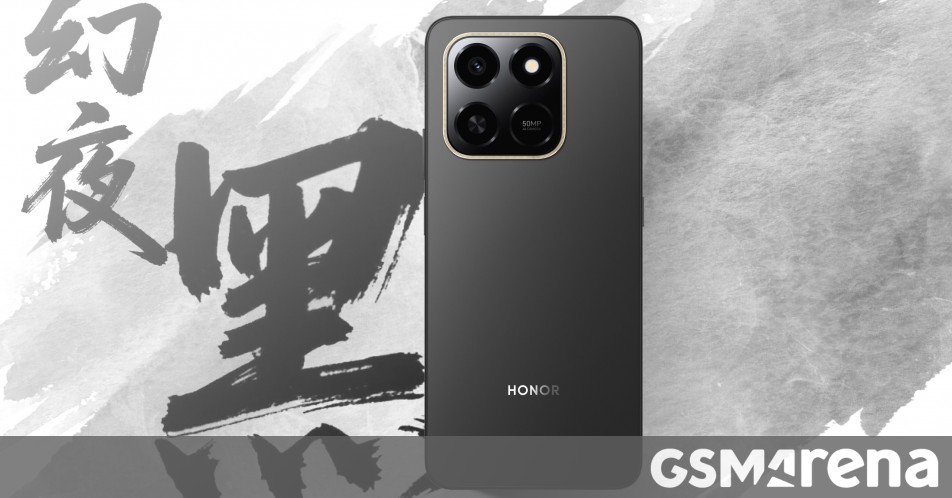
3 weeks agoQualcomm plots out 6G, Wi-Fi 8 future with AI as the new user interface | Computer Weekly
The opportunity is to have more devices that are smart, adopting AI and [highlighting] the evolution of the original cloud AI with complementary support happening at the edge. We are able to grow the performance of platforms. Two things are converging: from one side, AI models are working with better performance [with a] reduced number of parameters, [and] at the edge, you can see more and more inference happening.
Artificial intelligence
#6g-technology
Mobile UX
fromTheregister
1 month agoQualcomm, Nvidia push 'AI-native' 6G - definition pending
Major tech companies are announcing 6G commercialization plans at Mobile World Congress, positioning AI as the primary catalyst for the next generation of wireless networks, despite binding 6G standards remaining undeveloped.
Mobile UX
fromTheregister
1 month agoQualcomm, Nvidia push 'AI-native' 6G - definition pending
Major tech companies are announcing 6G commercialization plans at Mobile World Congress, positioning AI as the primary catalyst for the next generation of wireless networks, despite binding 6G standards remaining undeveloped.
Wearables
fromZDNET
1 month agoHow Qualcomm's new wearables chipset could spell the end of smartphone dominance
Qualcomm's Snapdragon Wear Elite chip enables on-device AI processing for smartwatches, glasses, and AI pins with five times stronger single-core performance and ultra-low power connectivity.
fromTheregister
1 month agoBroadcom says AI companies can't make their own silicon
Our custom accelerator business is progressing very well across five customers. Anthropic will soon implement one gigawatt of Broadcom-baked TPUs, and we expect the AI company plans a three-gigawatt deployment in 2027. Meta will install multiple gigawatts of Broadcom's XPU accelerators in 2027 and beyond. OpenAI will deploy over one gigawatt of compute capacity based on custom XPUs in 2027.
Artificial intelligence
Artificial intelligence
fromTechzine Global
1 month agoHuawei expands Agentic Communication Network for mobile AI era
Huawei's Agentic Communication Network transforms traditional networks to support AI agent communication through digital identity management, dynamic group communication, and task session management.
#vivo-x300-ultra
Mobile UX
fromGSMArena.com
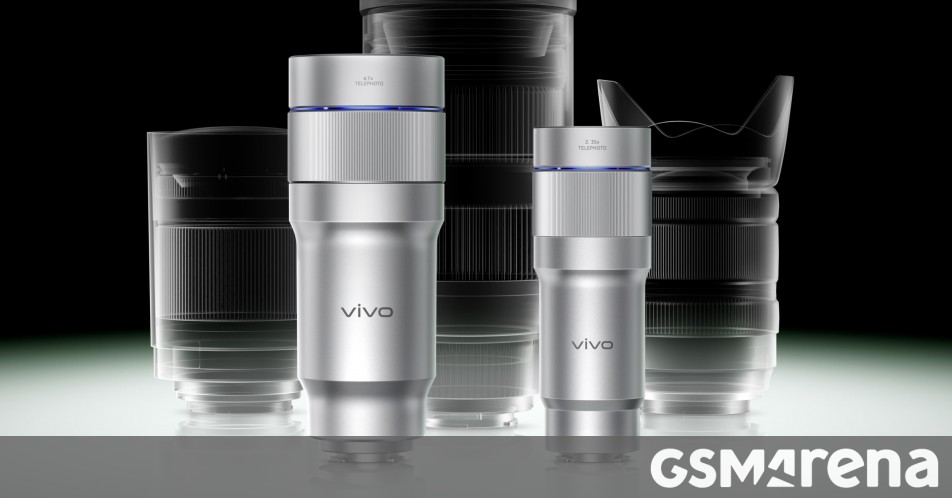
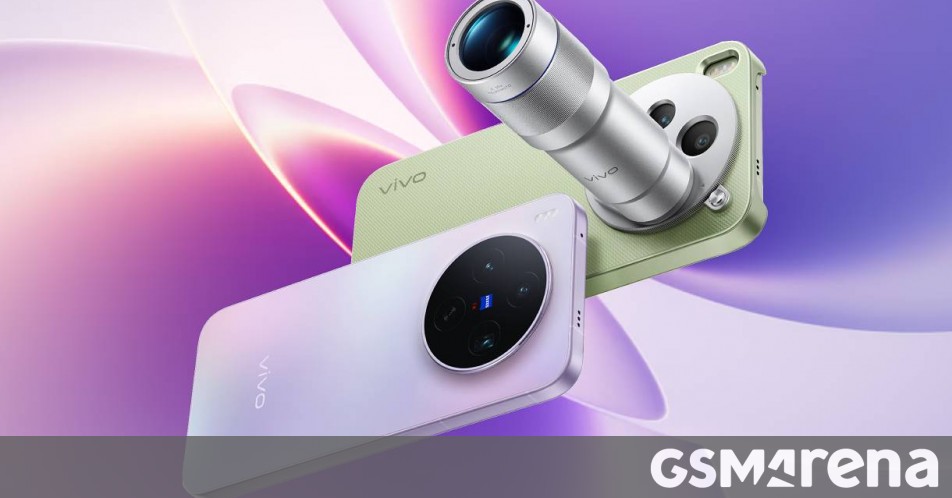
2 weeks agovivo shows a Godfather-style video recorded on the X300 Ultra as the X300s runs Geekbench
Vivo's X300 Ultra features 4K video recording at 120fps across all focal lengths with Log support and cinema-inspired Film Style modes, positioning it as a premium video-focused flagship phone.
fromNature
2 months agoChina is betting on 'optical' computer chips - will they power AI?
As generative artificial-intelligence models become more sophisticated and eat up more energy to produce images and videos, the electronic chips that power them are reaching their limits of speed and efficiency. Optical chips - semiconductor chips that run on light rather than electricity - could solve these problems, say researchers working in the field. Such chips, also called photonic chips, are still years away from being integrated into consumer computers and are unlikely to wholly replace electronic chips.
Science
fromGSMArena.com
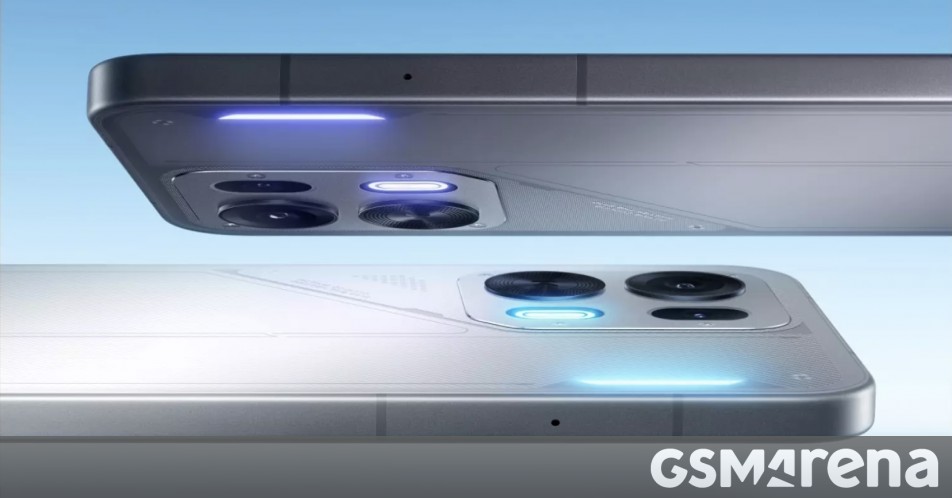
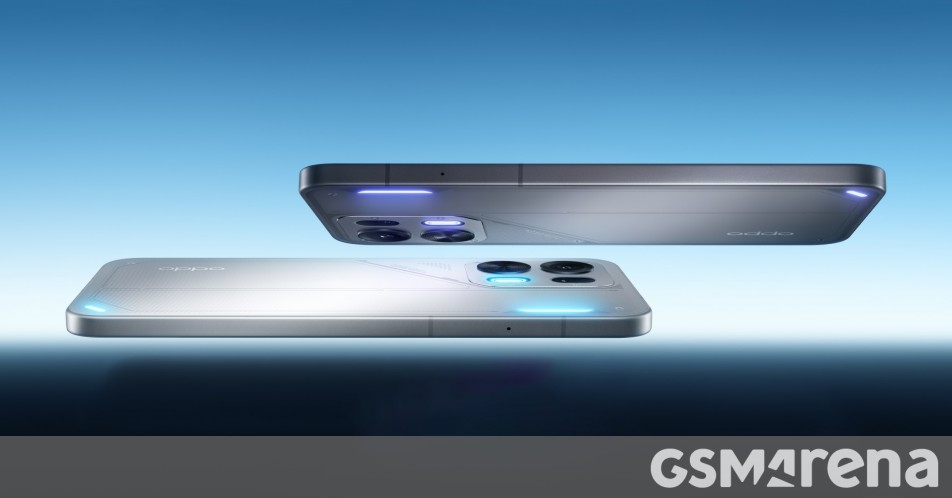
2 months agoOppo K14x 5G's chipset and price bracket leak
A few days ago, Oppo started teasing an upcoming K-series device in India, and the URL for the teaser microsite revealed that the phone in question is the K14x. As the name implies, this should be the successor to the K13x, which made its debut in June of last year.
Gadgets
fromGSMArena.com
2 months agoAyaneo reveals the chipset powering its Pocket Play smartphone
Ayaneo started teasing the Pocket Play, its first smartphone, back in November, and then in December it showed us what it would look like, Sony Ericsson Xperia Play vibes and all. Today, Ayaneo has finally revealed the chipset sitting at the helm of the Pocket Play. It's MediaTek's Dimensity 9300. That's an odd choice, given that the SoC in question came out in 2023. Sure, it was MediaTek's top dog of 2023, but it's more than two years old.
Gadgets
fromComputerWeekly.com
2 months agoSamsung, Keysight validate satellite-to-satellite, direct-to-cell 5G mobility | Computer Weekly
The achievement was revealed at the recent CES 2026, using commercial modem silicon, with real satellite-to-satellite mobility, leading to a standard 5G phone said to stay connected while switching between satellites, using the new 3GPP Release 19 n252 band, as defined by the Third Generation Partnership Project (3GPP) under Release 1. The demo also represented the public validation of n252 in an NTN system, a band expected to be adopted by next-generation low Earth orbit (LEO) constellations.
Gadgets
Tech industry
fromComputerWeekly.com
1 month agoBroadcom claims enterprise Wi-Fi 8 first | Computer Weekly
Broadcom introduced the first Wi-Fi 8 access point and switch service engineered for AI-ready enterprise networks requiring multi-gigabit speeds, ultra-low latency, edge AI, and enhanced security.

[ Load more ]