#universal-service-obligation
#universal-service-obligation
[ follow ]
#fcc #cybersecurity #telecommunications #bead-program #broadband-infrastructure #rural-broadband #public-safety
fromElectronic Frontier Foundation
1 week agoDigital Hopes, Real Power: From Revolution to Regulation
66% of internet users live where political or social sites are blocked, and 78% are in countries where people have been arrested for online posts. New social media regulations have emerged in dozens of countries in the past year alone.
World politics


fromTelecompetitor
5 days agoHome internet costs up, consumers hate hidden fees: Report
"The most important aspect of pricing for consumers is knowing their total price rather than an advertised price that comes with hidden fees: 88% of respondents believe all fees should be included in advertised pricing."
Digital life
SF politics
fromFortune
5 days agoHyperscalers often lack the "aptitude" on power as the political push picks up to expedite grid connections and pipelines | Fortune
Federal efforts to expedite power grid interconnections face challenges due to hyperscalers' communication issues and lack of understanding of processes.
fromTelecompetitor
1 week agoRecord fiber spending during next five years: Study
The firm's study, 'North American Fiber Broadband Report: FTTH Review and Forecast 2026-2030,' indicates that nearly $200 billion will be spent on fiber over the next five years, highlighting a significant investment in fiber-to-the-home services.
Roam Research
#bead-program



Non-profit organizations
fromTelecompetitor
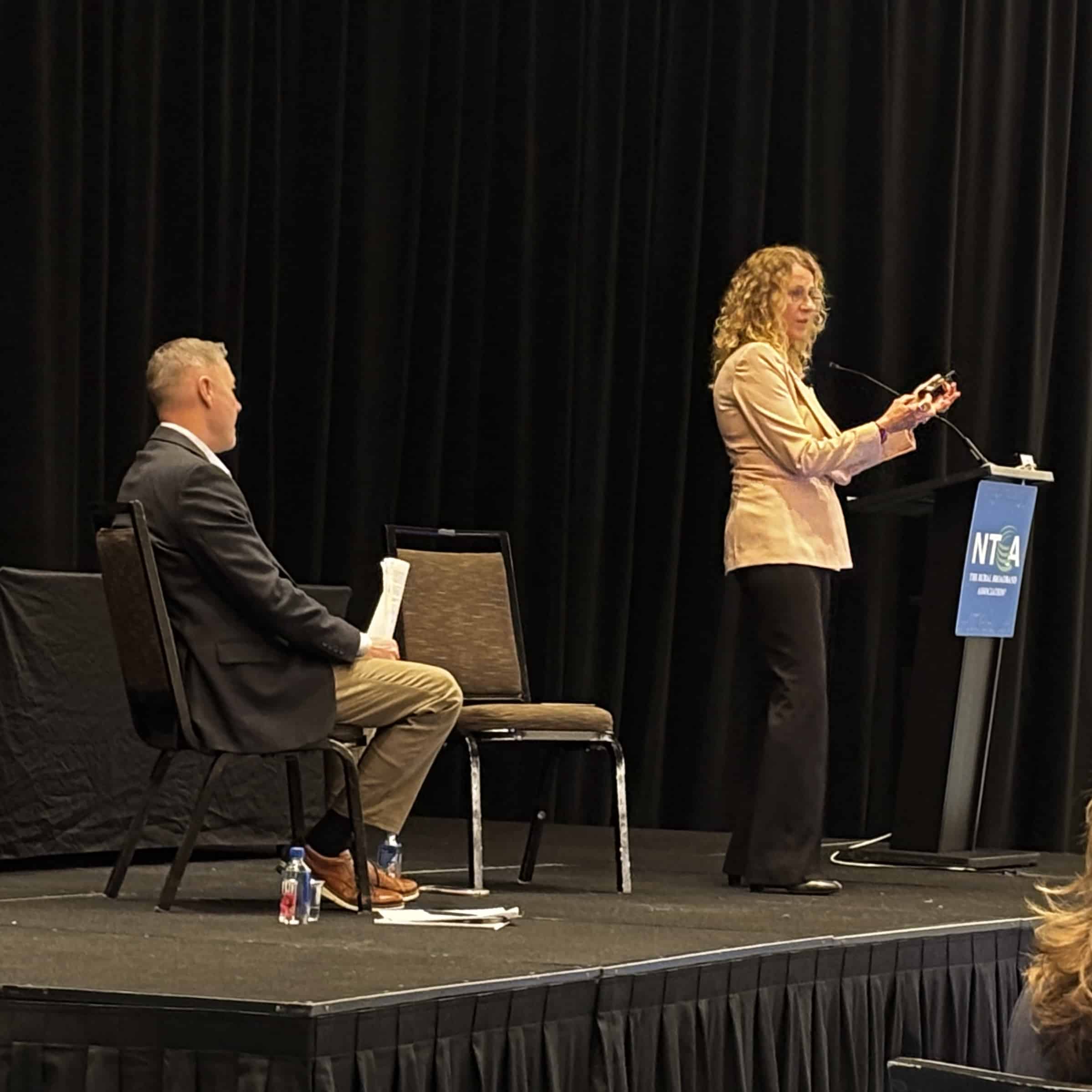
4 weeks agoNTIA's Roth addresses remaining BEAD funds
The BEAD Program achieved $21 billion in savings through Trump Administration reforms, with officials now determining how to allocate remaining funds while considering permitting improvements, workforce training, public safety communications, and addressing unserved locations.

fromwww.dw.com
2 weeks agoThe internet was supposed to be free. What went wrong?
When Guatemalan computer scientist Luis von Ahn first proposed the idea of "games with a purpose" (GWAPs) in 2004, his goal was to harness human brainpower so that computers could learn from it. His idea was simple: Get humans to solve tasks that are trivial to us but difficult for computers back then, like labeling images, transcribing text or classifying data.
Games
Higher education
fromTelecompetitor
3 weeks agoBEAD is important, but separate state initiatives are also vital: Pew study
State legislatures passed over 160 broadband-related bills in 2025, addressing regulatory changes, affordability, and workforce development alongside the $42.45 billion federal BEAD program.
London startup
fromComputerWeekly.com
2 weeks agoOfcom sets out regulation to push UK gigabit broadband to 'final phase' | Computer Weekly
Ofcom's regulatory framework aims to deliver full-fibre gigabit broadband to nearly all UK properties by 2027, with competition and investment driving productivity gains across the economy.
fromwww.bbc.com
1 week agoUS bans new foreign-made consumer internet routers
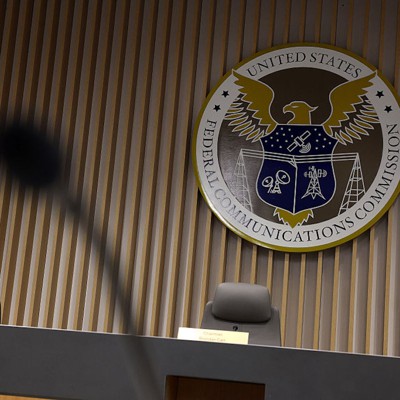
The Federal Communications Commission (FCC) added all consumer-grade routers made outside the US to a list of equipment seen as not secure enough for use, putting them on par with foreign-made drones, which were banned at the end of last year.
Privacy professionals
UK news
fromComputerWeekly.com
3 weeks agoAltnets 'force to be reckoned with' in UK broadband | Computer Weekly
UK independent broadband providers (altnets) are matching established brands' full-fibre growth rates, gaining market share through superior customer service and competitive pricing despite sector consolidation pressures.

fromTelecompetitor
3 weeks agoTime to sunset rules mandating copper maintenance: USTelecom
The goal of the new USTelecom program is to show consumers, businesses, civic leaders, and policymakers why maintaining legacy copper for the small portion of end users is not an efficient approach. A key part of this is explaining why modern technology is better.
Digital life
London startup
fromTheregister
2 weeks agoOfcom sees no need for change in next phase of fiber rollout
Ofcom's updated telecom regulations maintain existing framework while acknowledging BT's continued market dominance, requiring Openreach to share infrastructure and setting price controls for basic broadband services across most UK premises.
UK news
fromBusiness Matters
3 weeks agoGovernment launches postcode checker to track gigabit broadband rollout across UK
The UK government launched an online address checker tool enabling households and businesses to track gigabit-capable broadband rollout timelines through Project Gigabit and commercial deployments.

fromTelecompetitor
2 weeks agoHow municipal networks compare with provider competitors: Ookla report
Eight of the municipal networks studied beat their local provider competitors in median upload speed. Sherwood Broadband - in the town of the same name in Oregon - was the only one to beat its local competitor in median download speed.
Online Community Development
Digital life
fromTelecompetitor
4 weeks agoNational Broadband Master Plan looks to create secure national network
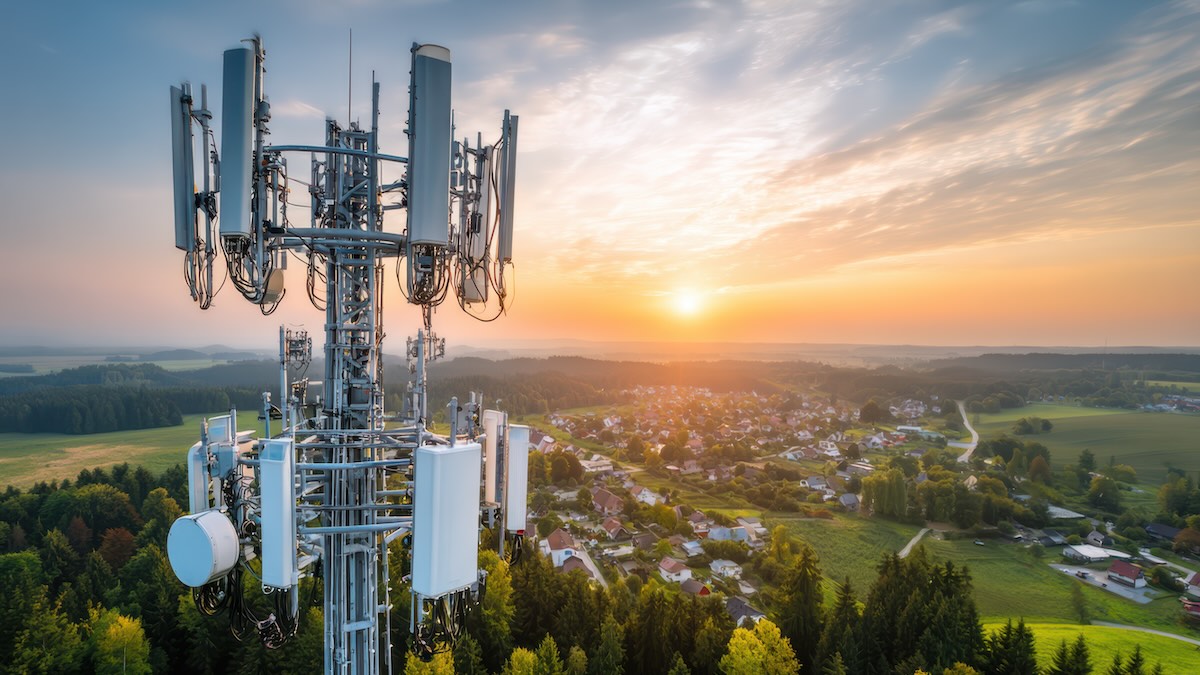
NEO Network Development proposes a five-year National Broadband Master Plan to build underground fiber infrastructure alongside U.S. transportation routes, connecting critical facilities and treating broadband as essential utility infrastructure.
Digital life
fromTelecompetitor
4 weeks agoFiber access grew in the last half of 2025, but 5G growth slowed: Analysis
Fiber internet providers accelerated expansion to 8.4% growth in late 2025, adding 5.2 million addresses and achieving 99%+ coverage in 182 counties, while overall served locations increased and unserved locations decreased by 8.4%.
US news
fromTelecompetitor
1 month agoStudy calls for federal broadband pricing database, finds pricing disparity in Louisville
A study of Louisville broadband pricing reveals higher per-Mbps rates in lower-income neighborhoods, despite lower monthly bills, indicating disparate pricing practices across communities.
fromTelecompetitor
1 month agoBroadband Forum announces Wholesale Access project
Wholesale access has been inherently supported by the Broadband Forum's network architecture over the past 20 years, and this project takes the best practices from copper‑based broadband to reshape and evolve them for fiber and cloud networks.
Online Community Development
fromSilicon Canals
1 month agoI traced who owns the undersea cables that carry 95% of global internet traffic - the map is a colonial one - Silicon Canals
Ninety-five percent of intercontinental internet traffic travels through undersea fiber optic cables. Not satellites, not some ethereal "cloud" floating above us. Cables. Physical, tangible lines of glass fiber, thinner than a garden hose, laid across ocean floors by specialized ships. There are roughly 550 active or planned cable systems worldwide, according to TeleGeography's Submarine Cable Map, and they represent the actual, material backbone of the global internet.
Digital life
Online Community Development
fromTelecompetitor
1 month agoStates and NGOs must bridge senior broadband gap: AARP
32% of older Americans lack home broadband access, affecting 19 million seniors, with disparities among low-income, oldest, and least-educated populations requiring urgent policy solutions.


fromComputerWeekly.com
1 month agoUK government calls for review into mobile market | Computer Weekly
It will look to assess the impact of factors affecting investment in high-quality connectivity by 2030, identify actions to support the sector to achieve government objectives over the next decade, and assess how the regulatory framework can be improved to support investment, innovation and competition. As part of this, the government is announcing an action plan based on four key principles: drive investment in comprehensive, high-quality connectivity by 2030; deliver for consumers; support innovation and growth across the economy; and provide secure and resilient connectivity.
UK politics
fromTheregister
1 month agoStarlink speeds past terrestrial networks - and regulators
Stefanovic found that Starlink carried data more quickly than connections that started on European cellular networks, despite the space broadband service often requiring more network hops and not using Tier 1 networks. She hypothesized that Starlink's performance can be attributed to the satellite-to-satellite laser connections SpaceX employs, which route traffic across the satellite network so it can reach the most appropriate terrestrial egress point. That laser network, she suggested, should perhaps be considered a new routing layer for the internet.
Science
fromTheregister
2 months agoInternet spent Q4 '25 fighting with cables, power, itself
Across 2025 as a whole, the company tracked more than 180 significant disruptions, with the final quarter dominated by cable damage, power problems, and routine operational failures. There was just one confirmed government-directed shutdown during the period. Tanzania saw a sharp drop in internet traffic on October 29 as violent protests broke out during the country's presidential election, with traffic falling by more than 90 percent. Traffic returned briefly before declining again, and routing data pointed to throttling rather than a clean shutdown.
fromTelecompetitor
1 month agoFCC proposes rules to stop fraudulent Lifeline support in certain states
FCC OIS detected similar fraud in the system in a 2017 report, which resulted in the Universal Service Administrative Company (USAC), the Lifeline program administrator, beginning a "death check" as part of the enrollment process. However, the FCC allowed three states (California, Texas, and Oregon) to opt out of the death check process. The most recent OIG report specifies that the $5 million in fraud was all in the opt-out state
US politics
fromTheregister
2 months agoQuarrels begin over plans to harmonize EU-wide telecoms mark
To achieve this, the EC says it is necessary to establish an EU-level spectrum authorization framework, rather than leaving this at national level. It also wants to make mandatory a Europe-wide phase out of copper networks in favor of fiber, with a deadline between 2030 and 2035.
Miscellaneous
fromComputerWeekly.com
2 months agoPublic safety broadband spending to exceed $6bn by 2028 | Computer Weekly
The study showed that annual investments in public safety LTE/5G infrastructure and devices reached $5bn in 2025, driven by both new projects and the expansion of existing dedicated, hybrid government-commercial, and secure mobile virtual network operator (MVNO)/multi-operator core network (MOCN) networks. The report observed that a myriad of fully dedicated, hybrid government-commercial and secure MVNO/MOCN-based public safety LTE and 5G networks are operational or in the process of being rolled out throughout the globe.
Gadgets


fromTheregister
1 month agoUK unveils telecoms charter to curb mid-contract bill shocks
The UK government claims a new Telecoms Consumer Charter will stop customers being hit by unexpected bill increases and offer clearer pricing when signing up to deals. Britain's Department for Science, Innovation and Technology (DSIT) says major telco providers - BT, Virgin Media O2 (VMO2), the newly conjoined VodafoneThree, Sky, and TalkTalk - have signed up to new commitments under the charter. The charter, however, appears to be nothing more than a voluntary code of conduct with no legal enforcement.
UK politics
Privacy professionals
fromElectronic Frontier Foundation
2 months agoDSA Human Rights Alliance Publishes Principles Calling for DSA Enforcement to Incorporate Global Perspectives
Include diverse civil society and rights-defending stakeholders in DSA enforcement to ensure human-rights-centred, globally informed platform governance.
fromTelecompetitor
1 month agoClosing the global digital divide requires low-band spectrum: GSMA analysis
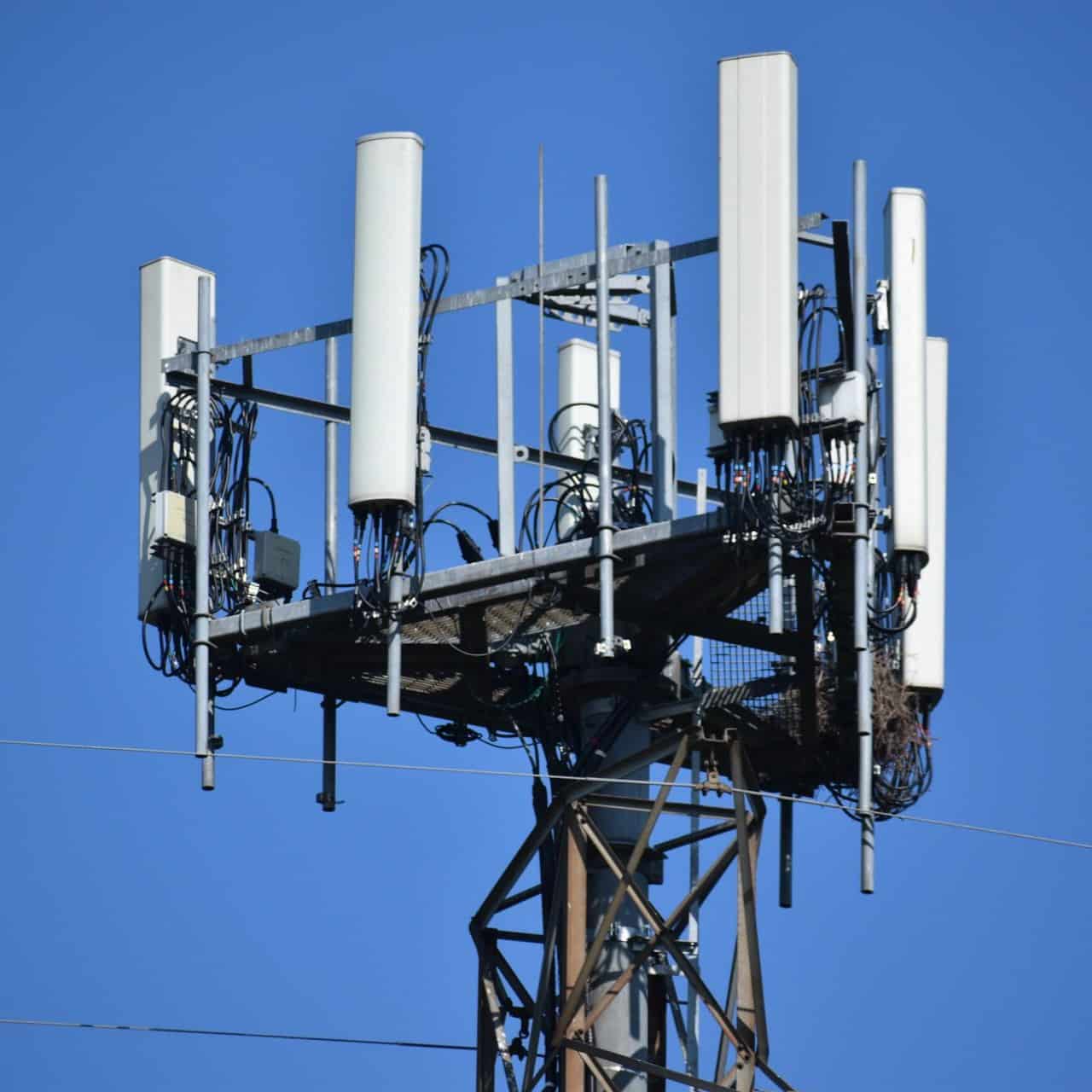
Spectrum below 1 GHz could significantly boost 4G and 5G coverage in rural areas, according to the report from GSMA Intelligence. Rural areas depend heavily on low-band spectrum because it allows signal to travel further and penetrate better through barriers such as buildings. Rural residents spend twice as much time connected to low bands as their urban and rural counterparts.
Digital life
[ Load more ]