#upcycling-glass-jars
#upcycling-glass-jars
[ follow ]
#sustainability #upcycling #diy #recycling #gardening #architecture #kitchen-organization #food-waste #home-design
#spring-cleaning


Remodel
fromWIRED
3 weeks agoSpring Cleaning? Here's How to Declutter Responsibly-and Maybe Earn Some Cash
Spring cleaning becomes manageable by separating decluttering from deep cleaning, dividing your home into smaller specific spaces, and choosing one area to start with using proven decluttering strategies.



fromEarth911
2 weeks agoIs Shredded Paper Recyclable?
Shredded paper is especially difficult to recycle, so many programs will not accept it. Shredding accelerates fiber shortening and lowers the paper grade from high-grade to mixed-grade. Mixed-grade paper is still recyclable, but it ends up baled and processed into products like paper towels and packing paper.
Portland
Renovation
fromYanko Design - Modern Industrial Design News
4 days agoThis Tiny House Has 30 Feet of Glass and Feels Nothing Like a Tiny House - Yanko Design
The Shoreline Glass House redefines tiny living with spacious, light-filled design and single-floor layout, offering a unique blend of comfort and openness.
Design
fromYanko Design - Modern Industrial Design News
4 days agoBiomimetic Architecture Reaches New Heights With This Bird-of-Paradise Yoga Space - Yanko Design
Thilina Liyanage's architecture translates animal gestures into functional designs, exemplified by the Rifle Bird Yogashala inspired by the Victoria's riflebird's courtship display.

#sustainable-fashion
Fashion & style
fromBusiness Matters
3 weeks agoWhy Sustainable Fashion is More Than Just a Trend: Clothing, Bags, and Accessories for a Better Future
Sustainable fashion has moved from niche to mainstream as consumers increasingly demand transparency about production, labor practices, and environmental impact of clothing and accessories.
Fashion & style
fromYanko Design - Modern Industrial Design News
3 weeks agoOld Clothes Never Die, They Just Become Flower Pots - Yanko Design
ByBye is a countertop machine that transforms worn clothing into usable flower pots through grinding, compression, and heat, reframing garment disposal as a system of reform rather than waste.


Miscellaneous
fromwww.theguardian.com
1 month agoA delightful day at the dump: The trick is not to leave with more stuff than I arrived with!'
A recycling centre's ReUse shop in London salvages discarded items including unusual specimens like embalmed animals, vintage furniture, and antiques to resell rather than send to landfill.


fromTasting Table
4 weeks agoThe Genius Way Martha Stewart Reuses Plastic Takeout Containers - Tasting Table
Rather than tossing or recycling those empty take-out containers, why not give them another purpose and use them for pantry storage? As she revealed on her blog, Stewart uses her leftover deli containers to store all sorts of dry goods in her pantry, like salt, pepper, and other spices, which keeps her pantry in her farm in upstate New York tidy and organized.
Cooking
fromEarth911
4 weeks agoWhat Can You Do With Your Old Electrical Wires and Cables?
According to the UN's Global E-waste Monitor 2024, a record 62 million metric tons of electronic waste was generated worldwide in 2022, an 82% increase since 2010. E-waste is projected to reach 82 million metric tons by 2030. In the U.S. alone, roughly 8 million tons of e-waste is discarded each year.
Environment
fromTasting Table
1 month agoThe Unexpected Way To Reuse Vintage Tea Tins In The Kitchen - Tasting Table
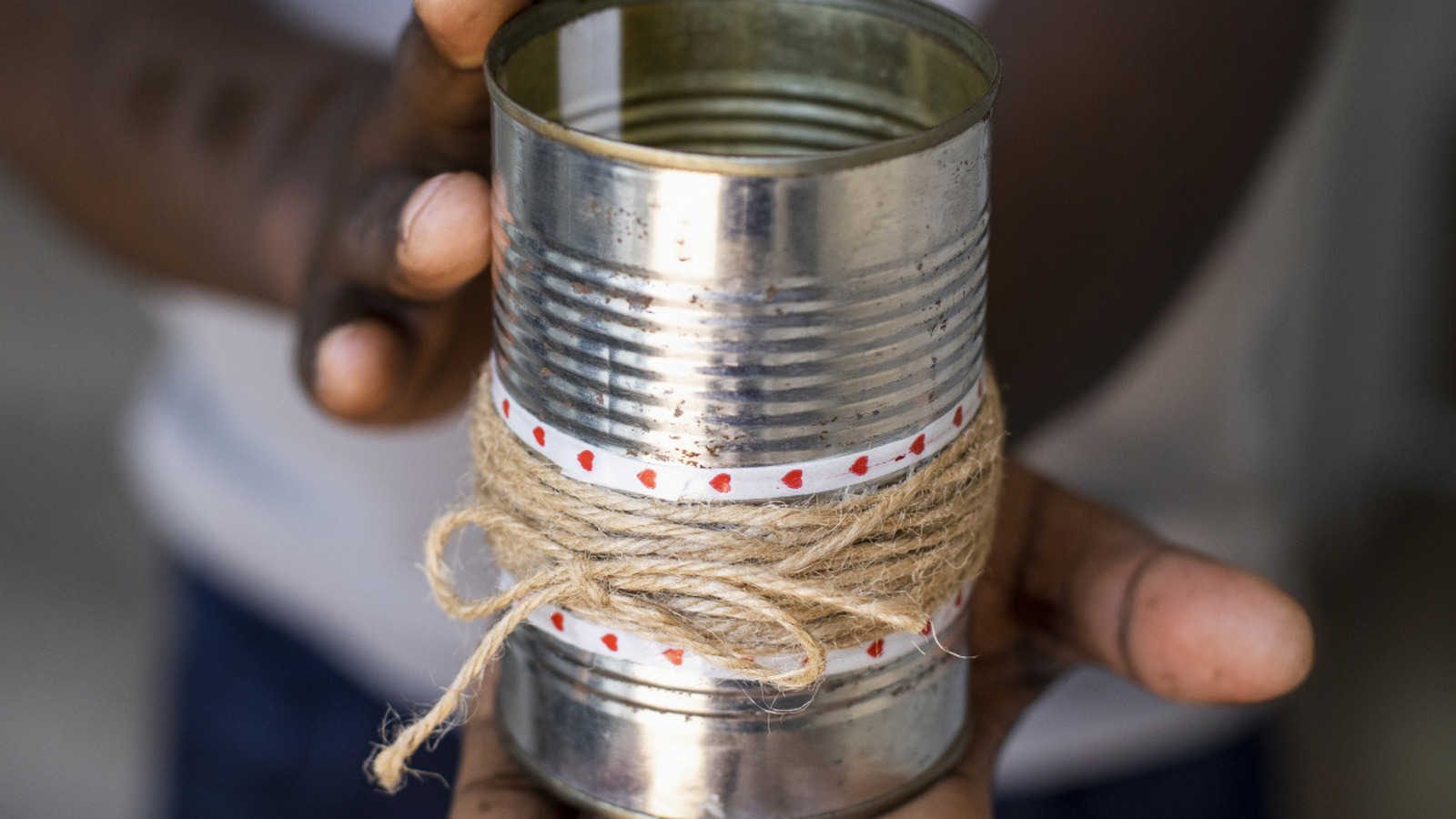
If you open your kitchen cabinets and want to run away screaming from the tumbling and entropic heap of half-used packages - and you're starting to consider dropping a whole paycheck at The Container Store to finally fix your life (for real this time) - Wait! Let us share with you a far cheaper and more whimsical solution: vintage tea tins.
Food & drink
Cooking
fromArchitectural Digest
1 month agoThe Case for Recycled Water Showers-and 3 Other Kitchen and Bath Innovations from KBIS
Water-efficient bathroom fixtures including low-flow toilets and showers deliver significant water savings while maintaining performance, with engineered stone manufacturers shifting to low-silica compositions for health and safety.
fromTasting Table
1 month agoThe 'Buy Nothing' Challenge: What It Is And How To Make It Work For Your Kitchen - Tasting Table
Households are pledging not to buy anything new in 2026 - not just in the kitchen space. This movement, aimed toward curbing consumerism, stems from multiple causes, including the rising prices of products (and living, more broadly) and the desire to cut back on impulse spending, reduce waste, and challenge the notion that new products are superior to used.
Everyday cooking
fromEngadget
2 months agoClear Drop is trying to do something about all those plastic bags under your sink
Even if you bring home as few bags as possible - using reusable bags, carrying purchases home with your own two hands - soft plastics sill accumulate. I certainly have a collection with one flimsy plastic sack filled with dozens or hundreds of others. I plan to do something with it... eventually. Unfortunately, there aren't a ton of options for what to do with those soft plastics, as most recycling facilities can't accept them.
Gadgets
fromTasting Table
2 months ago11 Common Mistakes To Avoid When Using Beeswax Wrap - Tasting Table
If you spend a lot of time in the kitchen, you may find yourself needing to use a lot of disposable plastic products, from plastic bags to plastic wrap. While these tools can come in handy once in a while, a lot of sustainability- and health-conscious home cooks try to avoid them as much as possible. There are concerns that chemicals leached from plastic wrap could cause health issues, and being disposable and decidedly not biodegradable, many view these types of food storage tools as bad for the environment as well (and a great way to cut down on plastic waste in the kitchen).
fromEarth911
2 months agoGuest Idea: 7 Solutions to Give Your Old Sunglasses a Second Life
Just like that coffee cup, eyewear is a complex fusion of materials. Metal hinges are screwed into polymer frames, which hold chemically-coated lenses. This mix of metals, plastics, and coatings means standard sorting machines cannot process them. As a result, they are rejected as contamination and sent directly to landfills, where they contribute to non-biodegradable waste. Unlike a disposable paper cup, however, a pair of sunglasses is built for durability. Its high-quality components make it a perfect candidate for repair, reuse, or reinvention.
Environment
Design
fromdesignboom | architecture & design magazine
2 months agopermeable microhome proposal integrates groundwater recycling system in india
A prefabricated off-grid microhome captures, treats, and returns water to the aquifer, enabling hydro-positive habitation while minimizing ground disturbance.
fromInsideHook
1 month agoCould Recycled Plastic Lead to More Housing?
When you think about building a house, what materials come to mind? Brick, wood and metal all come to mind; there are also some very distinctive glass houses out there. (Even if their occupants should refrain from throwing stones - though honestly, that's a good tip for indoor living in general.) A group of MIT researchers have come up with a very different way of making buildings, and it's one that also addresses an ongoing waste issue."We've estimated that the world needs about 1 billion new homes by 2050. If we try to make that many homes using wood, we would need to clear-cut the equivalent of the Amazon rainforest three times over," explained AJ Perez, who conducts his research in the MIT Office of Innovation. The title of a paper written by Perez and his colleagues - "Design, Manufacture and Testing of Structural Trusses Using Additively Manufactured Polymer Composites" - gives a sense of the solution that they have in mind.
Environment
fromTasting Table
2 months agoThe Eco-Friendly Countertop Material That's Surprisingly Durable - Tasting Table
It's likely that you've encountered recycled glass countertops without realizing it. They're far from the hippie-style broken-glass mosaic art of yesteryear, instead presenting as sleek, highly polished, professional slabs with intriguing bits of confetti-style color trapped inside. That's the recovered glass bits set into a binding material such as resin, cement, or concrete, and then smoothly polished so that the composite surface feels like stone.
Remodel
fromwww.theguardian.com
2 months agoRecycled plastic packaging claims are misleading, say experts
Europe's supermarket shelves are packed with brands billing their plastic packaging as sustainable, but often only a fraction of the materials are truly recovered from waste, with the rest made from petroleum. Brands using plastic packaging from Kraft's Heinz Beanz to Mondelez's Philadelphia use materials made by the plastic manufacturing arm of the oil company Saudi Aramco. The Saudi state-owned holding opposes production cuts under the UN plastic treaty and is the world's largest corporate greenhouse-gas emitter (over 70m tonnes up to 2023).
Environment
fromEarth911
1 month agoEarth911 Inspiration: Waste Can End With You
We can make changes to reduce our waste by precycling when we shop, reducing what we purchase, reusing items to get the most use out of them, and recycling when possible. But when we have items to throw away, please dispose of trash responsibly and don't litter. Let's reduce our waste and clean up our planet. It's our only home.
Environment
fromEarth911
2 months agoRecycling Mystery: Black-Colored Plastic
Black plastic gets its color from carbon black pigment and is commonly used in food containers, such as meat or produce trays and take-out containers, as well as disposable coffee lids, plastic bags, and hard plastic items like DVD cases and planters. While plastic is one of the categories of things that we are encouraged to recycle - when we can't reuse or repurpose it - not all black plastic items can be recycled.
Environment
[ Load more ]