#us-china-collaboration
#us-china-collaboration
[ follow ]
#china #us-china-relations #diplomacy #tariffs #strait-of-hormuz #international-relations #pakistan #iran
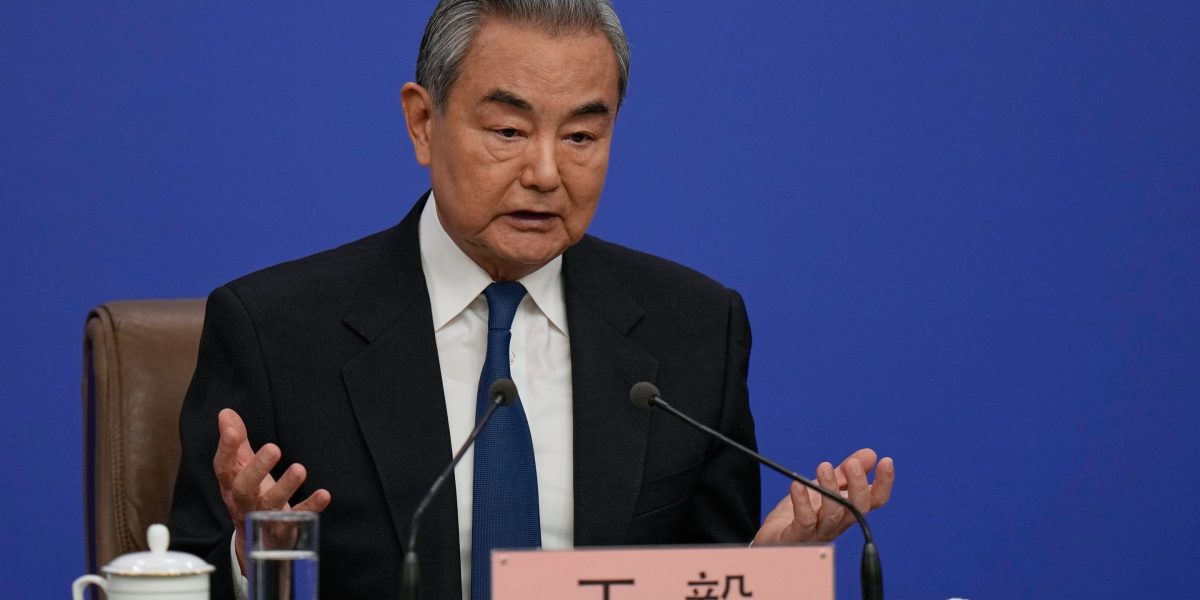






fromFortune
2 days agoFrance, South Korea say they'll work together on reopening Strait of Hormuz | Fortune
Macron underscored the need for France and South Korea to cooperate to help reopen the strait and deescalate Middle East animosities, affirming their resolve to secure the safe shipping route in the Strait of Hormuz.
World politics
fromFast Company
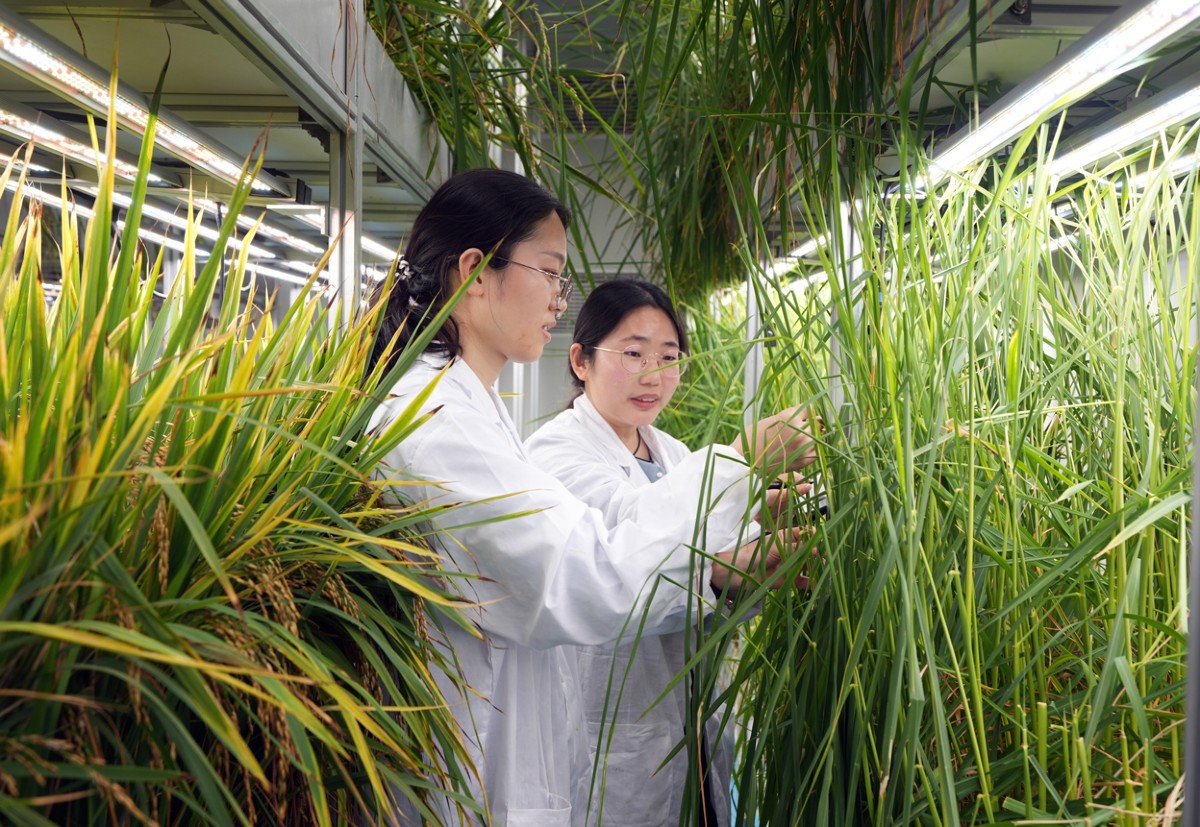
4 days agoChina is moving faster on next-gen tech. The U.S. is trying to keep up
In recent weeks, China approved the world's first commercial brain-computer interface medical device and unveiled a five-ton class electric vertical takeoff and landing aircraft that has already completed a public flight.
Science
#us-china-relations

World politics
fromFortune
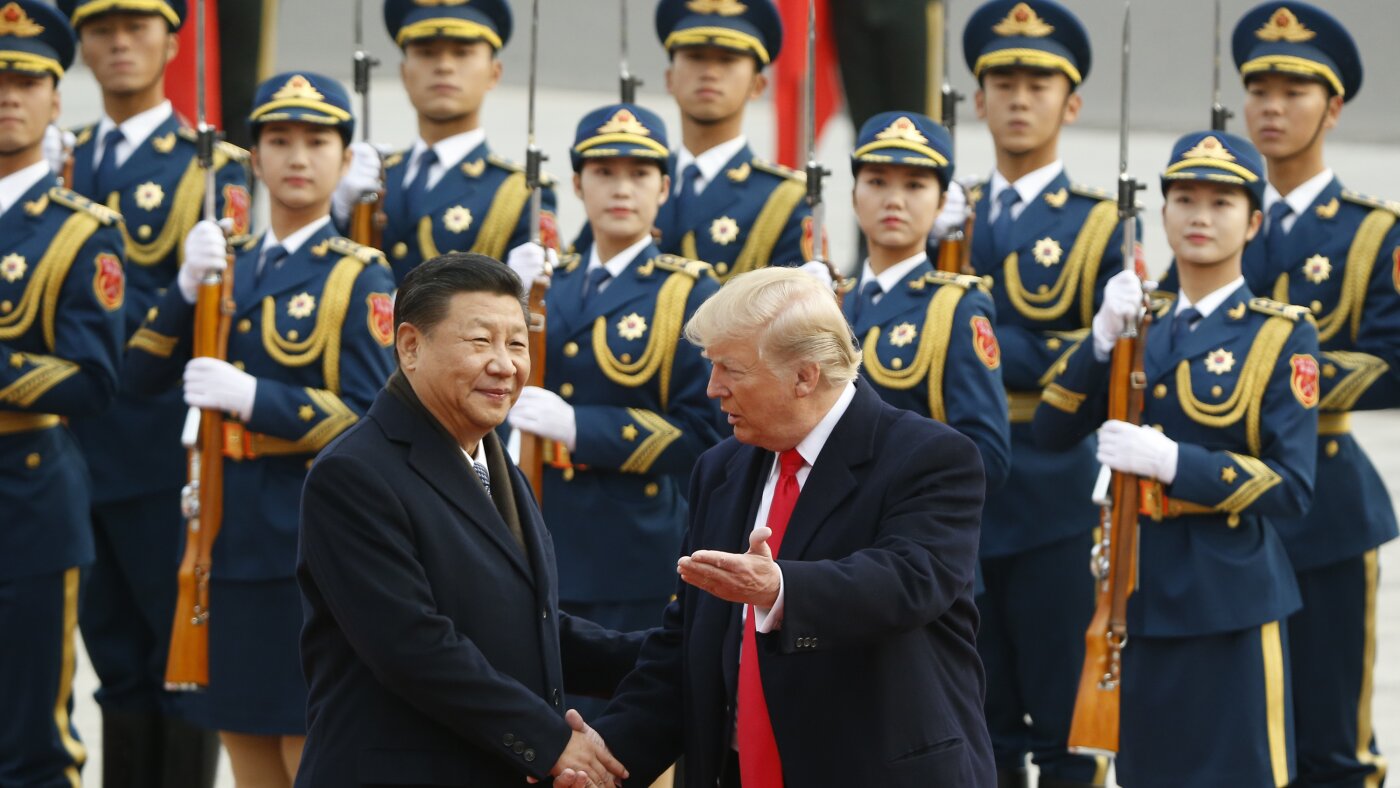
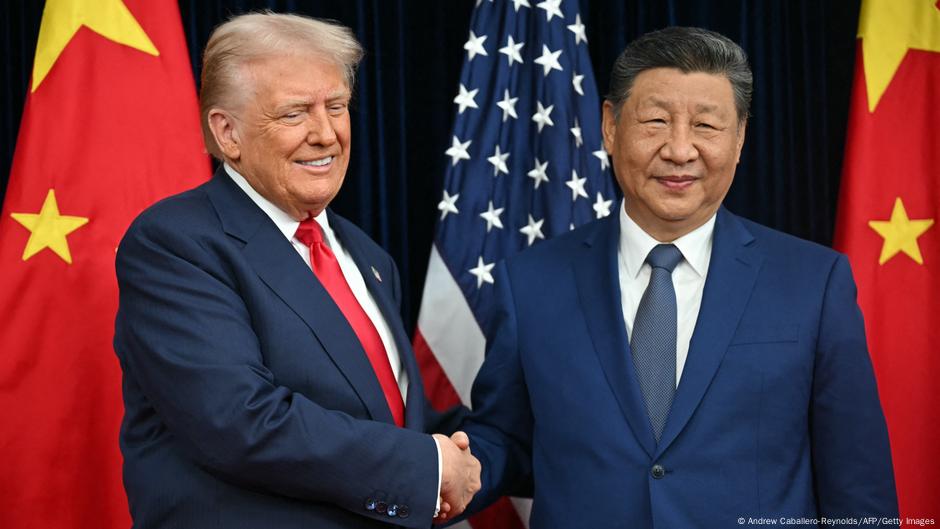
2 weeks agoTrump suggests postponing his key meeting with Xi Jinping by 'a month or so,' as Iran overtakes China on the U.S.'s agenda | Fortune
Trump is considering delaying his meeting with Xi Jinping by approximately one month due to escalating Iran conflict management priorities rather than as pressure on China.
World politics
fromFortune
2 weeks agoTrump suggests postponing his key meeting with Xi Jinping by 'a month or so,' as Iran overtakes China on the U.S.'s agenda | Fortune
Trump is considering delaying his meeting with Xi Jinping by approximately one month due to escalating Iran conflict management priorities rather than as pressure on China.
London startup
fromBusiness Matters
2 weeks agoCan the New Trade Agreement Between the UK and China Spur Business Activity in the UK: The Businesses' Perspective in 2026
UK Prime Minister Keir Starmer's January 2026 visit to China established trade agreements aimed at boosting economic growth, expanding market access, and creating investment opportunities for British companies across multiple sectors.
European startups
fromFortune
1 week agoChina could be the 'big winner' in the AI race, thanks to abundant power, cheap manufacturing, and an open-source craze | Fortune
China's AI sector is gaining momentum due to cheaper energy, increased capital spending, and a growing number of open-source developers.
#us-china-trade-relations

World news
fromwww.dw.com
2 weeks agoUS-China trade talks 'stable' despite mutual accusations
US and Chinese trade officials concluded a two-day Paris summit with stable discussions, agreeing on agricultural purchases and proposing new trade boards while disputes over forced labor investigations and Middle East tensions persist.
World news
fromwww.dw.com
2 weeks agoUS-China trade talks 'stable' despite mutual accusations
US and Chinese trade officials concluded a two-day Paris summit with stable discussions, agreeing on agricultural purchases and proposing new trade boards while disputes over forced labor investigations and Middle East tensions persist.
Europe politics
fromwww.theguardian.com
1 month agoEuropean Commission proposes Buy EU' plan to compete against China
The European Commission proposes the Industrial Accelerator Act to prioritize EU-made and low-carbon products in public procurement, marking a shift toward protectionism to compete with China and strengthen European industrial autonomy.
fromwww.dw.com
1 month agoMerz in China: German chancellor, Xi seek more cooperation
Friedrich Merz said he saw a "great opportunity" for the industrial exporters, while Xi Jinping called for "enhanced strategic cooperation." China has been courting Western leaders amid Trump's trade tensions. It's Merz's first trip to China since he became chancellor, his predecessor Olaf Scholz visited in 2024.
Europe politics
fromwww.dw.com
1 month agoChina overtakes US to become Germany's top trading partner
The sum of exports and imports between the two countries last year totalled 251.8 billion (roughly $296.6 billion), a 2.1% increase, according to Destatis. China was Germany's most important trading partner from 2016 all the way through to 2023. In 2024, the US briefly held the title. German Chancellor Friedrich Merz is also set to visit China next week, where he is set to discuss trade and other topics.
Miscellaneous
fromwww.theguardian.com
2 months agoCanada PM hails new partnership with China in wake of new global realities'
Addressing Xi in the Great Hall of the People, Carney said that together we can build on the best of what this relationship has been in the past to create a new one adapted to new global realities. Engagement and cooperation would be the foundation of our new strategic partnership, he said. Agriculture, energy, finance, that's where we can make the most immediate progress.
Canada news
World politics
fromFortune
2 weeks ago'The United States is undermining itself': China is ignoring Trump's Hormuz request as the Iran war deepens and his Beijing trip slips | Fortune
Trump's Iran military operation has stalled with oil blocked at the Strait of Hormuz and U.S. allies refusing support, forcing Washington to potentially rely on China, its strategic rival, to resolve the crisis.
fromIrish Independent
2 months agoTaoiseach hails 'indispensable role' of China as he meets president Xi Jinping in Beijing
China's "indispensable role" in the world has been praised by Taoiseach Micheál Martin during a face-to-face meeting with president Xi Jinping this morning in the capital Beijing. Starting a four-day visit to the country in a bid to deepen economic ties between Ireland and China, the Taoiseach met with the Chinese leader, key ministers and members of the Politburo, during which Mr Martin told the delegation that Ireland believes "in open trade" and a "rules-based multilateral order".
Miscellaneous


fromwww.aljazeera.com
2 months agoModi, Trump announce India-US trade deal': What we know and what we don't
United States President Donald Trump has announced what he described as a trade deal with India to reduce market barriers between the two countries, which have a combined gross domestic product of $33 trillion. On Monday, Trump said he would reduce trade tariffs on Indian goods from 50 to 18 percent after New Delhi agreed to stop buying Russian oil one of the major sticking points between the two sides.
US politics
World politics
fromwww.npr.org
3 weeks agoFive key takeaways from an annual briefing by China's foreign minister
China's foreign minister Wang Yi criticized the U.S.-Israeli conflict with Iran while signaling openness to a Trump-Xi meeting and advocating for dialogue between the world's two largest economies.
World politics
fromwww.theguardian.com
1 month agoChina's Two Sessions to reveal Xi's economic and defence plans as military purge casts shadow
China's Two Sessions convene this week to set annual economic targets and launch the 15th five-year plan for 2026-2030, with the NPC serving as the formal legislative body despite the CCP holding ultimate decision-making power.
fromWIRED
2 months ago23 Ways You're Already Living in the Chinese Century
A decade ago, China's political leaders laid out an ambitious industrial plan: By 2025, they pledged, their country would be a world capital, with the goal of moving from "Chinese speed to Chinese quality, the transformation of Chinese products to Chinese brands." This is the difference, they wrote, between "Made in China" and "Created in China." At WIRED, we never take what the government (ours or anybody else's) says at face value.
World news
fromwww.theguardian.com
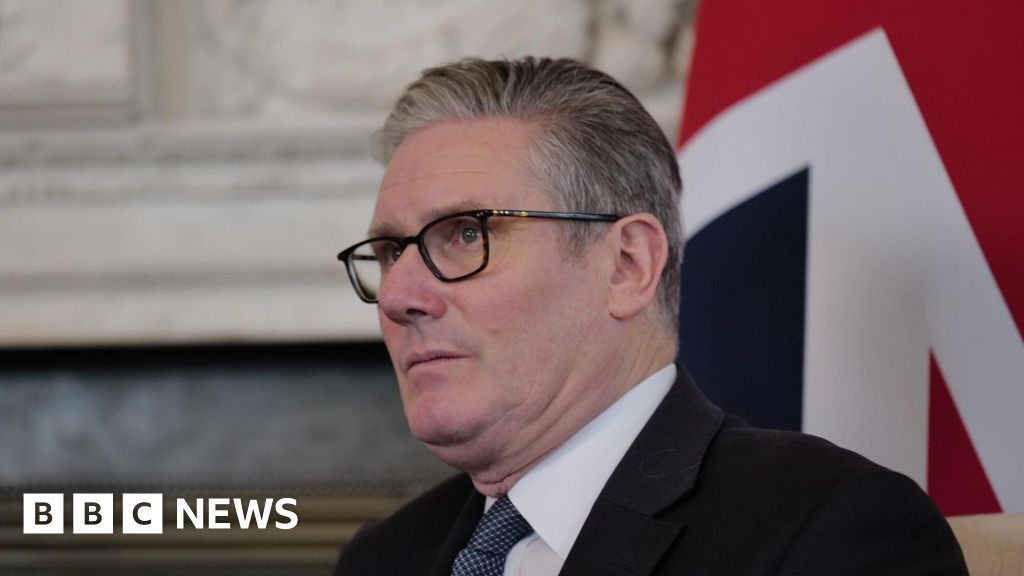
2 months agoXi-Starmer meeting: Chinese leader tells PM he hopes both countries can rise above differences'
Your visit this time has drawn a lot of attention. Sometimes good things take time. As long as it is the right thing that serves the fundamental interests of the country and the people, then as leaders we should not shy away from difficulties and we should press ahead. As long as we take a broad perspective, rise above differences and respect each other, then we will prove ourselves able to stand the test of history.
World news
fromwww.aljazeera.com
2 months agoHow Balochistan attacks threaten Pakistan's promises to China, Trump
When meeting United States President Donald Trump in the Oval Office in September, Pakistan's army chief, Field Marshal Asim Munir, opened a briefcase with Prime Minister Shehbaz Sharif standing next to him. Inside were a set of glistening minerals. Their display was part of Pakistan's latest offer to the Trump administration: The country was willing to open up its minerals to US investment.
World news
fromThe Cipher Brief
2 months agoWhat U.S. - China Cooperation Means for the World
Of all countries, China should appreciate the need to stop Mr. Maduro from smuggling these illicit drugs into the U.S., killing tens of thousands of Americans. China experienced this in the Opium War of 1839-1842, when Great Britain forced opium on China, despite government protestations, resulting in the humiliating Treaty of Nanjing, ceding Hong Kong to Great Britain. Mr. Maduro was violating U.S. laws, in a conspiracy to aid enemies and kill innocent Americans.
World politics
fromwww.aljazeera.com
2 months agoWhat role is China playing in global geopolitical transformations?
China's official discourse centres on the idea of peaceful rise, the commitment to non-interference in internal affairs, respect for sovereignty and territorial integrity, and economic partnerships based on mutual benefit. Beijing insists that relations with Washington should not slide into conflict, calling for a system of global governance built on cooperation rather than confrontation. Yet the geopolitical landscape reveals a wide gap between this discourse and reality. Donald Trump's return to the White House has brought back rhetorical escalation and increased geopolitical pressure.
World politics
[ Load more ]