#us-iran-negotiations
#us-iran-negotiations
[ follow ]
#middle-east-tensions #oman-mediation #nuclear-diplomacy #geneva-talks #military-buildup #iran-nuclear-program
World news
fromAxios
2 weeks agoIran and U.S. have been in direct contact in recent days, sources say
Iranian Foreign Minister Araghchi sent text messages to U.S. envoy Witkoff about ending the war, while Trump expressed openness to negotiations despite uncertainty about Iranian decision-making authority.
fromwww.mediaite.com
1 month agoBREAKING: Israel Bombs Iran Amid U.S. Peace Talks Again
Israeli forces bombed Iran on Saturday amid ongoing peace talks between Iran and the U.S. Explosions could be heard across Tehran. In a statement, Israeli Defense Minister Israel Katz declared a special and permanent state of emergency across Israel. The Israeli government described its attack as preemptive.
World politics


fromwww.dw.com
1 month agoWhere do the US and Israel differ on Iran strategy?
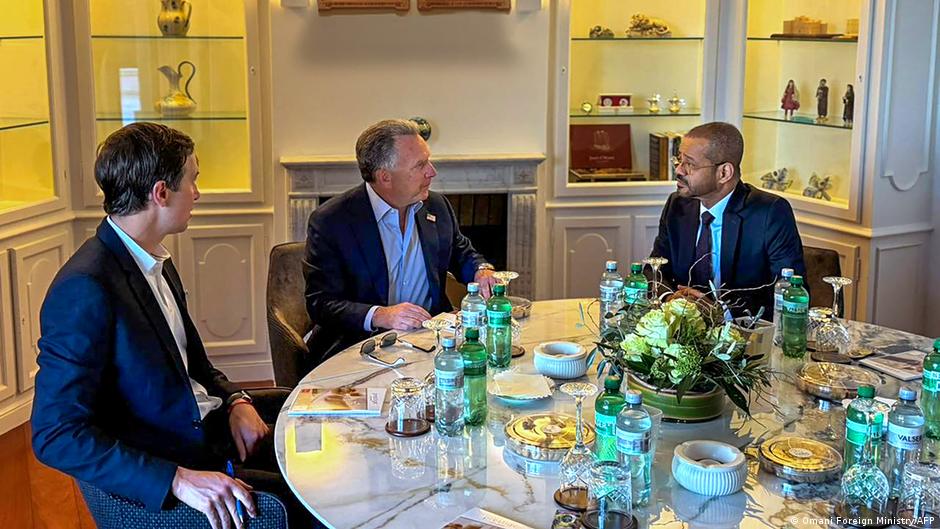
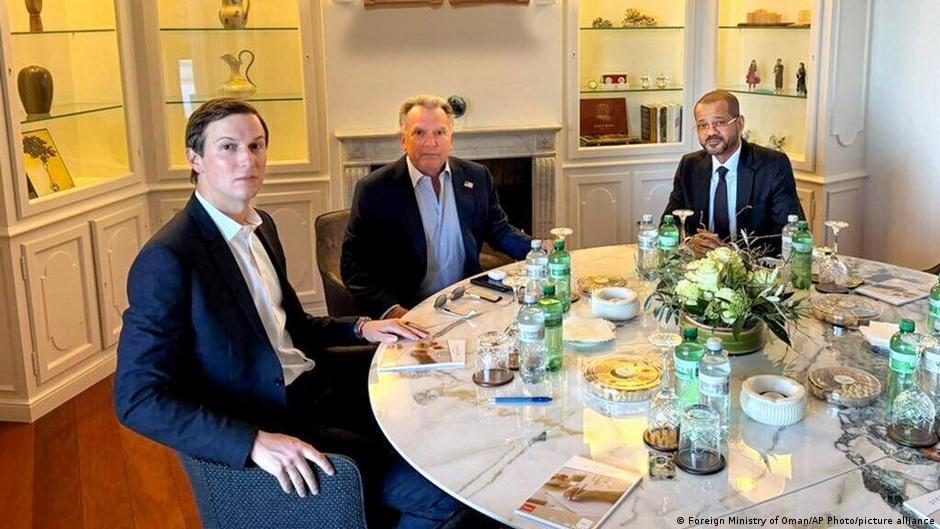
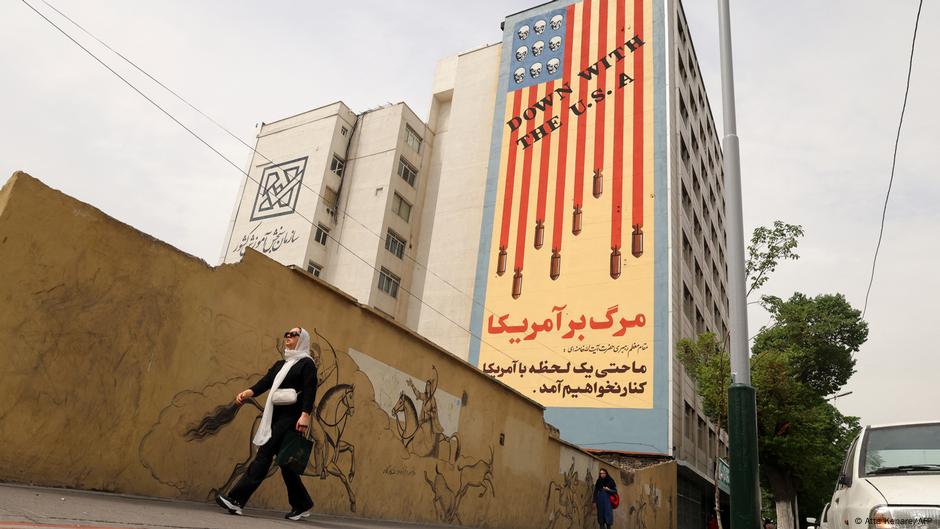
Oman is mediating the process, which involves US Special Envoy for the Middle East Steve Witkoff, Trump's son-in-law Jared Kushner, and Iranian Foreign Minister Abbas Aragchi. The US and Israel both want to prevent Iran from becoming a nuclear power, while keeping Tehran from expanding it regional influence and proxy militias. Iran, in its turn, is insisting that its nuclear program is peaceful, and has blustered at the attempts of limiting its influence. Its leaders, however,
World news


fromThe Cipher Brief
1 month agoInside the High-Stakes U.S. Pressure Campaign on Iran
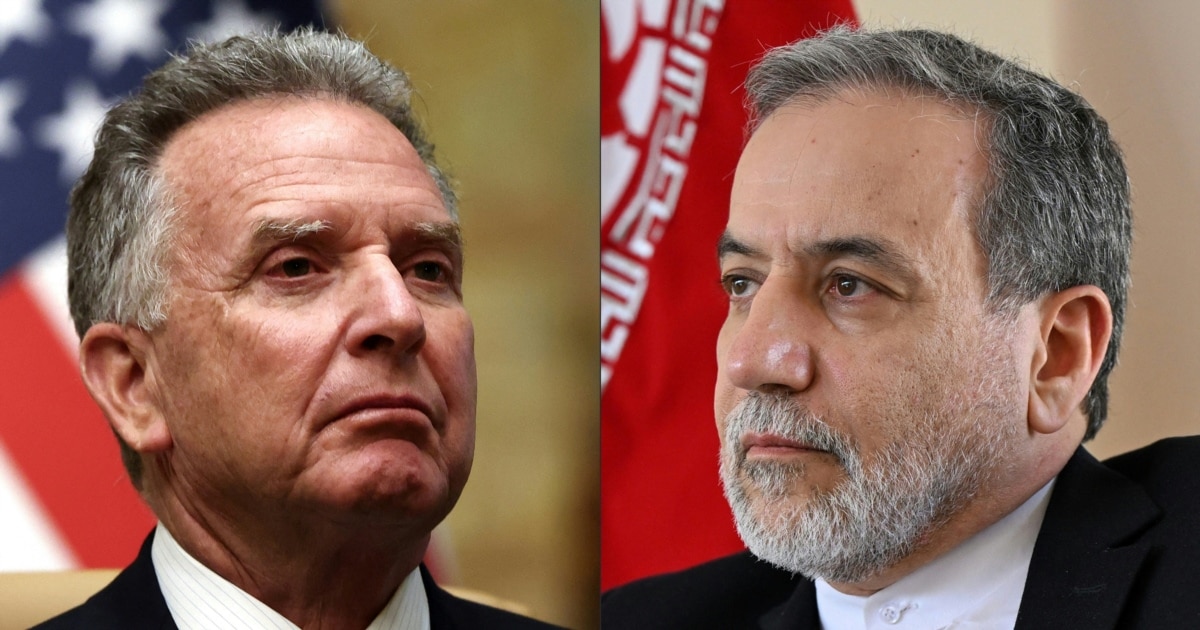
The Cipher Brief spoke with former National Intelligence Manager for Iran at ODNI Norm Roule about what is likely to come next. Roule, who is also a Cipher Brief Expert, travels regularly to the region for meetings with senior leaders. We spoke with him in this exclusive interview about the risks and opportunities facing the U.S. with regard to Iran and what he believes Iran is likely to do first if the U.S. does launch a military attack.
World news
fromThe Atlantic
1 month agoWhy the U.S. Hasn't Yet Struck Iran
Late last month, President Trump took to social media to issue a not-at-all-veiled threat to the theocratic rulers of Iran: Come to the negotiating table and agree to "NO NUCLEAR WEAPONS," or risk the same type of swift and violent response that plucked Venezuelan President Nicolás Maduro and his wife from Caracas in the middle of the night. "Time is running out, it is truly of the essence!"
US politics
fromwww.npr.org
1 month agoWhere things stand after U.S. and Iranian officials' indirect talks in Oman
There's been nothing from the U.S. side about what was discussed. Special Envoy Steve Witkoff and the president's son-in-law Jared Kushner left the meeting and Oman without talking to the press or issuing a statement. Iran's foreign minister, Abbas Araghchi, said the discussions were strictly limited to the nuclear issue, which is what Tehran wanted. And he added that the trust between the two sides remained an issue. You know, last year, Witkoff and Araghchi held a number of face-to-face meetings.
World news
fromRadioFreeEurope/RadioLiberty
1 month agoFragile US-Iran Talks Salvaged For Oman Summit
In a dramatic reversal that has kept global markets and regional allies on edge, the United States and Iran have confirmed they will move forward with high-stakes negotiations in Muscat on February 6. The talks, which appeared to have collapsed late on February 4, represent what is largely seen as a last-chance effort to avert a major military escalation in the Persian Gulf. The path to the Omani capital was anything but smooth.
World politics
fromAxios
2 months agoU.S. tells Iran it is ready to meet and negotiate a deal
The three countries that worked with the Trump administration on the Gaza ceasefire deal want U.S.-Iran negotiations to prevent a regional war. White House officials say Trump hasn't made a final decision on a strike against Iran and remains open to a diplomatic solution. U.S. officials say President Trump's recent comments about negotiations aren't a bluff, but the U.S. doesn't know if Supreme Leader Ayatollah Ali Khamenei will authorize his diplomats to cut a deal that will be acceptable to the U.S.
World politics
[ Load more ]