#uv-printer
#uv-printer
[ follow ]
#3d-printing #additive-manufacturing #circular-economy #sustainable-construction #crafting #heat-press

fromTheSavvyGamer
1 month ago10 Reasons to Keep a Printer at Home & 10 Why You Shouldn't - TheSavvyGamer
There's a real convenience to being able to print a lease agreement, a medical form, or a tax document without having to run to a copy shop or library. When you need something signed and returned quickly, having a printer at home means you don't have to rearrange your schedule around a trip across town. That kind of on-demand access saves both time and stress, especially during situations that are already a little chaotic.
Miscellaneous
fromFuturism
1 month agoThe Economics of 3D Printed Homes Are Surprisingly Horrible
According to the outlet SlashGear, the neighborhood encompasses five 1,000-square-foot houses just north of Sacramento. Each domicile is produced by a hulking concrete printer worth about $1.5 million, which took about 24 days to spit out the first house. In the future, 4Dify expects the whole process to take about 10 days, but that isn't what's astonishing about the Yuba County neighborhood - it's the price tag.
Real estate
fromsignsatwholesale.com
2 months agoSignages Manufacturer & Supplier
We specialize in professional custom-made UL-certified signage solutions for every application. Signs At Wholesale is a U.S.-based custom signage supplier with offices in New Jersey and India, and a dedicated manufacturing facility in India. We supply to sign shops, design agencies, event firms, and sign resellers by simplifying the signage process with scalable, UL-certified solutions. With no MOQs and white-label solutions, we support everything from design assistance to final production and delivery, so you can focus on growing your business.
Gadgets
fromYanko Design - Modern Industrial Design News
2 months agoLonger ePrint Replaces UV, DTF, and Rotary Printers with One Box - Yanko Design
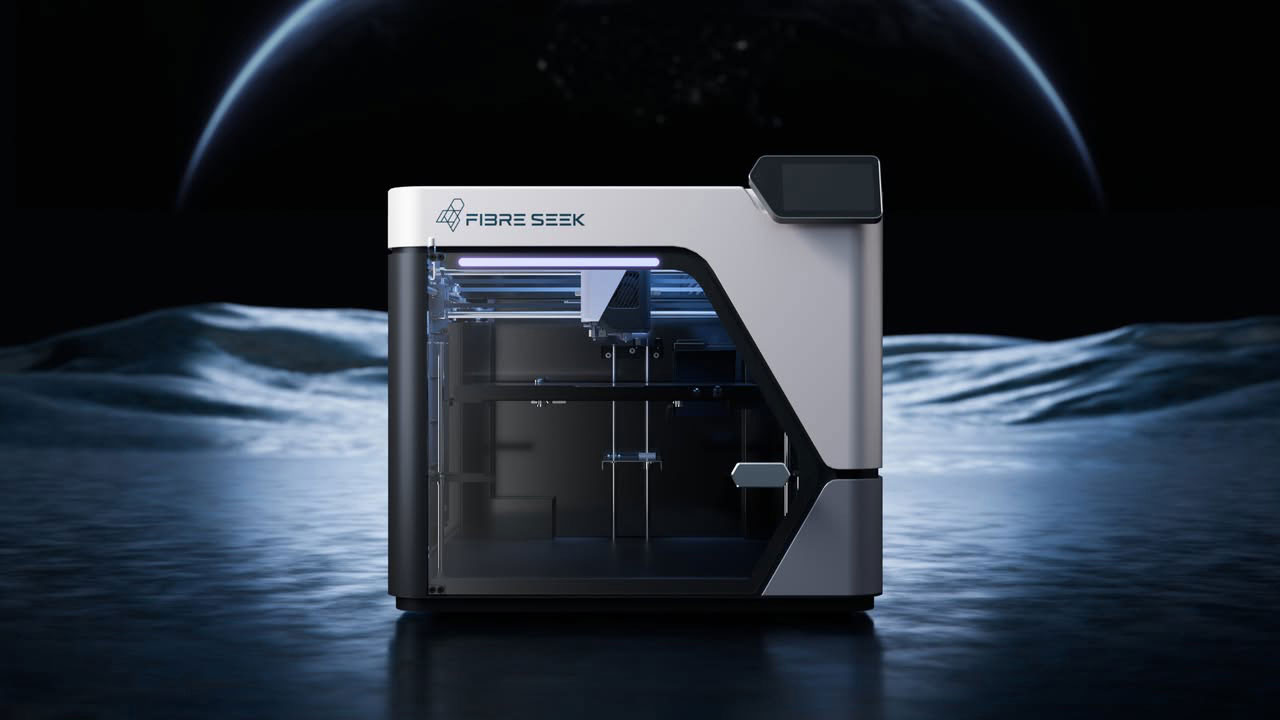
A dual-head personal UV printer that enables in-house multi-material, textured, and high-resolution printing, consolidating workflows across hard goods and fabric transfers.
Miscellaneous
fromdesignboom | architecture & design magazine
1 month agoworking LEGO printing presses can transfer images and logos onto paper
Two fully functional LEGO printing press models demonstrate historic printing methods by transferring images onto paper using a lever-operated platen press and a roller-based press.
fromZDNET
2 months agoI didn't need this, but I used AI to 3D print a tiny figurine of myself - here's how
That's today's project. In this article, I'll show you how I started with a picture of me, used some intermediate AI, and turned it into a physical 3D plastic me figurine. Do I need a me figurine? No. Is it cool? Yeah. Does it show off another AI capability? Yep. I'll be honest. I didn't expect my editor to sign off on this pitch.
Artificial intelligence
fromYanko Design - Modern Industrial Design News
2 months ago5 Countries Just 3D-Printed Homes in Under a Week: The Future Is Here - Yanko Design
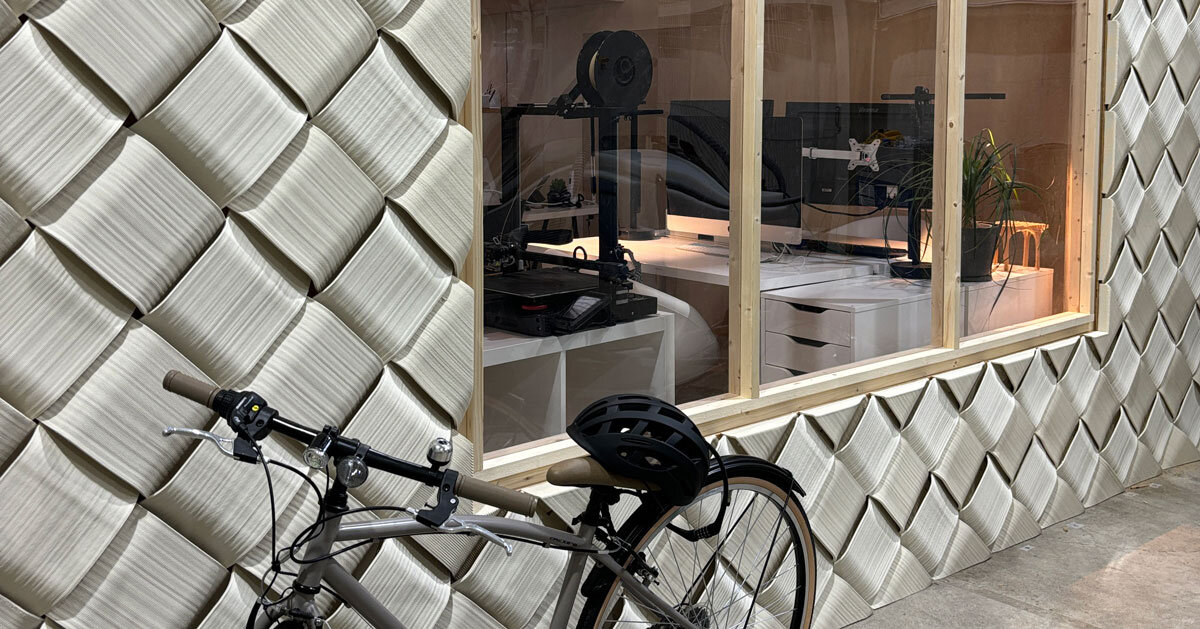
Traditional construction is often marked by inefficiencies like material waste, labor intensity, and long project timelines that push up the final cost per square foot. In contrast, 3D printing, or Additive Manufacturing in Construction (AMC), introduces a fundamentally different approach, shifting from subtractive to additive building processes. Its central ambition is to make housing more accessible by lowering material and labor costs while enabling faster delivery of structurally sound, architecturally considered homes.
Tech industry
fromEngadget
2 months agoInkPoster launches a premium, 41-inch e-paper display for your home
Last year, PocketBook rocked up at CES with a series of large e-paper displays to display art on the walls of your home. This year, the company has turned up with a far larger, A1-sized model called the Duna, which it says mimics the "texture, depth and tonal richness of printed paper." It's intended to act as an upmarket alternative to those big screen TVs which display art when they're not being used for their intended purpose.
Gadgets
fromTechzine Global
2 months agoProfessional print materials for European tech events, why booth design still makes the difference
When you participate in a major tech event, you naturally want to stand out. Print materials can ensure making a professional first impression. In this article we look at how you ensure that your tech company's exhibition stand definitely stands out. Even if you participate in 2026 at the Web Summit in Portugal, the London Tech Week, TechEx Europe in the RAI Amsterdam or FOSDEM in our own country (Brussels). Which HelloPrint print materials are suitable for dressing up a booth?
Marketing
fromYanko Design - Modern Industrial Design News
2 months agoAtomForm Palette 300 3D Prints in 36 Colors With 12 Dedicated Nozzles - Yanko Design
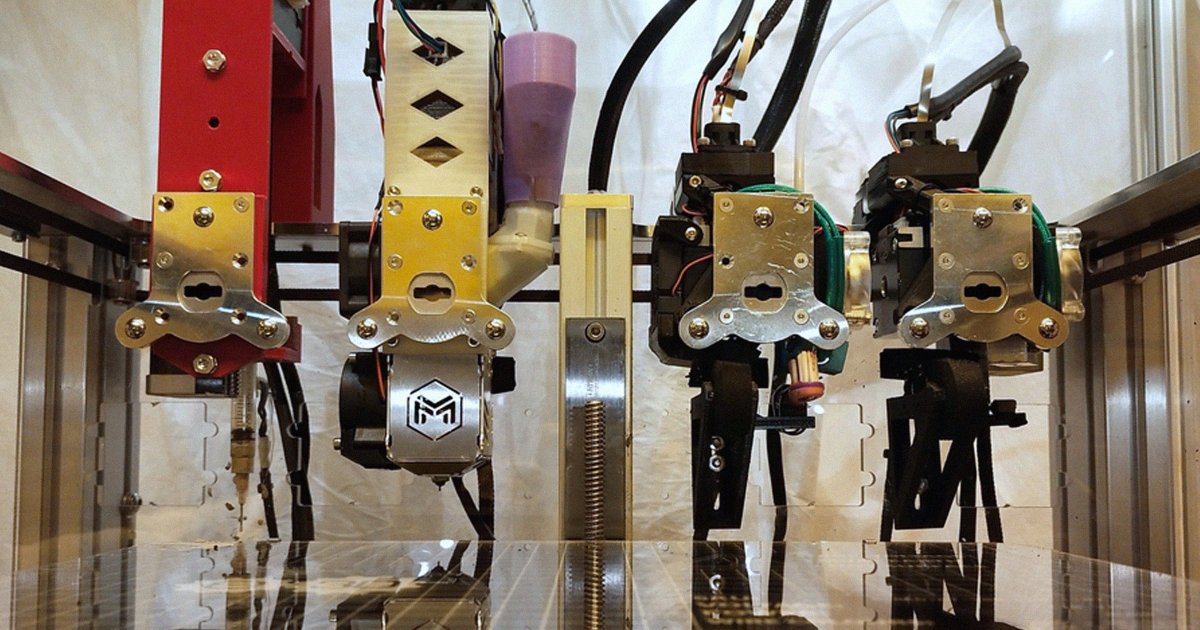
AtomForm Palette 300 is a 12-nozzle, enclosed 3D printer built to combine up to 36 colors and 12 materials in a single print. It uses a rotating OmniElement automatic nozzle-swapping system, where each nozzle stays dedicated to one filament. AtomForm claims that the approach cuts filament waste by up to 90% by avoiding constant purging, while still hitting 800 mm/s print speeds and 25,000 mm/s² acceleration in a 300 × 300 × 300 mm enclosed cube.
Gadgets
Gadgets
fromYanko Design - Modern Industrial Design News
1 month agoFujifilm's $170 Instax mini Link+ printer now lets you directly print moodboards from Pinterest - Yanko Design
Fujifilm's Instax Mini Link+ is a premium smartphone printer that uses Design Print Mode and a 318 dpi OLED exposure system to produce sharper text and finer detail.
Gadgets
fromYanko Design - Modern Industrial Design News
1 month ago3D-Printed Faces for Robot Vacuums Get Messy Every Time They Bump - Yanko Design
A 3D-printed Petokka kit adds movable cat/dog facial parts to robot vacuums, giving them personality through gravity-driven, non-electronic eyes and ears.
fromEngadget
2 months agoFraimic is an E Ink display that turns your ideas into AI art
But unlike other versions, this one requires no subscription, lets you swap out the surrounding frame and doesn't require an app to upload the art. Instead, a built-in mic picks up your idea, sends it to OpenAI and creates an image that pops up in a few moments on the screen. The on-board accelerometer even knows whether the device is in landscape or portrait orientation, and applies the correct format.
Gadgets
[ Load more ]