#valuation
#valuation
[ follow ]
#ipo #spacex #funding #ai #openai #elon-musk #investment #palantir #fundraising #earnings #meta-platforms
#openai
Venture
fromnews.bitcoin.com
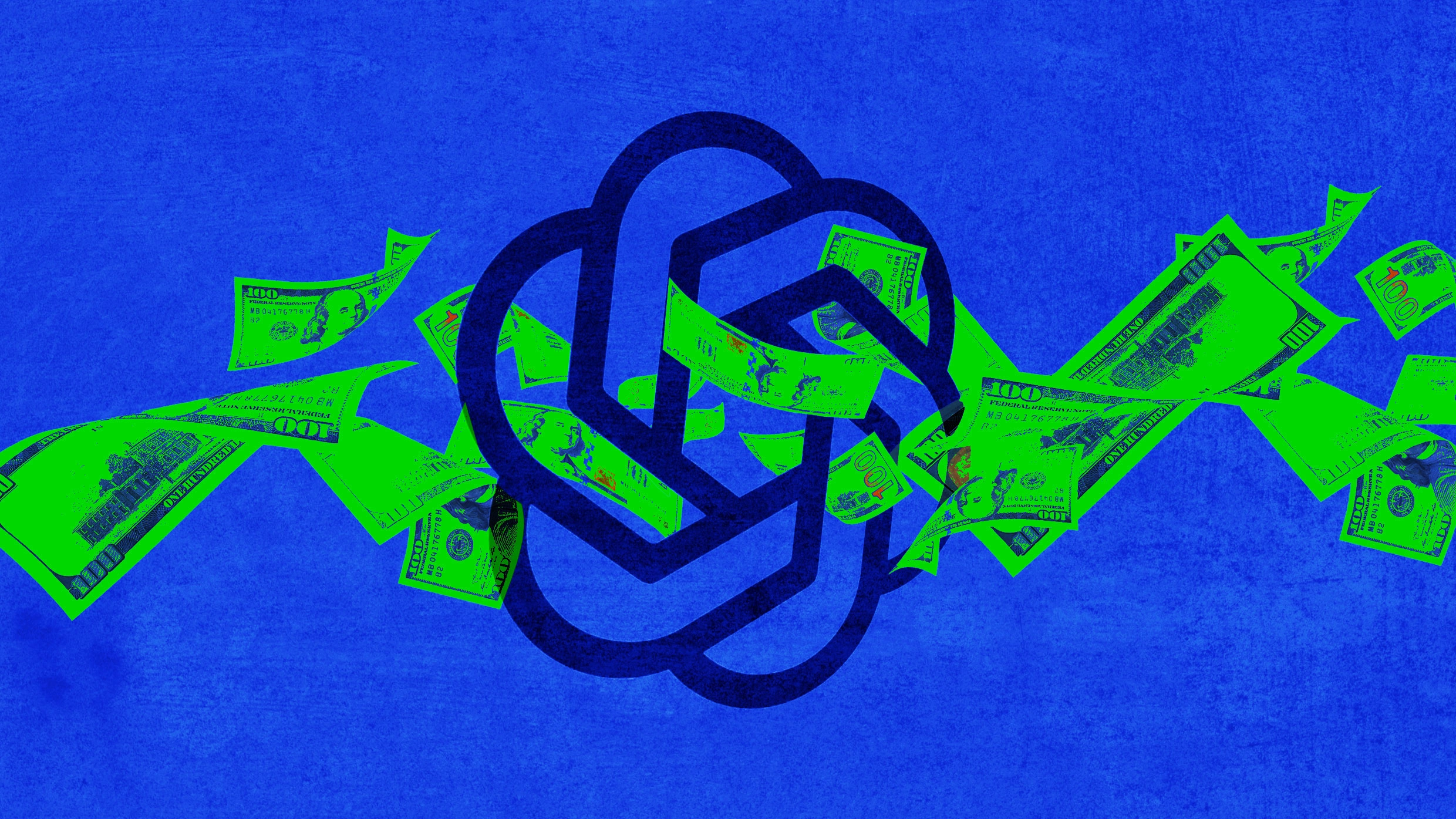
1 day agoChatGPT Maker OpenAI Valued at $852B After Record $122B Funding Round
OpenAI raised $122 billion in funding, achieving an $852 billion valuation and setting a record for private capital raises.
Artificial intelligence
fromTheregister
2 days agoOpenAI's $122B in funding comes at a perilous moment
OpenAI has raised $122 billion, achieving an $852 billion valuation, and aims to expand its enterprise offerings and infrastructure.




#palantir
Business
from24/7 Wall St.
4 days agoPalantir Drops 4%: Can Its AI Partnerships Justify One of the Market's Most Expensive Valuations?
Palantir shares are down 22% year to date, facing valuation pressure and insider selling amid a challenging macro environment.


Business
from24/7 Wall St.
2 months agoPalantir Technologies (NASDAQ: PLTR) Stock Price Prediction for 2026: Where Will It Be in 1 Year
Palantir's stock has surged since its IPO but faces valuation and institutional selling concerns despite strong Q3 results, AI-driven growth, and major government contracts.
fromTESLARATI
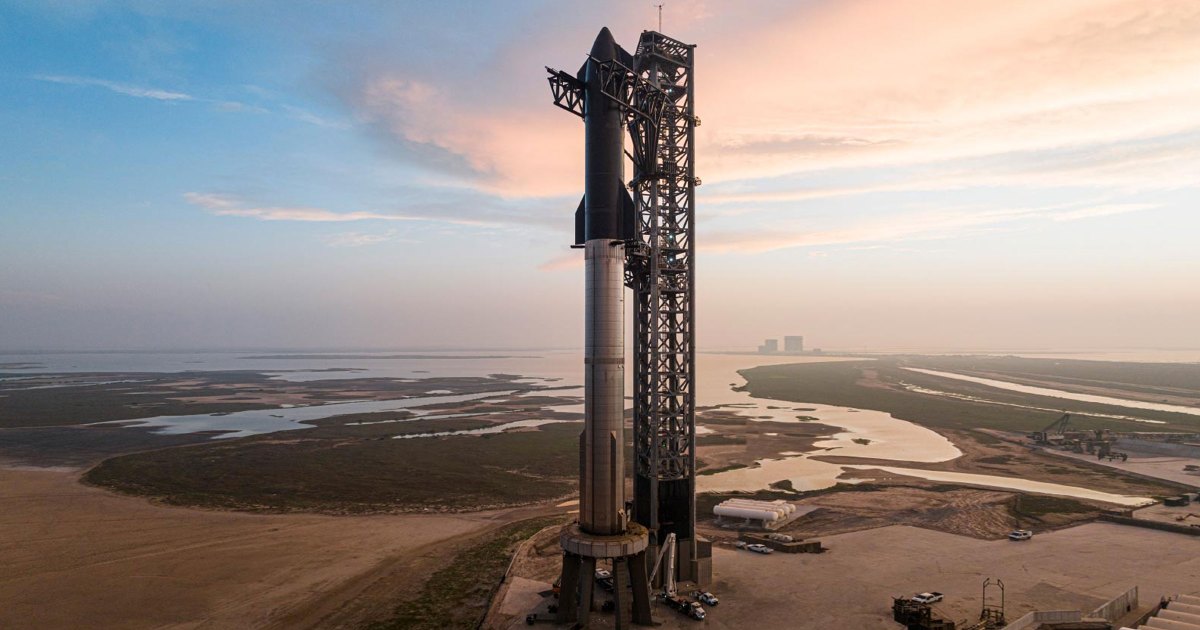
1 week agoTIME honors SpaceX's Gwynne Shotwell: From employee No. 7 to world's most valuable company
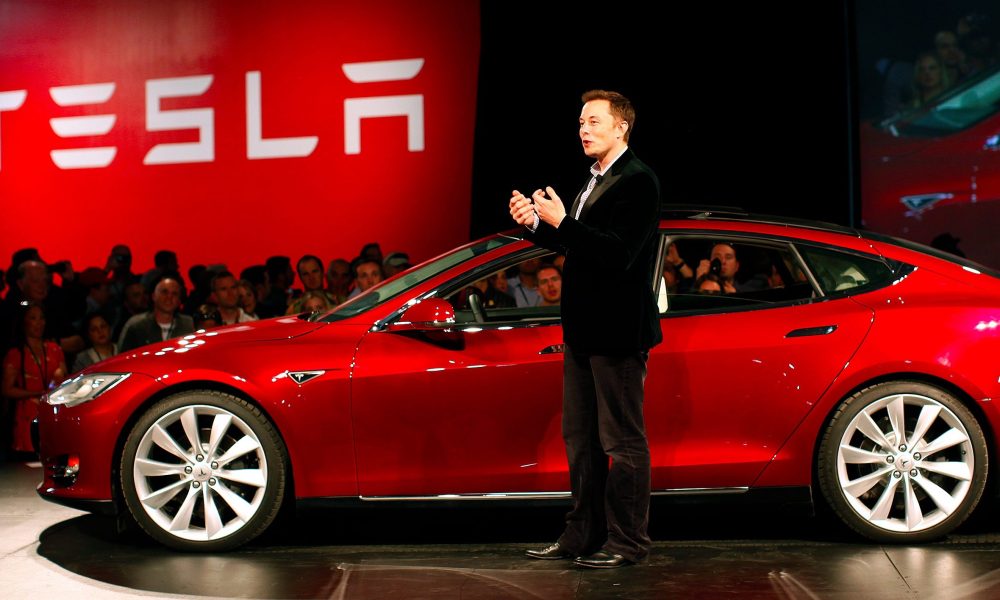
Gwynne Shotwell joined SpaceX in 2002 as its seventh employee and has never stopped expanding her role. She oversees day-to-day operations across multiple executive teams spanning Falcon, Starlink, Starship, and now xAI following SpaceX's February 2026 merger with Elon Musk's artificial intelligence company.
Venture



from24/7 Wall St.
2 weeks agoNebius Is a HighRisk Swing-But Could the Payoff Justify the Volatility?
Nebius Group's stock has been volatile, with a potential double-top pattern emerging. The company is raising $4 billion, raising concerns about shareholder dilution amidst significant AI investments.
Artificial intelligence
Business intelligence
from24/7 Wall St.
3 weeks agoVerizon and ITT Are on Analysts' Radar as Upgrades Suggest More Gains Ahead
Wall Street analysts upgraded infrastructure-linked stocks Verizon and ITT, citing confidence in sustained infrastructure and network spending with improving fundamentals and cost management.
Business
from24/7 Wall St.
4 weeks agoThese 3 Stocks Just Bounced From Lows - What Wall Street Thinks Comes Next
Trade Desk shows cautious analyst support with limited upside, Moderna trades significantly above consensus targets with skeptical ratings, and Strategy exhibits strong bullish conviction despite volatility.
Business
from24/7 Wall St.
1 month agoKontoor Crosses $1B Revenue Mark as Profitability Slips
Kontoor Brands exceeded Q4 2025 earnings and revenue expectations with strong margin expansion, positioning the stock at an attractive 10x forward earnings valuation amid projected mid-teens EPS growth for 2026.

from24/7 Wall St.
1 month agoThis "Forgotten" Dividend Aristocrat Is 25% Undervalued and Effectively Yields More Than a Treasury Bond
Brown-Forman is the largest American-owned global spirits company. It sells whiskey, bourbon, tequila, rum, gin, and more. Its crown jewel is Jack Daniel's Tennessee Whiskey, one of the most recognizable spirit brands on the planet, but the portfolio also includes Woodford Reserve, Old Forester, Herradura, el Jimador, Diplomático Rum, Gin Mare, and GlenDronach Scotch. You're looking at a company commanding an estimated 34% of the total U.S. Whiskey & Bourbon Distilleries industry revenue.
Business
Artificial intelligence
from24/7 Wall St.
1 month agoOpenAI Is Now Worth More Than Goldman Sachs and Netflix Combined - Here's What That Means
OpenAI's near-$850B valuation and $100B raise would fund compute, talent, international expansion, and R&D, reshaping competition and revenue flows across the AI ecosystem.
Business
from24/7 Wall St.
1 month agoFinancial Stocks Are Way Oversold: 5 Strong Buy High-Yield Dividend Ideas
Financial stocks are deeply oversold, trading below historical valuations despite solid balance sheets and capital ratios, creating potential buying opportunities for dividend-focused investors.
Fundraising
from24/7 Wall St.
1 month agoThe Buyout Case for Salesforce Is Real, but Marc Benioff Stands in the Way
Salesforce's strong cash flow and low valuation make it a potential leveraged buyout target, but founder Marc Benioff's control and AI-driven growth plans make a go-private deal unlikely.
from24/7 Wall St.
1 month agoSonoco Surges to 52-Week High After Earnings: More Upside or a Pullback Ahead?
Sonoco Products ( NYSE: SON) shares reached a 52-week high of $57.83 this week after strong 2025 results and 2026 guidance. That marks a 30% year-to-date surge that has far outpaced the S&P 500's fractional gain. The packaging company's rally accelerated following the February 17 earnings. With the stock at 52-week highs and technical indicators flashing warning signs, investors face the critical question of whether this momentum is sustainable or the valuation catch-up has run its course.
Business
from24/7 Wall St.
1 month agoForget NVIDIA: This is the AI Stock to Buy in 2026
Snowflake Inc. ( NYSE:SNOW) provides the data cloud infrastructure that AI applications depend on, but its path to profitability remains uncertain. The company reported Q3 2026 revenue of $1.21 billion, beating estimates of $1.18 billion with 29% year-over-year growth. Product revenue reached $1.16 billion, while the company maintained a strong 125% net revenue retention rate. CEO Sridhar Ramaswamy highlighted that Snowflake Intelligence, the company's AI capabilities platform, achieved the fastest adoption rate of any product launch in company history.
Business
Artificial intelligence
fromTechCrunch
1 month agoFractal Analytics' muted IPO debut signals persistent AI fears in India | TechCrunch
Fractal Analytics' IPO debuted below its issue price, trimming its market valuation well below recent private-market highs amid investor caution in Indian software stocks.


fromTNW | Business
1 month agoUnderstanding the valuation of intangible assets in tech deals
However, alongside these tangible indicators sits another layer of value, one that does not always surface cleanly in financial statements and may even remain invisible if it is not properly understood or articulated: Put simply, intangible assets are the non-physical elements a company has built that enable it to generate revenue, scale efficiently, or defend its market position. In technology companies, this typically includes proprietary software, intellectual property, datasets, customer relationships, brand equity, and internal systems or processes.
Intellectual property law
fromThe Motley Fool
1 month agoThe Trade Desk Stock Is Down 81% -- Is It a Buy? Wall Street Has a Clear Answer for Investors. | The Motley Fool
The Trade Desk operates a demand-side platform (DSP), a type of adtech software that helps media buyers plan, measure, and optimize data-driven campaigns across digital channels. The most recent version of its DSP, called Kokai, leans on artificial intelligence (AI) to manage budgets, customize bids, and dynamically target audiences. The investment thesis for The Trade Desk revolves around its independent business model, meaning it does not own media content that might bias ad spending on its platform.
Marketing tech
fromwww.morningstar.com
1 month agoSnap Earnings: High-Margin Products Like Snapchat+ Drive Improved Platform Monetization
Snap SNAP reported fourth-quarter revenue of $1.72 billion, up 10% year over year, largely due to strength in average revenue per user. Adjusted EBITDA margin came in at 21%, up 300 basis points from the prior year, owing to growing operating leverage and a favorable sales mix. Why it matters: Despite a 5% year-over-year decline in global daily active users, or DAUs, traction in high-margin offerings such as Snapchat+, Sponsored Snaps, and Memories Storage Plans improved core platform monetization, supporting both top-line and profitability expansion.
Business

fromDigiday
1 month agoIn the shadow of Khaby Lame's deal, marketers face hard questions about influence and value
Anyone in marketing gawking at the near-billion price tag attached to TikTok creator Khaby Lame and his deal with Rich Sparkle Holdings isn't really looking at innovation. They're witnessing faith. Faith in what this industry has collectively agreed to let numbers represent. Because that $975 million valuation doesn't seem to be rooted in the nuts and bolts of Lame's company Step Distinctive Limited's financials so much as the gravitational pull of his audience.
Marketing
from24/7 Wall St.
1 month agoWaymo Attacks Tesla With $16 Billion Bank Account
According to The New York Times, the new Waymo funding came from Alphabet, Dragoneer Investment Group, DST Global, and Sequoia Capital. The fact that investors outside Alphabet put money in is a vote of confidence. The investment puts Waymo's valuation at $126 billion. Ford's market cap is $55 billion and GM's is $78 billion. The disparity highlights the hurdles to the industry's growth.
Cars
fromAol
1 month agoWhy AppLovin Stock Lost 30% in January
Shares of AppLovin (NASDAQ: APP), the volatile, mobile game-focused adtech stock, were moving lower last month as the company faced another short-seller attack, software valuations came under scrutiny due to threats from AI, and Google unleashed a new platform for AI game creation, which was seen as a threat to gaming stocks. As a result, AppLovin stock fell sharply last month, closing January down 30%, according to data from S&P Global Market Intelligence.
Marketing tech

from24/7 Wall St.
2 months agoScorecard: How We Graded SoFi Technologies (SOFI) Q4 2025 Earnings
SoFi Technologies (Nasdaq: SOFI) crossed the $1 billion quarterly revenue threshold for the first time in company history, delivering Q4 2025 results that beat estimates across the board while adding a record 1 million new members. The fintech platform reported revenue of $1.01 billion versus the $982 million consensus, alongside GAAP EPS of $0.13 that surpassed the $0.12 estimate by 8%.
Fundraising
fromwww.mercurynews.com
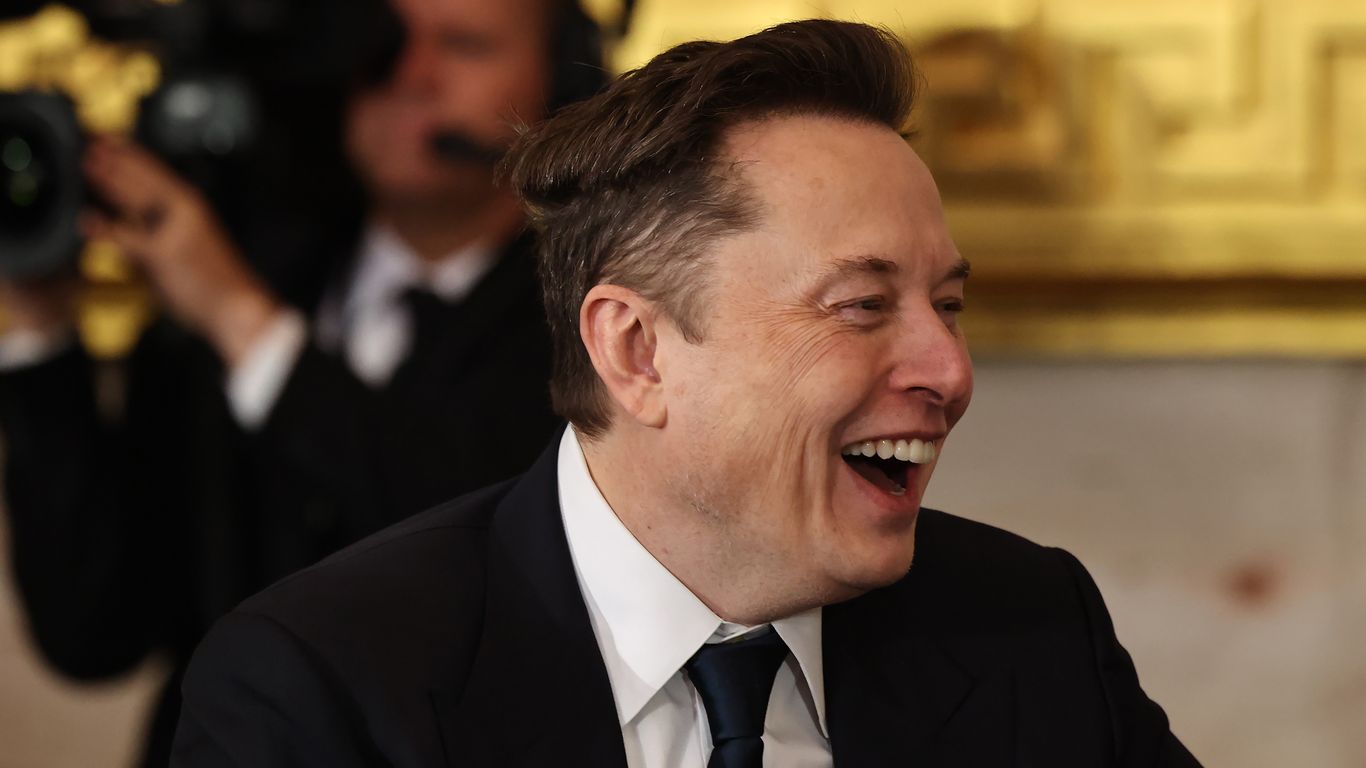
2 months agoMusk considers timing SpaceX IPO with planetary alignment, FT reports
Elon Musk has suggested timing a possible initial public offering of SpaceX to coincide with a planetary phenomenon and his birthday in June, the Financial Times reported. The owner of the rocket maker is considering timing the offering to coincide with when Jupiter and Venus appear very close together, the FT reported, citing five people familiar with the matter. That suggests a date in the middle of June, the same month the billionaire turns 55.
Tech industry
from24/7 Wall St.
2 months agoASML's Record Orders Smash Estimates as AI Spurs Chip Equipment Demand
ASML Holding (NASDAQ:ASML) just delivered the numbers Wall Street has been waiting for. The Dutch semiconductor equipment maker reported Q4 2025 orders that smashed analyst estimates, driven by insatiable demand for the advanced lithography systems that make cutting-edge AI chips possible. This isn't just a beat on expectations. It's confirmation that the AI infrastructure buildout is accelerating, not slowing down.
Business
fromTechCrunch
2 months agoAnthropic reportedly upped its latest raise to $20B | TechCrunch
Anthropic has doubled the amount of VC funding it aims to raise, the FT reports, increasing the target from $10 billion to $20 billion. The round, expected to close soon, will give the company a valuation of $350 billion, sources told the FT. Anthropic, which makes the popular AI Claude and the equally popular Claude Code, decided to double its funding target due to booming investor interest.
Venture
[ Load more ]