#vaquita
#vaquita
[ follow ]
#conservation #endangered-species #marine-life #gulf-of-mexico #environmental-impact #marine-conservation
fromSFGATE
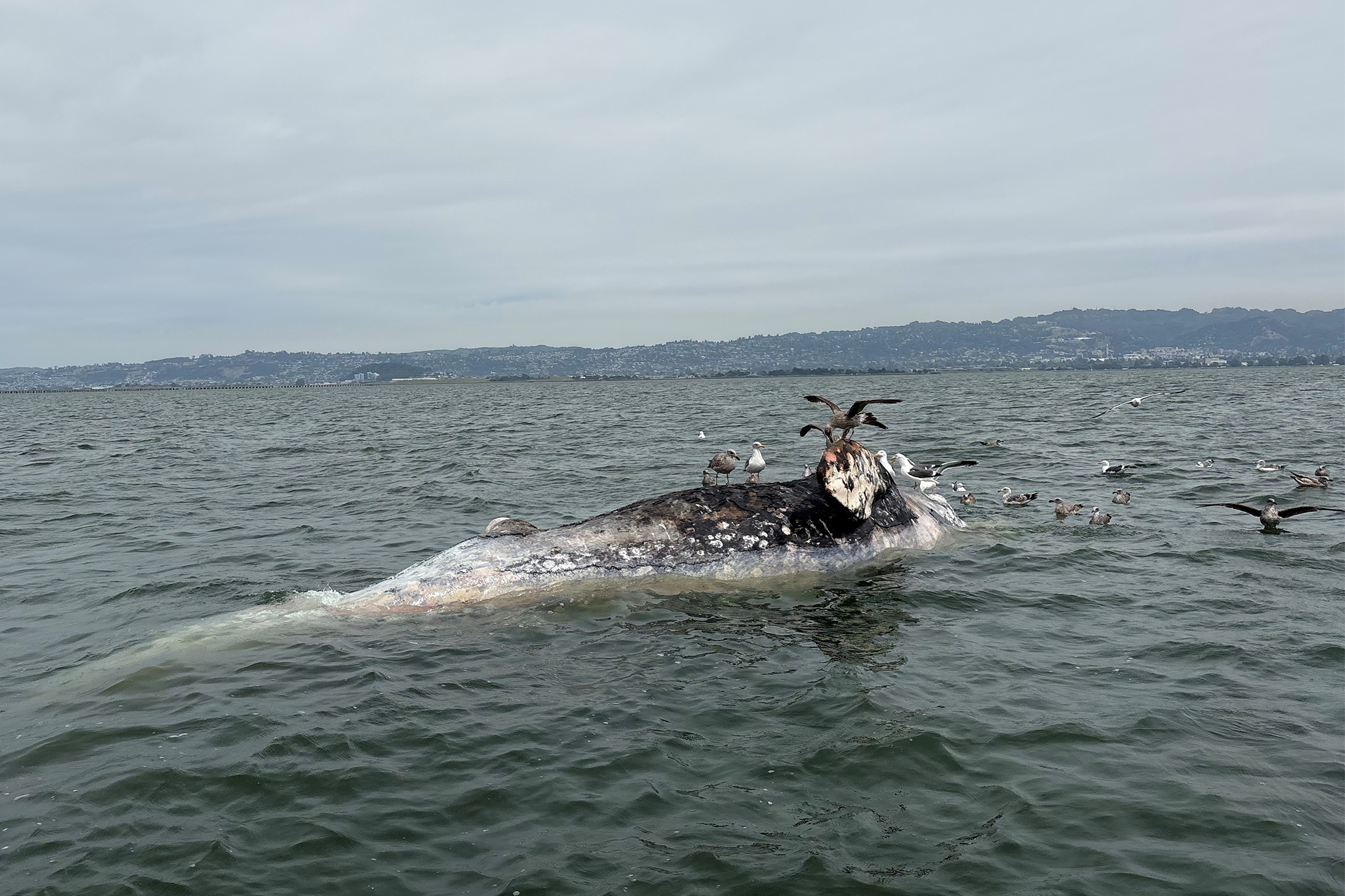
3 days agoSeabirds are dying in large numbers along California beaches
"They didn't even try to fly away. They just feebly made noise," a woman told the Santa Barbara Independent on Saturday after spotting over two dozen dead or dying cormorants near Goleta Beach. "A few were on their stomachs, wings spread [and] gasping for breath.... Heartbreaking."
Miami Marlins
#endangered-species-act
SF politics
fromFortune
6 days agoWashington's 'God Squad' assembles to debate the fate of a rare endangered whale and drilling in the Gulf of Mexico | Fortune
A U.S. panel is considering exempting Gulf oil drilling from the Endangered Species Act, raising concerns for marine life and a rare whale species.




Chicago Bears
fromCalifornia Post
1 month agoDeadly apex predator being mulled for release in California after 100-year absence
California lawmakers are considering reintroducing grizzly bears through Senate Bill 1305, which would require a scientific assessment and consultation with Native American tribes about restoring the species extinct in the state for over a century.
Los Angeles
fromLos Angeles Times
1 month agoInside the mission to get this amputee turtle back to the San Gabriel River
Porkchop, a rehabilitated green sea turtle, was released into the San Gabriel River after recovering from fishing injuries at the Aquarium of the Pacific's new public turtle rehabilitation facility.
UK news
fromwww.independent.co.uk
1 month agoSeals have begun killing and eating dolphins and no-one knows why
Marine experts are investigating unprecedented grey seal attacks on common dolphins along the British coast, with specialists suspecting a single killer family or population may be responsible for the unusual behavior.
fromSFGATE
1 month agoRare footage captures a 'glass' animal deep in Monterey Bay
We've documented sightings of glass squids to better understand the remarkable transformations they undergo from hatchlings to adults. This new observation, captured in ultra high-resolution 4K, allowed us to zoom in on a juvenile likely no bigger than a baby carrot and reveal more details than we have been able to see before.
OMG science
Travel
fromTravel + Leisure
1 month agoCarnival Cruise Line, Holland America Line, and Princess Cruises Cancel All Stops to This Popular Destination Over Safety
Major cruise lines rerouted ships away from Puerto Vallarta following a cartel leader's death, adding sea days or redirecting passengers to Cabo San Lucas instead.
fromKqed
1 month agoSick Elephant Seals Prompt Closures at Ano Nuevo State Park | KQED
Out of an abundance of caution, access is being paused to give wildlife space and allow for ongoing monitoring. The investigation involves scientists from UC Santa Cruz and UC Davis, along with California State Parks, the California Department of Fish and Wildlife, the California Department of Food and Agriculture, the California Department of Public Health, the California Marine Mammal Stranding Network, the U.S. Department of Agriculture and NOAA Fisheries.
California
fromThe Mercury News
1 month agoSonoma Coast named best place in the US for whale watching
For decades, whale watching has been a seasonal ritual along the Sonoma Coast, drawing locals to wind-swept bluffs, binoculars in hand. Now the pastime has earned national notice: Travel + Leisure has declared Sonoma County the best place in the country to see whales. In a story published Feb. 3, the magazine said there is "no better place" in the United States for whale watching than the stretch of coastline
California

fromTruthout
2 months agoThe Rio Grande Has Transformed From Environmental Haven to Militarized Border
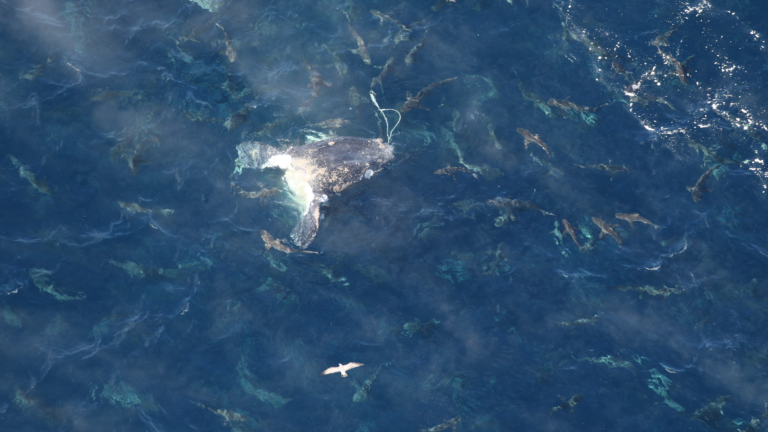
As a child, Michelle Serrano would take trips to Boca Chica with her grandmother. From her home in Brownsville, the drive ran east through Texas wetlands and countryside before landing on miles of beach, stretching far down the Gulf Coast just above the U.S.-Mexico border. They'd spend the day there, swimming, laying out - which didn't cost anything, unlike at South Padre Island to the north. For them, it was the peoples' beach.
US politics
fromenglish.elpais.com
2 months agoSharks become easy prey for criminal groups
In February 2023, an article in the Mexican press announced the capture of a vessel some 195 nautical miles from the port of Lazaro Cardenas in the state of Michoacan. It had been carrying nearly 700 pounds of cocaine packaged in plastic-wrapped bricks, in addition to 1,650 liters of hydrocarbons in 33 plastic containers. Two Ecuadorian fishermen were among the five detainees, and their immigration records showed unusual activity.
Law
fromwww.latimes.com
2 months agoCalifornia diver documents close encounter with lacy, undulating sea creature far from home
It looked like the silvery blade of a knife. Peering through his goggles, diver Ted Judah had laid eyes on a deep-sea creature rarely encountered by humans. He and wife Linda were diving off McAbee Beach in Monterey County in late December when, near the surface, he spotted the undulating thing. It was some kind of ribbon fish, he wrote in a post on the Facebook group Monterey County Dive Reports. Kevin Lewand solved the mystery.
Science


World news
fromenglish.elpais.com
2 months agoPower vacuum in Yemen threatens biodiversity of the one-of-a-kind Socotra archipelago
Geopolitical conflict between Saudi Arabia and the United Arab Emirates stranded tourists on Socotra and threatened its UNESCO-recognized biodiversity through contested development and militarized control.
Travel
fromTravel + Leisure
1 month agoOne of America's Most Pristine National Parks Is Only Accessible by Boat-and It's Called the 'Galapagos of North America'
Channel Islands National Park is a remote, biodiverse, largely undisturbed island park offering unique marine and terrestrial wildlife experiences but receives relatively few visitors.
fromwww.mercurynews.com
2 months agoFrom fuzzy flowers to see-through sea slugs, here are some of the new species discovered last year by California scientists
But as he swept his flashlight through the dark waters, something unexpected emerged. Inching through the beam of light, an alien creature crawled across the surface of the sand, resembling an inch-long cluster of ghostly leaves fringed with silvery filigree and capped with a pair of antennae-like stalks. It immediately caught my eye, said Gosliner, Invertebrate Zoology Curator for the California Academy of Sciences. I've been diving there for 30 years and this one immediately struck me as different.
Science
fromwww.santacruzsentinel.com
1 month agoFederal deep-sea mining proposal sparks backlash from Santa Cruz County leaders
The resolution, drawn up by 3rd District Supervisor Justin Cummings, states that deep-sea mining remains an unproven, speculative industry with no demonstrated record of safe commercial-scale operation, while existing coastal and ocean economies including fisheries, tourism, recreation, and cultural practices depend upon healthy marine ecosystems that could be jeopardized by seabed mining impacts.
Environment
Environment
fromwww.montereyherald.com
1 month agoFinding Sanctuary: Ranking the most wanted kelp forests
Northern California kelp forests have declined dramatically, central California shows patchy loss; small-scale restoration cannot offset losses, requiring prioritization and high-resolution monitoring.
fromwww.theguardian.com
2 months agoConservationists oppose proposal to allow fishing around Chagos Islands
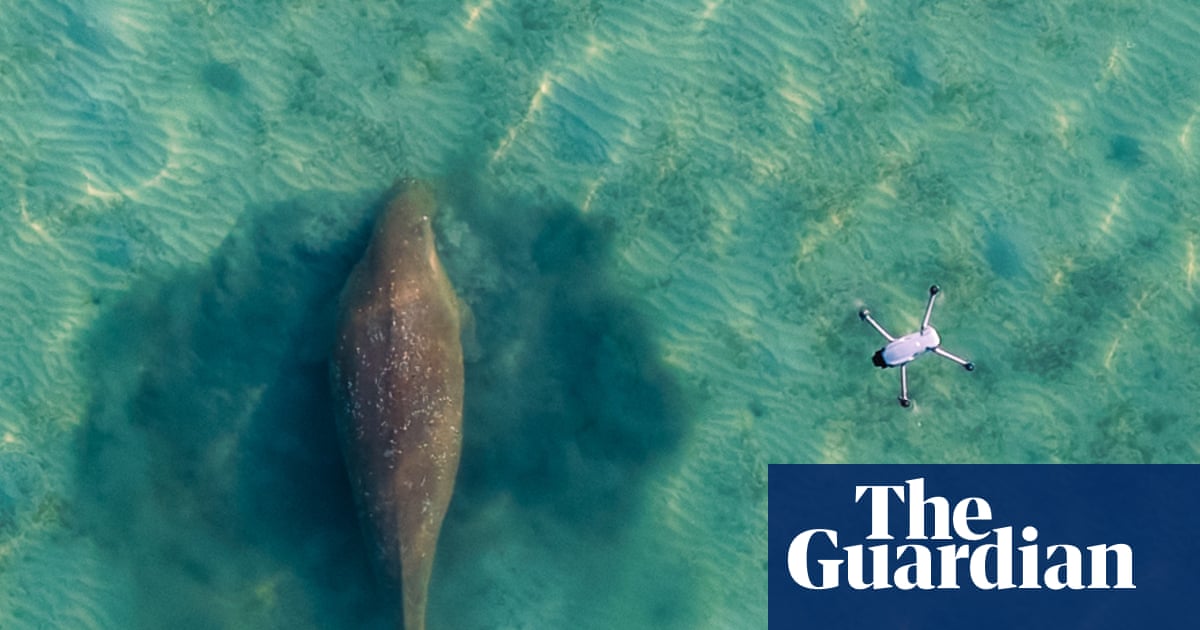
One of the most precious marine reserves in the world, home to sharks, turtles and rare tropical fish, will be opened to some fishing for the first time in 16 years under the UK government's deal to hand back the Chagos Islands to Mauritius. Allowing non-commercial fishing in the marine protected area (MPA) is seen as an essential part of the Chagossian people's return to the islands, as the community previously relied on fishing as their main livelihood.
Environment


fromLos Angeles Times
1 month agoMore than 1,400 California mountain lions get endangered species protections
More than 1,400 California mountain lions are now protected by the state's Endangered Species Act. On Thursday, the California Fish and Game Commission unanimously voted to list six isolated puma populations in Southern California and the Central Coast as threatened under the state law, meaning they're likely to become endangered in the absence of intervention. During the public meeting, Commissioner Erika Zavaleta said it's good that the lions aren't facing imminent extinction, explaining, "I believe it's better for us to take action before we get to that point."
Environment
fromSFGATE
1 month agoCalif. nonprofit opens coastal Bay Area preserve. Neighbors hate it.
It was off-limits to the public for a century until recently, when a nonprofit land trust called the Wildlands Conservancy liberated the coastline following 10 years of planning. Accessing the preserve is allowed after reaching the farthest end of Bodega Harbour, a scenic coastal community of 700 homes linked within an 18-hole golf course. But once word about the hike began to spread last month, locals began saying their neighborhood was upended overnight by hundreds of cars.
Environment
Environment
fromTravel + Leisure
2 months agoThese Popular Beach Destinations Are Facing a Seaweed Crisis-Here's How They Can Be Dangerous
Recurring sargassum inundation has caused multi-million to billion-dollar economic losses to tourism, recreation, and fisheries in Puerto Rico, the U.S. Virgin Islands, and Florida.
fromLos Angeles Times
1 month agoSleek, lithe and extremely rare: This elusive California fox has finally been GPS-collared
For the last decade, wildlife biologists have been using remote camera and scat surveys to track the movements of the fox in the southern Sierra. For the last three years, they have been carrying out intensive trapping efforts. But the fox has proved stubbornly difficult to capture. The speedy and delicate species is extremely wary of humans. The few remaining individuals live in barren, rugged terrain at high elevations.
Environment
[ Load more ]