#vegetable-nutrients
#vegetable-nutrients
[ follow ]
#nutrition #healthy-eating #sustainability #fiber #gardening #gut-health #health-benefits #diet #food-preservation



fromwww.scientificamerican.com
3 days agoEat more plant-based protein instead of meat, top heart health body says, contradicting RFK Jr.
The American Heart Association recommendations emphasize eating more plant-based protein instead of meat and drinking less alcohol, contradicting the recent food pyramid updates that suggest increased red meat and whole milk consumption.
Public health

Yoga
fromhttps://www.arogyayogaschool.com/blog
2 weeks agoTonghou Superfood Guide: Nutrition, Health Benefits
Tonghou is a nutrient-rich Asian leafy green used in East Asian cuisines for its distinctive taste, aroma, and significant health benefits including digestion support and inflammation reduction.
Berlin food
fromTasting Table
2 weeks agoBuying Leafy Greens In Bulk? Here's How Long They Really Last - Tasting Table
Bagged leafy greens last 4-5 days unopened or 2 days after opening, while loose greens last up to 10 days; proper storage in airtight containers with paper towels in the crisper drawer preserves freshness.
fromThe Atlantic
3 weeks agoIt's Bean Time
These tiny packages pack a nutritional punch-so much so that the advisory committee for the 2025 U.S. Dietary Guidelines recommended upping the daily serving size of legumes and promoting them as a protein source over meat and seafood. Navy beans, for example, are especially fiber-dense, and lentils are protein powerhouses.
Food & drink
fromTasting Table
3 weeks agoThe Healthiest Vegetable In The World Probably Isn't One You'd Expect - Tasting Table
According to a 2014 Centers for Disease Control and Prevention study in Preventing Chronic Disease, one vegetable stands head and shoulders above the competition, though it is one that probably isn't on your weekly shopping list. If you want to really maximize the nutrient density in your diet, it turns out you ought to be eating more watercress.
Health
Cooking
fromTasting Table
2 weeks ago14 Mistakes Everyone Makes With Cauliflower - Tasting Table
Proper cooking techniques transform cauliflower from mushy and rubbery into flavorful and tender; avoiding common mistakes like microwave steaming and using stovetop steamers preserves nutrients and natural flavors.
Everyday cooking
fromTasting Table
2 weeks agoFireplace Ashes Can Boost Your Vegetable Garden - If You Use Them The Right Way - Tasting Table
Wood ash serves as a nutrient-rich, budget-friendly fertilizer that enhances plant growth, modifies soil pH, and deters garden pests when applied sparingly in small doses.
Silicon Valley food
fromTasting Table
4 weeks agoBye, Seafood: Expect To Spot This Tinned Food All Over In 2026 - Tasting Table
Artisanal tinned vegetables are emerging as a predicted 2026 food trend, following the success of premium seafood conservas in Spain and Portugal, offering high-quality alternatives to traditional canned vegetables.
Agriculture
fromTasting Table
2 weeks agoCan You Grow A Garden From Grocery Store Produce Seeds? - Tasting Table
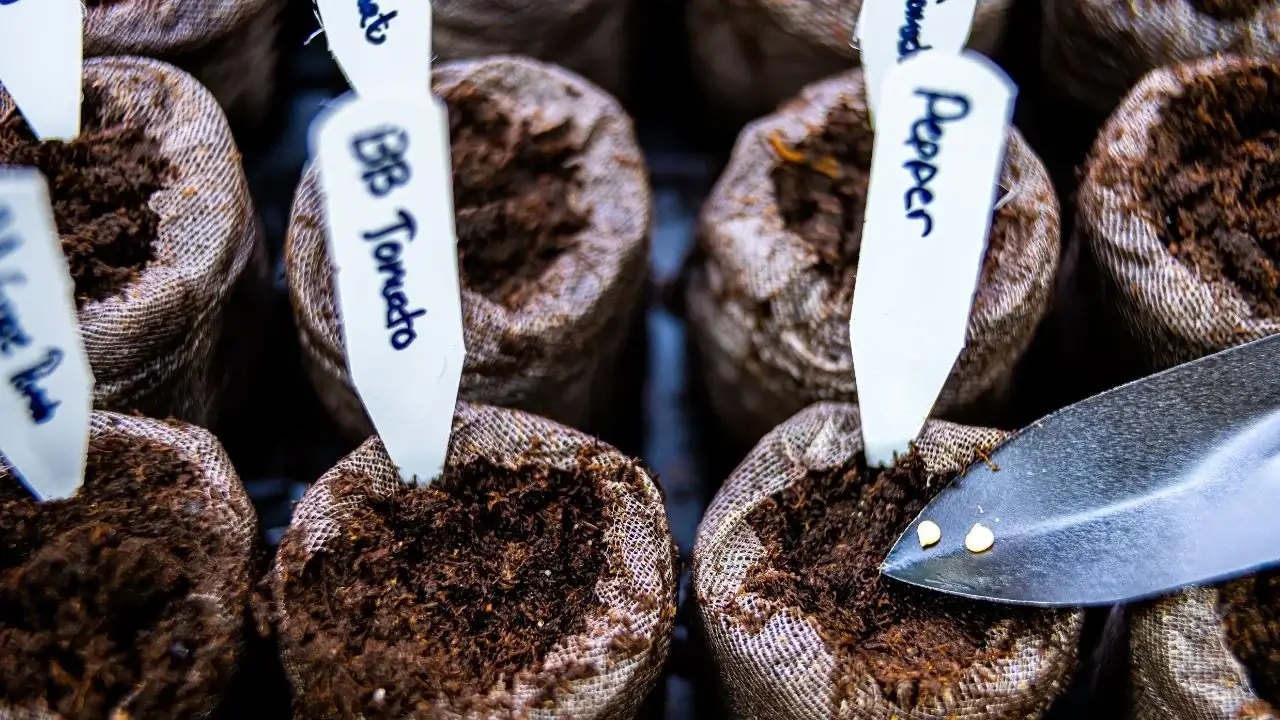
Growing vegetables from store-bought seeds is possible but results vary based on produce type, growing method, and post-harvest treatment, with hybrid plants producing different crops than their parent plants.
Alternative medicine
fromAlternative Medicine Magazine
1 month agoThe Surprising Benefits of Whole Grains for Gut Health and Immunity
Whole grains retain bran, germ, and endosperm, providing fiber, vitamins, minerals, and antioxidants that support digestive health, gut microbiota, and immune function, unlike refined grains which lose these nutrients during processing.

fromABC7 Los Angeles
2 months agoFuel your fresh start: 18 must-have essentials to power your healthy eating goals
Great job choosing to eat healthier in 2026! To help you get started, shop our top picks of essentials that make healthy eating easy and fun. Here's to your healthiest year yet! Escali Primo Digital Scale A kitchen scale can really help you eat healthier. This Escali digital scale is great for weighing ingredients, portioning meals, or even measuring coffee beans.
Food & drink
fromA Couple Cooks
2 months agoGreen Juice
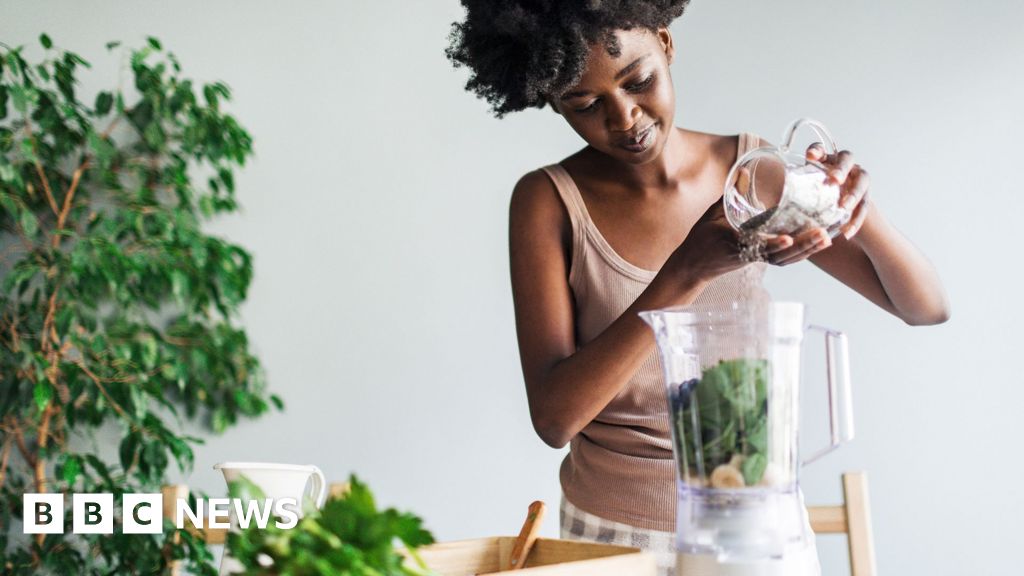
Drinking green juice gives you all the benefits of the vegetables (except fiber). It's actually even better to eat the whole vegetables. Consider munching on celery and cucumber with a healthy yogurt dip or blend up some green smoothies. It's important to drink green juice in moderation. Per Healthline, it may contribute to poor blood sugar control or kidney issues if you drink a lot of it. Research also associates juice cleanses with disordered eating and a negative relationship with food (read more here).
Food & drink
fromAlternative Medicine Magazine
2 months agoThe Art of Mindful Eating: Choosing Whole Foods
Modern life often rushes us through meals. We eat at our desks, in our cars, or while scrolling social media, barely registering the flavors or textures of what we consume. Shifting this dynamic requires a conscious pause. The art of mindful eating and choosing whole foods is a compassionate approach to nourishment that connects us with our bodies and the environment.
Alternative medicine
fromTasting Table
2 months agoWhy You Should Be Rinsing Kale Twice - Tasting Table
This crucial one-two step not only alters kale's texture but also causes the assertively bitter compounds to release, so when you eat it, the bitterness is milder and you get more of an earthy flavor. "The second rinse and massaging make a huge difference," says nutrition-based private holistic chef Jane Olivia. "Massaging kale breaks down the tough cellulose fibers, which softens the leaves and reduces bitterness," she explains. "It transforms kale from something chewy and aggressive into something tender and slightly sweet."
Cooking
fromTasting Table
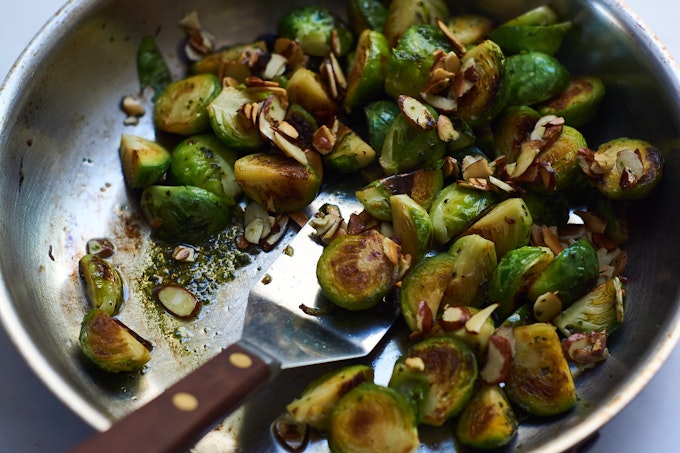
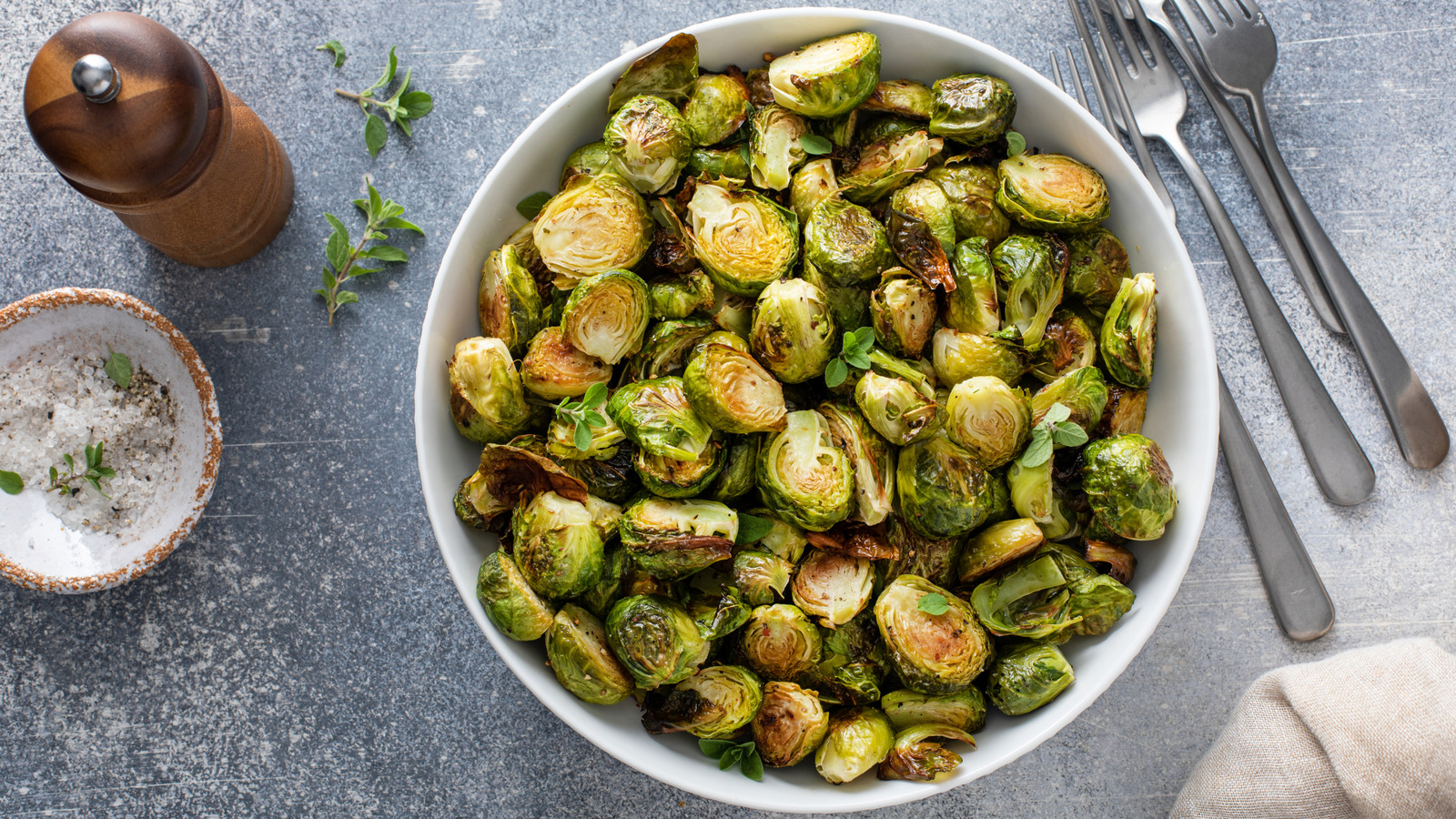
2 months agoThe Overlooked Vegetable With Way More Fiber Than Broccoli - Tasting Table
Eating vegetables is always an excellent way to help you get your daily intake of fiber, but people who need an extra dose in their diet need to choose the most fiber-rich veggies possible. Broccoli is often named as a great source of this essential nutrient, yet you can find some superior options in the produce kingdom. Green peas are a nutritious legume that outclasses broccoli in terms of fiber content.
Food & drink
fromA Couple Cooks
2 months agoTop 10 Healthy Drinks to Try Now
While I love a good cocktail, on a regular basis you'll find me drinking lighter options like sparkling water or tea. After helping my husband Alex kick his soda habit years ago, we began to discover drinks that actually make you feel energized and balanced, from cucumber-infused waters to homemade herbal teas. What's great about switching to healthier beverages is you don't have to sacrifice flavor.
Food & drink
fromTasting Table
2 months agoThe 5 Grocery Stores With The Best Selection Of Produce - Tasting Table
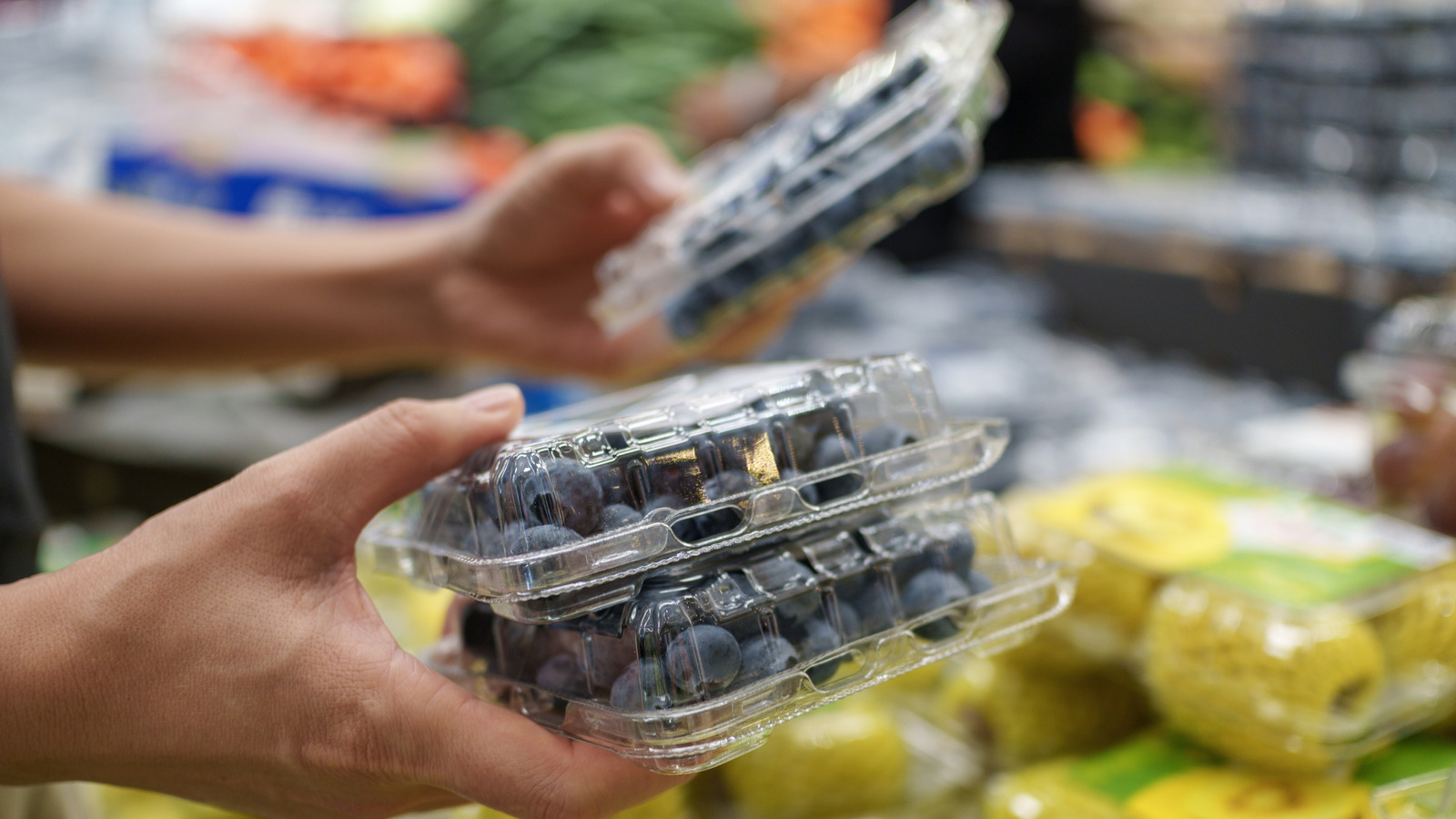
Grocery stores that offer the best produce know it's crucial to nail a few key factors. First, produce needs to be fresh - that feeling when you get home and open a packet of cucumbers only to find that they're soggy and covered in slime is not a good one. Second, fruits and vegetables need to be priced right. While shoppers can expect to pay a premium of about 50 percent more for organically grown vegetables, anything more than that starts to feel unreasonable.
Food & drink
[ Load more ]