Exercise
fromPsychology Today
1 day agoShould You Exercise Harder or Longer? What New Data Suggests
Higher intensity physical activity significantly reduces the risk of eight major chronic diseases compared to moderate intensity activity.
After a tough workout, your body enters a state of stress: muscle fibers are damaged, energy stores are depleted, and hydration levels drop. This is a critical moment. If your body gets the right nutrients, it starts rebuilding immediately. If not, recovery slows down, and so does progress.
I have evolved from someone who didn't think much of the bar except for resting my legs to thinking of it as an obvious life-saving precaution. Dr. Bourne shared several examples from Mammoth in which the bar could have saved lives, including the death of her former ski coach, who fell from a chairlift to his death, most likely from a medical event which may have been treatable.
People tell me it will stunt their growth or that it's dangerous, she says. She is also often accused of forcing her children to train, when actually it all started the other way round. What child doesn't look at their parents and want to do what they're doing?
Super shoes and ultralight gear make a difference, but with new advancements in artificial intelligence (AI) that can look at our running form and compare it to the ideal, analyze our nutrition intake from a simple photo and help us plan our diets, and offer guidance on training and recovery, the interwovenness of technology and running is only set to increase.
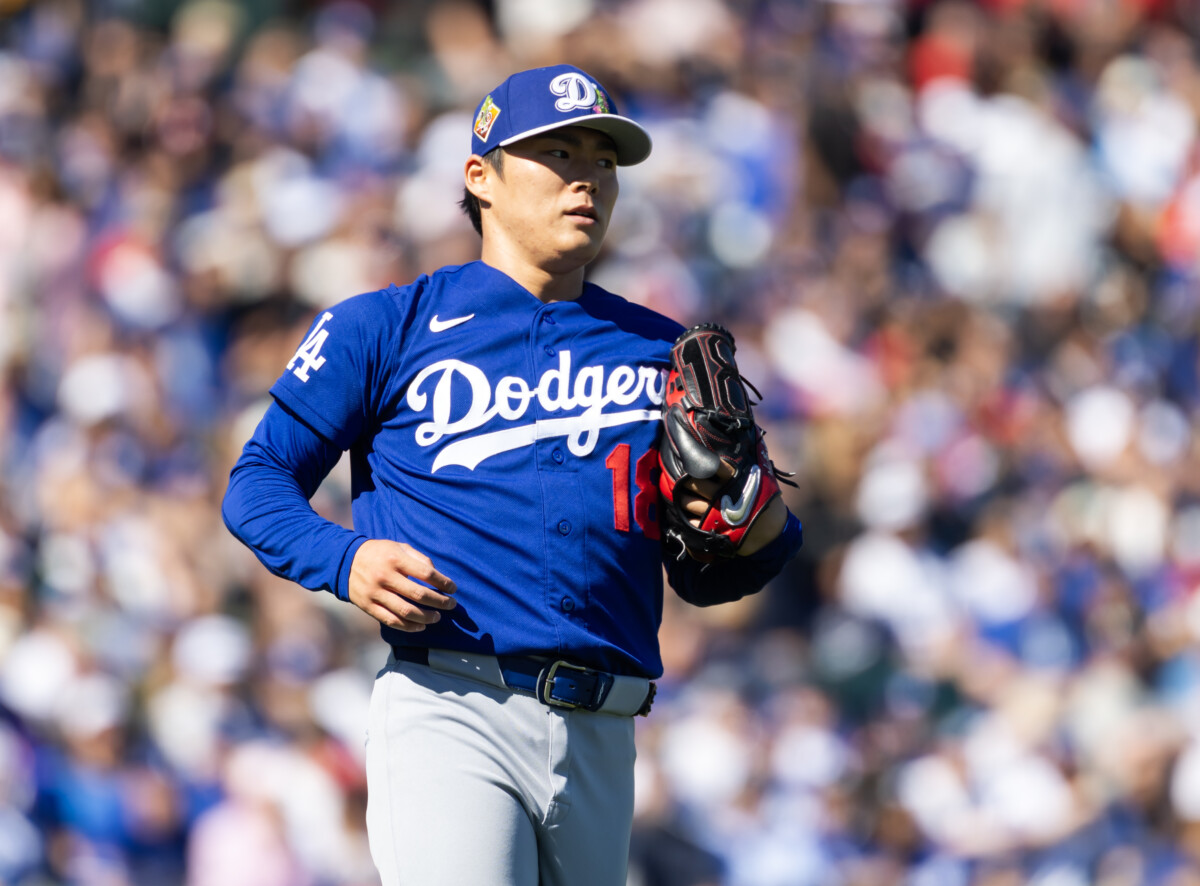
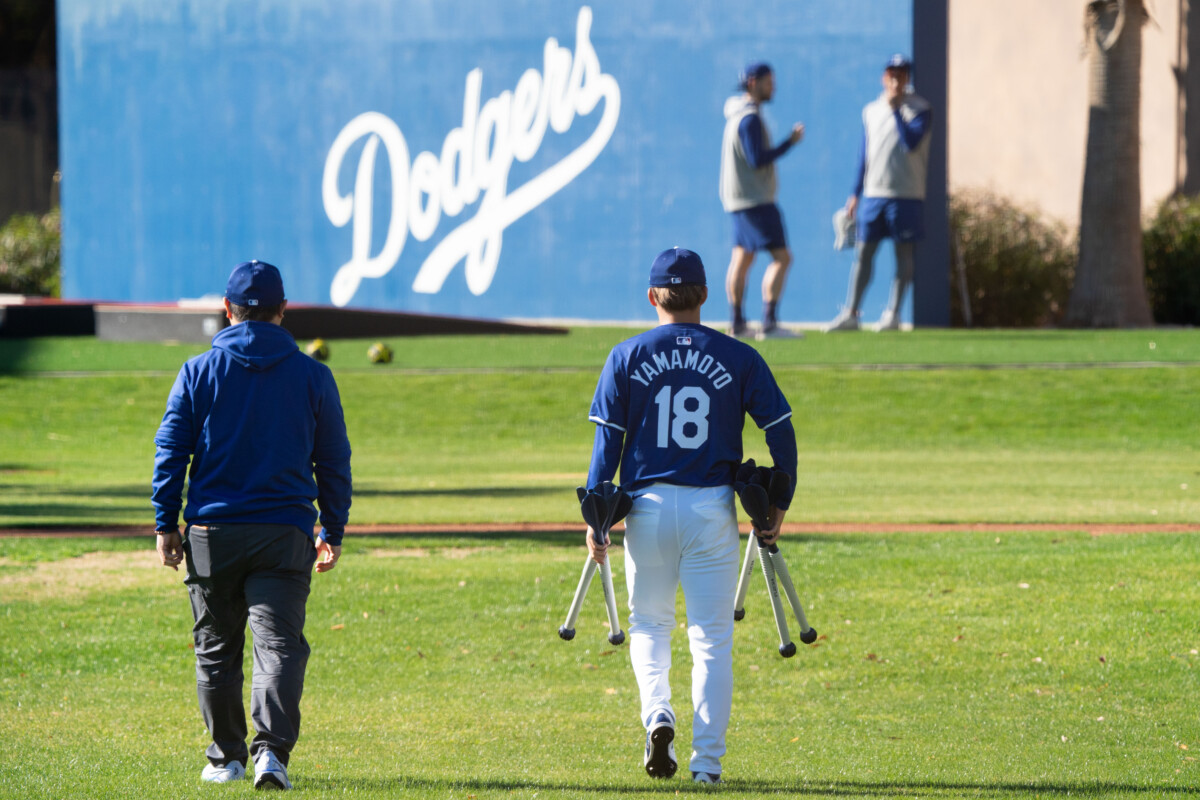
Yada is the man who took a Japanese teacher who had professional baseball hopes all the way to the top of the mountain - World Series MVP and one of the top five pitchers in the National League.
Those of us who watch the Olympics as bystanders tend to smugly judge athletes for succumbing to pressure without understanding what we even mean by the term. The first thing to know about pressure is that it has actual physical properties. Feeling it is not a sign of a too-thin veneer of character. Pressure might as well be a snakebite, given its very real qualities in the bloodstream and how it can paralyze even the strongest legs. The way to deal with pressure, and become
Cross training and running go together like peanut butter and jelly. If you build it into your schedule intentionally, strategically, and with a clear understanding of what you're trying to accomplish, you'll thrive. Megan makes the case that cross-training serves runners for several distinct reasons, and the right reason for you will shape how you approach it.
Jadin O'Brien thought she was being scammed. The Milan Cortina Olympics and the sport of bobsled, for that matter were not anywhere near O'Brien's radar a couple years ago, when the Notre Dame track and field star saw that someone sent her a direct message on Instagram. The message was ignored. Several months later, the same person slid into O'Brien's DMs again.
In 2018, Sharples and his research lab, now at the Norwegian School of Sport Sciences in Oslo, were the first to show that exercise could change how our muscle-building genes work over the long term. The genes themselves don't change, but repeated periods of exertion turns certain genes on, spurring cells to build muscle mass more quickly than before. These epigenetic changes have a lasting effect: Your muscles remember these periods of strength and respond favorably in the future.
When you see a pull-up bar, there's one physical activity that likely comes to mind: pull-ups. While they've lent this piece of equipment its name, they aren't the only physical feat that an athlete can accomplish using them. In 2022, for instance, Japan's Kenta Adachi set a new world record for hanging from a pull-up bar for well over an hour.
"We have a golden retriever, and so I walk her three or four miles a day, and I do a weight training class twice a week," says Brown, 62, of Arlington, Va. She knows muscle mass will decline without regular strength training. "We have a fun group with a personal trainer and we call ourselves the Beastie Girls," she says, describing how her group helps her stick with it. She also plays tennis and golf.
In 2017, Bjorn Mannsverk's phone rang. A year before, what was meant to be a special 100th anniversary for Bodo/Glimt ended in heartbreak as the Norwegian club were relegated from the top flight. A fresh approach was needed to get the club back on track. Having been stationed in Bodo before in his role as a fighter pilot with the Royal Norwegian Air Force, Mannsverk was familiar with the town, but not the football club.
If you're watching the Olympics this year, or have watched in the past, you've probably wondered how the top athletes in the world bolster themselves emotionally for high- stress situations, being exposed and visible to millions of viewers in difficult moments, and how they deal with failure and defeat and become resilient. Dr. Cindra Kamphoff, whose MD-level background in sports psychology, two decades of work with professional and Olympic athletics, and The High Performance Mindset podcast, has developed techniques that are helpful to people inside or outside of the sports arena.
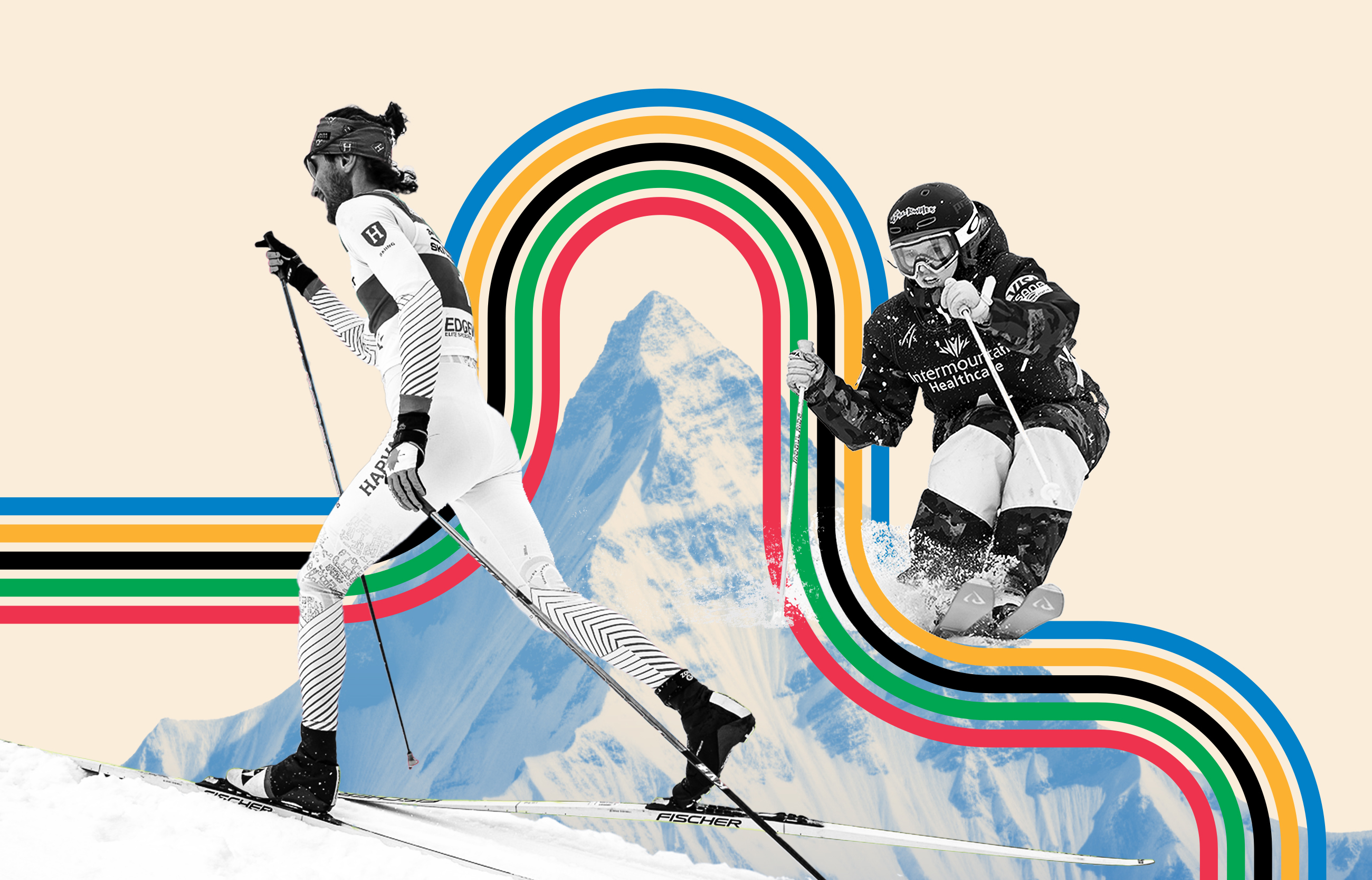
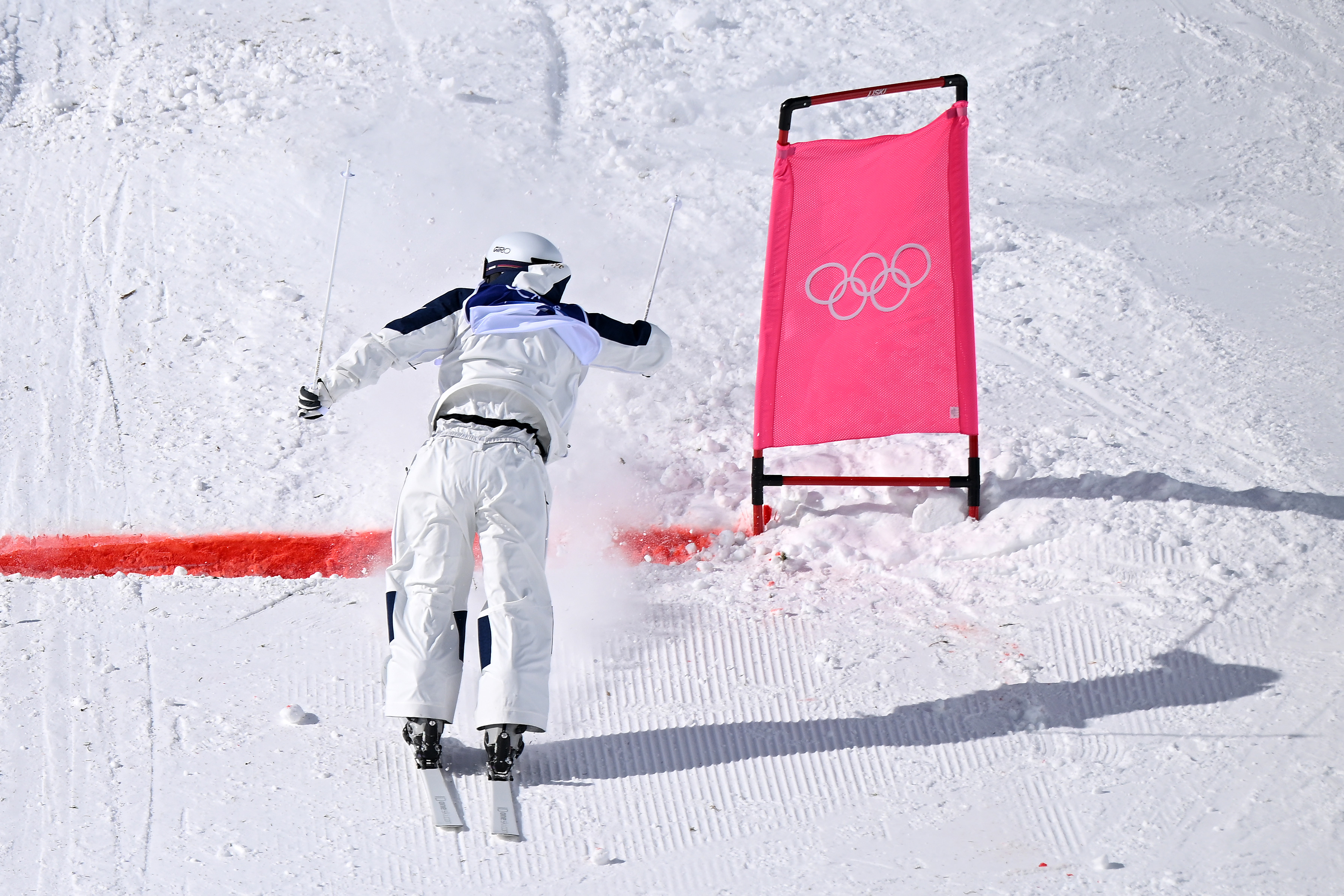
The events of the Winter Olympic Games range from the elegance of figure skating to the high-stakes adrenaline of events such as skeleton and downhill Skiing. Whether competitors brave vertical drops of the alpine slopes or the claustrophobic, icy chutes of the sliding track, these competitors turn these already dangerous tracks into the fastest arenas on Earth. In these events, the difference between gold and a catastrophic crash is extremely minute and at speeds that would earn a speeding ticket on most roadways.
In the run-up to this year's Winter Olympics, and even as the Games have got underway, a scandal has been brewing: allegedly, some competitive ski jumpers may have artificially enlarged their crotch area by injecting their genitals with engorging chemicals or stuffing their underwear to create bigger bulges. The apparent reason: to alter their suit measurementsski jumpsuits are precisely tailored to jumpers' bodiesand, reportedly, to gain a boost in jumps. The allegations, first reported by a German media outlet and since dubbed Penisgate, have caught not only the Internet's attention but also the World Anti-Doping Agency's eye, although no athletes have been implicated by name.
A medical is used to assess the overall health and fitness of a potential signing, as well as identifying any underlying medical issues they may have. There is no legal requirement for players to have a medical before a transfer, but they do help a club to decide whether to complete a signing. A medical test can take as long as six hours, and includes:
It's just what it looks like: I time my planks then file them away, determined to last a little longer tomorrow. And sometimes I do, for several days in a row, then one day I'll collapse nearly a minute short of my personal best. I'll pound the mat like Charlton Heston at the end of Planet of the Apes, then I'll get myself together - you've got to stay cool at Equinox - and move on with my day.
Men's four-person bobsledding made its Olympic debut in Chamonix, France, in 1924; women's two-person bobsledding didn't enter the Games until 2002 in Salt Lake City. Women's monobob arrived in 2022. While the earliest bobsleds were made of wood, the sport has been synonymous with steel for years, although in recent decades it has been replaced by carbon fiber, which provides greater lightness and strength.
For runners, the hips can be one of the most confounding and frustrating parts of the physiological puzzle for efficient movement. Every runner knows how crucial hip strength is - and how mobile hips are essential for both fast and pain-free running. Yet healthy, happy hips remain elusive. For many of us, our hips stay stiff no matter how much we massage and stretch them.
Betley and his colleagues were curious about what happens in the brain as people get stronger through exercise. They decided to focus on the ventromedial hypothalamus, a brain region that regulates appetite and blood sugar. The team then zeroed in on a group of neurons in that region that produce a protein called steroidogenic factor 1 (SF1), which is known to play a part in regulating metabolism. A previous study found that the deletion of the gene that codes for SF1 impairs endurance in mice.
In this episode of the On Coaching Podcast, Steve Magness and Jon Marcus discuss the concept of 'fit but flat,' exploring the phenomenon where athletes excel in metabolic fitness but fail to perform competitively due to a lack of neuromuscular coordination. Using examples like middle-distance runner Ingram Brion, the hosts delve into how metabolic training alone can lead to race failures.