#victory-45-47
#victory-45-47
[ follow ]
#midterm-elections #trump #voting-rights #donald-trump #republican-party #polling #elections #approval-ratings

#midterm-elections



US Elections
fromPOLITICO
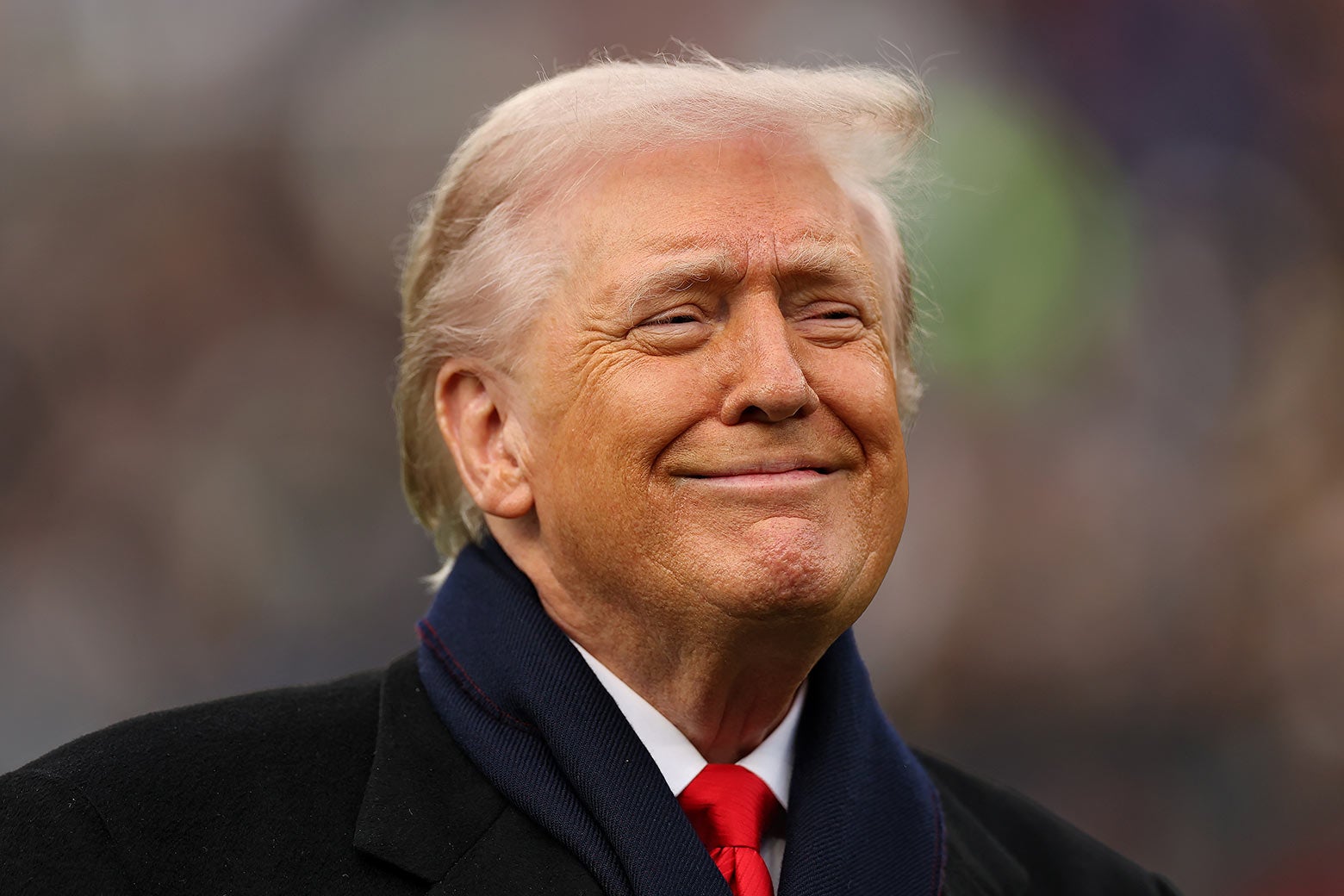
3 weeks ago'I'm glad I'm not on the ballot': Senate GOP worries about its midterm edge
Republican senators warn the party must emphasize cost-of-living measures to maintain Senate control, despite Trump's focus on other priorities and voter concerns about inflation and energy prices.



fromIntelligencer
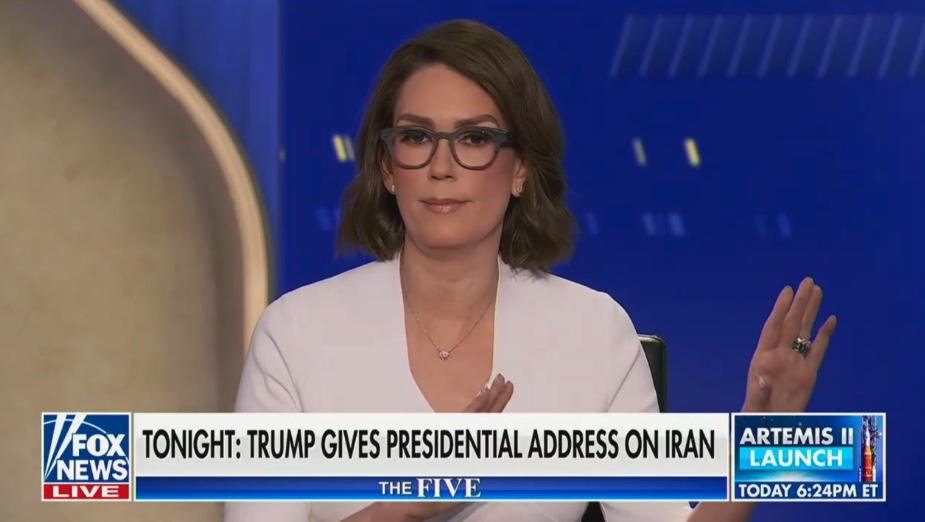
2 weeks agoJ.D. Vance Is Having Kamala Harris Problems
Though much of the recent media focus has been on Kent and Tulsi Gabbard, the onetime isolationist turned hawkish director of national intelligence, it is Vance who will ultimately have to wrangle with the political fallout of Trump's decision to attack Iran. Assuming Trump does not illegally seek a third term, all early polling - as well as history and conventional wisdom - suggests it will be Vance accepting the nomination two and a half years from now.
Right-wing politics

fromFortune
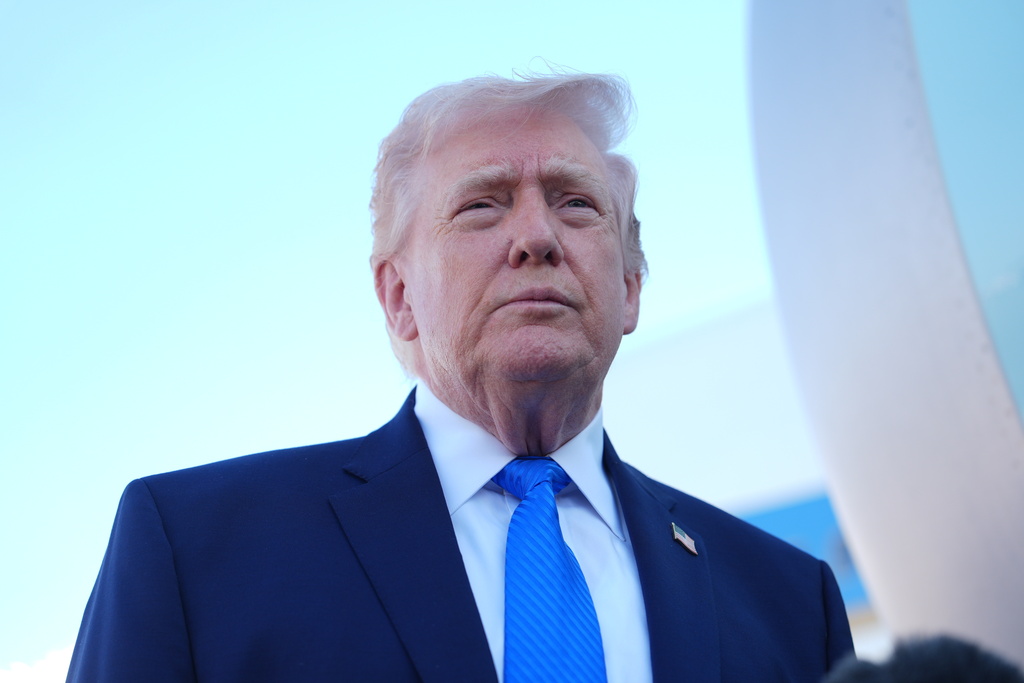
3 weeks agoRepublicans want Trump focused on affordability, but his mind is on voter suppression | Fortune
"It'll guarantee the midterms," he told Republicans gathered in the ballroom of his golf course just outside Miami on Monday. "If you don't get it, big trouble." Trump insisted that building on strict national voter identification laws, banning mail ballots, and restricting transgender rights would secure Republican electoral success.
US politics
fromIntelligencer
3 weeks agoTrump Has Handed the Democrats a New Winning Issue for the Midterms
Affordability has been, understandably, the watchword for Democratic candidates over the last year. After downplaying inflation under Joe Biden, the party learned a brutal lesson when Donald Trump rode the cost-of-living crisis back to the White House in 2024. In 2025, Zohran Mamdani put affordability at the center of his own campaign and surged from the back of the pack to City Hall.
US politics
fromLGBTQ Nation
3 weeks agoThe midterm primaries are turning out to be really bad news for incumbents - LGBTQ Nation
In perhaps a vain attempt to prove themselves moderate, the Democratic lawmakers helped override Democratic Gov. Roy Cooper's vetoes. Voters responded with the kind of ballot-box fury that should serve as a lesson to other incumbents. It wasn't just a case that the incumbents lost. They were buried, with several of them getting trounced by margins of 40 points or more.
US politics
US politics
fromSun Sentinel
1 month agoFlorida poll shows Republicans lead Democrats in statewide races - but only by single digits
Democratic candidates David Jolly and Jerry Demings trail Republican Byron Donalds by 6-7 percentage points in Florida governor race polling, with significant undecided voters and early-stage race dynamics.
US Elections
fromwww.theguardian.com
1 month agoWill Trump try to seize voting machines to disrupt the midterm elections?
Trump advocates federal control of voting systems while officials investigate voting machine vulnerabilities, raising concerns about potential disruption to the 2026 midterm elections.


fromThe New Yorker
1 month agoHow to Protect the 2026 Elections from Donald Trump
The Washington Roundtable discusses Donald Trump's threats to "nationalize" elections in fifteen states, the recent F.B.I. raid to seize 2020 voting records at an election facility in Fulton County, Georgia, and the ways in which the Administration might meddle with a free and fair vote in 2026. Their guest, Richard Hasen, is the director of the Safeguarding Democracy Project at U.C.L.A.'s School of Law.
US politics
fromwww.dw.com
1 month agoWhy Trump and his Republicans can't take over US elections
"It has been baked in that the states are largely in charge of the election process, and that the federal government can set or override rules for that process if they wish, but it's very specific that that has to be done through Congress and not through lone executive action," said Justin Levitt, a constitutional and law of democracy scholar at Loyola Law School who was a non-partisan policy adviser for Democracy and Voting Rights during the Biden White House.
US politics
fromenglish.elpais.com
2 months agoTrump's plans to alter election rules sound alarm bells ahead of the November midterms
The suggestion, in which Trump did not specify which places he was referring to, amounts to an invitation to contradict the Constitution, given that it establishes in Section IV of Article I that in the United States, state laws govern elections, conceived as a decentralized process for which officials of both parties are responsible in the thousands of districts into which the vast map of the country is divided.
US politics
US politics
fromwww.mediaite.com
2 months agoRon DeSantis Sounds Alarm About GOP's Election Loss in Trump +17 TX District: A Swing of This Magnitude' Can't Be Dismissed'
A double-digit Democratic victory in a deep-red Texas special election signals potential trouble for Republicans and questions the transferability of Trump endorsements.
fromNextgov.com
2 months agoAs Trump administration cries 'fraud,' experts worry it does more harm than good
President Trump's firing of IGs and removal of acting IGs, and then the subsequent appointment of some very political folks as IGs ... does raise the specter of a politicized inspector general community," one of those fired watchdogs, Mark Lee Greenblatt, told Nextgov/FCW.
US politics
US politics
fromLGBTQ Nation
2 months agoTrump tells Minnesota he'll "end the chaos" if state hands over its voter data - LGBTQ Nation
U.S. Attorney General Pam Bondi demanded Minnesota's unredacted voter rolls and other state data, linking compliance to restoring order and raising election-interference and privacy concerns.
fromThe New Yorker
2 months agoA Stark Warning About the 2026 Election, with Robert Kagan
Listen and subscribe: Apple | Spotify | Google | Wherever You Listen to receive our twice-weekly News & Politics newsletter. The Washington Roundtable is joined by Robert Kagan, a historian and senior fellow at the Brookings Institution, for a conversation about the pressures facing American democracy, the security of elections, and how these domestic tensions interact with the collapse of international norms.
US politics
[ Load more ]