#vintage-toasters
#vintage-toasters
[ follow ]
#vintage-decor #kitchen-appliances #interior-design #kitchen-organization #nostalgia #product-design

fromTasting Table
5 days ago10 Retro Appliances We Rarely See In Kitchens Today - Tasting Table
Iceboxes were large lined, insulated wooden cupboards built to store ice, food, and drinks. The ice would usually be placed on the upper shelf, with the food and drinks below, and the cool air from the melting ice would help to keep everything nice and chilled.
Everyday cooking
fromFast Company
1 week agoHow KitchenAid updated its legendary kitchen mixer without sacrificing its design
"We're in a unique spot here because we are really attached to the silhouette. We really don't want to change the outside, which is a challenging engineering function when you say no, the package is fixed," says Joseph Snyder, a system architect at KitchenAid.
Renovation
Design
fromYanko Design - Modern Industrial Design News
3 weeks agoThis 1970s Desk Organizer Works in Every Room But Your Office - Yanko Design
Joe Colombo's 1970 BOB desk organizer uses organic polyurethane gel design to elegantly solve storage through continuous form rather than visible compartments.
fromTasting Table
1 month agoDust Off The Gen X-Beloved Grill That Gen Z Is Suddenly Using - Tasting Table
George Foreman was a legendary boxer - Olympic gold medalist and two-time Heavyweight World Champion with a record of 76 wins and just 5 losses - but for many younger folks he may be better known for the kitchen appliance that bears his name. Introduced in 1994, the George Foreman grill is a compact indoor electric grill with a unique style of cooking.
Fashion & style
Everyday cooking
fromTasting Table
4 weeks agoBefore Food Processors, This Hand-Crank Kitchen Gadget Broke Down Everything - Tasting Table
Manual nut grinders, invented by Carl Sundstrand in 1935, provided a consistent alternative to hand chopping before food processors became affordable household appliances.
Cooking
fromTasting Table
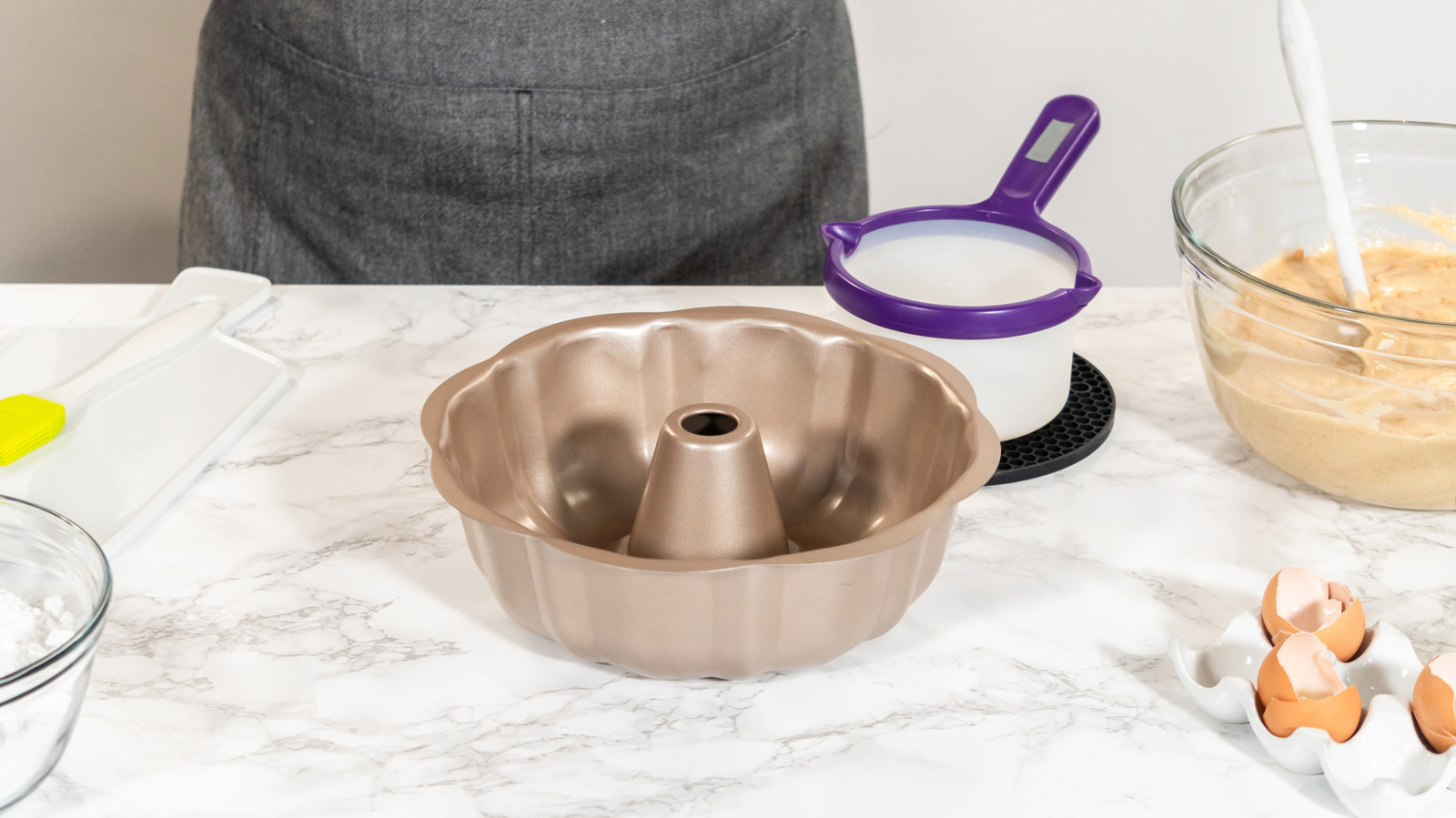
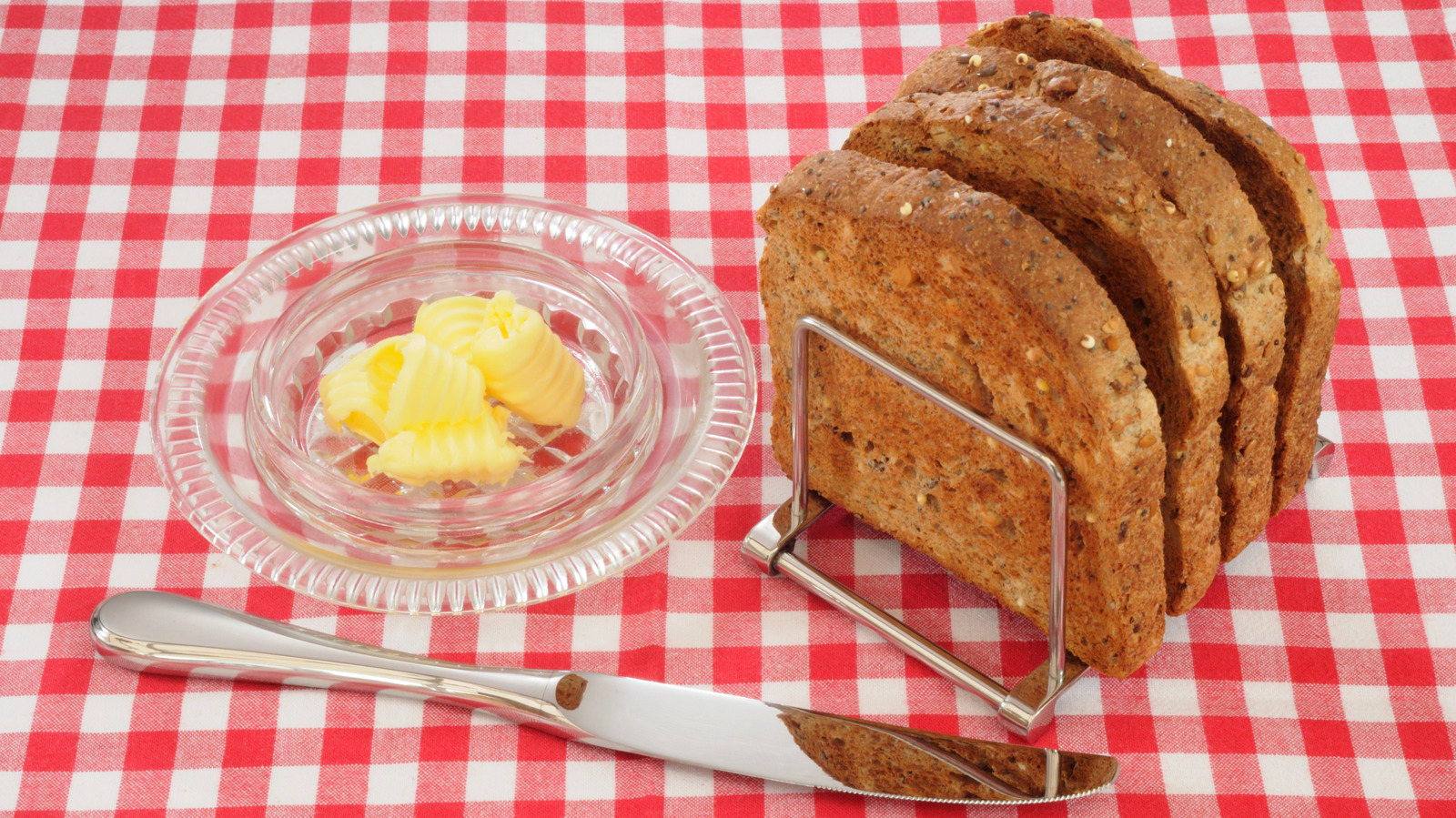
1 month agoRIP To These Cooking And Baking Products That Vanished From Store Shelves - Tasting Table
Popular cooking and baking ingredients are being discontinued without official announcements, leaving consumers searching for alternatives or mourning the loss of beloved products.


fromApartment Therapy
1 month agoI Tried the 3-Step Method That Makes Vintage Lamps Look Fancy (Not Thrifted!)
First, you probably have to rewire the lamp. Unless the seller already did it for you, it's best to rewire any vintage finds so you know they've been safely updated. The process isn't that hard, but you will need to buy the supplies and spend the time to do it correctly.
Design
fromYanko Design - Modern Industrial Design News
1 month agoThe Vintage Apple Computer That Belongs on Every Tech Lover's Shelf, in LEGO Form - Yanko Design
The result, shaped by industrial designer Jerry Manock and powered by Wozniak's engineering genius, was the Apple II: a smooth, warm-beige enclosure that suggested domesticity rather than machinery. It belonged on a desk the way a telephone did. That calculated approachability helped sell millions of units across sixteen years of production.
Apple
Miscellaneous
fromSilicon Canals
1 month ago8 household items that were status symbols in a working-class home in the 1990s that would cost less than a single grocery run today - Silicon Canals
Consumer goods that signified status and achievement in 1990s working-class communities now cost a fraction of their original price, reflecting dramatic shifts in purchasing power and consumer culture.
fromTasting Table
1 month agoThe Atomic-Age Mixer That Defined 1950s Kitchens Is Worth A Fortune Today - Tasting Table
This gorgeous gadget had a design that many say mimics the streamlined sleekness and quality build of a classic '50s Cadillac - some models even boast fins at the rear. Made from enameled metal (early versions were cast iron, later ones were pot metal) and available in a range of colors, including chrome, pink, yellow, turquoise, white, blue, and avocado green, they were heavy and powerful.
Gadgets
fromTasting Table
1 month agoThe Unexpected Way To Reuse Vintage Tea Tins In The Kitchen - Tasting Table
If you open your kitchen cabinets and want to run away screaming from the tumbling and entropic heap of half-used packages - and you're starting to consider dropping a whole paycheck at The Container Store to finally fix your life (for real this time) - Wait! Let us share with you a far cheaper and more whimsical solution: vintage tea tins.
Food & drink
fromBored Panda
2 months ago80 Vintage Ads That Show Which Values Changed And Which Stayed The Same Over Time
We might be exposed to more ads and commercials today than ever before in human history, but the idea of advertising itself is certainly not a new concept. According to Instapage, the first signs of advertisements actually appeared in ancient Egyptian steel carvings from 2000 BC. Meanwhile, the first printed ad was published in 1472, when William Caxton decided to advertise a book by posting flyers on church doors in England.
Marketing
fromVulture
2 months agoObex Will Make You Nostalgic for Old Technology
What telling people to touch grass ignores, in part, is that grass is not all that good to touch. It's itchy and sticky - there could be bugs in there. There's a far more profoundjoyin touching machines, as is shown again and again in Albert Birney's Obex, which functions as both a shrine to and warning about our reliance on technology.
Film
fromTasting Table
2 months agoBoomers Still Swear By This Old-School Baking Tool - Tasting Table
When baking cookies, there is one particular old school kitchen tool that boomers love. This tool is none other a vintage cookie press. If you're not familiar with what it is, a cookie press is handheld gadget, perfect for making spritz and other retro Christmas cookies. It has a hollow tube that holds cookie dough, and a plunger that you use to push the dough through patterned disks. The result are fun-shaped cookies ready for baking.
Cooking
fromYanko Design - Modern Industrial Design News
2 months agoThe Cutest (or Creepiest) Coffee Maker You'll Ever Own - Yanko Design
One of the things that is on my soon to buy for this year is a moka pot. I've been intrigued about this Italian way of brewing an espresso-like coffee through steam pressure. It's obviously cheaper than an actual espresso machine and some coffee lovers have said that it tastes even better since it's a more "natural" way of pulling the espresso shot.
Coffee
fromSilicon Canals
2 months ago9 things Boomers refuse to throw away that their kids will put straight in the trash without opening - Silicon Canals
My father kept manuals for products we hadn't owned in years, filed alphabetically in a cabinet. When I asked why, he looked at me like I'd suggested burning money. "What if we need to look something up?" The concept of finding any manual online in seconds just doesn't compute for a generation that had to rely on these paper lifelines.
Relationships



fromTasting Table
2 months agoThe Vintage Cast Iron Brand That's A Rare (And Valuable) Thrift Find - Tasting Table
If you spot a Griswold pan with a 13 on it, for example, know that not a lot of these pans were made due to negative connotations and associations with bad luck. Dating back to the early 1900s, these babies can fetch several thousand dollars. In addition to the Griswold 13, the 20 is also a rarity to find. Griswold isn't the only label that is a solid grab.
Cooking
fromTasting Table
1 month agoEvery Boomer Recognizes This Frog That Lived By The Kitchen Sink - Tasting Table
If you don't want to commit to yellow floral wallpaper or invest in an avocado-green oven, we invite home cooks to consider the ceramic frog sponge holder. These frog figurines were popular in the '70s and '80s, situated beside the kitchen sink to hold sponges or dish scrubber pads in their wide-open mouths. It's admittedly kitschy, but charmingly straddles the intersection of playful fun and practical utility.
Design
fromApartment Therapy
1 month agoMy 1990s Kitchen Looks Vintage Now - and I Didn't Change the Layout
However, my husband and I did realize that the layout actually seemed intuitive for the space. It made the most of a rowhouse-sized space, and there was no need to make significant changes to the footprint of the cabinetry or the appliances. What I wanted was a space that felt fresh and clean but still vintage-inspired and more fitting for the house. Here's how I did it.
Renovation
fromApartment Therapy
2 months agoHomeGoods' Gorgeous Vintage-Inspired Lamp Is Cheaper than Ever (Just $32!)
Mood lighting is always in high demand - and when the internet finds it, social media is quick to blow it up for everyone to obsess over. That's the case with this now-viral HomeGoods lamp, where one shopper just stumbled upon the "mother lode" of mood lighting. It's a vintage-esque lamp that resembles other centuries-old styles, and although she found the last one at her HomeGoods location, you can snag a similar one online.
E-Commerce
fromTasting Table
1 month agoThis Vintage Sandwich Pairs Popcorn With An Unexpected Canned Food - Tasting Table
This isn't a traditional sandwich that is made on two pieces of bread stacked on top of each other with a filling in between. It's more of an open-faced sandwich that features a paste-like spread added to "circles of hot buttered toast." To make this vintage sandwich no one remembers anymore, you're instructed to grind two cups of fresh popcorn in a meat chopper (use a food processor for a modernized version),
Cooking
fromTasting Table
1 month agoThe Boomer-Beloved Tupperware Design That Was More Genius Than It Received Credit For - Tasting Table
With the boomer generation being born between 1946 and 1964, and Tupperware's popularity peaking around the 1950s and 1960s, it's no wonder that this generation grew up loving the innovative food storage. Tupperware's Servalier line got its start around the late 1960s and flourished into the 1980s, a prime time for growing boomers to invest in what are now considered collector's items. These vintage favorites are still well-loved by boomers and other generations to this day.
Food & drink
fromInverse
2 months ago60 Kooky-As-Hell Things That Are So Damn Useful
Just because something looks weird at first glance doesn't mean it can't change your everyday life for the better. These Amazon finds are unapologetically quirky, but wildly practical once you give them a chance. They can solve oddly specific problems, streamline everyday annoyances, and make mundane tasks way more entertaining than they have any right to be. If you're into dopamine decor and kooky household items, look no further than this list fun and functional items.
E-Commerce
fromSilicon Canals
2 months agoTreasures worth thousands: homeowners discover vintage items hidden in walls during renovation - Silicon Canals
Picture this: you're knee-deep in renovation dust, crowbar in hand, when something unexpected tumbles from behind century-old plaster. A yellowed envelope? A strange metal box? That moment when your heart skips because you realize you might have just found something extraordinary. For some lucky homeowners, these discoveries turn out to be worth thousands of dollars, transforming a simple home improvement project into an unexpected treasure hunt.
Renovation
fromApartment Therapy
2 months agoThis '90s Kitchen Trend Is Officially Back - And It's Surprisingly Warm
Yes, that's right - the cabinetry with the warm, golden hue "with amber undertones," as Victoria Fioravanti, partner and creative director at Showcase Kitchens/Showcase Tile & Stone, describes it, has come back after spending many years as a dated kitchen feature that was painted over or completely replaced. These cabinets were a '90s phenomenon to the point that they made it into the kitchens of Full House and Home Improvement - and people (and homebuyers) are loving them again today. Here's why.
Renovation
fromDesign Milk
2 months agoBeachman Electric 64 Street Spec Reimagines a 1960s Cafe Racer
Replete with sleek, vintage-vibe features including a swept back concave windshield, meticulously hand-stitched sheet for two, emblematic street tires, and an exposed suspension frame only just keeping the electric engine in place. The removable 2.8 kWh (40 Ah) lithium battery, delivering up to 55 miles of range, can be replaced with a 3.6 kWh (50 Ah) pack to reach 70 miles. Both feature regenerative braking and built-in charge ports.
Gadgets
fromYanko Design - Modern Industrial Design News
2 months agoThe JVC Pyramid TV That Defined Retro Futurism in the 70s Now Wants to Be a LEGO Set - Yanko Design
Before flat screens colonized every wall and surface, televisions had personality. They came in wild shapes and bold colors, designed by people who believed consumer electronics could be sculpture. The JVC 3100R Video Capsule, produced throughout the 1970s, exemplified this philosophy. Its pyramid form and space-helmet aesthetic made it a favorite among collectors of "space-abilia," that peculiar category of objects inspired by Apollo missions and science fiction films.
Gadgets
Design
fromYanko Design - Modern Industrial Design News
1 month agoWhy Your Boring Black TV Deserves This Retro Wooden Upgrade - Yanko Design
A mid-century modern solid sapele wood TV cabinet offers authentic design, quality craftsmanship, storage for soundbar and consoles, sized for 32-inch TVs and cozy rooms.
[ Load more ]