#vinyl-digitization
#vinyl-digitization
[ follow ]
#nostalgia #vinyl-records #vinyl #turntable #music #electronic-music #physical-media #intentional-listening
Roam Research
fromdesignboom | architecture & design magazine
2 days agoradio time machine AI audio system recreates past sounds for cognitive health in elderly care
AI-powered Radio Time Machine enhances well-being in elderly care by generating nostalgic audio content to stimulate memories and communication.
fromwww.metrosiliconvalley.com
3 days agoSan Jose's Ton Freq Studios continues indie analog tradition | Metro Silicon Valley | Silicon Valley's Leading Weekly
Tone Freq Studios captures pristine acoustics and emphasizes analog warmth, creating a tactile space that values collective experiences over the convenience of digital recording methods.
Music production


E-Commerce
fromLondon Business News | Londonlovesbusiness.com
3 weeks agoHow music technology is changing the modern retail store - London Business News | Londonlovesbusiness.com
Physical retail stores are transforming into experience-driven spaces where strategic audio systems and environmental design significantly influence customer behavior and brand perception.
fromThe Verge
1 week agoThe secret story of the vocoder, the military tech that changed music forever
The vocoder was never supposed to be a revolution in music. Its development began a century ago, when an engineer at Bell Labs was looking for a simpler way to send phone calls across copper telephone lines.
Music production
Gadgets
fromYanko Design - Modern Industrial Design News
2 weeks agoGen Z Is Obsessed With These 5 Cassette-Era Gadgets & They Just Got a Full Design Upgrade for 2026 - Yanko Design
Streaming's abundance created a thinner listening experience; cassette-era design principles combined with modern technology offer a solution through intentional, tactile music consumption products.
fromColossal
1 month agoRadioposter Launches Paper-fi: Analog Books with Synchronized Soundtracks
Radioposter has built what it calls Paper-fi: physical books with synchronized audio soundtracks that follow readers in real time as they turn each page. No chips embedded in the paper, no QR codes to scan. The system uses patented computer vision and other modes through a smartphone or smart glasses to track your place in the book and play the corresponding audio.
Arts
Los Angeles
fromLos Angeles Times
1 month agoA secret-ish Japanese-style listening lounge just opened inside the Hollywood Palladium
The Hollywood Palladium opened Vinyl Room, a 1970s Japanese hi-fi inspired lounge offering dinner, drinks, and vinyl DJ sets for concertgoers before or after ticketed events.
Music
fromYanko Design - Modern Industrial Design News
1 month agoThese $40-$299 Cassette Players Just Crushed Spotify's Algorithm - Yanko Design
Cassette player searches have surged over 1,281%, driven by millennials and Gen Z seeking deliberate listening experiences away from algorithmic playlists and infinite streaming options.
Design
fromdesignboom | architecture & design magazine
1 month agowooden music cabinet by love hulten plays vertical vinyl and casette tapes in one device
A handcrafted wooden cabinet plays vinyl vertically and stores vertically stacked cassette tapes with color-coded modern controls and retro-modern styling.
fromdesignboom | architecture & design magazine
1 month agomodern audio player restores the physical form of music using disc-shaped cartridges
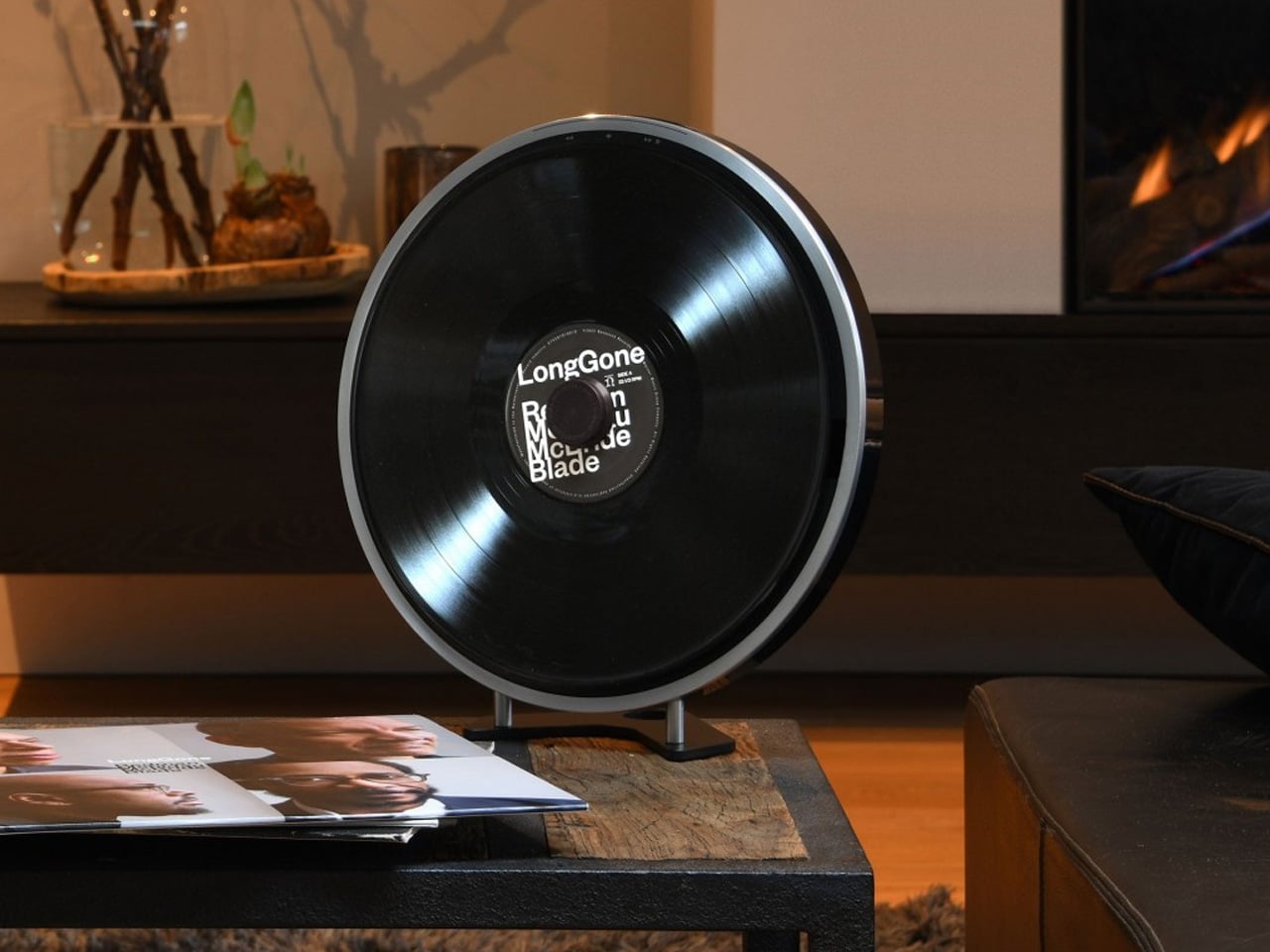
It's similar to a vinyl record, but the tracks are in a USB drive. It has no moving parts inside, so it's totally digital in how it stores sound. But it has a physical shape users can hold, flip over, look at, and collect, so in a way, the designer is asking: what if digital music had a physical body?
Music production
fromeLearning Industry
1 month agoHow To Remove Background Noise From Video: Best Practices For Professional Content
When professionals talk about how to remove background noise from video, they are really talking about improving the audio track of a video so the speaker's voice is clearer, more consistent, and easier to understand. Background noise refers to any unwanted sound that competes with the main voice, like air conditioning hum, office chatter, keyboard typing, traffic, or the low hiss created by recording equipment and compression. In video production, background noise removal is about reducing distractions so the listener can focus on the message.
Film
Music production
fromdesignboom | architecture & design magazine
1 month agoelectric guitar-shaped turntable spins vinyl records on frosted platter and wooden base
Clearaudio creates an electric guitar-shaped turntable honoring jazz artist Al Di Meola, featuring high-density wood fiber construction, frosted platter, and advanced vibration isolation through IMS light motor suspension with O-rings.
fromwww.theguardian.com
1 month agoAnalog is back, and my millennial heart couldn't be happier | Tayo Bero
Usually, my handbag is a medley of digital devices and life essentials my phone, iPad, chargers, keys, tampons. But lately, you're likely to also find a half-done newspaper crossword, a ton of stationery, the book I've restarted three times, and whatever scraps and trinkets I've picked up throughout the day to put in my scrapbook. Analog is back, and it feels like we need it more than ever.
Mindfulness

fromEntrepreneur
1 month agoAI Is Changing Music Production - But It Can't Fill Creative Gaps
We tend to think AI music tools are just gimmicks for social media creators, or that they're limited to basic beats. But it's hard to dismiss them when companies like Google, Meta and Stability AI are pouring resources into generative audio models that can produce full compositions in seconds.
Music production

fromYanko Design - Modern Industrial Design News
2 months ago5 Best Transparent Audio Devices That Show What's Inside - Yanko Design
Transparent design has moved beyond gimmick territory into something genuinely compelling. When Nothing started showing off circuit boards through clear plastic, the tech world noticed. Now that aesthetic has matured into a legitimate design movement where form and function create something worth displaying. Audio equipment benefits particularly well from this treatment because the internals actually matter to the listening experience, turning technical components into visual storytelling.
Design
Arts
fromYanko Design - Modern Industrial Design News
2 months agoAn Artist Carved His Dead Oak Into Records That Play Bird Songs - Yanko Design
A diseased 65-year-old oak was transformed into playable wooden records and a sound sculpture that preserves migratory bird songs and honors the tree's character.
fromYanko Design - Modern Industrial Design News
2 months agoThis retro-modern music player revives the hypnotic spin of cassette tapes - Yanko Design
For this time around, however, the concept player here stays within the audio listening gear domain; nonetheless, has clear signs of a TE-inspired design. The retro Bluetooth player is a music accessory that's reminiscent of the classic cassette tape player design, but on the inside, it's a modern music player that plays music wired or wireless. The aesthetics are purely for arousing the nostalgic feel of listening to music on a cassette player, while the audio is digitally played via a DAC for high-resolution output.
Music
Music
fromdesignboom | architecture & design magazine
1 month agovintage reel-to-reel tape player returns as modern wooden synthesizer by love hulten
A wooden RGB synthesizer combines vintage reel-to-reel visual cues with stepper-motor-driven red, green, and blue rotating discs and three stacked keyboard rows.
Gadgets
fromYanko Design - Modern Industrial Design News
2 months agoSpotify Record Player brings tactile experience of enjoying vinyls to the streaming world - Yanko Design
A Raspberry Pi-powered desk player uses RFID/NFC, a stepper motor, hall-effect sensing, and 3D-printed parts to play Spotify via miniature vinyl coasters.
fromYanko Design - Modern Industrial Design News
2 months agoMP-1 Reimagines a Modern Walkman Through a Teenage Engineering Lens - Yanko Design
Listening to music has mostly collapsed into phones and streaming apps, buried between notifications and multitasking. Some people still crave a single-purpose device that treats listening as the main event, not background noise. The MP-1 is an independent concept study that asks what a modern Walkman could look like if it borrowed Teenage Engineering's design language, without being affiliated with the company or trying to become an official product at all.
Music
fromFast Company
2 months agoThe answer to AI in music isn't suppression. It's data
But to anyone tracking the data over the past few years, it was inevitable. In 2022, Bad Bunny's Un Verano Sin Ti redefined the market, driving Latin music's streaming growth to new heights. It later became the first Spanish-language album nominated for Grammy Album of the Year. The takeaway is simple: When you have accurate, real-time data, you don't guess where culture is going, you know.
Music
Gadgets
fromYanko Design - Modern Industrial Design News
2 months agoSony releases two new Bluetooth turntables to spark Gen Z's love for vinyl - Yanko Design
Sony introduced two easy-to-use Bluetooth turntables, PS-LX3BT and PS-LX5BT, targeting new vinyl listeners with wireless aptX codecs and built-in phono equalizers.
Music
fromPinkNews | Latest lesbian, gay, bi and trans news | LGBTQ+ news
2 months agoThe Heated Rivalry season one soundtrack drops today - what you need to know
Heated Rivalry soundtrack is a 34-track release by Peter Peter, released January 16, blending original compositions and notable needle-drops like T.A.T.u.'s hit.
fromEsquire
2 months agoThese Portable CD Players Combine Modern Tech and Retro Tactility
Chances are this does exactly what you need. It will play your old CDs, your new CDs, your homemade mixtapes, the whole nine yards. You can even listen wirelessly thanks to onboard Bluetooth. It's got a decent battery life that can last you up to six hours, and it uses a USB-C to recharge. We usually have one of those on hand.
Gadgets
fromFuturism
2 months agoMetal Band Releases New Album on N64 Cartridge
Last year saw the highest vinyl record sales since 1984, signaling a strong desire among music enthusiasts to return to a simpler time of physical media. Even cassette tapes are making a comeback, with major artists including Billie Eilish and Taylor Swift releasing their material on the iconic plastic, four-inch audio reels. Now, self-described "party slam" metal band Party Cannon is taking the nostalgia play - often framed as an act of defiance against greedy and AI-slop-infested streaming platforms - to a new level.
Music
fromYanko Design - Modern Industrial Design News
2 months agoSamsung's Retro OLED Cassette and Turntable Concepts Are Pure Nostalgia - Yanko Design
It takes the classic tape deck design and turns it into a smart speaker with two tiny 1.5-inch circular OLED displays. They're in that place where the spinning reels used to be, since this isn't exactly a cassette player. On the left, you get the playback controls and on the right side, you get a digital waveform or equalizer. Both screens are touch-sensitive, letting you interact directly with the device without constantly reaching for your phone.
Gadgets
fromYanko Design - Modern Industrial Design News
1 month agoA Digital Music Player with FLAC Files and a Built-In Speaker - Yanko Design
There's something oddly comforting about watching the vinyl resurgence happen in real time. We've collectively decided that convenience isn't everything, that sometimes the ritual matters as much as the result. But while turntables have been getting their moment in the spotlight, another piece of audio history has been quietly staging its own comeback: the dedicated digital audio player. Enter the DAP-1, a concept device from Frankfurt-based 3D artist
Gadgets
fromYanko Design - Modern Industrial Design News
2 months agoTeenage Engineering-inspired Music Sampler Uses AI In The Nerdiest Way Possible - Yanko Design
Junho Park's graduation concept borrows all the right cues from TE's playbook, that modular control layout, the single bold color, the mix of knobs and buttons that practically beg to be touched, but redirects them toward a gap in the market. Where Teenage Engineering designs for people who already understand synthesis and sampling, the T.M-4 targets people who have ideas but no vocabulary to express them.
Gadgets
[ Load more ]