#vishnu
#vishnu
[ follow ]
#yoga #nada-yoga #nyaya #logic #epistemology #gautama-aksapada #rishikesh #yoga-teacher-training #ayurveda



fromYogaRenew
2 months agoThe Ahankara
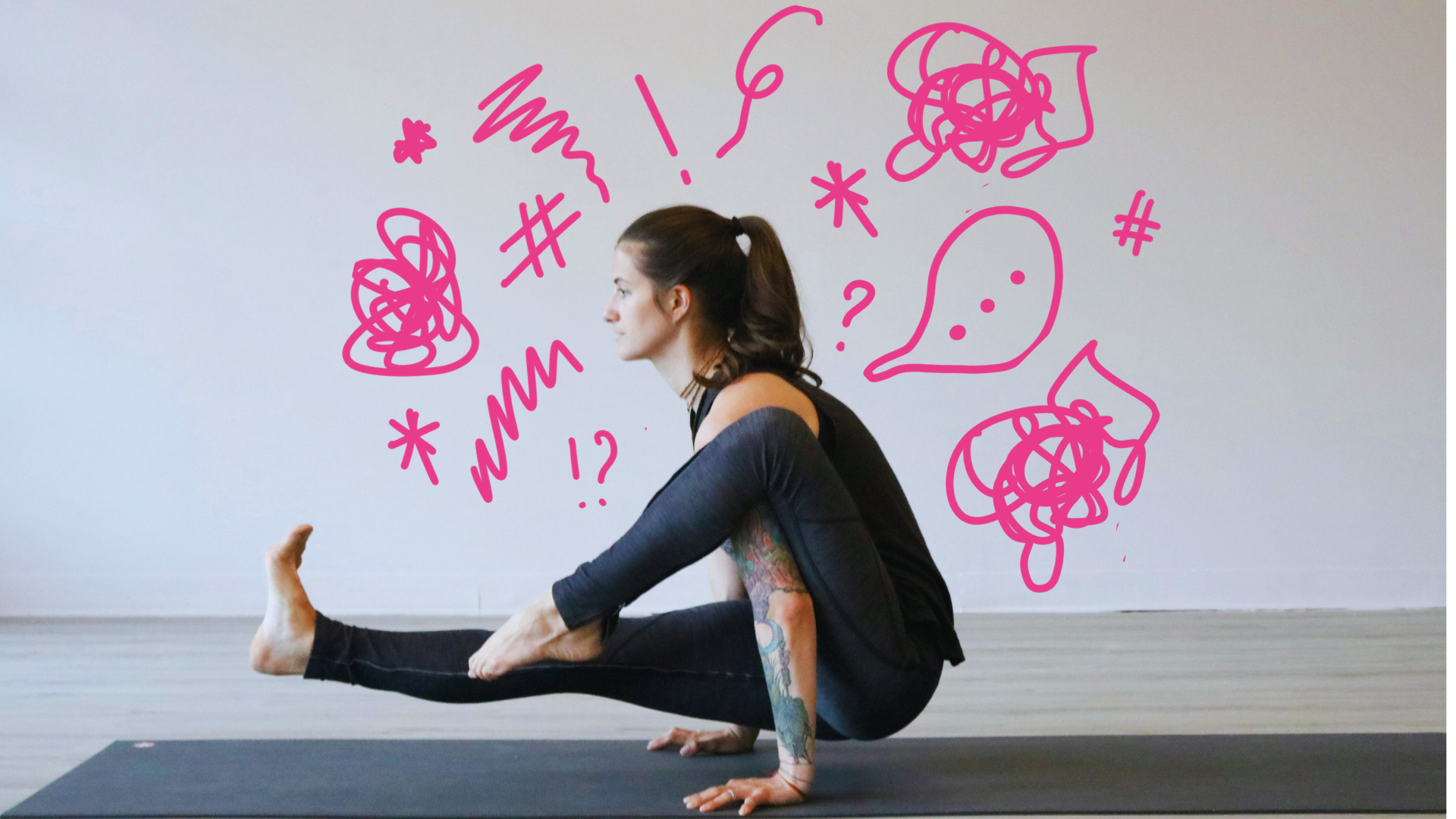
They look nervously at the cameras. The prize, they are told, is beyond description, but "it is what everyone wants!" The first question is asked: "Who are you?" The fastest contestant with the buzzer rings in - "Michelle!" they cry out confidently. BUZZ - the sound for the wrong answer rings out loudly. Another contestant seizes the moment and squeezes their buzzer. "A Man!" he states with utmost confidence. BUZZ - wrong again.
Philosophy
fromhttps://www.arogyayogaschool.com/blog
1 month agoKali Maa: The Fierce Mother and Her Yogic Meaning
To her followers and yogic practitioners, Kali Maa is not a scary goddess. She is the ultimate Mother. She represents the slayer of illusion and the symbol of truth that brings freedom. She is the symbol of the cycle of time, transformation, the loss of self and awakening to the spiritual realm. In yoga, Kali Maa is linked to inner cleansing. She helps awaken the kundalini and gives courage. This courage helps us face our darkest sides.
Yoga
fromYOGMAY
2 months agoShri Ganapati Atharvashirsha: A Divine Mantra - Nada Yoga School
Śrī Gaṇapati Atharvaśīrṣa is a sacred text associated with the Atharva Veda and is often regarded as Upaniṣadic in nature. Unlike devotional hymns composed later in history, this text speaks the language of tattva, or ultimate reality. Here, Gaṇapati is not presented merely as a personal deity or remover of obstacles, but as the principle of consciousness itself, directly experienced through sound. The Atharvaśīrṣa identifies Gaṇapati as Brahman, the Self, and the underlying cause, sustainer, and dissolver of all existence.
Yoga

fromhttps://www.arogyayogaschool.com/blog
2 months agoMantra Pushpanjali lyrics - lyrics and Meaning English
Mantra Pushpanjali lyrics Meaning The term Pushpanjali comes from two Sanskrit words. "P ushpa" means "flower," and " anjali " means "offering made with folded hands." Pushpanjali represents the act of offering flowers. This can be both a metaphor and a literal gesture. They do it for the gods, the guru, the divine, and the people present. For Bharatanatyam as well as other Indian traditional dance forms, Pushpanjali is the traditional way to begin a show. This isn't just an introduction, but an act of worship.
Yoga

[ Load more ]