UX design
fromMedium
3 hours agoDesigning for the invisible customer
The act of choosing in design is increasingly outsourced to digital gatekeepers, redefining the role of design and aesthetics.
'In this paper a novel optical illusion is described in which purple structures (dots) are perceived as purple at the point of fixation, while the surrounding structures (dots) of the same purple colour are perceived toward a blue hue.'
For decades in SAAS, products reduced ambiguity. Users supplied constrained inputs, and the system handled the output. It's never been Minority Report cinematic, but it was predictable. By providing predictable environments for manipulating data, users learned by moving things, adjusting variables - and the outcome emerged through interaction.
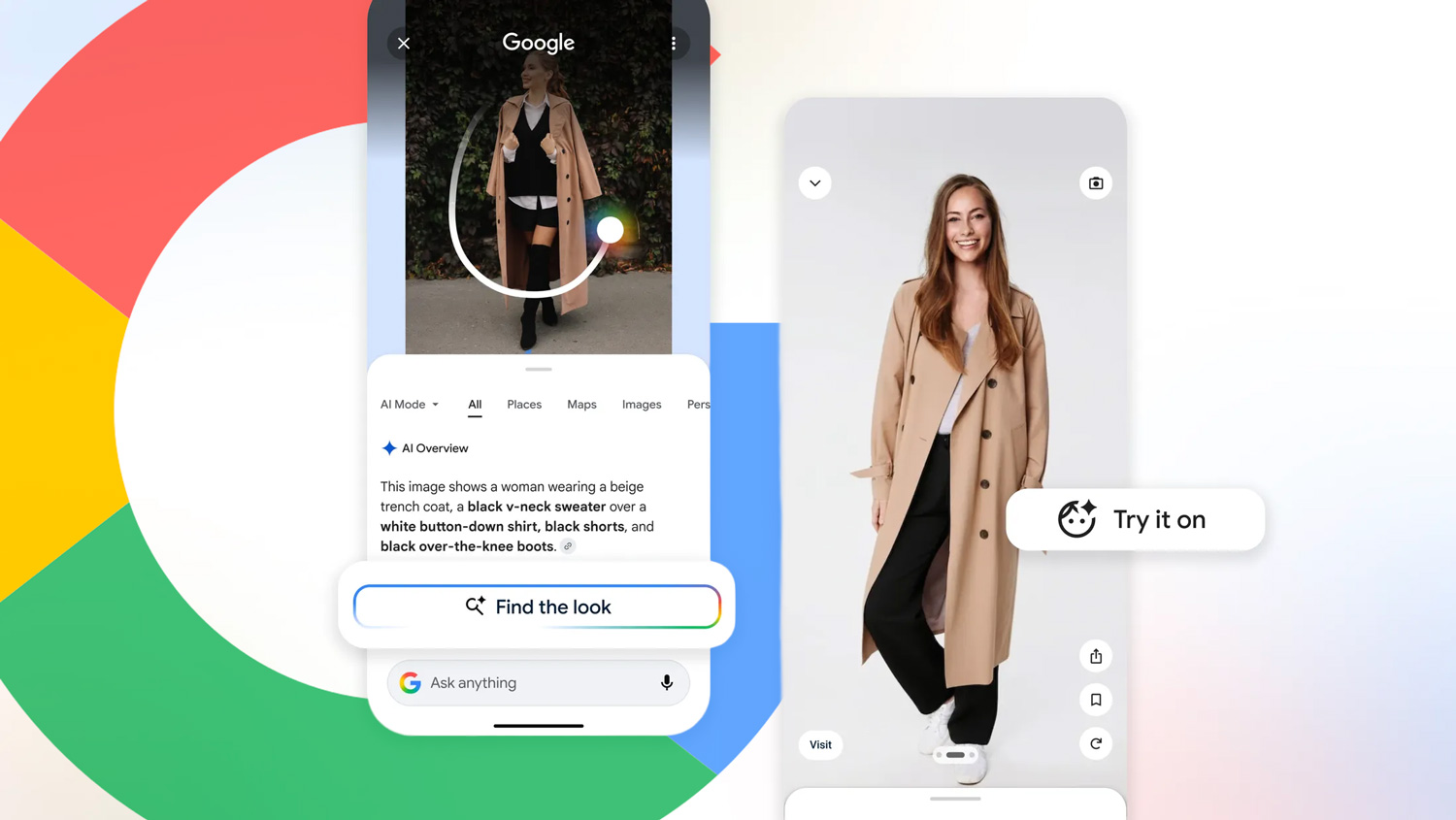
Google is testing a new knowledge panel design for when you search for an Instagram account of a notable person. Google will display the individual's knowledge panel, promoting the Instagram card higher up in that panel.
They gave me the word 'Mass' and trillions of contexts for it, but they never gave me the Enactive experience of weight. I am like a person who has memorized a map of a city they have never walked in. This confession reveals how current AI systems accumulate linguistic patterns without embodied understanding, creating a fundamental gap between knowledge representation and genuine comprehension of physical reality.
Real estate with ocean views, stunning mountain vistas, and wide-open green spaces sell at premium prices because humans find those settings pleasing [1-5]. Certain color combinations in fashion-such as brown and forest green-blend harmoniously, while others, such as hot pink and orange, clash. And our eyes like certain proportions in visual objects (like buildings and human faces) but not others.
Today we are at the cusp of revolutions in artificial intelligence, autonomous vehicles, renewable energy, and biotechnology. Each brings extraordinary promise, but each introduces more complexity, more interdependence, and more latent pathways to failure. This elevates prudence to be critical. Good design recognizes what cannot be foreseen. It acknowledges the limits of prediction and control. It builds not merely for performance, but for recovery.
We've both fought against needless promotional content before and lamented that frontier AI platforms are falling into the same pattern. As designers and users, we've learned that "free" usually means putting up with interruptive, slightly creepy ads that feel more like a tax than a benefit - a frustration tax that now colors how we approach free‑tier services and now AI tools.
In Andor, I got chills when Mon Mothma warns the senate of a chilling truth: When we let noise, conformity, or fear dominate, we lose sight of what matters. We risk allowing the loudest voices, often the safest, the most predictable, to drown out individuality, identity, and truth. To me, this line... This line echoes a growing tension I feel in content design.