#voice-to-midi
#voice-to-midi
[ follow ]


fromTechCrunch
1 week agoCohere launches an open-source voice model specifically for transcription | TechCrunch
Cohere's Transcribe model is designed for tasks like note-taking and speech analysis, supporting 14 languages and optimized for consumer-grade GPUs, making it accessible for self-hosting.
European startups
fromWIRED
5 days agoMeet the Man Making Music With His Brain Implant
Galen Buckwalter, a 69-year-old research psychologist and quadriplegic, participated in a brain implant study to contribute to science that aids those with paralysis. The six chips in his brain decode movement intention, allowing him to operate a computer and feel sensations in his fingers again.
Music production
#ai-notetakers
Roam Research
fromTechCrunch
2 weeks agoThese AI notetaking devices can help you record and transcribe your meetings | TechCrunch
Physical AI notetakers provide versatile recording and transcription options for meetings, offering features like live translation and unlimited transcription without subscriptions.



fromTechCrunch
2 weeks agoApple acquires video editing software company MotionVFX | TechCrunch
We are extremely excited to share that MotionVFX is joining the Apple team to continue to empower creators and editors to do their best work. For over 15 years, we've been on a mission to create world-class, visually inspiring content and effects for video editors. From the very beginning, we've been all about quality, ease of use, and great design. These are also the values that we admire most in Apple's products.
Apple


fromYcombinator
4 weeks agoWeb frameworks
Show HN: Lightwave - Real-time notes app, 3.5 years of hand-rolled JavaScript | Hacker News
A solo-built text editor with optional structure grows from plain text into a collaborative workspace with real-time features, markdown interoperability, and full data export.
fromThe Verge
1 week agoThe secret story of the vocoder, the military tech that changed music forever
The vocoder was never supposed to be a revolution in music. Its development began a century ago, when an engineer at Bell Labs was looking for a simpler way to send phone calls across copper telephone lines.
Music production
fromDEV Community
2 weeks agoI Built a 100% Private, On-Device AI Audio Stem Splitter (No Servers!)
If you've ever used tools like PhonicMind or LALAL.AI, you know the drill: Upload your MP3. Wait in a queue. Pay for "credits" or high-quality downloads. Your file sits on someone else's server. For musicians, producers, or just karaoke fans, this is slow and privacy-invasive.
Music production
Music
fromYanko Design - Modern Industrial Design News
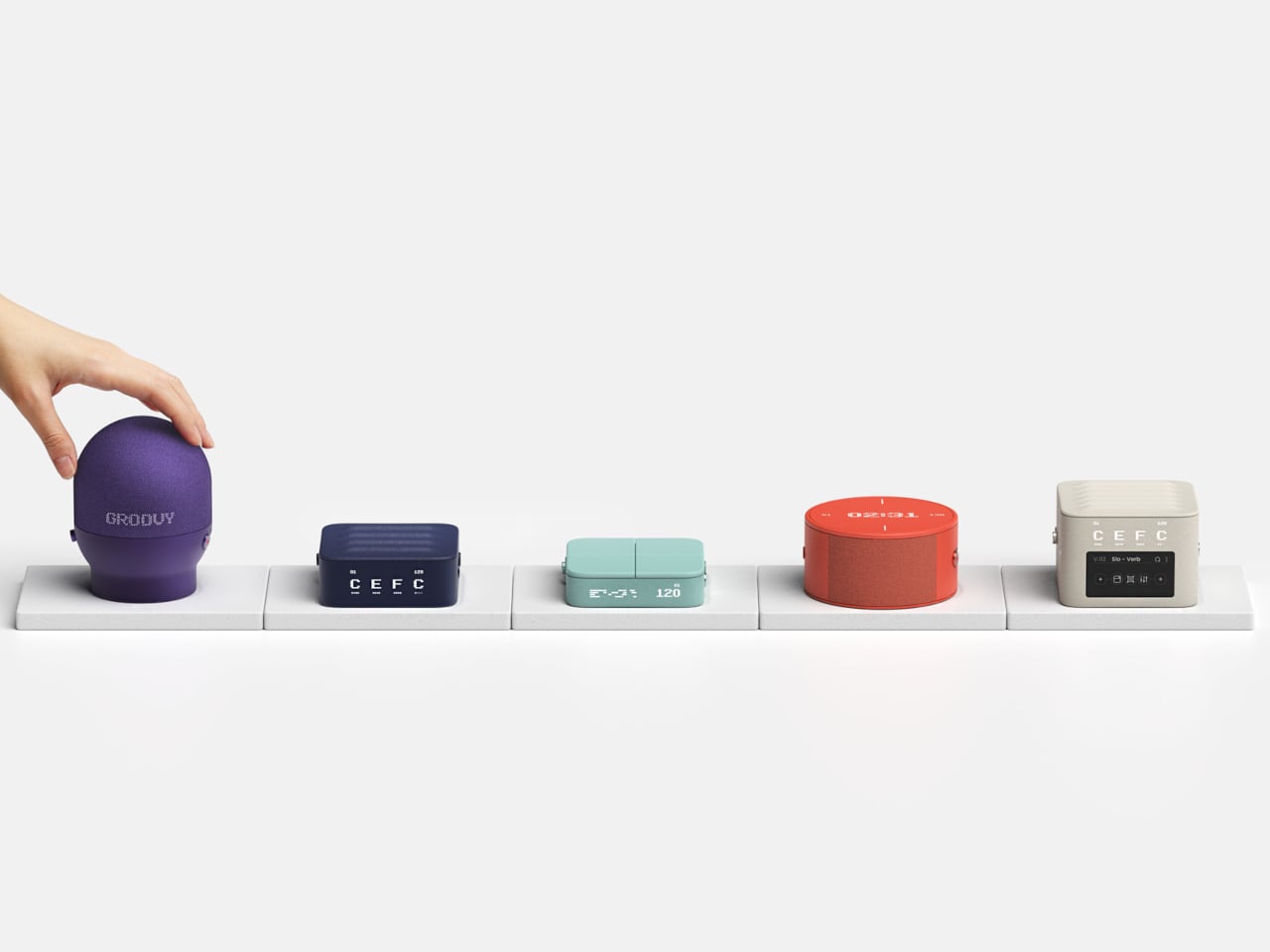
1 month agoSynth Modular Controller Treats Music Making Like Building with Blocks - Yanko Design
A modular synth system uses snap-together physical blocks for each function, making synthesis tangible, teachable, and scalable from beginner toy to serious performance instrument.
fromeLearning Industry
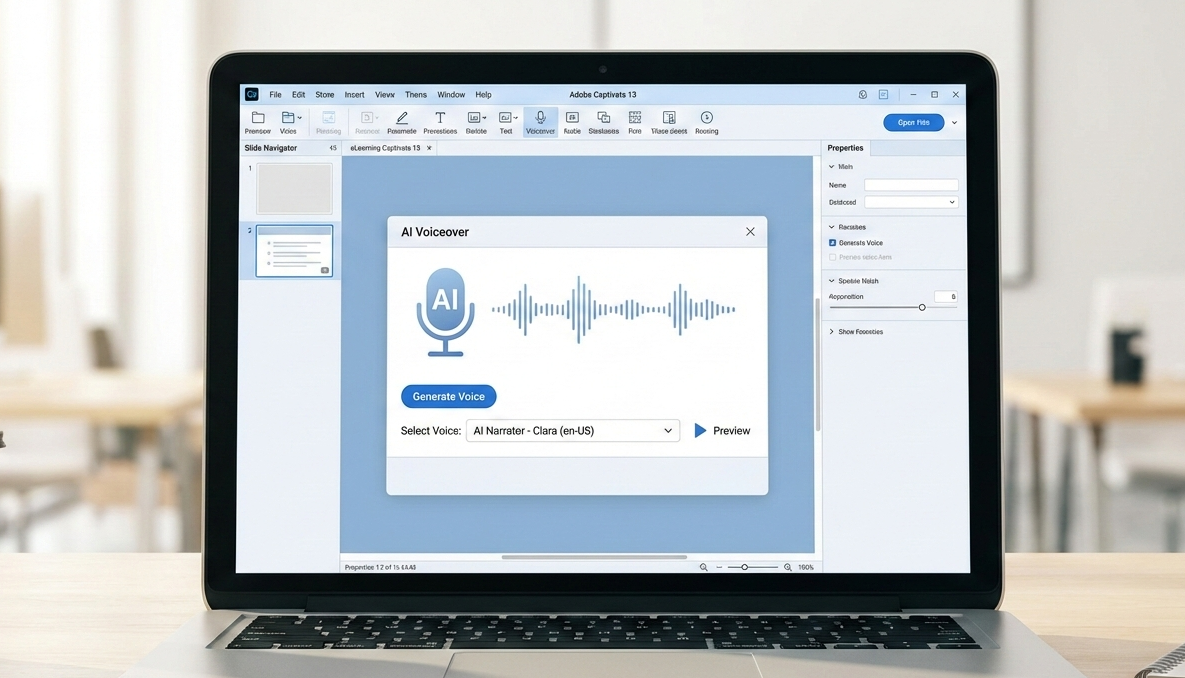
1 month agoHow To Remove Background Noise From Video: Best Practices For Professional Content
When professionals talk about how to remove background noise from video, they are really talking about improving the audio track of a video so the speaker's voice is clearer, more consistent, and easier to understand. Background noise refers to any unwanted sound that competes with the main voice, like air conditioning hum, office chatter, keyboard typing, traffic, or the low hiss created by recording equipment and compression. In video production, background noise removal is about reducing distractions so the listener can focus on the message.
Film
fromEngadget
3 weeks agoTembo might just be the world's cutest drum machine
The company says it designed Tembo to "enable everyone to create music from the very first touch." Co-founder David Davidov that most instruments take "so long to get to the fun part" and that Musical Beings wanted to "help people experience music as something they do, not just something they listen to."
Music production
fromThe Verge
1 month agoArturia's FX Collection 6 adds two new effects and a $99 intro version
Pitch Shifter-910 is based on the iconic Eventide H910 Harmonizer from 1974, an early digital pitchshifter and delay with a very unique character. Arturia does an admirable job preserving its glitchy quirks. Pitch Shifter-910 is not a transparent effect that lets you create natural-sounding harmonies with yourself. Instead, it relishes in its weirdness, delivering chipmunk vocals at the higher ranges. There is also a more modern mode that cleans up some artifacts while preserving what makes the 910 so special.
Music
Marketing tech
fromExchangewire
1 month agoAudion Launches First AI Agent Built to Deliver Tangible Outcomes in Digital Audio Advertising
Audion AI automates and optimises multi-platform audio advertising, translating campaign objectives into scalable, continuously optimised media plans across audio and video listening environments.
Music production
fromYanko Design - Modern Industrial Design News
1 month agoElgato's Wave Next Connects Your Mic, Software, and Stream Deck - Yanko Design
Elgato's Wave Next simplifies creator audio by moving complex processing onto custom hardware, eliminating software complications and delivering polished sound directly to applications.
Music production
fromMetro Silicon Valley | Silicon Valley's Leading Weekly
1 month agoSJSU, MAX/MSP & the Roots of Computer Music
MAX, an object-oriented programming environment created in the late 1980s, revolutionized music production and became foundational to SJSU's pioneering electro-acoustic music concentration.
Music production
fromwww.scientificamerican.com
1 month agoExperimental composer Holly Herndon built an AI voice clone that anyone can use
Holly Herndon uses machine learning and AI models to create protocol art, where the creative act occurs in designing rule sets and datasets rather than in final media generation, making collective creativity visible.
Gadgets
fromYanko Design - Modern Industrial Design News
1 month agoRoland's $299 Pocket-Sized Audio Interface Was Designed Specifically For TikTok and Instagram Music Creators - Yanko Design
Portable mixer delivers studio-grade 24-bit/192kHz recording, onboard EQ, compression, reverb, battery power, and compact design tailored for livestreaming creators.


fromEngadget
2 months agoAkai's MPC XL groovebox is the most powerful device the company has ever made
First of all, it offers four times the processing power of previous MPCs, which is enough to load up to 32 virtual instruments at the same time. This is assisted by a full 16GB of RAM, which is a whole lot in this era of AI tomfoolery. The XL can handle 16 audio tracks simultaneously. In my experience with previous units, this is more than enough for a full song.
Music
fromTechCrunch
1 month agoElevenLabs CEO: Voice is the next interface for AI | TechCrunch
ElevenLabs co-founder and CEO Mati Staniszewski says voice is becoming the next major interface for AI - the way people will increasingly interact with machines as models move beyond text and screens. Speaking at Web Summit in Doha, Staniszewski told TechCrunch voice models like those developed by ElevenLabs have recently moved beyond simply mimicking human speech - including emotion and intonation - to working in tandem with the reasoning capabilities of large language models.
Artificial intelligence
fromYanko Design - Modern Industrial Design News
2 months agoTeenage Engineering-inspired Music Sampler Uses AI In The Nerdiest Way Possible - Yanko Design
Junho Park's graduation concept borrows all the right cues from TE's playbook, that modular control layout, the single bold color, the mix of knobs and buttons that practically beg to be touched, but redirects them toward a gap in the market. Where Teenage Engineering designs for people who already understand synthesis and sampling, the T.M-4 targets people who have ideas but no vocabulary to express them.
Gadgets
fromEngadget
2 months agoKorg's new experimental synthesizer combines acoustic sounds with electronic control
The Phase8 uses a new form of "acoustic synthesis" that combines acoustic sound generation with electronic control. Takahashi says the synthesizer is "beyond analog vs. digital" and "beyond electronics" altogether. It features chromatically tuned steel resonators, which creates an acoustic sound similar to that of a kalimba. These signals can be manipulated via onboard effects and sequenced like a traditional synthesizer. Here's a video of the synth in action.
Music
fromThe Verge
2 months agoRoland's Go:Mixer Studio turns your phone into a mobile music studio
Roland now offers a more capable audio mixer for phones and tablets with the launch of the Go:Mixer Studio. The Go:Mixer audio interface lineup has always been a bit limited, better suited for scrappy live streams and capturing quick demos on their phones than professional recording. The Go:Mixer Studio is an attempt to actually reach that lofty goal, with more inputs and outputs, built-in effects, and up to 24-bit / 192kHz audio.
Gadgets
fromEngadget
2 months agoSubtle's 'Voicebuds' use AI to transcribe your words below a whisper, or in very loud spaces
There's a good chance you spend more time talking to your phone's virtual assistant, or dictating text with your voice, instead of actually calling people these days. But, as convenient as voice input can be, you don't want to be the obnoxious person shouting commands to Siri in a quiet library. And you probably won't have much luck dictating an email in a room with toddlers screaming and Peppa Pig blaring on the TV. (Ask me how I know.)
Gadgets
Gadgets
fromEngadget
2 months agoAnker's Soundcore Work AI voice recorder offers transcription in an ultra-compact form factor
Anker's Soundcore Work is a coin-sized AI voice recorder offering 97% transcription accuracy, conversation summaries, double-tap marking, privacy protections, MFi certification, priced at $159.
fromZDNET
2 months agoMaking videos on your phone? This USB-C mic is the easiest way to get pro audio
If you use your phone for vlogs or social media videos, but find that its built-in microphone degrades video quality, it might be time for an upgrade. Shure's is a great option if you want an easy-to-use solution that offers more customization than a cheap mini lavalier mic. Also: How one tiny microphone solved my biggest video production problems However, if you're looking for a microphone that works from far away, this one isn't it. The MV88 USB-C easily upgrades your phone's microphone, keeping your recording's audio level consistent while reducing background noise. At $160, there are less expensive options, but they might not offer the same production features. Here's what to know before you buy.
Gadgets
[ Load more ]