#voter-registration-abuse
#voter-registration-abuse
[ follow ]
#voting-rights #election-law #executive-order #trump #elections #mail-in-voting #california #midterm-elections
#voter-suppression

US politics
fromJezebel
2 weeks agoSounds Like the GOP Is Eager to Literally Fight Democrats in Order to Pass the Voter Suppression SAVE America Act
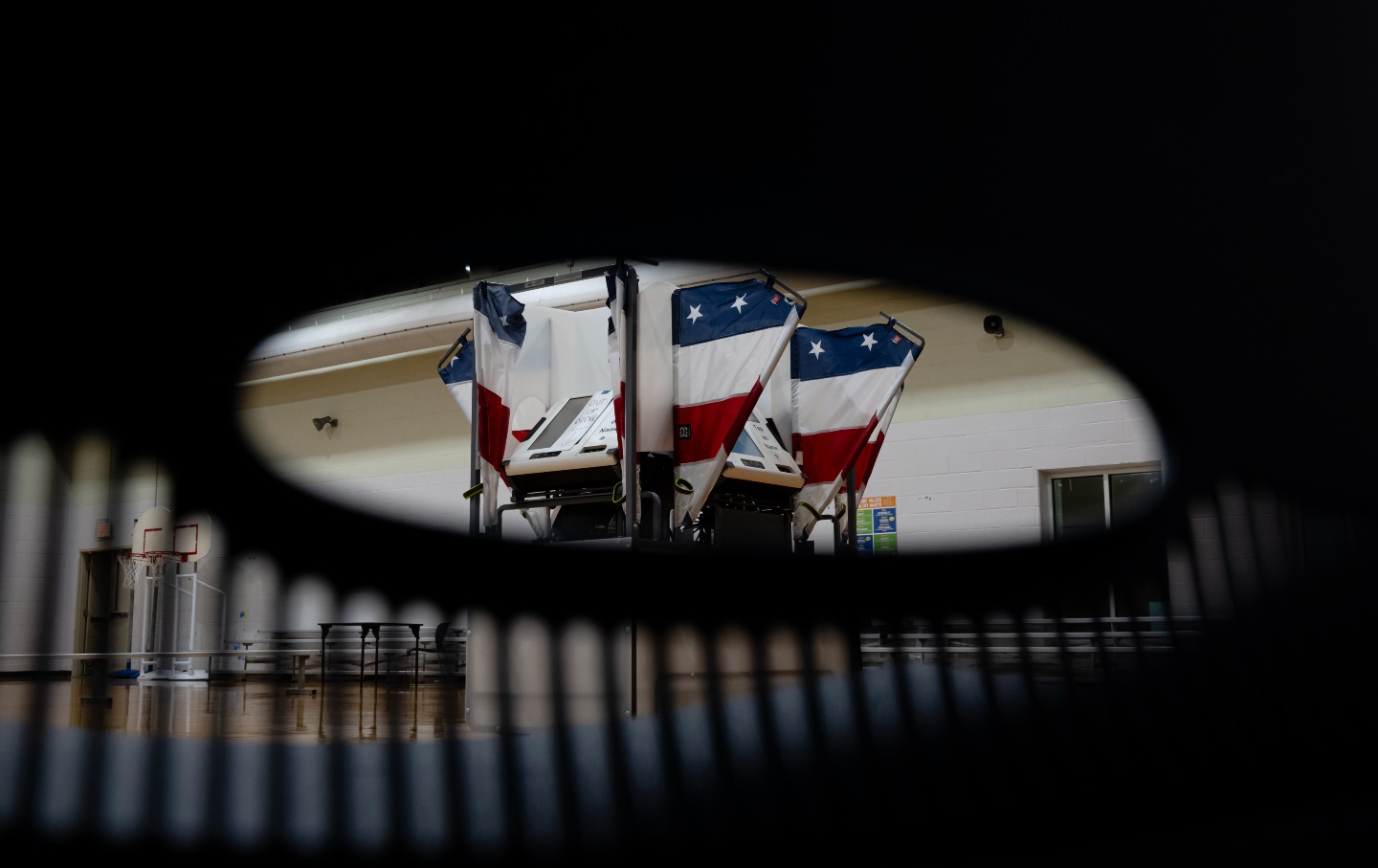
Republicans plan a prolonged Senate floor fight over the SAVE America Act to force Democrats to defend voting eligibility requirements despite lacking votes to pass the bill.
US politics
fromJezebel
2 weeks agoSounds Like the GOP Is Eager to Literally Fight Democrats in Order to Pass the Voter Suppression SAVE America Act
Republicans plan a prolonged Senate floor fight over the SAVE America Act to force Democrats to defend voting eligibility requirements despite lacking votes to pass the bill.
#voting-rights


US Elections
fromABC7 Los Angeles
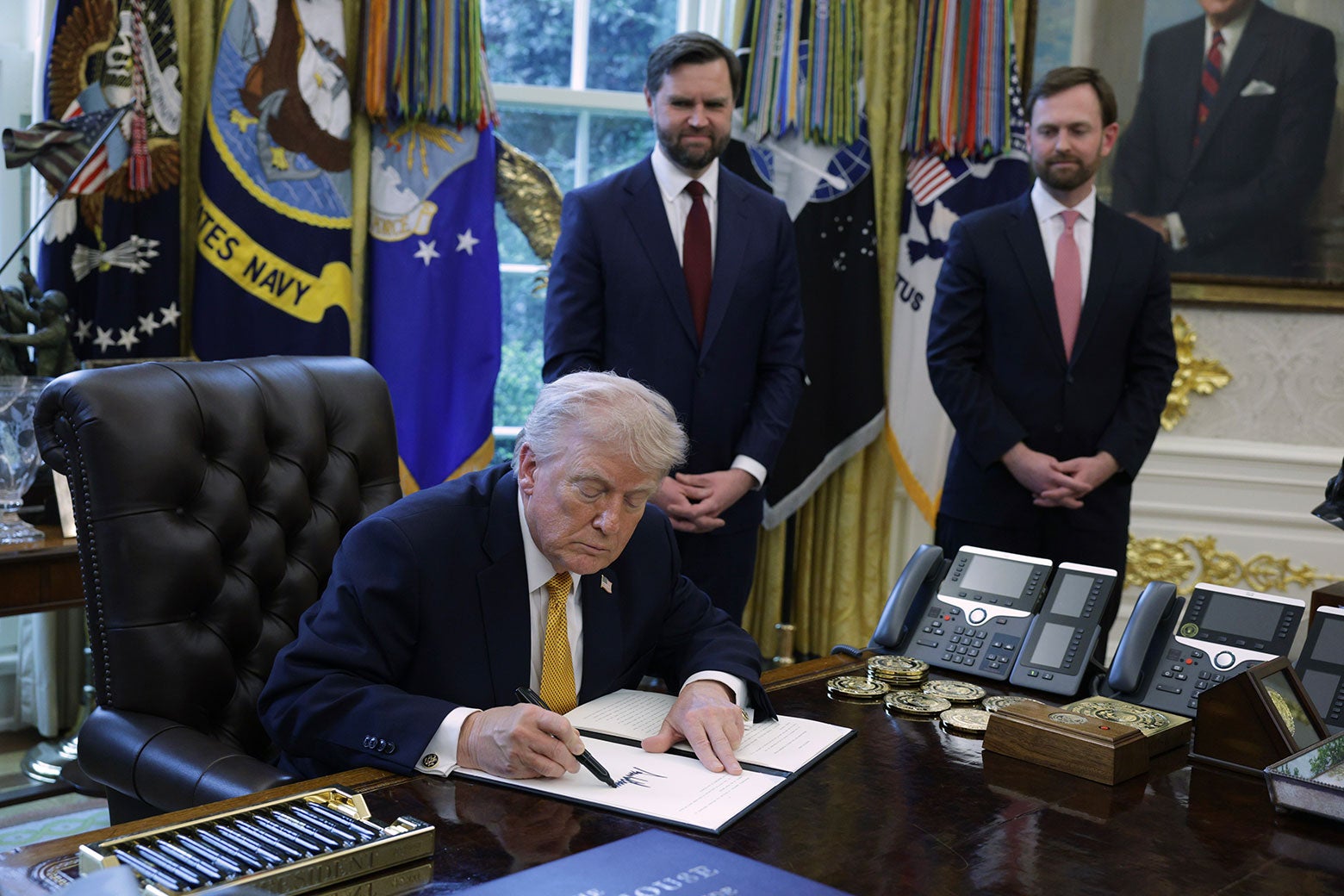
4 days agoTrump signs order directing creation of a national voter list, a move sure to face legal challenges
President Trump signed an executive order to create a nationwide list of verified eligible voters, prompting expected legal challenges.
NYC politics
fromGothamist
1 month agoNY state's Voting Rights Act withstands major test with implications for NYC voters
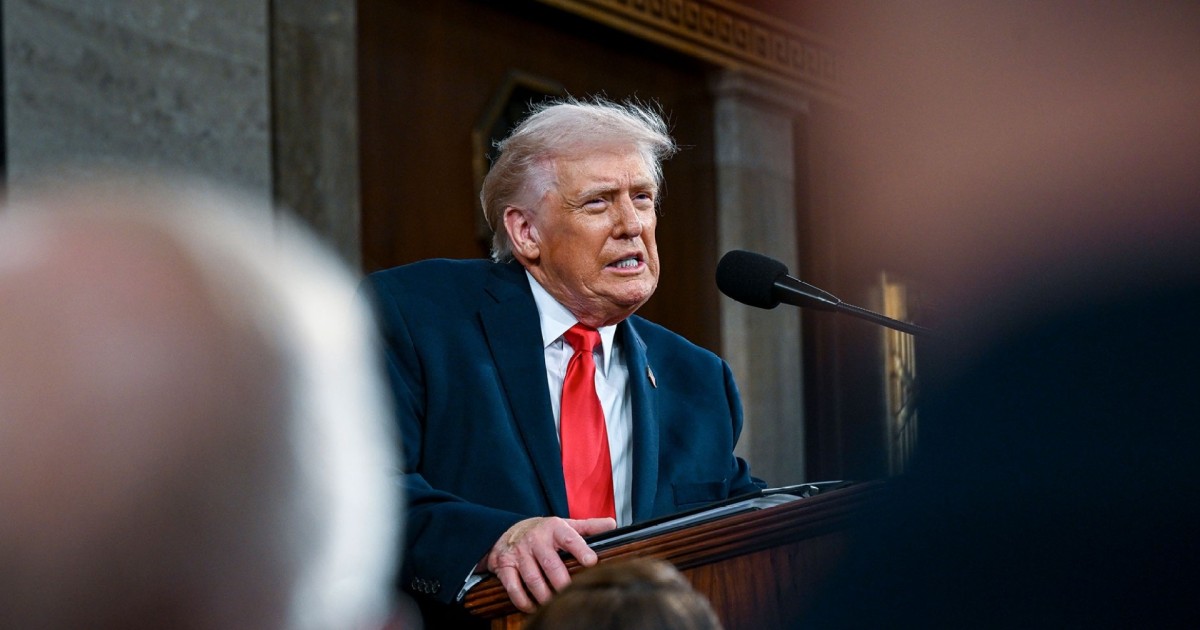
Newburgh, New York will implement ranked-choice voting for Town Council elections following a settlement protecting minority voters from vote dilution under the state's John Lewis Voting Rights Act.
NYC politics
fromGothamist
1 month agoNY state's Voting Rights Act withstands major test with implications for NYC voters
Newburgh, New York will implement ranked-choice voting for Town Council elections following a settlement protecting minority voters from vote dilution under the state's John Lewis Voting Rights Act.


Right-wing politics
fromSlate Magazine
2 weeks agoRepublicans Have a New Plan to Trick People Into Voting Against Abortion Rights. This One Is Working.
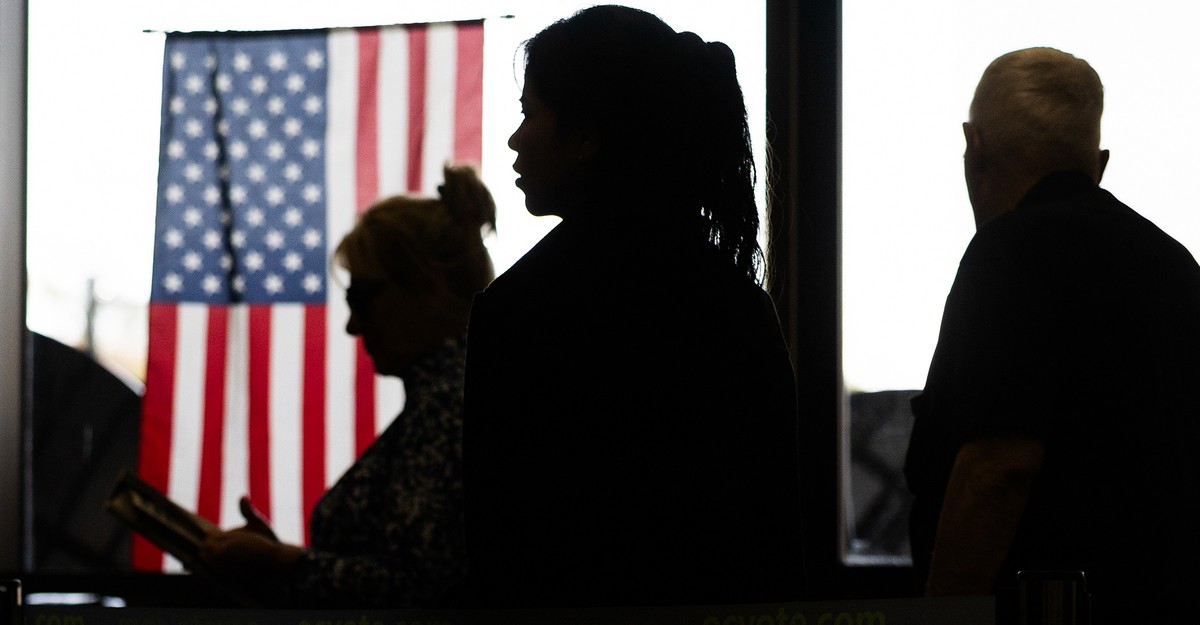
Anti-abortion ballot initiatives have failed consistently since 2022, but opponents may now succeed by deliberately confusing voters about what they're voting for.
LGBT
fromLGBTQ Nation
1 month agoRepublicans are pushing hard for a bill that would disenfranchise trans voters - LGBTQ Nation
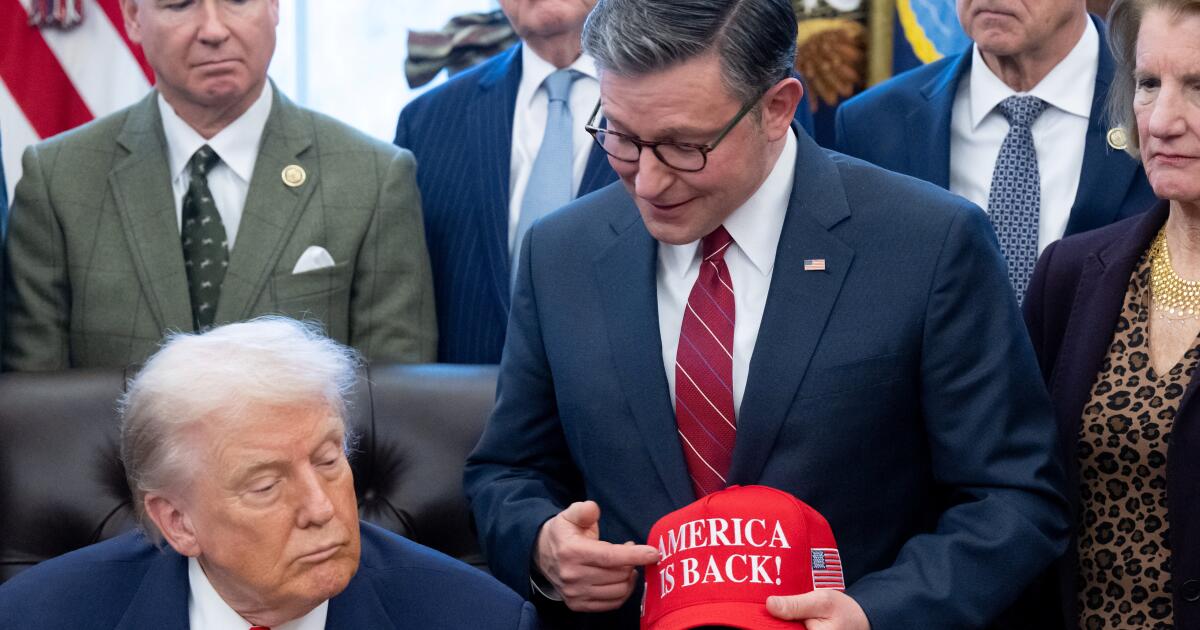
The SAVE America Act would require citizens to present birth certificates or passports to vote, effectively disenfranchising millions of Americans including trans voters and same-sex married couples.

#voter-id-requirements
US politics
fromwww.theguardian.com
2 weeks agoSenate expected to take up voter ID bill opposed by Democrats US politics live
The Save America Act requires proof of US citizenship for voter registration and approved identification at polls, facing Senate opposition due to filibuster rules and Democratic unanimity against it.
US politics
fromFortune
3 weeks agoAn effort similar to the SAVE Act was tried once, but was blocked by courts when over 30,000 eligible citizens were prevented from registering to vote | Fortune
New Hampshire's proof-of-citizenship law requires voters to present passports or birth certificates instead of driver's licenses, creating barriers for citizens like Joshua Bogdan who previously voted without issue.

US politics
fromwww.theguardian.com
2 weeks agoSenate expected to take up voter ID bill opposed by Democrats US politics live
The Save America Act requires proof of US citizenship for voter registration and approved identification at polls, facing Senate opposition due to filibuster rules and Democratic unanimity against it.
US politics
fromFortune
3 weeks agoAn effort similar to the SAVE Act was tried once, but was blocked by courts when over 30,000 eligible citizens were prevented from registering to vote | Fortune
New Hampshire's proof-of-citizenship law requires voters to present passports or birth certificates instead of driver's licenses, creating barriers for citizens like Joshua Bogdan who previously voted without issue.
US politics
fromLGBTQ Nation
3 weeks agoRepublican governor signs bill urging citizens to rat on "suspect" voters - LGBTQ Nation
South Dakota's new law allows voters to challenge other residents' voting rights based on suspected non-citizenship, requiring signed sworn statements with documented evidence filed 90 days before elections.
#election-interference
US politics
fromNonprofit Quarterly | Civic News. Empowering Nonprofits. Advancing Justice.
3 weeks agoThe 2026 Election Could Be a Game Changer-Advocates Are Prepared to Fight | Nonprofit Quarterly | Civic News. Empowering Nonprofits. Advancing Justice.
Trump administration has enacted over half of Project 2025 policies; voting rights groups prepare legal defenses against potential 2026 midterm election interference.


US politics
fromNonprofit Quarterly | Civic News. Empowering Nonprofits. Advancing Justice.
3 weeks agoThe 2026 Election Could Be a Game Changer-Advocates Are Prepared to Fight | Nonprofit Quarterly | Civic News. Empowering Nonprofits. Advancing Justice.
Trump administration has enacted over half of Project 2025 policies; voting rights groups prepare legal defenses against potential 2026 midterm election interference.
fromwww.npr.org
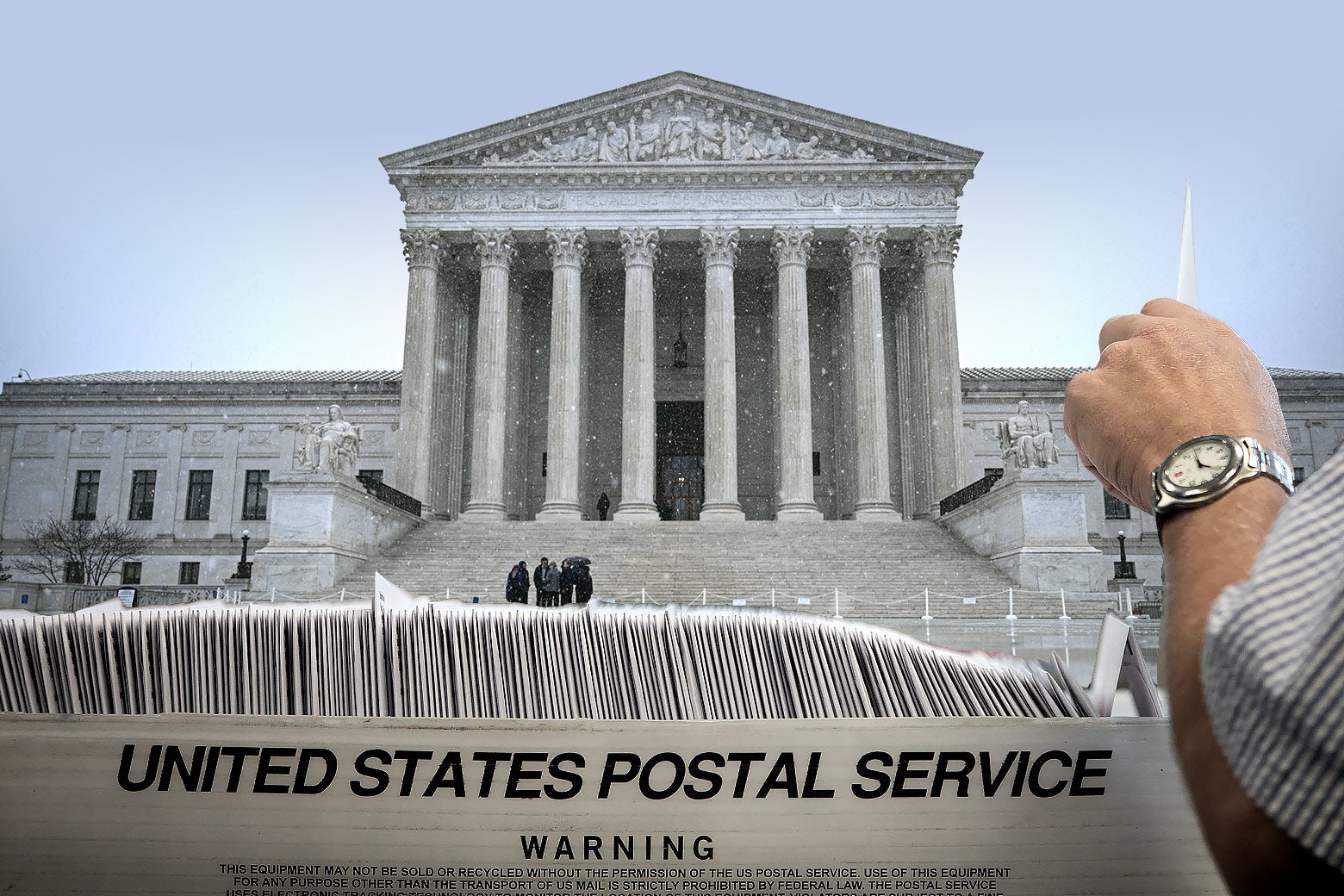
1 month agoA Republican plan to overhaul voting is back. Here's what's new in the bill
The Safeguard American Voter Eligibility Act now dubbed the SAVE America Act narrowly passed the U.S. House last week, with all Republicans and one Democrat backing the bill. Its approval came about 10 months after House Republicans last passed the SAVE Act. The measure, which would transform voter registration and voting across the country, faces persistent hurdles in the GOP-led Senate due to Democratic disapproval and the 60-vote threshold to clear the legislative filibuster.
US politics
fromWIRED
2 months agoDHS's Data Grab Is Getting Citizens Kicked Off Voter Rolls, New Complaint Says
The Trump administration has since poured billions of dollars into immigration enforcement, and in March, Trump issued an executive order requiring the Department of Homeland Security to ensure that states have "access to appropriate systems for verifying the citizenship or immigration status of individuals registering to vote or who are already registered." In May, DHS began encouraging states to check their voter rolls against immigration data with the Systematic Alien Verification for Entitlements (SAVE) program, run by US Citizenship and Immigration Services (USCIS). SAVE now has access to data from across the federal government, not just on immigrants but on citizens as well.
US politics
fromNextgov.com
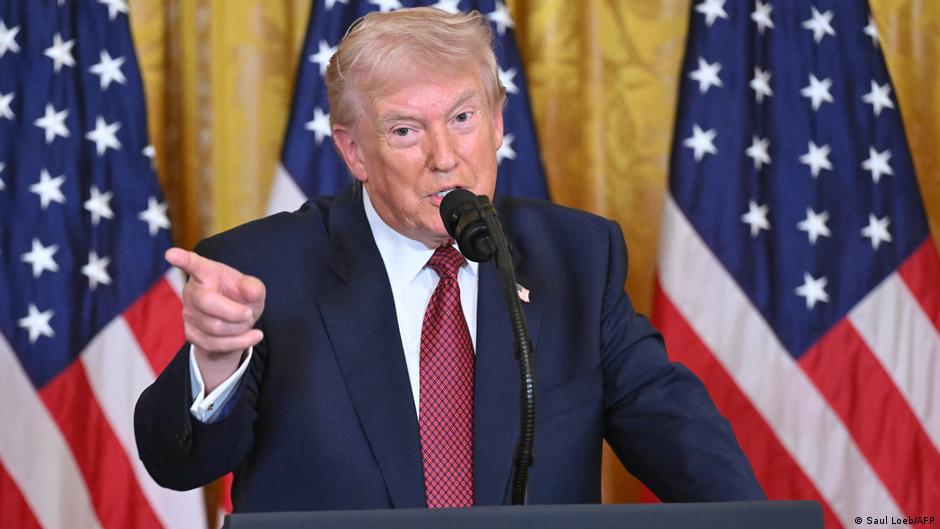
2 months agoAs Trump administration cries 'fraud,' experts worry it does more harm than good
President Trump's firing of IGs and removal of acting IGs, and then the subsequent appointment of some very political folks as IGs ... does raise the specter of a politicized inspector general community," one of those fired watchdogs, Mark Lee Greenblatt, told Nextgov/FCW.
US politics
fromwww.theguardian.com
1 month agoGrind the country to a halt': Democrat urges national strike if Trump meddles in midterms
We're not going to keep going to work and boosting the world's greatest economy in exchange for us to give up on democracy. If we have to destroy the stock market to save democracy, we need to accept that and, more importantly, the richest and the most powerful people in the world and in this country need to understand that that is a real possibility. There is no economic stability without democratic stability. If you take away our democratic stability, we will take away
US politics
fromSCSJ
2 months agoSCSJ, Partners Warn NC Voter Rules Could Target Eligible Citizens
(Jan. 27, 2026) - The North Carolina State Board of Elections has proposed several rules establishing a challenge process for voters deemed "presumptive non-citizens," and has opened a public comment period from January 15 to March 16, 2026. While the exact process for identifying challenged voters is not yet public, the State Board of Elections has indicated that county boards of elections will bring and hear challenges to voters based upon information received from the federal Systematic Alien Verification for Entitlements (SAVE) system.
US politics
US politics
fromInside Higher Ed | Higher Education News, Events and Jobs
2 months agoN.C. Students Sue Election Officials Over Early Voting Sites
Republican-run election boards rejected three North Carolina on-campus early-voting sites, prompting a lawsuit claiming targeted suppression of student and historically Black university voters.
[ Load more ]