#wartime-cuisine
#wartime-cuisine
[ follow ]
#food-history #comfort-food #vintage-recipes #canned-soup #nostalgia #cooking-tips #recipes #cooking

fromwww.theguardian.com
1 week agoKurdish kitchens, baked bean alaska and Mexican soul: the best spring cookbooks for 2026 review
Pary Baban's journey to promote Kurdish cuisine began with her first London restaurant, where she faced skepticism about the recognition of Kurdish food. She believed that if she didn't advocate for it, no one would, emphasizing the need to put Kurdish food on the map.
Berlin food
US news
fromwww.npr.org
3 weeks agoOpinion: An ancient, sophisticated palate
Ancient people 5,000-8,000 years ago in northern Europe prepared sophisticated, carefully selected meals combining hunted fish, gathered plants, roots, and berries, suggesting deliberate culinary practices rather than simple subsistence eating.
Silicon Valley food
fromTasting Table
4 weeks agoBye, Seafood: Expect To Spot This Tinned Food All Over In 2026 - Tasting Table
Artisanal tinned vegetables are emerging as a predicted 2026 food trend, following the success of premium seafood conservas in Spain and Portugal, offering high-quality alternatives to traditional canned vegetables.
Food & drink
fromwww.theguardian.com
1 month agoWomen built, and still shape, our culinary culture every day
Women have historically dominated cooking and food traditions, positioning the culinary world as one of few professional spheres where women maintain a natural advantage and leadership presence.
fromBon Appetit
9 years agoWhat to Cook When You're Stuck Between Winter and Spring
Cooking during late March can be particularly challenging due to the cold weather and lack of fresh produce. The desire for spring recipes clashes with the reality of winter ingredients still dominating the market.
Cooking
fromTasting Table
3 weeks agoTips For Making Perfect Chicken Soup - Tasting Table
Bones give the broth body, and dark meat adds richness. While white meat chicken, say from the breast of leftover rotisserie chicken, may be easy to add to your soup, it won't give you great depth of flavor like a drumstick would. She prefers to keep the skin on and the bones in as the meat cooks in the soup, noting that any excess fat can be skimmed off prior to serving.
Cooking
fromTasting Table
2 months ago10 Foods And Drinks Where Country Of Origin Actually Matters - Tasting Table
Country of origin labeling became mandatory on all international products entering the United States in 2009. The goal was to ensure American consumers knew where the products they were buying came from, enabling shoppers to make informed buying decisions. These products include everything from Mexican avocados to French wine to pasta from Italy, with the latter thankfully safe from recent U.S. tariffs. However, does the location a product comes from actually matter?
Wine
fromSlate Magazine
2 months agoA 101-Year-Old Rediscovers a Love Lost to War
Anna talks to Jonathan Goldstein, host of the Pushkin podcast Heavyweight, about the show getting a second chance after a long period of uncertainty, and how that time helped some of the stories they had been working on find a proper conclusion. Then we share one of our favorite episodes of Heavyweight, their recent season finale titled " Deborah." At 101 years old, Deborah discovered a box she'd stashed away a lifetime ago.
Media industry
Agriculture
fromTasting Table
2 months agoThe Popular Crunchy Vegetable That Didn't Exist When Your Grandparents Were Growing Up - Tasting Table
Baby carrots were invented in the mid-1980s by reshaping imperfect carrots into uniform, peeled pieces, reducing waste and creating a popular, convenient snack.
fromTasting Table
1 month agoThe Chicken Dish Abraham Lincoln Enjoyed Happens To Be Perfect For Your Slow Cooker - Tasting Table
According to Ruth Painter Randall, author of "Mary Lincoln: Portrait of a Marriage," per Mr. Lincoln's White House, Mrs. Lincoln specifically asked the cook to prepare "fricasseed chicken and small biscuits with thick cream gravy poured all over it, all on one platter." The cook obliged, and it was such a hit with the president that he had three helpings.
Cooking
fromJezebel
1 month agoMy Two Comfort Foods, Ruined in Twenty-Four Hours
In this cursed timeline of one alarming headline after another, I dream-on a daily basis-of shutting my laptop, plugging in some earphones, and diving headfirst into a steaming container of rotisserie chicken. (I have a whole rotisserie routine of arranging various sauce cups around the bird, which usually includes honey mustard, buffalo sauce, and ahem, Jezebel sauce.) But, alas, a new report by the Wall Street Journal has killed my high.
Food & drink
fromTasting Table
2 months agoThis Old-Fashioned Fishy Condiment Used To Be A Staple On The Dining Table - Tasting Table
It was joined by South African fish paste brand Redro, which emerged in the 1930s. Peck's anchovy-based paste originally became famous for its shelf stability and the fact that it would elevate a simple piece of buttered toast with its salty flavor. It has the consistency of a pâté and is packed with umami flavor. Folks still missing this condiment can purchase Peck's Anchovette on Amazon or try their hand at a copycat recipe.
Food & drink
fromTasting Table
2 months agoOnce-Popular Parsnips Didn't Fail As A Vegetable - They're Just Easy To Ruin - Tasting Table
Parsnips' signature sweet, nutty flavor comes from their cold-weather cultivation. That subterranean freeze is what converts the roots' starches into sugars as the veggie grows underground. This is also why spring-harvested parsnips tend to be sweetest, although parsnips can be harvested during the fall and winter months, too. Fall- and winter-harvested parsnips feature a firmer texture and earthier, subtly bitter tasting profile.
Food & drink
fromTasting Table
2 months agoThe Vintage Campbell's Canned Fruit Soup Boomers Might Remember - Tasting Table
Campbell's advertised the fruit soup as an ultra-versatile secret weapon. It could be poured over cottage cheese, ice cream, or even meat as a sauce. It was a perfect addition to the Jell-O salads popular at the time. And it could be incorporated into desserts like chiffon pie. Not to mention its value as a standalone dish; Campbell's claimed a bowl of the stuff, hot or cold, in some fine dishware was about as classy and nutritious as it could get.
Food & drink
fromTasting Table
2 months agoThe Once-Popular Spaghetti Casserole That Deserves A Culinary Comeback - Tasting Table
Some dishes have names that are designed to impress. Spaghetti Aquitania is one example, with a reference to a historic French region known for its wine and black truffles. If you saw it on a menu, you'd probably expect something luxurious and sophisticated, prepared with imported ingredients or fancy techniques. But pull out an old recipe card, and you'll realize that the dish is actually an unfussy vintage casserole made from extremely common ingredients. No labor-intensive prep or trip to the specialty grocer required.
Cooking
fromTasting Table
1 month ago5 Vintage Ground Beef Dishes We Want To Bring Back In 2026 - Tasting Table
When you're cooking with meat, it's hard to go wrong with ground beef. The versatility of ground beef allows it to be used in far more dishes than steak, chicken breast, pork chop, or shrimp. Once it's ground up, the texture and the flavor lend themselves to countless applications. It may not be the perfect ingredient, but it's certainly in the running.
Cooking
fromTasting Table
2 months agoThis Vintage Cheese Dish Used To Be A Jiggly Favorite - Now It's Practically Vanished - Tasting Table
For much of the mid-20th century, cheese-based Jell-O salads were a familiar presence across the United States. The fluorescent salads wobbled proudly in decorative molds and Bundt pans, studded with edible chunks that could be stuck in, leading to creative combinations like pineapple and olives with nuts and maraschino cherries. These extravagant dishes typically utilized cottage cheese or cream cheese, folded into or layered with artificially fruit-flavored gelatin.
Food & drink
fromcooking.nytimes.com
1 month ago26 Heartwarming (and Heartbreaking) Recipe Comments About Food and Love
Can food exist without love? And, inversely, can love exist without food? The answer to both is yes, of course, but the two are so intertwined that it's hard to imagine a romantic date without dinner, or a form of care greater than cooking a loved one their favorite meal. With Valentine's Day approaching, we at New York Times Cooking took a spin through our reader comments and found many tales of courtship and connection, of partings and proposals.
Food & drink
Cooking
fromTasting Table
2 months agoThe Wartime Comfort Food Is Still Frugal, Delicious, And Perfect For Winter - Tasting Table
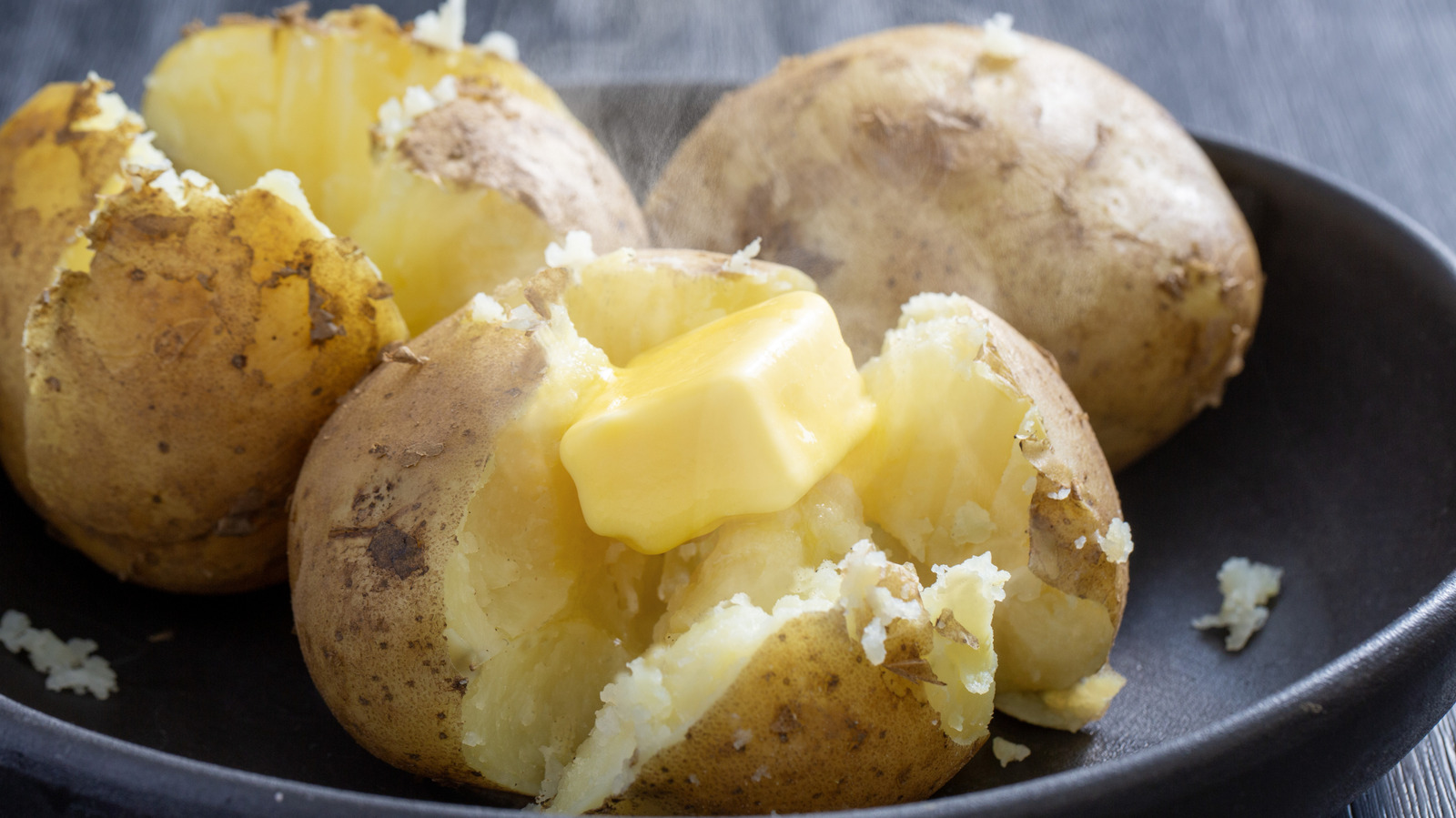
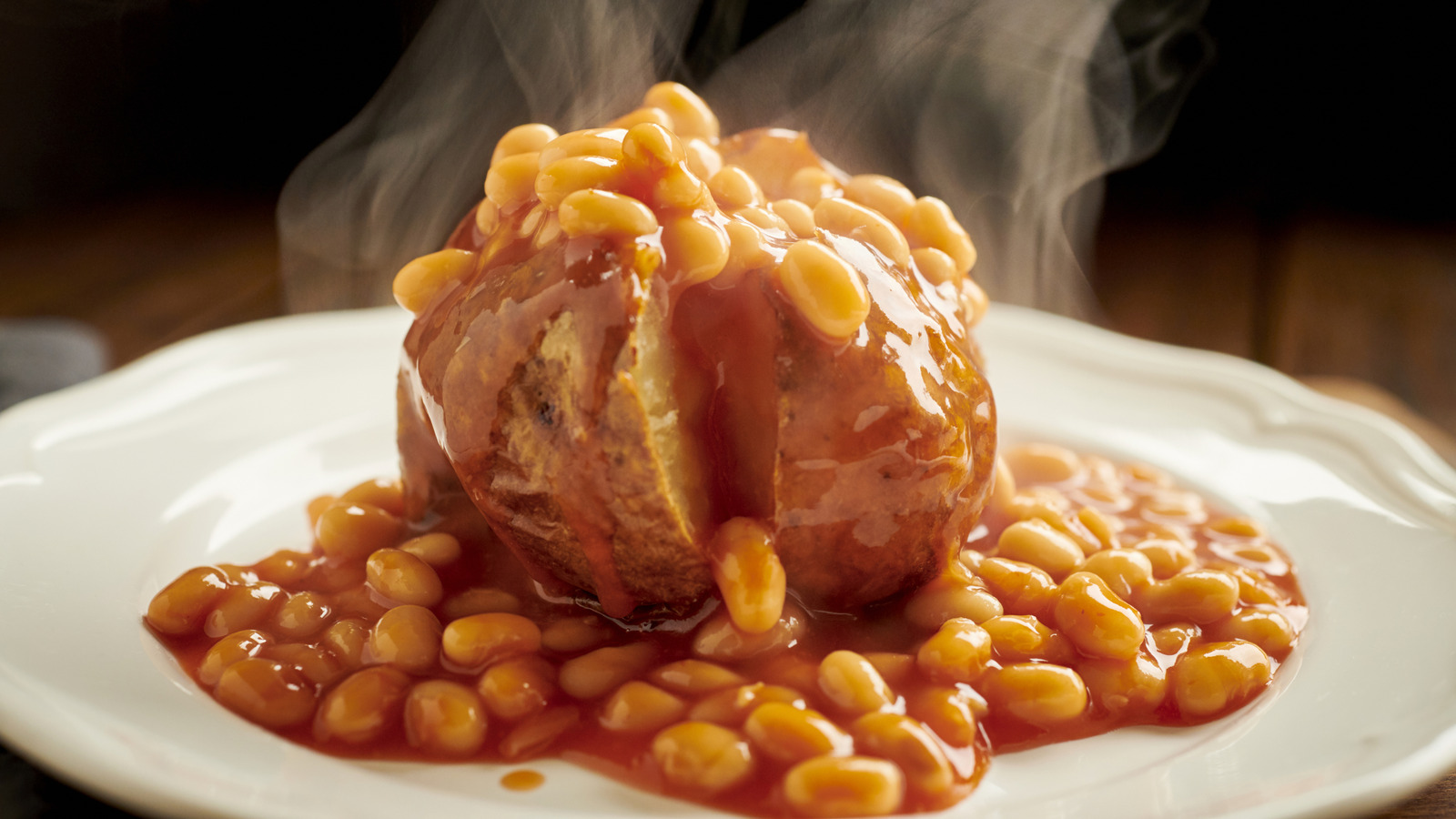
Homity pie is a wartime British vegetable-and-cheese open-faced pie born of rationing, hearty, versatile, revived by vegetarian movements and adaptable to modern ingredients.

fromTasting Table
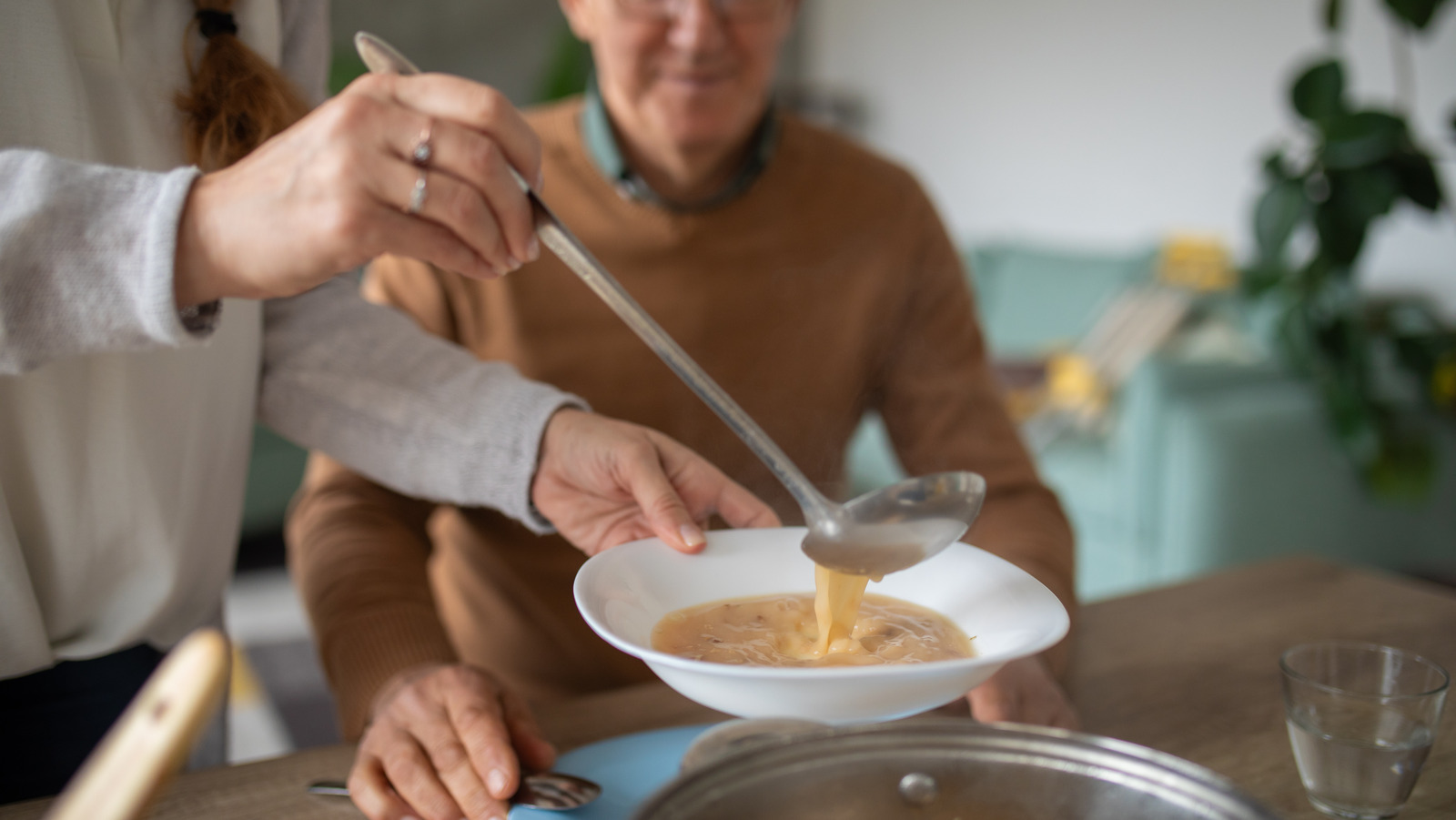
1 month agoWhy Beef Stroganoff Had Such A Hold On Boomers - Tasting Table
Not unlike pot roast, another Boomer generation classic, beef stroganoff transforms an unglamorous combination of stew meat and mushrooms into an elevated, rich, stick-to-your-ribs, Russian culinary institution. In fact, beef stroganoff's old-school, vintage feel was already centuries old by the time it became a Boomer favorite. The dish is named for the eponymous Stroganov family, nobility tracing back to 15th-century Imperial Russia who served as the viceroys of Siberia as contemporaries of the heralded Romanov family ("Anastasia" Broadway musical fans, rise up).
Cooking


fromTasting Table
1 month agoThe Vintage One-Pot Turkey Dinner That Deserves A Major Revival (Make It Tonight!) - Tasting Table
We may receive a commission on purchases made from links. With budget-conscious cooks turning to Depression-era recipes for inspiration and help stretching their grocery dollars further, vintage is what's for dinner tonight. One-pot meals are an excellent way to keep kitchen clutter and dirty dishes to a minimum while yielding a hearty batch of food sure to satisfy even the most picky palates. If you love poultry, cream sauce, and the comfort of a plate of noodles, look no further than the humble turkey tetrazzini.
Cooking
fromBuzzFeed
2 months agoPeople Are Sharing The Most Perfect Recipe They've Ever Tried, And I Just Added All Of These To My Must-Cook List
Maybe you're having trouble thinking of what to cook these days, or perhaps you're just in the market for a new, amazing recipe to add to your rotation. Well, Redditor leachlo asked, "What's a 'never look for another recipe' recipe - the one you consider absolutely perfect?" Here's what people said. Now it's your turn to add your own! What is your 10/10, no notes recipe that you want to shout about from the rooftops? Drop it in the comments or in this anonymous form.
Cooking
fromwww.ocregister.com
2 months agoRecipes: Make these 3 delicious dishes with fresh mushrooms
Don't be intimidated by fresh mushrooms. They are prized for their flavor and versatility. Look for firm mushrooms that are free of soft spots or mold. Wash them just before using them but be sure to store them unwashed. Never submerge in water to wash them because mushrooms absorb like a sponge and become mushy. Wipe with moist paper towels. Some prefer to clean them with a soft-bristled mushroom brush. If extremely dirty, they can be very briefly dunked into cold water and wiped dry.
Cooking
fromTasting Table
1 month agoThis Bread Can Be A Key Ingredient To Make Soup More Filling - Tasting Table
Dunking a crusty piece of bread into soup certainly makes the meal even better, but adding the bread inside as it simmers yields a more velvety product. Given its propensity to disintegrate when cooked in broth, bread is the perfect addition to make soup more filling - this is particularly true of rye bread. The baked good is earthy and thick, adding flavorful and textural depth to soup.
Cooking
[ Load more ]