#wartime-leadership
#wartime-leadership
[ follow ]
#us-foreign-policy #board-of-peace #trump-administration #iran-conflict #constitutional-authority #leadership
fromBusiness Matters
5 days agoFrom Tactical Units to Boardrooms: Frank Elsner's Evolving Career
I've always been interested in structure and teamwork. Growing up, I was very active in sport. I wrestled competitively and was ranked in the province. That taught me discipline and the importance of working together towards a common goal.
Canada news
World politics
fromwww.theguardian.com
5 days agoTrump is flailing in Iran. Every word he says adds to the muddle | Ted Widmer
Kennedy's effective communication contrasts sharply with Trump's divisive rhetoric during wartime, highlighting the importance of presidential words in uniting or dividing nations.
Left-wing politics
fromwww.aljazeera.com
2 weeks agoPresident or Congress? Who in the US has the power to declare war?
Trump launched military strikes against Iran citing self-defense, bypassing Congress, while Democrats challenged his constitutional authority and Republicans blocked a war powers resolution to halt further action.
UK politics
fromwww.theguardian.com
2 weeks agoIn a dangerous world, Britain needs its diplomats more than ever this is no time to axe them | John Kampfner
British diplomacy faces unprecedented challenges from Brexit, Trump's policies, and the absence of a coherent strategy for Britain's global role, undermining traditional sources of influence.
Europe politics
fromLondon Business News | Londonlovesbusiness.com
2 weeks agoTrump is dominating the war conversation, this should concern us all - London Business News | Londonlovesbusiness.com
Trump's policies on Ukraine military aid and Russia sanctions create uncertainty and undermine European security, shifting global conversation away from Russia's invasion toward concerns about US leadership.
#us-uk-relations
UK politics
fromwww.independent.co.uk
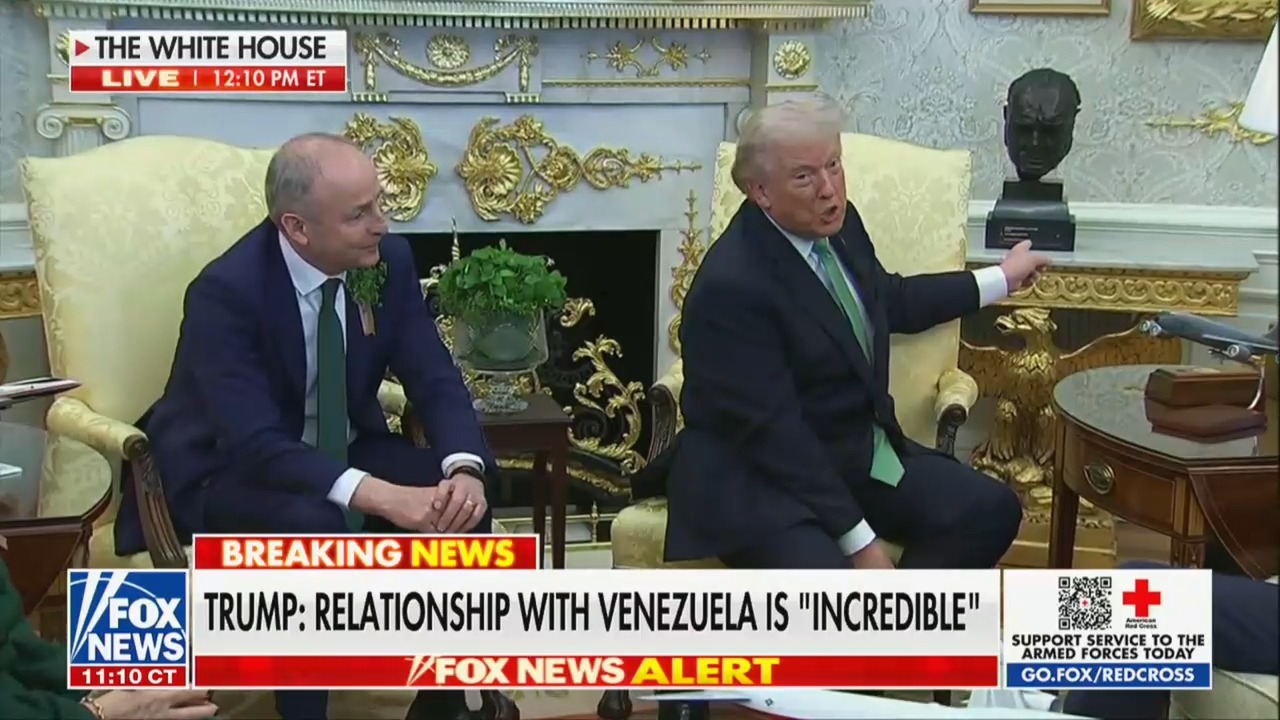
1 month agoTrump says Keir Starmer is no Winston Churchill'. Here's what he meant
Donald Trump criticized the UK government's initial reluctance to allow US military bases for strikes on Iran and insulted Prime Minister Keir Starmer by comparing him unfavorably to Winston Churchill.
fromwww.mediaite.com
1 month agoUK politics
Trump Lashes Out at Key Ally Great Britain for Blocking Use of Airbases for Iran Strikes
Trump criticized British Prime Minister Starmer for delaying approval of U.S. military base use for strikes against Iran and for the proposed Chagos Islands sovereignty transfer to Mauritius.
US Elections
fromwww.mediaite.com
2 weeks agoTrump Breaks Out Churchill Bust to Bash Keir Starmer: Unfortunately, Keir Is Not Winston Churchill'
Trump criticized UK Prime Minister Starmer for insufficient military support in the Iran conflict, comparing him unfavorably to Winston Churchill and suggesting the US-UK relationship has deteriorated under his leadership.
UK politics
fromwww.independent.co.uk
1 month agoTrump says Keir Starmer is no Winston Churchill'. Here's what he meant
Donald Trump criticized the UK government's initial reluctance to allow US military bases for strikes on Iran and insulted Prime Minister Keir Starmer by comparing him unfavorably to Winston Churchill.

Russo-Ukrainian War
fromLondon Business News | Londonlovesbusiness.com
3 weeks agoOpinion: How did a regional conflict became a world war and who can we trust? - London Business News | Londonlovesbusiness.com
The Ukraine war has evolved from a regional conflict into a global geopolitical struggle involving multiple nations and alliances, with the Trump administration shifting U.S. policy toward pressuring Ukraine for negotiations while showing less pressure on Russia.
Right-wing politics
fromThe American Conservative
3 weeks agoIs It Still the Department of 'War' or Not?
The Trump administration renamed the Department of Defense to Department of War and subsequently engaged in military conflict with Iran while Republican Congress members avoided formally acknowledging it as war.
fromThe Atlantic
3 weeks agoJust Don't Say the W-Word
Four days into this situation in the skies over Tehran, Speaker of the House Mike Johnson said, 'We're not at war right now.' This was, rather, a 'very specific, clear mission-an operation.' Operation does seem to be the preferred word in government talking points, even as it encompasses assassinating an ayatollah, torpedoing an Iranian naval ship, blowing up fuel depots and a desalination plant, and losing the lives of (so far) eight American service members along the way.
US politics
Miscellaneous
fromPsychology Today
1 month agoWar as a Psychological State
Authoritarian and narcissistic leaders share a fragile ego unable to tolerate challenge, causing them to experience political opposition as personal threat and deploy military as an extension of their distorted ego rather than as a policy tool.
UK politics
fromwww.independent.co.uk
1 month agoHow Winston Churchill would have dealt with Iran War after Trump's Starmer comments
Churchill's approach to international conflict combined hawkish rhetoric with strategic caution and prioritized Anglo-American unity, contrasting with simplistic interpretations of his willingness for confrontation.
US politics
fromSlate Magazine
3 weeks agoThis Presidential Pitfall Ensnared Wilson, Bush, and Biden. Now Trump's Falling Into It Too.
Trump's extensive focus on foreign policy—including wars, summits, and military operations—mirrors a historically costly pattern where American presidents neglect domestic economic concerns that voters prioritize.
fromwww.theguardian.com
2 weeks agoUK not obliged to support every demand of transactional' US president, minister says
It's a very transactional presidency, and our job is to navigate this, to always remember that the friendship between the United States and the United Kingdom runs very deep. It's a good relationship. It's enduring, and I think it will outlast all the personalities involved.
World politics
US politics
fromwww.mediaite.com
1 month agoTop Trump Pentagon Official Says He's Not The Right Person' to Ask If the US Is At War
The Trump administration uses inconsistent terminology regarding military action against Iran, with officials avoiding formal war declarations while the president and Defense Secretary describe operations as war.
from24/7 Wall St.
1 month agoThe Most Powerful Battleships, Aircraft Carriers, and Submarines of World War II
WWII began with most naval powers still believing the battleship ruled the seas. Fleets were built around heavily armored ships with massive guns meant to destroy enemy navies in decisive surface battles. By the war's end, that thinking had changed dramatically. Aircraft carriers could strike targets hundreds of miles away, while submarines choked off supply lines across entire oceans.
History

fromMail Online
3 weeks agoHistorian reveals the three signs that a world war has already begun
Anthony Glees, Emeritus Professor at the University of Buckingham, called the US and Israeli decision to attack Iran a 'war of choice' and the first red flag which previously led to the last two world wars. He claimed that the conflict in the Middle East did not start out of necessity or self-defense, but as a deliberate decision by two leaders focused on gaining power and keeping it.
World politics
UK politics
fromwww.theguardian.com
1 month agoHe's no Winston Churchill': why Starmer can shrug off Trump's insults over Iran
Prime Minister Starmer demonstrates confidence in UK-US relations despite Trump's criticism, emphasizing operational military cooperation and intelligence sharing as the substance of the special relationship rather than responding to Trump's fluctuating public statements.
World politics
fromInside Higher Ed | Higher Education News, Events and Jobs
1 month agoA Pop Quiz for Students: When Is a War Not a War?
The U.S. administration avoids calling military operations a war despite global leaders and media using that terminology, raising questions about definitional inconsistency and political convenience.
fromFortune
1 month agoThe President is surprised by the lack of European support for military action against Iran-he shouldn't be | Fortune
In 2003, Blair said there was no option but to stand "shoulder to shoulder" with the U.S. Many in Europe agreed-in 2000, 82% of Britons and 62% of the French were "favorable" towards the US. The Western global agreement was strong, politically and economically. America had secured western Europe after the Second World War and there was much to be grateful for.
World politics
World politics
fromLondon Business News | Londonlovesbusiness.com
1 month agoFormer NATO commander fears the world is living through the outbreak of WWIII - London Business News | Londonlovesbusiness.com
Former NATO deputy commander warns current geopolitics represents the most perilous moment in his lifetime, with escalating Middle East tensions risking uncontrolled conflict involving nuclear-armed powers.
fromThe Atlantic
1 month agoThe Undiplomatic Diplomats
American diplomats are supposed to represent the nation, advocate for the interests and policies of the U.S. government, and stay on generally good terms with the country to which they're assigned. Even when they are sent to places that have an adversarial relationship with the United States, they are expected to maintain decorum while conveying messages these regimes may not want to hear.
US politics
fromwww.theguardian.com
1 month agoThe world order we're leaving behind may be replaced by no order at all
The Canadian prime minister, Mark Carney, inspired a wave of enthusiastic nodding among the cosmopolitan crowd gathered in Davos last month when he took to the podium and proclaimed that the world order underwritten by the United States, which prevailed in the west throughout the postwar era, was over. The organizing principle that emerged from the ashes of the second world war, that interdependence would promote world peace by knitting nations' interests together in a drive for common security and prosperity, no longer works.
World news
fromThe Local France
2 months agoPODCAST: Is it time for France to channel De Gaulle and stand up to the US?
Host Ben McPartland is joined by The Local France's Emma Pearson, John Lichfield, and Emma Albright. We look at what's made the news in France this week - from Le Pen's appeal, a controversial price hike for museums for visitors from outside the EU, and the latest on those farmer protests. You can find the Talking France podcast on Spotify or Apple, download here or listen on the link below.
France news
History
fromSmithsonian Magazine
1 month agoOne Was a Teenage Diplomat. Another Was a Nuclear Engineer. Here's How Eight Presidents Made Their Mark Outside of the White House
Several 19th- and 20th-century U.S. presidents achieved notable intellectual, academic, and technical accomplishments beyond politics, including inventions, mathematical proofs, languages, and diverse professional backgrounds.

fromThe American Conservative
2 months agoCommander-in-Tired
Though the 83-year-old (who will turn 84 in two weeks) is rarely spotted in the Capitol these days, his vocal opposition to President Donald Trump on a myriad of issues is louder and more present than ever when deemed useful for the motivated liberal press. For instance, McConnell was quoted far and wide last month after he criticized Trump's desire to acquire Greenland, a move the Kentuckian suggested would "incinerate" the threadbare alliance that remains between the United States and NATO.
Right-wing politics
UK politics
fromLondon Business News | Londonlovesbusiness.com
1 month agoMilitary leaders warn Starmer the UK is 'unprepared' and is facing its '1936 moment' - London Business News | Londonlovesbusiness.com
Britain's armed forces are currently unprepared for major conflict and require an urgent doubling of defence spending to five per cent of GDP to restore readiness.

fromPsychology Today
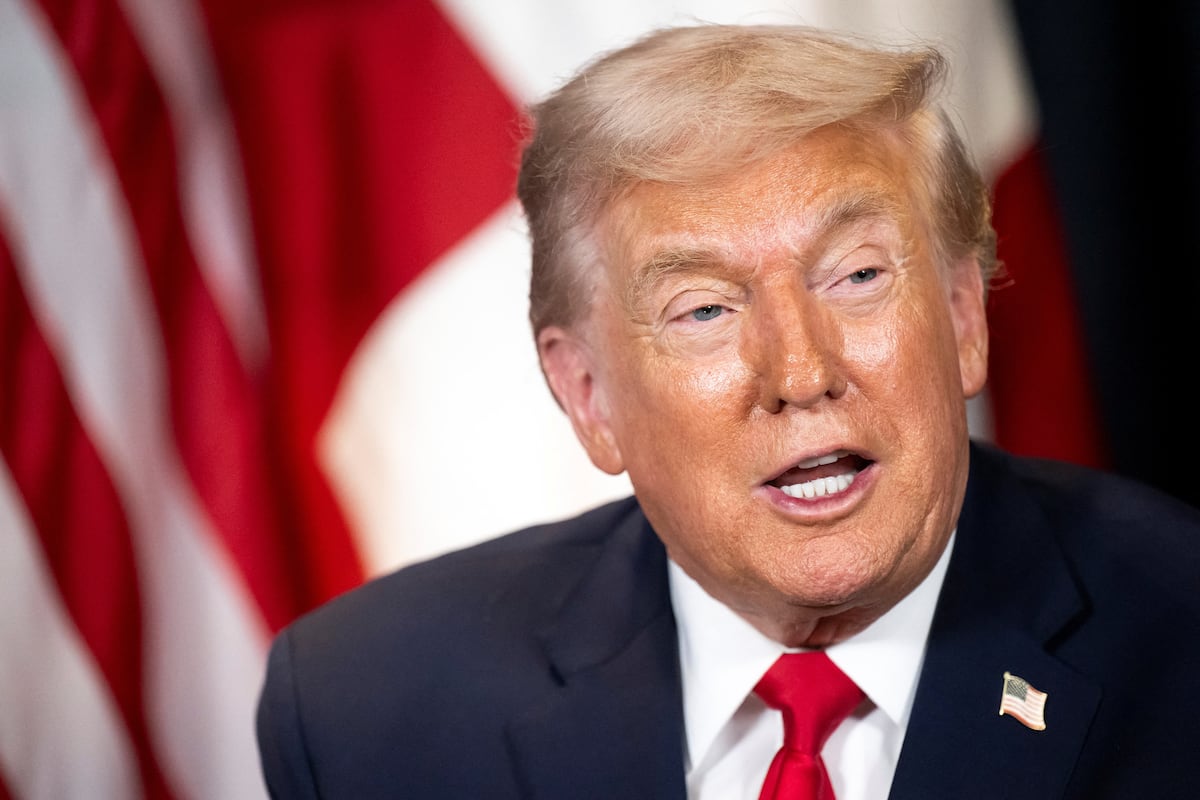
1 month agoPresidential Words for Presidents Day
From George Washington's first presidential "administration" to Donald Trump's promises to cut taxes "bigly," U.S. presidents have played a big role in shaping the direction of the country, including the words we use to talk about everything from national politics to everyday objects and actions.
US politics
fromwww.aljazeera.com
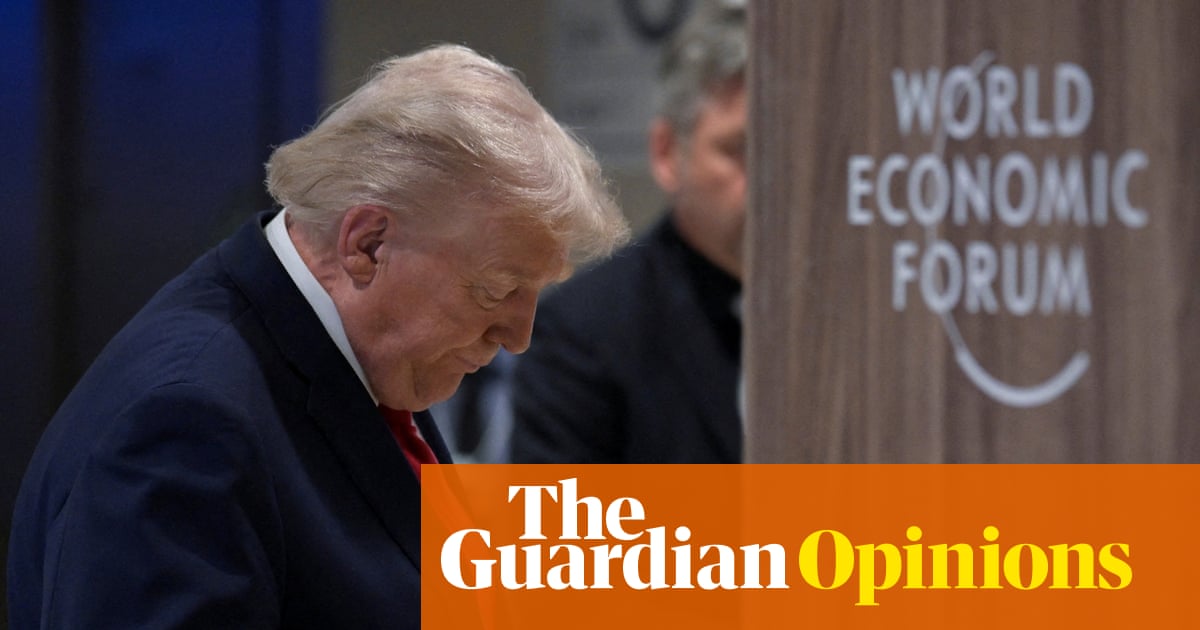
2 months agoWhy is the US quitting international organisations?
There are more signs that the United States is disengaging from the global order established after World War II. President Donald Trump has ordered his administration to pull out of more than 60 agencies, half of them part of the United Nations. Trump argues that being a member of these organisations is contrary to his country's interests. The secretary of state went as far as saying they're useless or wasteful.
World news

World politics
fromwww.theguardian.com
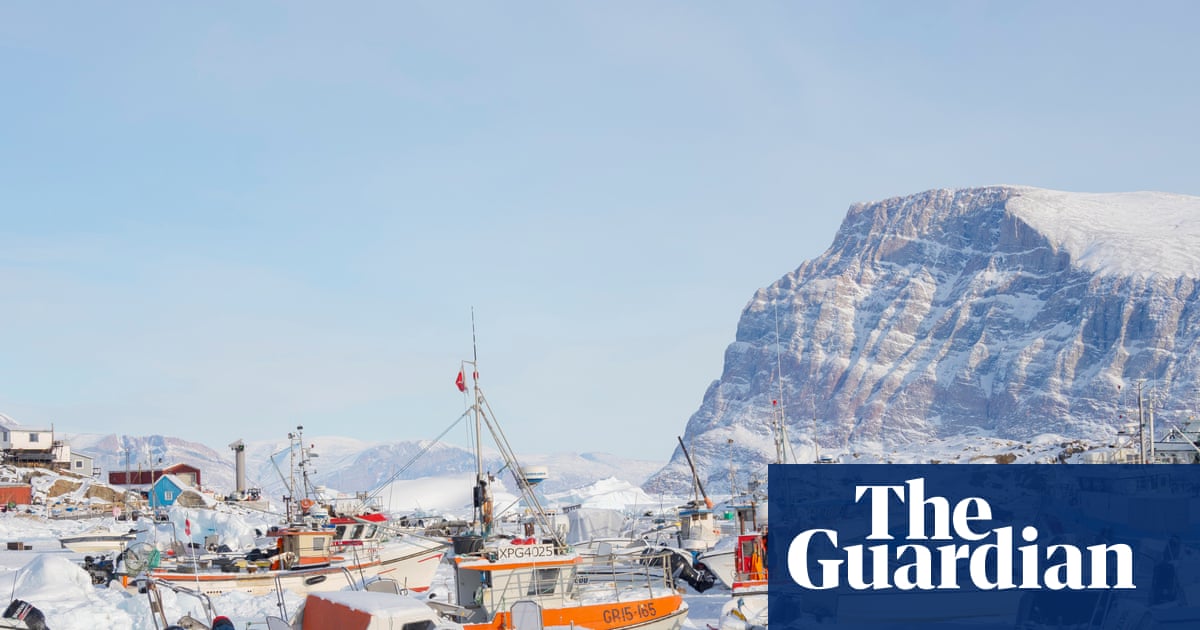
2 months agoAs Trump menaces Greenland, this much is clear: the free world needs a new plan and inspired leadership | Gordon Brown
Trump's plan to seize Greenland and threaten tariffs signals abandonment of US commitment to international law, risking collapse of the liberal rules-based global order.
World politics
fromFortune
2 months agoTrump's erratic, chaotic shifts in strategy follow a long tradition. Here's what to know about the 'Madman Theory' of politics | Fortune
Madman diplomacy relied on information scarcity, stable adversaries, and credibility through restraint; those conditions no longer exist, reducing its effectiveness today.
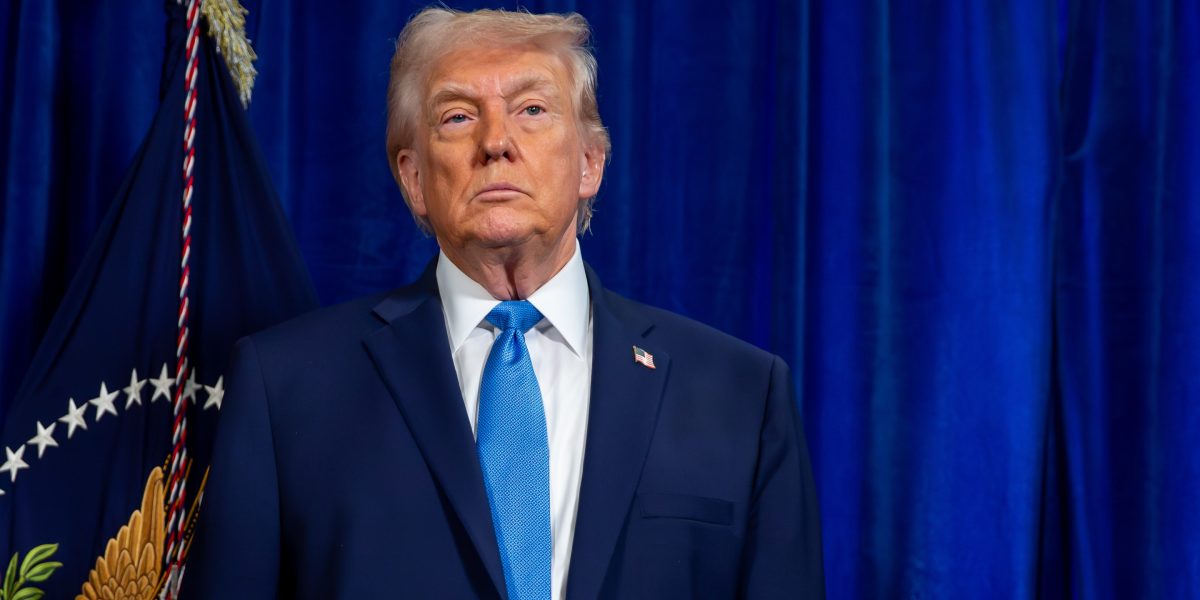

fromwww.npr.org
2 months agoWhat Teddy Roosevelt has to do with Trump's moves in Venezuela and Greenland
Until recently, the terms were relegated mostly to the pages of dusty history books. But President Trump is leaning heavily on his own understanding of these concepts to justify his attack on Venezuela, his bullying tactics aimed at acquiring Greenland and his latest threats to strike Iran. At a news conference this month, Trump said U.S. troops captured Venezuelan President Nicolas Maduro
US politics
[ Load more ]