#weapons-and-armor-upgrades
#weapons-and-armor-upgrades
[ follow ]
#military-technology #drones #iran #ukraine #drone-warfare #cybersecurity #us-military #laser-weapons
from24/7 Wall St.
12 hours agoIran Wars Fuels RTX Growth Story as Defense Demand Rockets Higher
CEO Chris Calio emphasized the urgency of delivering critical products for national security, stating, 'We understand that our products are critical to national security. And I can tell you across the organization, we absolutely feel the responsibility and urgency to deliver more and to deliver it faster.'
Business




#drone-warfare


World news
fromIntelligencer
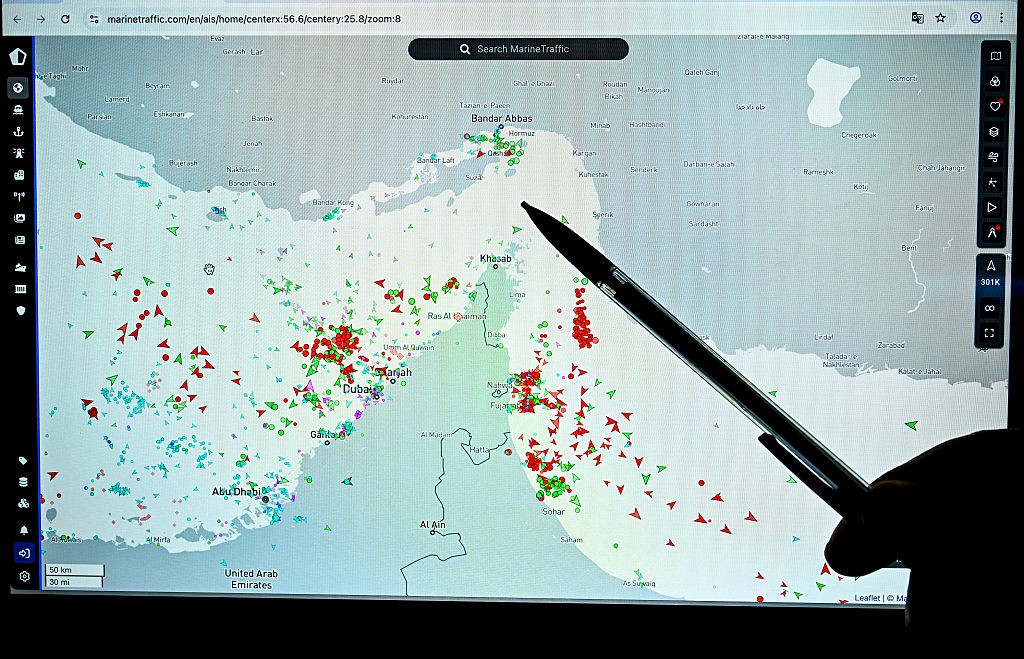
1 month agoThe Future of War Is Drones Bombing Data Centers
Iranian drone strikes on data centers in the UAE and Bahrain demonstrate a new warfare strategy targeting critical digital infrastructure, causing cascading internet outages across multiple regions and affecting major global companies.
fromwww.businessinsider.com
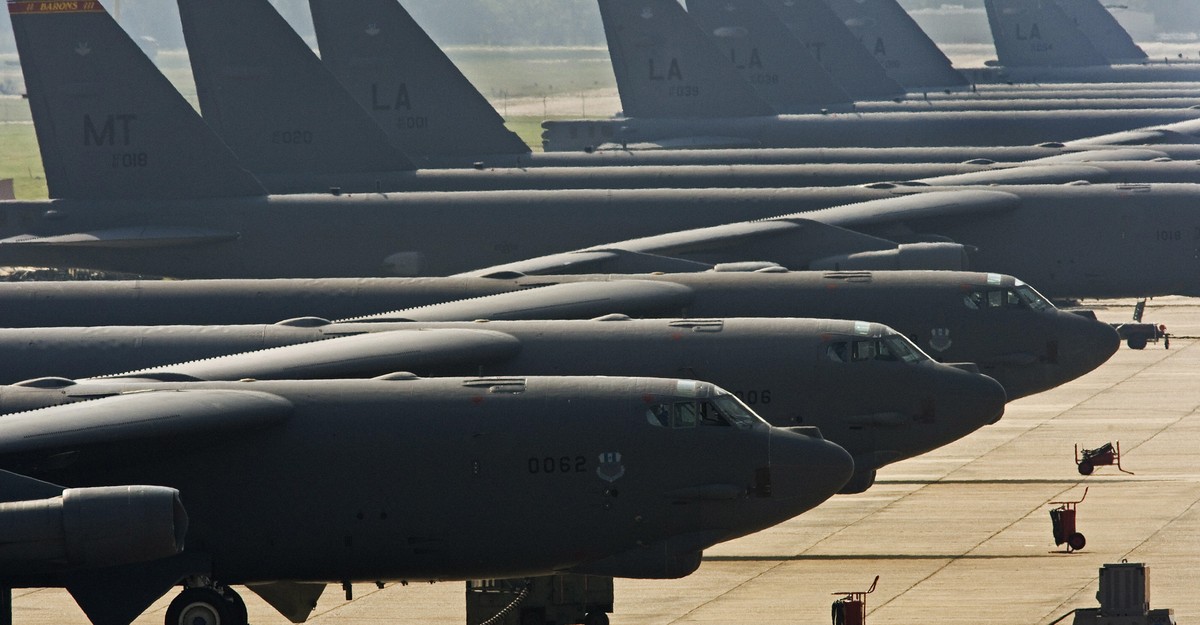
2 days agoThe US is burning through expensive missiles. DARPA is looking for cheaper ones that can be built in days, not months.
"To accelerate current weapons development timelines, DARPA is considering an alternative development paradigm to increase the nation's magazine depth and breadth."
World news

Russo-Ukrainian War
fromwww.businessinsider.com
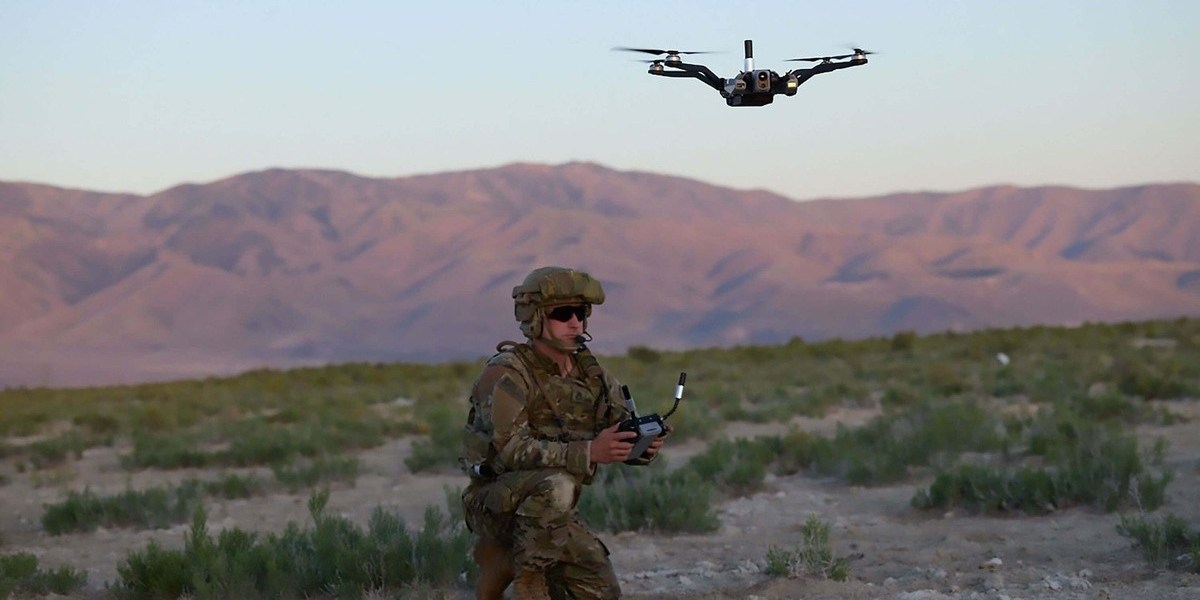
3 days agoShahed-killing interceptor drones may look simple, but building them to keep up with the threat isn't easy
Interceptor drones are complex systems essential for countering cheap drone attacks, with Ukraine producing them at scale to meet rising global demand.
European startups
fromwww.businessinsider.com
1 week agoThe US military is pushing up production for the weapons that could matter most in a major war
The Department of Defense is increasing production of critical weapons, including THAAD interceptors, to meet rising demand and address stockpile concerns.
Russo-Ukrainian War
fromwww.businessinsider.com
4 days agoUkrainian troops showed 'greater tactical imagination' than Western trainers, British officer says, pointing to their ambush tactics
Ukrainian soldiers demonstrate greater tactical creativity and flexibility compared to their Western trainers, particularly in ambush tactics.
Information security
fromSecuritymagazine
5 days agoThe Rising Tide of Executive Protection: Corporations Ramp Up Security in an Era of Heightened Threats
Companies are increasingly investing in executive protection due to rising threats, making it a strategic necessity for business continuity and resilience.
#f-15e
World news
fromLondon Business News | Londonlovesbusiness.com
2 days agoFootage shows US fighter jet being shot down as Iran 'put bounty on pilots' - London Business News | Londonlovesbusiness.com
The search for a downed F-15E Strike Eagle intensifies in Iran amid escalating tensions between American and Iranian forces.
World news
fromLondon Business News | Londonlovesbusiness.com
2 days agoPentagon confirms fighter jet shot down over Iran as rescue mission underway - London Business News | Londonlovesbusiness.com
An F-15E Strike Eagle was shot down over Iran, initiating a combat search and rescue operation for its two crew members.
History
from24/7 Wall St.
3 weeks ago25 Weapons That Changed Warfare Over the Last Century
Technological breakthroughs over the last century transformed warfare by introducing tanks, missiles, stealth aircraft, and precision-guided weapons that forced armies to continuously adapt tactics and reshape military doctrine globally.
Miami Marlins
fromBusiness Insider
3 weeks agoUS Navy destroyers are firing top interceptors to bring down Iranian missiles flying into NATO airspace
US Navy destroyers in the Eastern Mediterranean have used SM-3 interceptors three times in two weeks to defend NATO airspace against Iranian ballistic missiles.

fromThe Cipher Brief
3 weeks agoThe Future of War Is Now: What Washington Needs to Hear from the Battlefield
I have been working in Ukraine since 2019, first as an active Green Beret advising in an official capacity, then after leaving that service, directing special operations on the ground and more recently carrying hard-won lessons back to NATO before they are forgotten or overtaken by the next news cycle.
Washington DC
Intellectual property law
fromwww.theguardian.com
4 weeks agoWhat does the US military's feud with Anthropic mean for AI used in war?
Anthropic's refusal to allow Claude AI for domestic mass surveillance and autonomous weapons has triggered a Pentagon supply chain risk designation, highlighting tensions between tech company safety values and military demands.


Artificial intelligence
fromSilicon Canals
2 weeks agoAI companies are hiring chemical weapons experts for safety - while embedded in military systems - Silicon Canals
AI companies hire weapons experts to prevent misuse of AI systems, creating structural contradictions between safety principles and commercial deployment in military operations.
fromBusiness Insider
1 month agoThere's a new US Army office 'getting in the dirt' with soldiers and trying to quickly turn their ideas into real battlefield tech
Number one is speed takes priority over perfection. We can iterate to get to operational capability. And the second is that early soldier feedback is critical in order to make sure we're getting the right technology for the future fight, and then we want to be able to prove the demand signal before we spend big dollars on programs.
US news
US politics
fromNextgov.com
1 month agoIt would take the Pentagon months to replace Anthropic's AI tools: sources
The Pentagon threatens to blacklist Anthropic's Claude AI if the company refuses to remove restrictions on mass surveillance and autonomous weapons use, potentially delaying military access to advanced AI tools for months.

Information security
fromThe Cipher Brief
3 weeks agoThe Drone War's Real Problem Isn't Technology - It's Speed
Defense acquisition reforms implement recommended changes but fail to address the fundamental cycle-time gap between rapidly evolving adversary capabilities and the military's ability to deploy countermeasures.
fromBusiness Insider
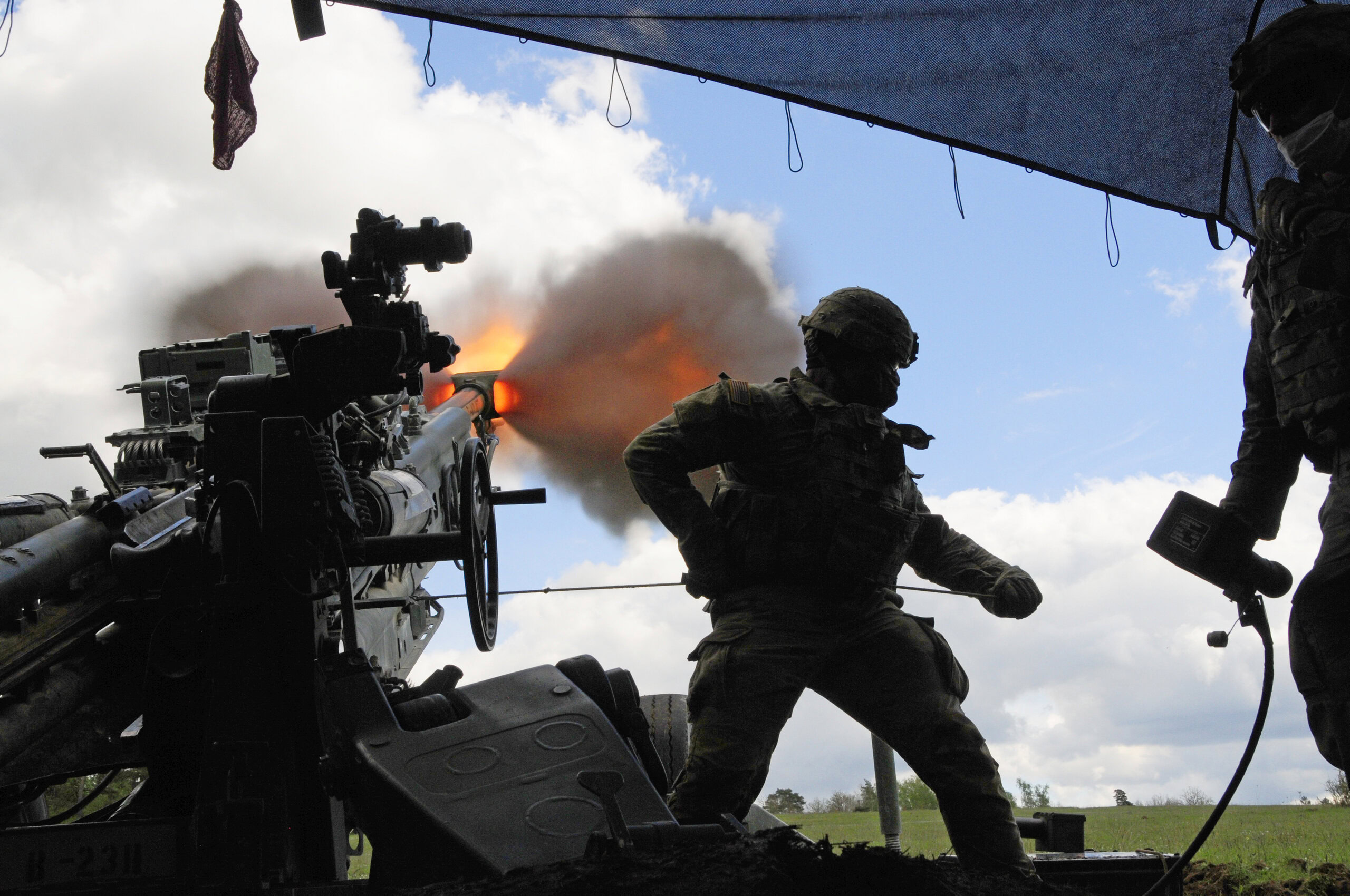
2 months agoArms makers say that the fast-moving war in Ukraine is changing how they design and upgrade weapons
With the fight evolving quickly, arms companies in Ukraine and Europe say that they can't afford to start from scratch and completely redesign entire systems each time conditions shift. Instead, companies making aerial drones and ground robots told Business Insider that their focus is now on creating weapons that can be upgraded by simply changing parts or software rather than overhauling the whole system. Designs are modular, like Lego pieces, with parts being easily swapped out as new mission demands arise.
Miscellaneous
US politics
fromNextgov.com
2 months agoThe revolutionary new weapon in the Pentagon's pocket - and why it matters now more than ever
Transforming Pentagon acquisition processes to remove administrative burdens will enable U.S. companies to deliver cutting-edge military capabilities faster, producing a decisive battlefield advantage.
fromBusiness Insider
1 month agoThe US Army jammed its new command-and-control tech to see if electronic warfare would break it
Much like the war in Ukraine, future battlefields could be drowning in electronic interference, so the US Army stress-tested new command-and-control tech against that threat. The need to maintain connections between command and deployed weapons and crews, or reestablish those links when they're lost, is shaping how soldiers train on the service's Next Generation Command and Control, a new software-driven system that's being developed for the Army.
US news
from24/7 Wall St.
2 months agoHow Precision Sniper Technology Reduced the Need for Massed Infantry
Infantry once relied on numbers to solve uncertainty. When soldiers could not see or hit targets precisely, the answer was more troops and more fire. Sniper technologies quietly overturned that logic. By extending range, improving accuracy, and increasing awareness, they allowed small teams to dominate space once controlled only by massed formations. Precision replaced presence, and patience became a battlefield advantage. Here, 24/7 Wall St. is taking a look at the sniper technologies that totally changed the game.
Science
fromNextgov.com
2 months agoDOD's AI acceleration strategy
According to the Secretary of Defense Pete Hegseth's memorandum on the Strategy, this AI-first status is to be achieved through four broad aims: Incentivizing internal DOD experimentation with AI models. Identifying and eliminating bureaucratic obstacles in the way of model integration. Focusing the U.S.'s military investment to shore up the U.S.'s "asymmetric advantages" in areas including AI computing, model innovation, entrepreneurial dynamism, capital markets, and operational data.
Artificial intelligence
from24/7 Wall St.
2 months agoWeapons That Performed Well Except For Desert, Jungle, or Arctic Conditions
On paper, many of the world's most famous weapons looked like reliable successes. In practice, desert sand, jungle humidity, and arctic cold often had other ideas. Systems that performed well in testing or early combat sometimes broke down once environmental stress became unavoidable. Here, 24/7 Wall St. is taking a closer look at how the environment, not enemy fire, can quietly expose limits that designers never fully anticipated.
World news
[ Load more ]