#whats-going-on
#whats-going-on
[ follow ]
#iran #iran-war #oil-prices #middle-east-conflict #energy-crisis #strait-of-hormuz #global-economy #middle-east
fromThe Atlantic
1 day agoHow Some People Became So Averse to Hype
Anna Holmes defines 'hype aversion' as a reflex against being told what to like, suggesting that popularity can create pressure rather than signal quality. This feeling can lead to a deliberate choice to resist mainstream culture.
Media industry
fromThe New Yorker
1 day agoHow Donald Trump's War on Iran Helps Vladimir Putin's War on Ukraine
In 2021, when Olga Rudenko and other journalists launched the Kyiv Independent, they were committed to making a publication that wouldn't face political pressure from an owner. A few months later, Russia launched a full-scale invasion of Ukraine, and the Independent began reporting breaking news from the front lines.
Russo-Ukrainian War
#donald-trump
World politics
fromwww.theguardian.com
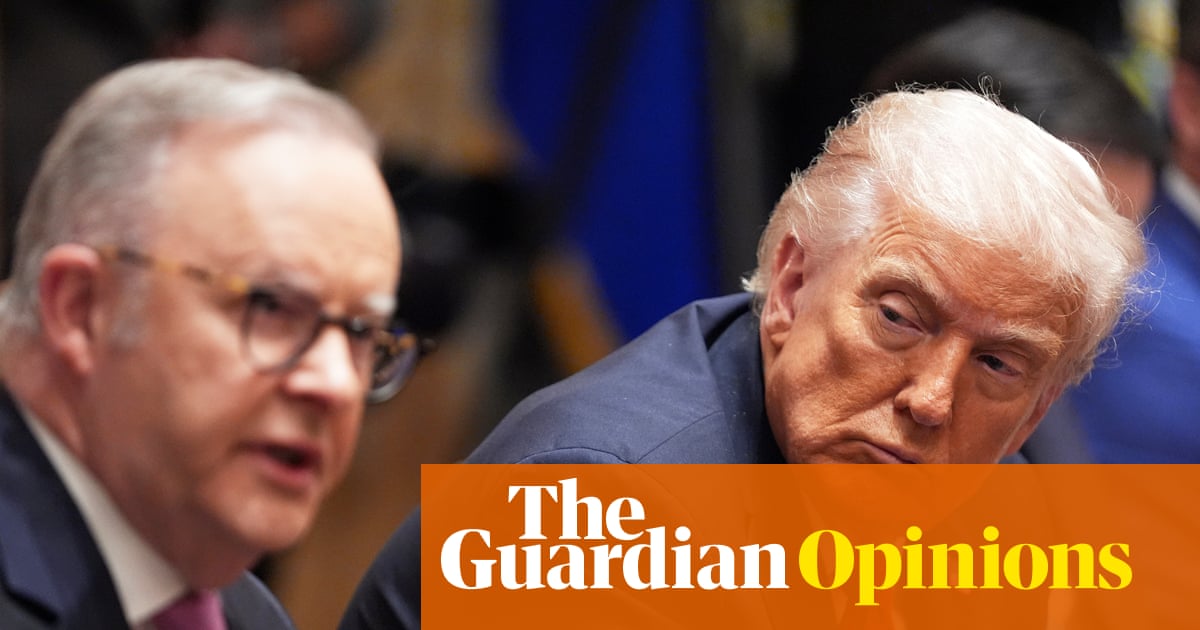
6 days agoTrump is impotently railing against the US's allies. Albanese is right to avoid the president's global catastrophe | Allan Behm
Donald Trump's behavior and threats towards NATO allies reflect his frustration and lack of effective options in the ongoing geopolitical crisis.




fromDigiday
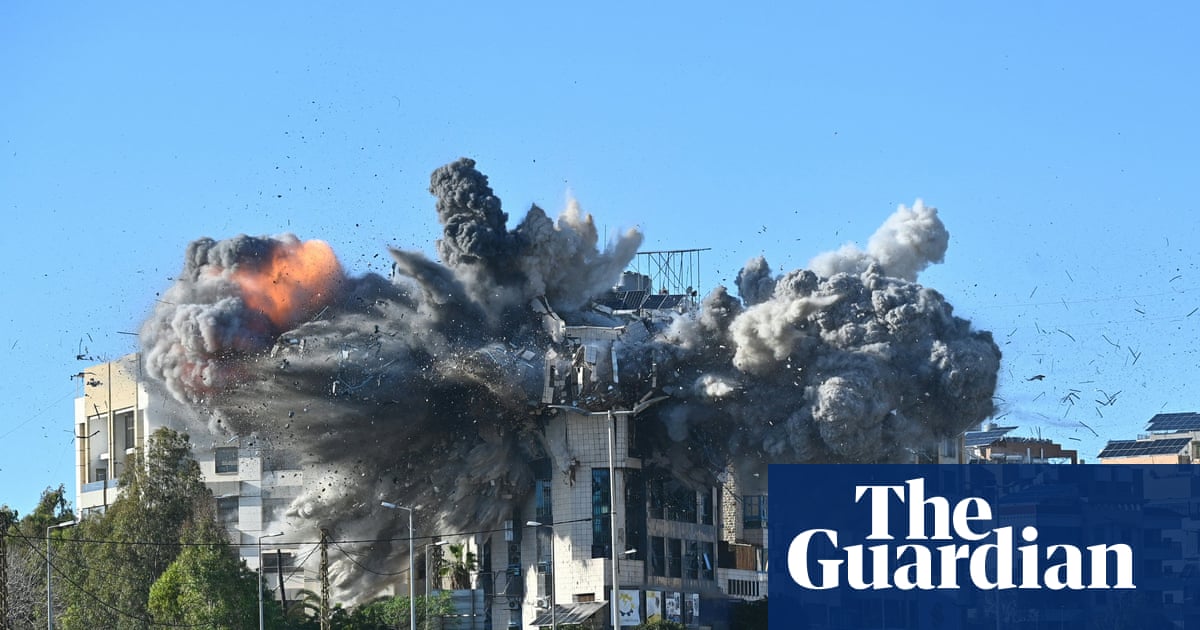
4 days ago'Predictability has become a luxury': As the Iran war drags on, ad markets are starting to sweat
BlackRock CEO Larry Fink said high oil prices for a sustained period would trigger a 'steep and stark recession' - one that could wipe out nearly $50 billion in ad spend this year and another $44 billion the next.
Marketing
fromThe Cipher Brief
3 days agoTaking a Stand on Adversaries' Influence in the Western Hemisphere
The January 3rd Operation Absolute Resolve ousted Venezuelan Dictator Nicholas Maduro, marking a significant shift in US policy towards countering adversarial influence in the western hemisphere.
World politics
fromElectronic Frontier Foundation
1 week agoDigital Hopes, Real Power: From Revolution to Regulation
66% of internet users live where political or social sites are blocked, and 78% are in countries where people have been arrested for online posts. New social media regulations have emerged in dozens of countries in the past year alone.
World politics
Business
fromHarvard Business Review
1 month agoRethinking Strategy in a Hyperpolitical World
Corporate decisions face intense public scrutiny for political implications, resulting in boycotts, revenue loss, reputational damage, and executive terminations, yet political engagement remains unavoidable for businesses.
fromMail Online
3 weeks agoHistorian reveals the three signs that a world war has already begun
Anthony Glees, Emeritus Professor at the University of Buckingham, called the US and Israeli decision to attack Iran a 'war of choice' and the first red flag which previously led to the last two world wars. He claimed that the conflict in the Middle East did not start out of necessity or self-defense, but as a deliberate decision by two leaders focused on gaining power and keeping it.
World politics
fromemptywheel
2 months agoTime to Unplug the American Century and Restart the Machine - emptywheel
Three of the four things that gave Trump a foothold, in my opinion, were failures in this century (the fourth is the legacy of slavery and the organized political violence that replaced it). The other three, though, are the War on Terror, the financial crisis, and social media. (COVID was the final catalyst, I think; having moved during the height of COVID, I can't express how much worse the US dealt with it than much of the EU.)
World news
fromPrx
2 months agoThe World
As bitter cold descends on Ukraine, so has a fresh barrage of Russian drone and missile strikes. Recent attacks on transformer substations and power plants have plunged Kyiv into its worst wartime heating and power outage. Also, as opposition leader and Nobel Peace Prize winner María Corina Machado meets US President Donald Trump in Washington, Venezuelans are watching with a mix of hope and unease.
World news
fromPrx
2 months agoThe World
Militias are patrolling the streets of Venezuela and independent journalists have been detained. It's all part of a crackdown signaling the country's authoritarian leaders are not relinquishing power, despite the capture of President Nicolás Maduro. Also, a garbage workers' strike in the UK has led to tens of thousands of tons of rubbish piling up in the streets, attracting vermin.
World news
fromLondon Business News | Londonlovesbusiness.com
2 months agoExperts warn the world is at its closest of Armageddon today then ever before
"Humanity has not made sufficient progress on the existential risks that endanger us all," said Alexandra Bell, president and CEO of the Bulletin of the Atomic Scientists. "The Doomsday Clock is a tool for communicating how close we are to destroying the world with technologies of our own making. "The risks we face from nuclear weapons, climate change and disruptive technologies are all growing. Every second counts and we are running out of time. It is a hard truth, but this is our reality."
World news
fromThe Globe and Mail
2 months agoBusiness Brief: Heralding the age of Western decline
U.S. President Donald Trump, with his lust for Greenland and hectoring of Europe, thinks the world is at his mercy,and thatthe U.S. is invincible. He's right on the first point. But he discovered this week that he's wrong about the second one. In Davos at the World Economic Forum, Trump climbed down on his Greenland threats after his actions caused chaos in the markets.
World news
[ Load more ]