#windrush-era-immigration
#windrush-era-immigration
[ follow ]
fromwww.theguardian.com
8 hours agoI see it as trafficking': the brutal reality of life as a foreign student in the UK
Sam, a 24-year-old from Odisha, sought to study abroad for better job prospects. After filling out forms, he received calls from education agents offering free services to help with university applications.
Higher education
London politics
fromLondon Business News | Londonlovesbusiness.com
1 week agoLondoners are most likely to emigrate as the UK exodus trends emerge - London Business News | Londonlovesbusiness.com
Londoners show the highest intention to emigrate in England, driven by cost of living and economic concerns.
#immigration



UK news
fromLondon Business News | Londonlovesbusiness.com
1 month agoTaxpayers have been taken advantage off yet again by immigrants and the government - London Business News | Londonlovesbusiness.com
Hundreds of migrants will receive compensation after authorities unlawfully seized phones, disrupting contact, legal access, and everyday life.
UK politics
fromwww.theguardian.com
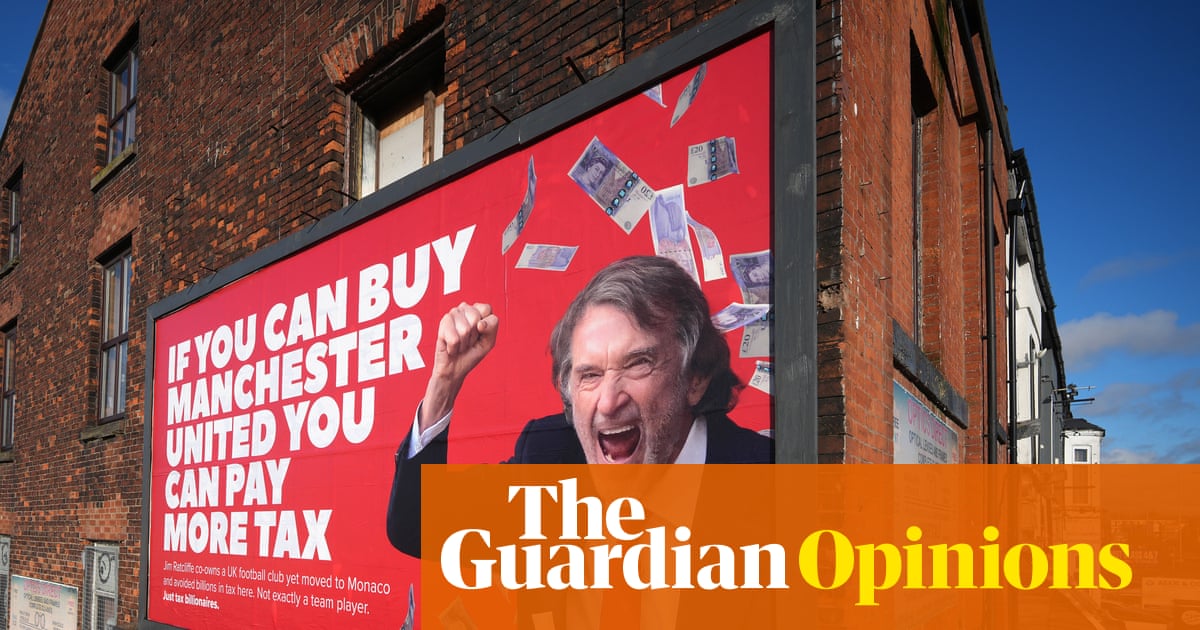
1 month agoForget Jim Ratcliffe's half-apology: to speak of immigrants colonising' Britain is wrong and sinister | Sunder Katwala
Descriptions of Britain as 'colonised' by immigrants are inflammatory and overlook historical empire, postwar migration, and a post-2020 shift toward more ethnically diverse, non-EU immigration.

London politics
fromIndependent
1 week agoAn Irish Goodbye... from London: 'I feel completely settled here but I wish I could transport the Irish warmth of personality into the city'
Shayne Brady, an interior designer from Naas, moved to London in 2007 seeking new opportunities despite having no job or money.
Education
fromwww.independent.co.uk
3 weeks agoFamilies living in fear of racial harassment amid provocative nationalism' in UK
School leaders warn that political rhetoric on immigration and social media divisiveness are fueling racial harassment and violence against students and teachers in UK schools.
London music
fromwww.theguardian.com
3 weeks agoMy cultural awakening: a 60s folk band helped me find my place as a person of colour in Britain
A transformative concert experience at age 15 introduced folk music as a gateway to understanding British cultural heritage and personal identity during adolescent self-discovery.
fromwww.theguardian.com
2 weeks agoBritish-Iranians in UK report safety concerns to authorities amid Iran war
There are people that have lived here for 40-plus years and there's never been any issues, and it's just all of a sudden we keep hearing every day about incidents involved with these pro-monarchists and their intimidation, Naghmeh Rajabi, a British-Iranian activist, said.
London politics
fromwww.theguardian.com
1 month agoRead these words from 100 years ago about immigrants in Britain and see how history is chillingly repeating itself | George Monbiot
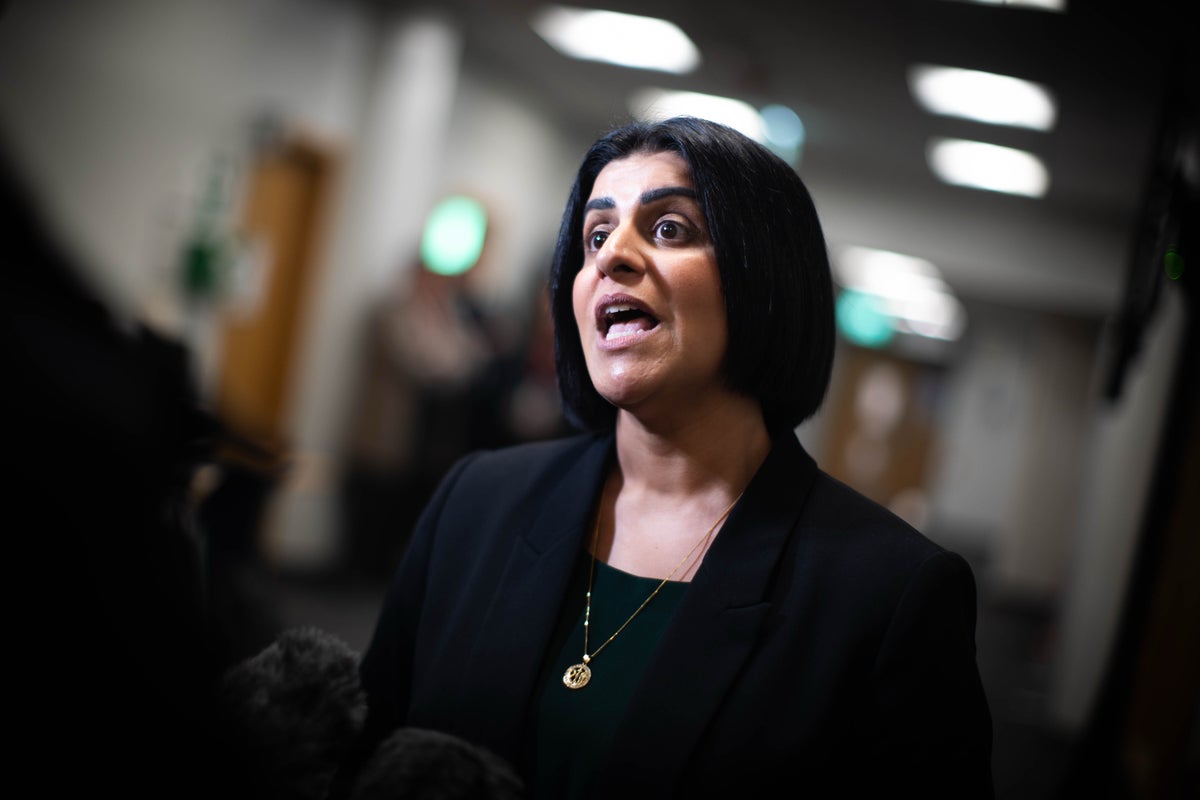
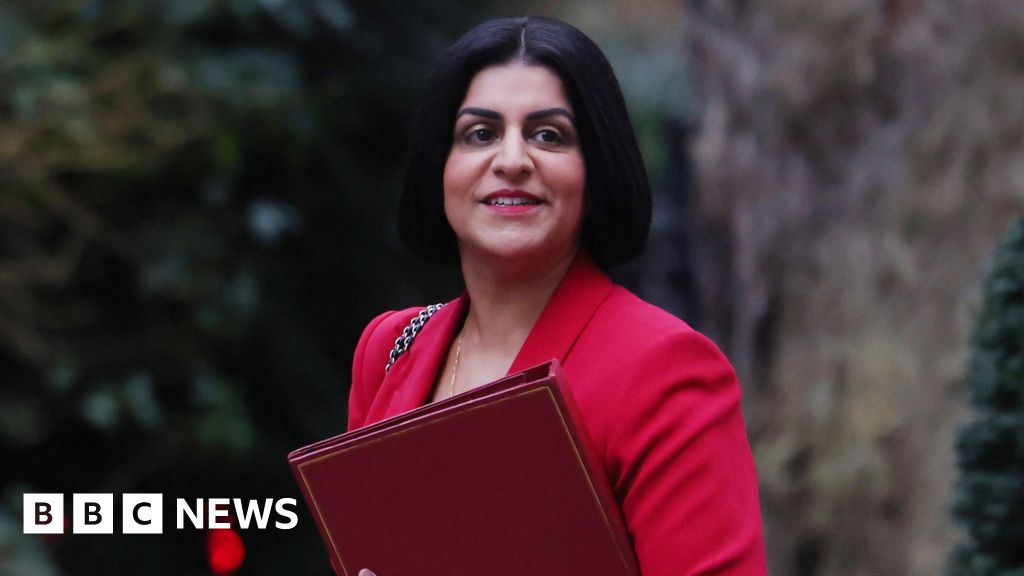
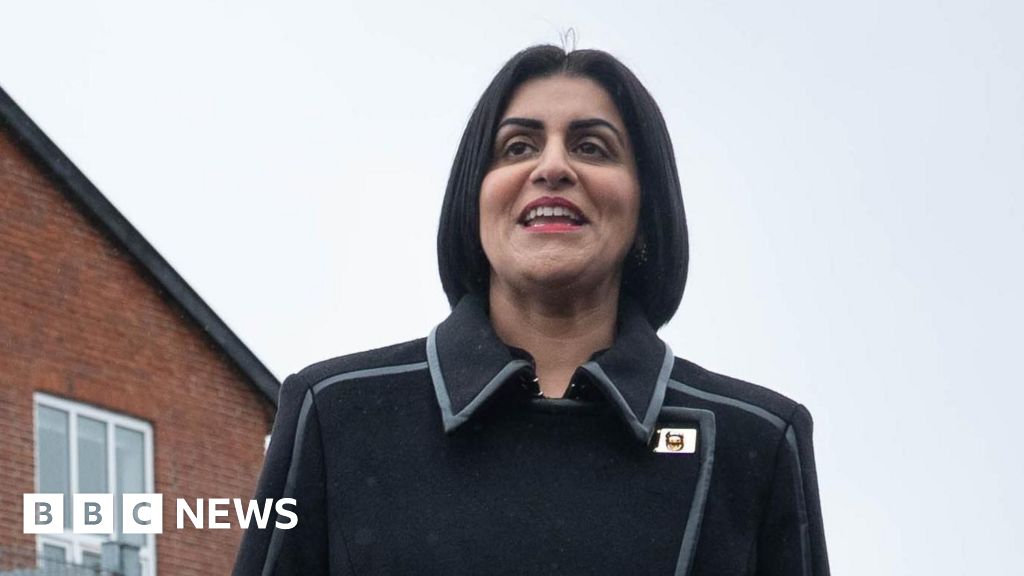
The home secretary's new attack on the rights of immigrants and refugees is shocking and disorienting. Shabana Mahmood wants to raise the qualification period for immigrants to achieve indefinite leave to remain in the UK from five years to 10 (and up to 20 for refugees). It looks outlandish. So does her wider assault on asylum seekers, denying them permanent refugee status even if their claims are successful.
Right-wing politics
#immigration-policy


UK politics
fromwww.independent.co.uk
1 month agoHome secretary to urge Labour left to back hardline immigration crackdown
Home Secretary Shabana Mahmood is implementing hardline immigration reforms that deny accommodation and financial support to asylum seekers who break laws or work illegally, framing these changes as consistent with Labour values despite significant party opposition.
UK politics
fromwww.theguardian.com
1 month agoShabana Mahmood's double down on immigration disappointing', says Alf Dubs
Labour's hardline immigration reforms following a byelection defeat to the Greens are criticized by party figures as misguided policy that alienates left-wing voters and echoes far-right rhetoric.
UK politics
fromwww.bbc.com
2 weeks agoLabour MPs threaten vote to show opposition to Mahmood's migration plans
Labour MPs oppose the government's plan to double the waiting period for indefinite leave to remain from five to ten years and threaten to force a parliamentary vote to expose party divisions.
London politics
fromwww.theguardian.com
1 month agoDining across the divide: Saying everyone who wants to reduce illegal migration is racist doesn't get us very far'
A retired local government manager and audio producer with different immigration perspectives share dinner, discussing fairness in migration policy and British values around queue-jumping.
UK politics
fromwww.theguardian.com
1 month agoShabana Mahmood accused of mimicking Trump as she announces asylum plans
Home Secretary Shabana Mahmood announced immigration reforms including ending permanent refugee status, removing support from certain asylum seekers, and paying rejected families to leave voluntarily, triggering backlash from Labour MPs who claim the measures are unfair and risk alienating core supporters.
UK politics
fromwww.independent.co.uk
1 month agoHome secretary to urge Labour left to back hardline immigration crackdown
Home Secretary Shabana Mahmood is implementing hardline immigration reforms that deny accommodation and financial support to asylum seekers who break laws or work illegally, framing these changes as consistent with Labour values despite significant party opposition.
UK politics
fromwww.theguardian.com
1 month agoShabana Mahmood's double down on immigration disappointing', says Alf Dubs
Labour's hardline immigration reforms following a byelection defeat to the Greens are criticized by party figures as misguided policy that alienates left-wing voters and echoes far-right rhetoric.
#uk-immigration-policy

UK news
fromwww.theguardian.com
1 month agoIllegitimacy tax': new UK border rules for dual nationals throwing lives into chaos
British dual nationals born to unmarried British fathers before 2005 face new border control requirements and citizenship challenges due to archaic laws that denied automatic citizenship until legal changes in 2005 and 2022.
London politics
fromLondon Business News | Londonlovesbusiness.com
3 weeks agoJenrick Compares Birmingham to a 'Third-World Country' - London Business News | Londonlovesbusiness.com
Birmingham's year-long bin strike has left rubbish piling up in streets, prompting criticism of council failure and calls for new leadership in May elections.
#migration-policy
UK politics
fromwww.bbc.com
2 weeks agoRayner warns immigration reforms risk being 'un-British'
Angela Rayner criticizes government proposals to extend migrant settlement timelines from 5 to 10 years as un-British and a breach of trust, while Home Secretary Mahmood defends reforms as necessary to protect public finances.

fromwww.theguardian.com
1 month agoCampaign seeks 50 objects to take the heat' out of Englishness debate
A new campaign is aiming to collect 50 objects that sum up Englishness in an effort to move the conversation away from reductive arguments over whether to hang a St George's flag or not. Supported by the Green party politician Caroline Lucas, the musician and campaigner Billy Bragg, and Kojo Koram, a law professor, the A Very English Chat campaign hopes to tackle England's growing social divisions and political polarisation.
UK politics
fromwww.theguardian.com
1 month agoThis Ramadan, know this: I am me, a Muslim and a Briton. I am not a headline, a threat or a stereotype | Nazir Afzal
Not a day passes without some overt expression of it in our national life. A crime committed by one Muslim becomes an indictment of all Muslims. A cultural practice is wrenched from context and weaponised to provoke anxiety. A theological concept is distorted to imply threat. And on the streets, and increasingly online, it can turn into violence, intimidation or exclusion directed at anyone who looks Muslim.
UK news
fromwww.bbc.com
1 month agoThe Victorian aristocrat who became first British Muslim lord
It's nearly 200 years since the birth of a British aristocrat who became the first Muslim member of the House of Lords. But few have heard of Lord Henry Stanley, who "defied convention and his family's wishes" when he converted to Islam in 1859, according to historian Jamie Gilham. Little remains of Stanley's letters and diaries "which is really frustrating but adds to the idea that he was a private man," he said.
History
Real estate
fromwww.theguardian.com
1 month ago16 years later, I'm not unhappy': the rise of Britain's multigenerational flatmates
Rising rents and barriers to homeownership have increased long-term house-sharing among older renters, driving more multigenerational flatshares and age-diverse households.
fromianVisits
1 month agoQueer Britain gets a refresh but makes a small museum feel even smaller
The museum devoted to the alphabet soup of sexualities has had a revamp of its displays and turned a small museum into a cramped one. It's always been a small space, with one main room and a second, smaller temporary exhibition space, but they've added two more glass cases in the middle of the main room, turning a wide rectangle into a corridor.
LGBT
fromThe New Yorker
1 month agoWhat the Royal Family's Links to Slavery Mean in the Age of Epstein
Early on the morning of May 29, 1660, flanked by twenty thousand armed men, King Charles II arrived in London to retake the throne. Bells rang out and ships fired their guns to mark the occasion. It was Charles's thirtieth birthday. England had been without a king for eleven years, after Charles's father was beheaded, on a temporary wooden platform outside Banqueting House, part of the palace of Whitehall. But the country's experiment as a republic was over. King Charles II was welcomed warmly.
History
fromwww.bbc.com
1 month agoMahmood to set out curbs to asylum seeker support
The Home Office says the changes, due to take effect in June, will restrict accommodation and support payments to "those who genuinely need it". Ministers say the new rules will also remove assistance from asylum seekers who work illegally or break the law.
UK politics
UK politics
fromwww.theguardian.com
1 month agoWhat a viral speech in Ireland reveals about colonial history and Caribbean English
Jamaican English origins trace primarily to southwest England, East Anglia, and Monmouthshire rather than Ireland, despite popular perceptions of Irish linguistic influence.
UK news
fromwww.theguardian.com
1 month agoHome Office denies absurd' criticism over rule change that could leave dual nationals stranded
New UK border rules requiring British dual nationals to present valid passports or certificates of entitlement caused confusion and travel disruptions despite the Home Office claiming adequate communication.
fromwww.aljazeera.com
1 month agoUK to end study visas for Myanmar, Afghanistan, Cameroon, Sudan students
The UK Home Office said in a statement on Tuesday that an 'emergency brake' on visas has been imposed for the first time on nationals from four countries, following a surge in asylum claims by students on study visas. The Home Office said the number of asylum applications by students from Afghanistan, Cameroon, Myanmar and Sudan had rocketed by more than 470 percent between 2021 and 2025.
UK politics
#reform-uk
UK politics
fromwww.independent.co.uk
1 month agoOne in five Reform members want non-white Britons removed from UK, poll finds
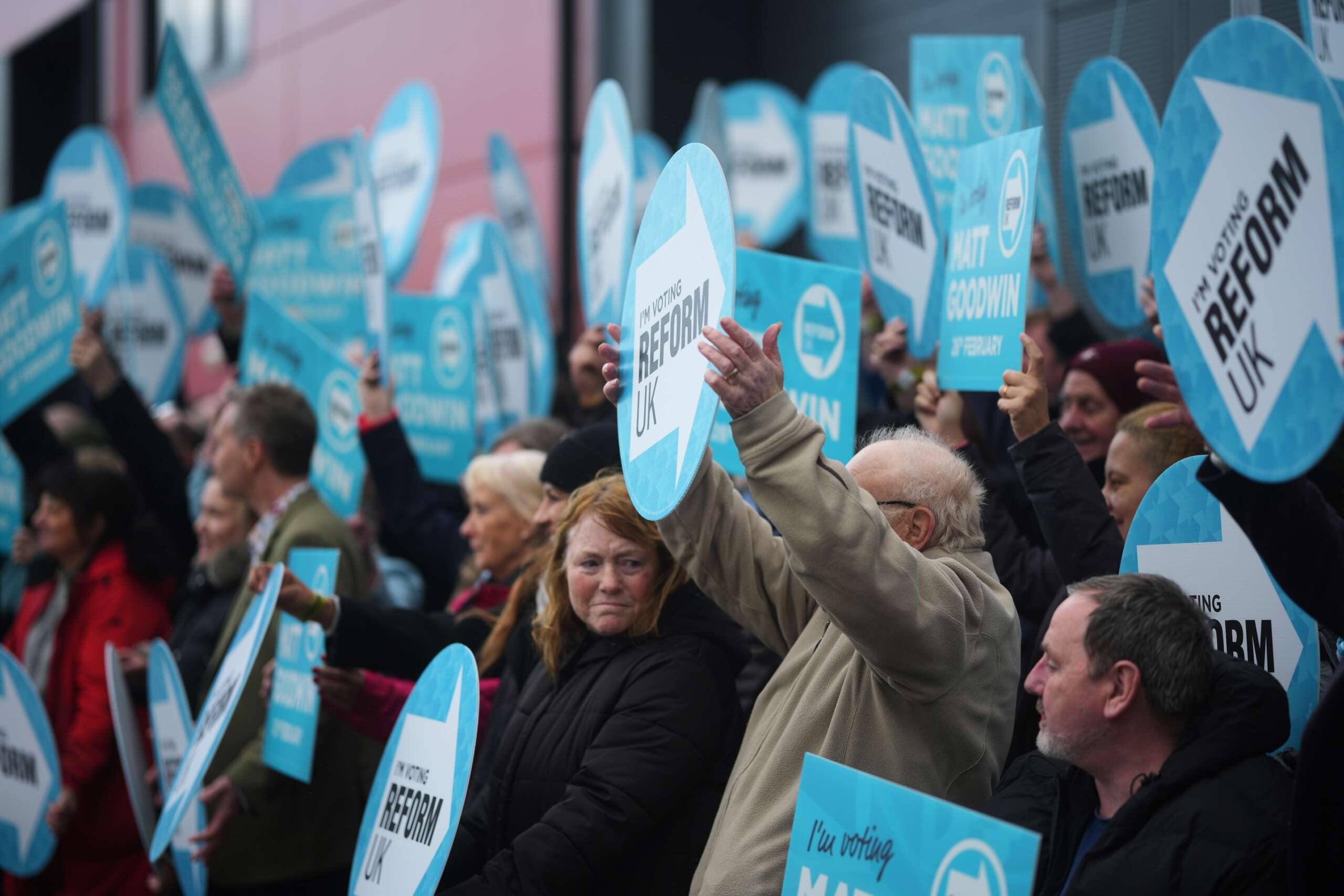
A poll reveals that a fifth of Reform UK members support forcibly removing or encouraging non-white British citizens with UK-born parents to leave the country, with over half supporting removal of non-white foreign-born citizens compared to 24% for white foreign-born citizens.
UK politics
fromwww.theguardian.com
1 month agoMost Reform UK members believe non-white British citizens should be forced or encouraged to leave, poll finds
Over half of Reform UK members support deporting or encouraging non-white British citizens born abroad to leave, revealing significant hardline sentiment within the party.
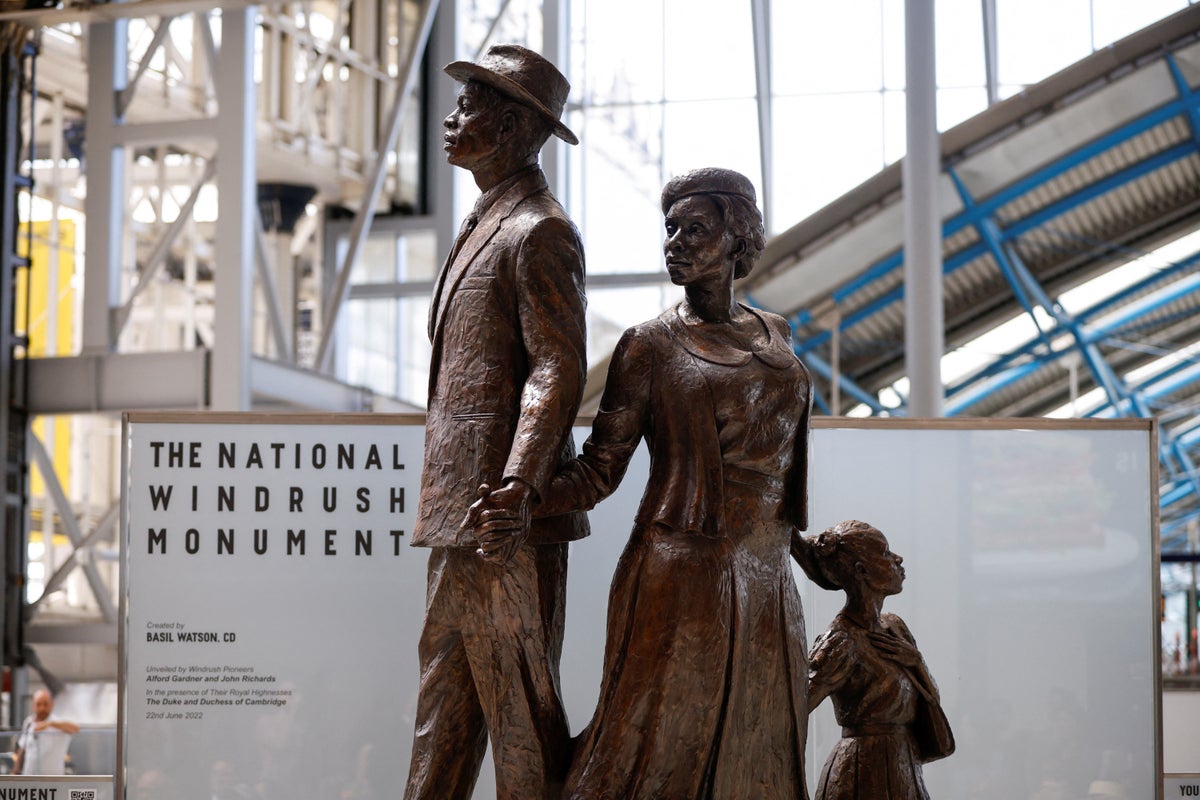
fromwww.aljazeera.com
1 month agoBehind the myths of the British Empire: Nigel Biggar and Mehdi Hasan
Britain once ruled over the largest empire in history. For many Britons, it remains a source of pride. Others argue its power was built on a legacy of brutality, colonial conquest and the enslavement of millions. Can Britain reckon with that past and make amends?
UK politics
UK news
fromwww.theguardian.com
2 months agoWindrush and the rise of wandering Caribbean cricket clubs that fuelled talent in English game
Caribbean immigrant communities established numerous informal cricket clubs across England from the late 1940s through the 1980s, nurturing black cricketing talent and heritage.
fromwww.theguardian.com
1 month agoThe Guardian view on saving Westminster: parliament should leave London | Editorial
The palace, rebuilt after a fire destroyed it in 1834, is falling apart. There have been 36 fire incidents since 2016. Water leaks, heating failures and sewerage problems plague the heart of this Unesco world heritage site. Fixing Westminster would save money in the long run. An upgrade is also a matter of safety and legacy.
UK politics
UK politics
fromwww.theguardian.com
1 month agoBehind the Guardian's analysis of 100 years of MPs' language on immigration
Parliamentary sentiment toward immigration has shifted significantly rightward over the past five years, measured through a custom machine learning model analyzing House of Commons debates.
fromwww.thelocal.com
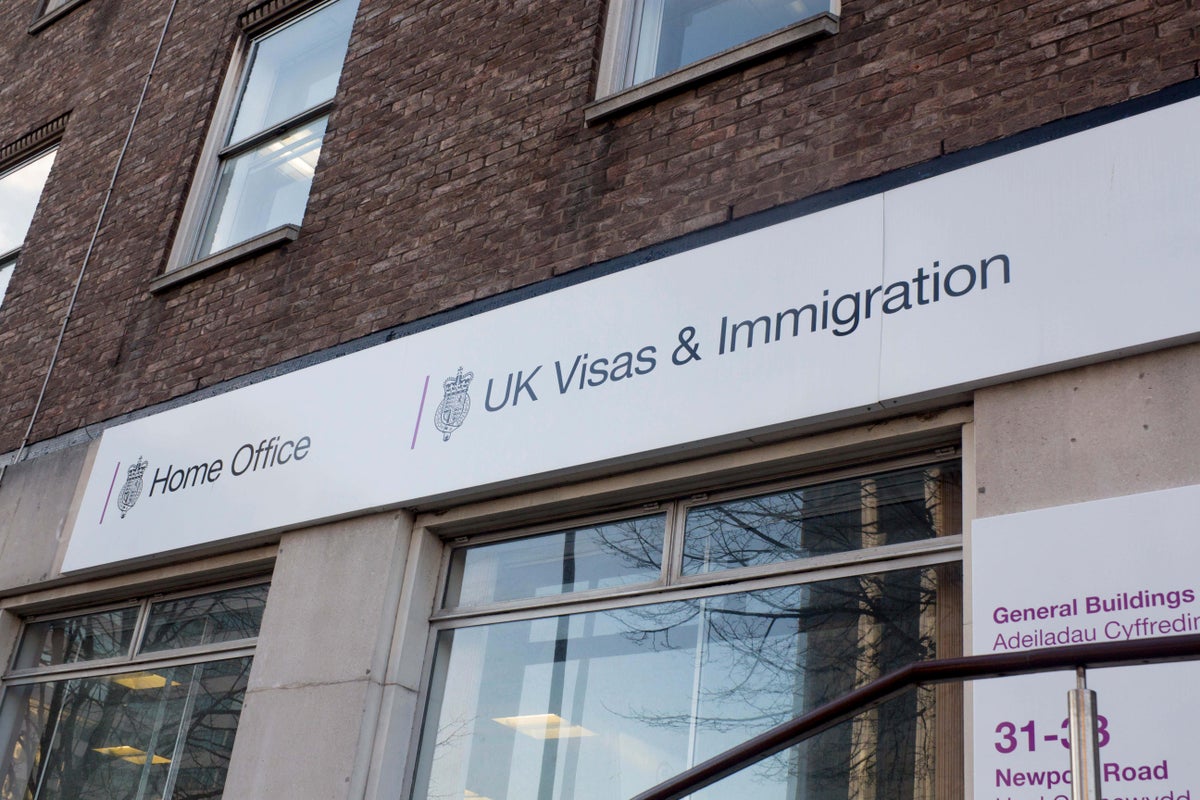
2 months ago'A money making racket': Angry British dual nationals blast UK passport demand
Ahead of the end of the 'tolerance period' of the Electronic Travel Authorisation system (ETA) from February 25th, British dual nationals have been targeted with official messaging suggesting that they will only be able to enter the UK if they have a valid British passport or a pricey certificate of entitlement. Those without the correct paperwork could even be denied boarding or turned away at the border, British authorities have suggested.
UK news

UK politics
fromwww.aljazeera.com
2 months agoWhy the UK's toughest immigration voices are often politicians of colour
Ethnic minority politicians increasingly lead and legitimize restrictive UK immigration policies, emphasizing lower immigration, tougher English-language requirements, and skilled-only entry.
fromLondon Business News | Londonlovesbusiness.com
1 month agoReform to ensure 'only British nationals can claim benefits in the first place' - London Business News | Londonlovesbusiness.com
The party's newly-appointed Shadow Chancellor, Robert Jenrick, delivered a keynote speech in London outlining policies aimed at tackling what he described as the "ballooning benefits bill" and the "managed decline" under Chancellor Rachel Reeves. Jenrick said Reform UK would reinstate in-person assessments and require clinical diagnoses to prevent misuse of disability benefits.
UK politics
fromwww.theguardian.com
1 month ago300,000 children face 10-year wait for settled status under UK plans, says IPPR
More than 300,000 children already living in the UK could be forced to wait 10 years for settled status under proposed changes to the Home Office's earned settlement policy, according to an analysis by a centre left thinktank. The Institute for Public Policy Research (IPPR) found that nearly a quarter (23%) of the 1.35 million people already on routes to settlement are children, most of them dependants on their families' work visas.
UK politics
fromwww.theguardian.com
1 month agoScandalous and unacceptable': readers on the new UK entry rules for dual nationals
British dual nationals living abroad have told of their disgust, fury and distress over new UK border rules that mean they could risk be denied boarding on a flight, ferry or train. The new rules, which come into force on 25 February, have caught many by surprise and require British dual nationals to present a British passport or a certificate of entitlement, which costs 589, to visit the UK on their non-British passport.
UK politics
UK politics
fromwww.theguardian.com
1 month agoI'm British, English and British Asian', says Rishi Sunak in riposte to racially charged debate over identity
Rishi Sunak affirmed his British, English, and British Asian identity and warned that racially charged rhetoric from right-wing figures threatens social cohesion.
UK politics
fromwww.standard.co.uk
2 months agoSadiq Khan slams critics 'painting dystopian picture of London as fallen city' as he defends immigration
Sir Sadiq Khan accuses right-wing parties of stoking fear and misrepresenting London because they oppose its diversity, progressivism, and a Muslim mayor.
[ Load more ]