#winnemem-wintu
#winnemem-wintu
[ follow ]
#indigenous-cuisine #klamath-river #tribal-sovereignty #seasonal-eating #invasive-species #washoe-tribe
fromSmithsonian Magazine
2 days agoNative Nations Fought in the American Revolution to Protect Their Ancestral Lands. After the War, Settlers Seized Their Territory Anyway
"Once the Declaration of Independence is issued by Congress, then it kind of changes the calculus. Then, both sides are putting pressure on Native people to join one side or the other."
History
fromReadWrite
4 days agoTribal leaders fight federal oversight of sports prediction markets
"Today, our Board took decisive action to protect what generations before us fought to build. These so-called prediction markets are an attempt to bypass tribal authority and recast gambling as a financial product. We will not allow that. We will stand united to defend tribal sovereignty and the integrity of Indian gaming."
Poker
fromNew York Post
2 weeks agoCalifornia plots return of 7.5 million acres of land and coastal waters to Indigenous tribes
When California became a state in 1850, officials signed 18 treaties setting aside millions of acres for tribal reservations. Congress killed the deals in secret after pressure from state leaders. Many tribes had already moved, trusting the promises. Now California wants to make good.
SF politics
#indigenous-land-reclamation
East Bay real estate
fromwww.berkeleyside.org
2 weeks agoHow an Ohlone nonprofit quickly became one of the wealthiest Indigenous land trusts in the nation
Sogorea Te' Land Trust is removing 80+ years of asphalt from a Fourth Street parking lot to restore it as an Indigenous-controlled green space honoring Ohlone history and culture.
Mission District
fromABC7 San Francisco
2 weeks agoTribal members to help shape Bay Area open space as historic Juristac lands are reclaimed by deal
The Amah Mutsun tribe successfully reclaimed Juristac, a sacred ancestral landscape near Gilroy, California, after community opposition halted mining plans and the Peninsula Open Space Trust purchased over 6,000 acres.
#indigenous-cuisine



East Bay food
fromwww.berkeleyside.org
2 weeks agoThe debut cookbook from this East Bay-born, decorated Native chef centers seasonality and knowing whose land you're on
Crystal Wahpepah's debut cookbook A Feather and a Fork features 125 intertribal recipes celebrating Indigenous ingredients, seasonal eating, and Native producers while pioneering Indigenous cuisine in mainstream culinary spaces.
East Bay food
fromThe Oaklandside
2 weeks agoThe debut cookbook from this Oakland-born, decorated Native chef centers seasonality and knowing whose land you're on
Crystal Wahpepah's debut cookbook A Feather and a Fork features 125 intertribal recipes highlighting Indigenous ingredients, seasonal eating, and Native producers while pioneering Indigenous cuisine in mainstream culinary spaces.
Agriculture
fromLos Angeles Times
2 weeks agoCalifornia pledges to open 7% of its land and waters to Indigenous tribes - a step toward healing a 175-year-old broken promise
California commits 7.5 million acres to tribal stewardship, fulfilling a 170-year-old federal promise while restoring indigenous land management practices and ecosystem health.
Social justice
fromOregon ArtsWatch * Arts & Culture News
2 weeks agoTribal sovereignty and civil rights focus of free 250th anniversary discussion on March 19 * Oregon ArtsWatch
Native Americans faced centuries of voting suppression, and current voter restriction proposals echo historical methods that disenfranchised tribal communities.
SF politics
fromABC7 San Francisco
3 weeks agoEnvironmental groups sue to stop Trump's water diversions in California
Trump's executive order diverts more federal water to Central Valley farmers, bypassing state officials and environmental protections, prompting lawsuits from environmental groups claiming violations of the Endangered Species Act.
History
fromHigh Country News
3 weeks agoHow Montana tribes are using sovereignty to restore their waterways - High Country News
The 2015 CSKT-Montana Compact Water Rights settlement restores tribal water rights from the 1855 Hellgate Treaty while enabling river restoration and shared management of the Jocko River watershed.
Canada news
fromwww.cbc.ca
1 month agoThey found Indigenous ancestral remains on their property. They say doing the right thing shouldn't cost them | CBC News
A couple's property renovation in Ontario halted after discovering ancestral Indigenous remains, potentially costing them hundreds of thousands of dollars in unexpected expenses.
Online Community Development
fromABC7 Los Angeles
1 year agoPowwows: Celebrating the culture and community of Indigenous people
The Dix Park Inter-Tribal Powwow brings together Indigenous communities from North Carolina's eight state and federally recognized tribes for cultural celebration, competition dancing, and traditional music.
fromThe Mercury News
4 weeks agoSunol Water Temple educational center remains unopened after 17 years of planning and millions spent
Built in 1910, the Sunol Water Temple is a Beaux Arts-style pergola inspired by the Temple of Vesta in Tivoli, Italy, serving as a memorial to the confluence of the Bay Area's major watersheds. Underneath the temple's Corinthian columns, three subterranean pipelines from Arroyo de la Laguna, Alameda Creek and Pleasanton supplied half of San Francisco's water supply during the early 20th century.
SF politics
fromHigh Country News
1 month agoThe Colorado River rift abides - High Country News
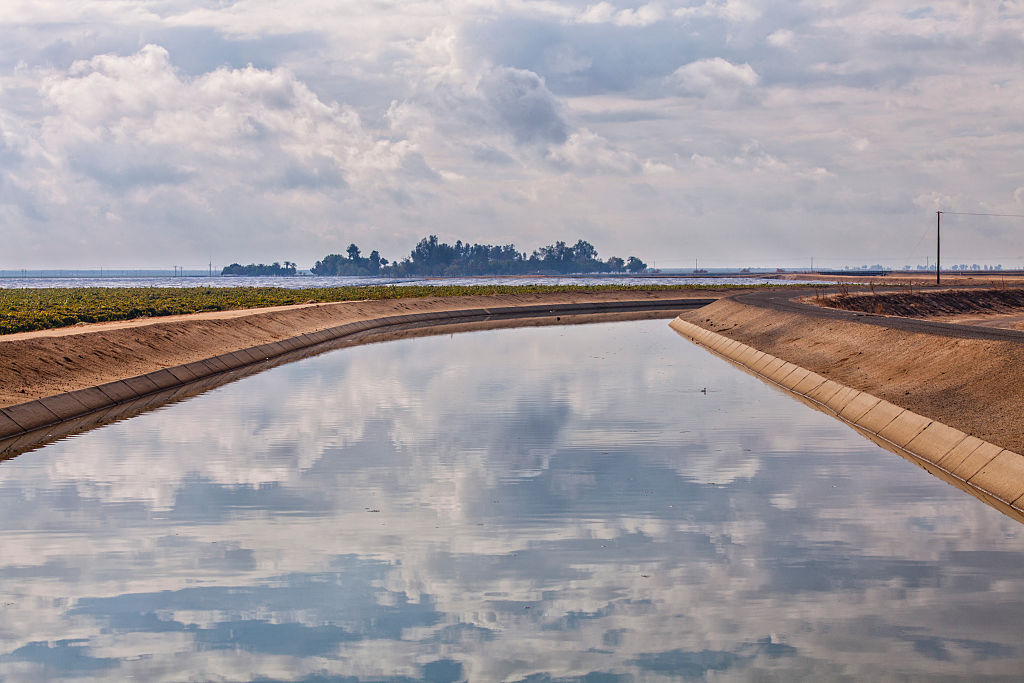
Western water law is based on the prior appropriation doctrine, which gives the first entity to make "beneficial use" of water the right to keep on using that amount, even if that means that upstream "junior" users' spigots will get shut off. By the early 1900s, a rapidly growing California was enthusiastically diverting the Colorado River, with huge irrigation districts gobbling up the senior water rights.
Environment


California
fromwww.mercurynews.com
1 month ago5 fantastic Whale Festivals in Northern California for spring 2026
Northern California hosts multiple whale festivals in spring celebrating gray whale migration, featuring whale watching, food, music, and outdoor activities across Mendocino County and Monterey.
Wine
fromTasting Table
1 month agoBeyond The Bay Area, This Underrated Region Offers Standout Vineyards And Restaurants - Tasting Table
Capay Valley, California offers Mediterranean-like climate, historic vineyards, award-winning wineries, and farm-to-table culinary and olive-farm experiences for wine and food enthusiasts.
Travel
fromTravel + Leisure
2 months agoThis U.S. City Is the 'Camellia Capital of the World'-and Winter Is the Best Time to See Full Blooms
Sacramento becomes the camellia capital in January–February, with tens of thousands of blooms citywide, notable displays in Capital Park, and an annual camellia show.
fromThe Mercury News
1 month agoThis under-the-radar winery is making waves on the North Coast
Jesse Hall can't remember a time he wasn't inseparable from the sea. Born and raised in Sonoma County, Hall spent his youth surfing the Marin coast and sailing San Francisco Bay. By his early 20s, he was shaping surfboards in San Diego, where he rode the mellow waves of Pacific Beach. "Winemaking is similar to surfing in that you're living moment by moment," said Hall, founder of Seawolf Wines in Mendocino County's Yorkville Highlands.
Wine


fromKqed
1 month agoMaidu Tribe Returns to Its Roots of Ancestral Fire | KQED
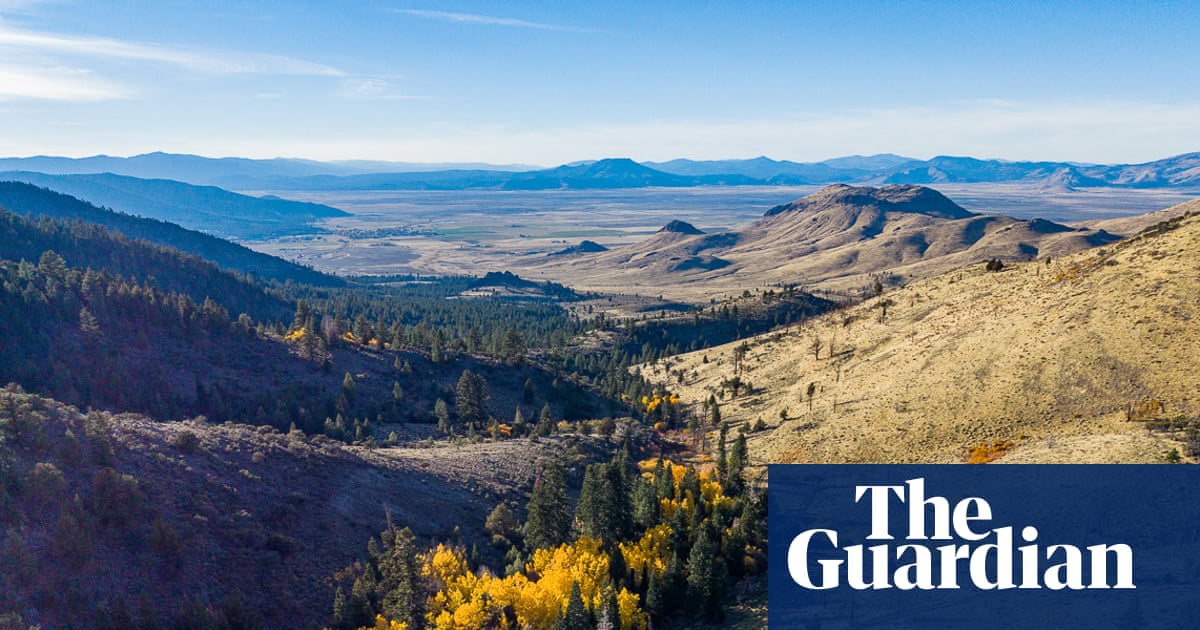
The Maidu tribe of Butte County-Berry Creek, Mechoopda, Mooretown, Enterprise and Konkow Valley, come together to conduct CAL-TREX prescribed burn training to relearn how to put helpful fire back on their native lands that have been devastated by recent catastrophic wildfires. Organizers say the training camp is designed to help restore fire-scarred lands and people. While other Northern California tribes have been reintroducing cultural fire for decades,
California


fromReadWrite
1 month agoCalifornia approves stricter cardroom gaming rules
"These regulations are an important step in combating unscrupulous and illegal gaming in California," CNIGA Chairman James Siva said in a statement sent to ReadWrite. "The regulations further clarify that games and practices employed by commercial card rooms are indeed prohibited under California law. Running a business contrary to that law is an illicit business, period. We hope that Department of Justice will now enforce these regulations so California can ensure a well-regulated gaming industry that is safe for consumers."
California


fromKqed
2 months agoMaidu Tribes Reignite Ancestral Fire Stewardship in the Sierra Foothills | KQED
Before burning the meadow, Herrera urged everyone to think about those who would gather materials in the coming months. "It's going to be a place where our people can gather food, fibers and medicines," she said. "We want to make sure all of that stuff stays really clean." Basket weavers often hold materials in their mouths, and it's long been a challenge to find plants free of fuel or herbicides. Here, the tribe can tend its garden as it chooses.
Environment
Environment
fromOregon ArtsWatch * Arts & Culture News
2 months agoAn Oregon tribal attorney's quest to save the Klamath River * Oregon ArtsWatch
Yurok tribal attorney led legal effort removing four Klamath River dams, restoring salmon runs and tribal rights; public talk at Ashland Public Library Jan. 10.
fromSFGATE
2 months ago10,000 acres along the Klamath River purchased by Indigenous land trust
The Klamath Indigenous Land Trust recently purchased 10,000 acres along the Klamath River, signifying one of the largest Indigenous-led private land purchases in U.S. history as salmon continue to make their historic return to the newly revived watershed. The expansive property, located mostly in California and extending into Oregon, includes the sites of reservoirs that existed up until the removal of four of the Klamath's dams in 2023 and 2024.
Environment
fromHigh Country News
2 months agoAn EPA proposal would make it harder for tribes to protect their water - High Country News
Developers seeking to build dams, mines, data centers or pipelines must navigate a permitting process to do so. One requirement in the process is obtaining certification from a tribe or state confirming that the project meets federal water quality standards. Currently, tribes and states conduct holistic reviews of projects, known as " activity as a whole ", evaluating all potential impacts on water quality, including spill risks, threats to cultural resources, and impacts on wildlife. This approach was established under the Biden administration in 2023.
Environment
fromSFGATE
2 months agoCalifornia's largest new reservoir in decades secures federal approval
The proposed 1.5 million acre-foot Sites Reservoir would store water from the Sacramento River and distribute it during droughts to several parts of California, including the Sacramento and San Joaquin valleys, Southern California and the Bay Area. Stretching about 4 miles across and 13 miles north to south, it's meant to provide water to approximately 24 million people, and it would mark California's first major reservoir project since 1979, when New Melones Lake was completed.
California
Environment
fromwww.berkeleyside.org
2 months agoRemembering Nancy Gorrell, artist and activist who helped make Indigenous Peoples Day a holiday in Berkeley
Nancy Elizabeth Gorrell was a Berkeley-based artist, environmentalist, activist, and educator who led local and national efforts for Indigenous Peoples Day and zero-waste initiatives.
fromLos Angeles Times
2 months agoHeated debate over California water plan as environmentalists warn of 'ecosystem collapse'
The question of how to protect fish and the ecological health of rivers that feed California's largest estuary is generating heated debate in a series of hearings in Sacramento, as state officials try to gain support for a plan that has been years in the making. "I am passionate that this is the pathway to recover fish," said state Natural Resources Secretary Wade Crowfoot. "This is the paradigm we need: collaborative, adaptive management versus conflict and litigation."
Environment
fromwww.mercurynews.com
2 months agoWater pours down Oroville Dam spillway as reservoir rises following big storms
It's a sight that usually means California is having a good winter and water supplies are healthy. This week, operators at Oroville Dam, the tallest dam in the United States, which holds back California's second-largest reservoir, opened the spillway gates and began releasing billions of gallons of water down the massive concrete spillway into the Feather River below. The reason? It's not to waste water. But to prevent potential floods.
Environment
Environment
fromTravel + Leisure
2 months agoThis Massive Stretch of California's Sonoma Coast Just Opened to the Public for the First Time in 100 Years
The Estero Americano Coast Preserve, a 547-acre coastal area near Bodega Bay, reopened to the public after 100 years, offering trails and a sheltered beach.
[ Load more ]