#winter-paralympics-boycott
#winter-paralympics-boycott
[ follow ]
#olympics #winter-olympics #winter-paralympics #human-rights #ioc #milano-cortina-2026 #milan-cortina-2026






#winter-paralympics

Skiing
fromwww.theguardian.com
3 weeks agoTears and drama amid snowboard cross chaos at Winter Paralympics
Snowboard cross at the Winter Paralympics combines high technical skill with speed generation, creating dangerous conditions for athletes with physical disabilities, resulting in multiple crashes during finals.
Skiing
fromwww.theguardian.com
1 month agoWinter Paralympics 2026: latest medal table for Milano Cortina
Milan Cortina hosts the Winter Paralympics across northern Italy from March 6-15, featuring 665 athletes competing in 79 medal events across six sports, including a new wheelchair curling mixed doubles event.
Skiing
fromwww.npr.org
2 weeks agoTeam USA dominated the Paralympics on both ice and snow. Check out the highlights
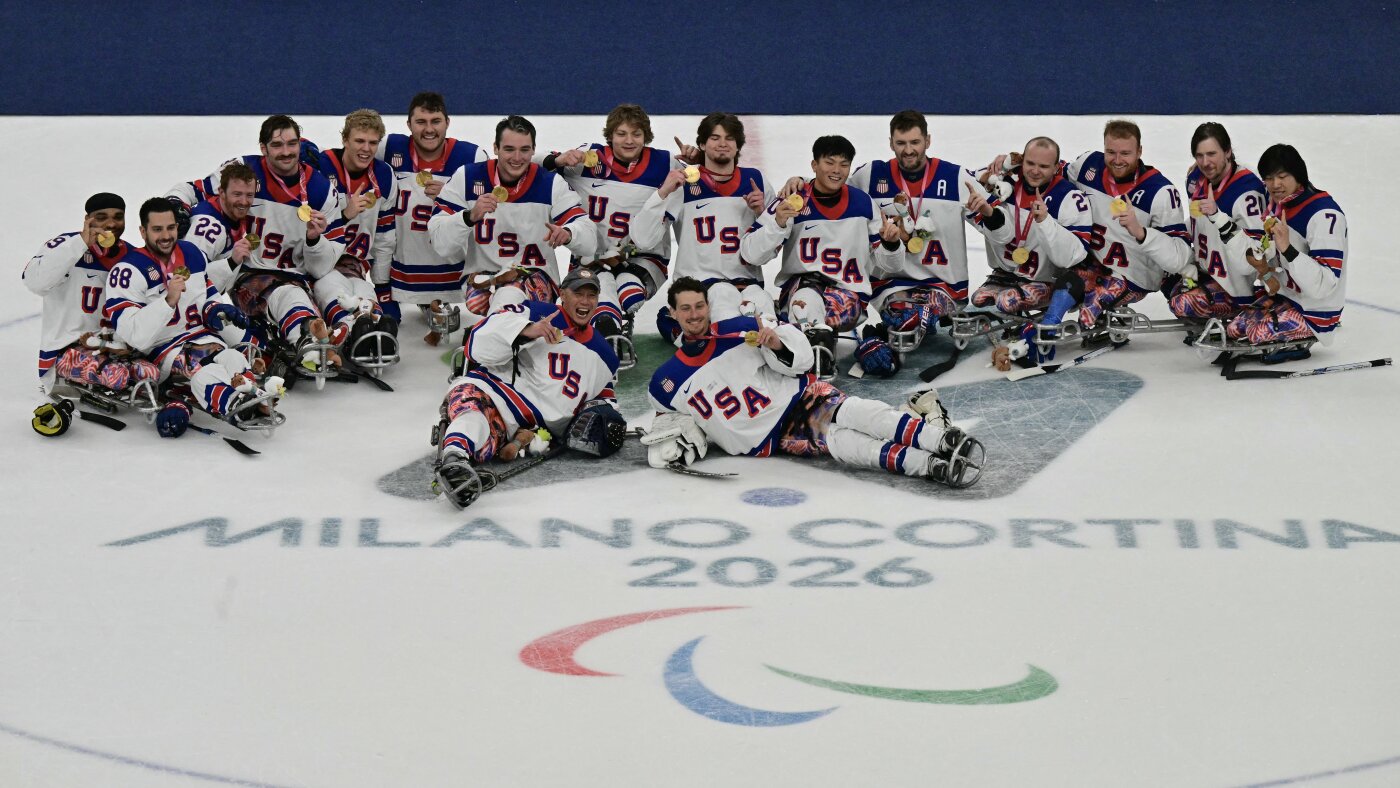
Team USA finished second in overall Paralympics medal count with 24 total medals including 13 gold, improving from fifth place in 2022, highlighted by the sled hockey team's record fifth consecutive gold medal.
Skiing
fromwww.theguardian.com
2 weeks agoBritain to raise Winter Paralympic targets after finishing Games with solitary medal
UK Sport will raise performance targets for the 2030 Winter Paralympics after Great Britain won only one silver medal at Milano-Cortina, prompting a review of the British winter Paralympic programme's future direction and efficiency.
Europe news
fromwww.mercurynews.com
4 weeks agoParalympians try to focus on Milan Cortina Games amid tensions over Iran war, return of Russian flag
Athletes at the Milan Cortina Winter Paralympics are focusing on competition while navigating geopolitical tensions, travel disruptions, and debates over Russian participation at the 50th anniversary Games.
Skiing
fromwww.theguardian.com
2 weeks agoMore countries, bigger audience but controversy lingered in Milano Cortina
Milano Cortina 2026 Winter Paralympics achieved record participation with 55 countries competing, 27 medal-winning nations, and unprecedented female athlete representation at 26% of total competitors.
Skiing
fromwww.theguardian.com
3 weeks agoTears and drama amid snowboard cross chaos at Winter Paralympics
Snowboard cross at the Winter Paralympics combines high technical skill with speed generation, creating dangerous conditions for athletes with physical disabilities, resulting in multiple crashes during finals.
Skiing
fromwww.theguardian.com
1 month agoWinter Paralympics 2026: latest medal table for Milano Cortina
Milan Cortina hosts the Winter Paralympics across northern Italy from March 6-15, featuring 665 athletes competing in 79 medal events across six sports, including a new wheelchair curling mixed doubles event.
#paralympic-games
Russo-Ukrainian War
fromwww.theguardian.com
3 weeks agoUkraine accuses IPC of systemic pressure' and pro-Russian bias at Winter Paralympics
Ukraine's Paralympic Committee alleges systematic pressure and mistreatment from the IPC and Milano Cortina organizers, including flag removal and athlete restrictions.
Europe news
fromwww.mercurynews.com
4 weeks agoWinter Paralympics: Milan Cortina Games to open amid war in Middle East, boycott over Russian flag
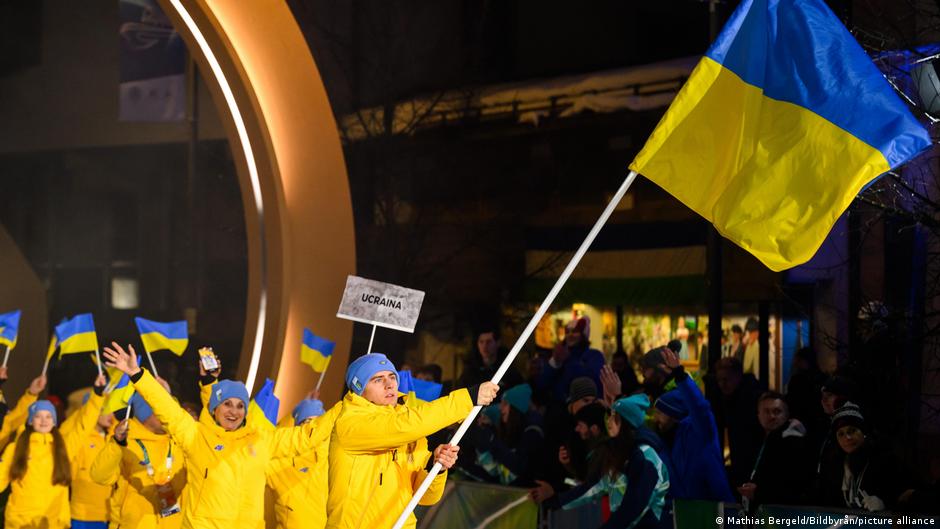
The Milan Cortina Winter Paralympics opens amid geopolitical tensions, with Ukraine and other countries boycotting the opening ceremony to protest Russian athletes competing under their own flag and national anthem for the first time since 2014.
Snowboarding
fromSnowBrains
1 month agoSeveral Nations to Boycott Milan-Cortina 2026 Paralympics Opening Ceremony Over Russian & Belarusian Participation - SnowBrains
Multiple countries boycott the 2026 Milan-Cortina Paralympics opening ceremony to protest the International Paralympic Committee's decision to allow Russian and Belarusian athletes to compete under their national flags.
Skiing
fromBusiness Insider
2 weeks agoI'm representing Team USA in the Paralympics. It feels like the world is finally paying attention to us.
Dani Aravich discovered the Paralympics through her NBA job, leading her to pursue competitive track and field and cross-country skiing for Team USA after learning she qualified for a disability classification.
Skiing
fromwww.theguardian.com
3 weeks agoSnow joke: Winter Paralympics athletes angry at scheduling as big thaw hits
Rising global temperatures are making March an unreliable season for winter sports, forcing the Winter Paralympics to face dangerous conditions and threatening the viability of future events.

fromwww.theguardian.com
1 month agoThe Great Olympic lie: untold story of Winter Games' huge environmental impact
On the foothills of the mountains, by the banks of the river in Cortina, there was a forest. It was full of tall larch trees. Arborists said the oldest of them had been there for 150 years and dendrologists that it was unique because it was unusual to find a monocultural forest growing at such a low altitude in the southern Alps.
Environment


World news
fromwww.npr.org
1 month agoMideast clashes breach Olympic truce as athletes gather for Winter Paralympic Games
Israel and U.S. airstrikes against Iran, along with Iranian counter-strikes, violated the UN-approved Olympic truce during the Winter Paralympic Games in Milan, disrupting travel and athlete participation.


fromLos Angeles Times
1 month agoIOC moves closer to reinstating Russia by LA28, but backlash may put its return on ice
A massive international outcry following Russia's full-scale invasion of Ukraine, a war that will enter its fifth year two days after the closing ceremony of the Milan-Cortina Games, forced most major international sports bodies to ban all Russian athletes from competition. The IOC has allowed athletes from Russia and Belarus to compete in Italy as individual neutral athletes, which means they cannot compete on teams nor wear their national team colors or flag.
Los Angeles Rams
fromwww.theguardian.com
2 months agoA World Cup boycott would be a big statement but unlikely to accomplish much
It was probably fitting that the first call from someone with genuine power should emanate from Germany, long one of soccer's moral centers. The time has definitely come, German soccer federation vice-president Oke Gottlich told the Hamburger Morgenpost, to seriously consider and discuss a boycott of the 2026 World Cup. What were the justifications for the boycotts of the Olympic Games in the 1980s?
Soccer (FIFA)

fromwww.mercurynews.com
1 month agoRussian woman carried Ukraine placard at Winter Olympics opening ceremony
Anastasia Kucherova, a Russian living in Milan, voiced her opposition to Russia's war against Ukraine with a highly symbolic, if anonymous, act: Carrying the Ukraine team placard during the opening ceremony of the Milan Cortina Winter Games. Kucherova was swathed in a long, hooded silver puffer coat, her eyes covered with dark glasses like all the other placard bearers for the 92 nations competing in the Olympics. The Ukraine sign was illuminated for the crowd to read.
Miscellaneous
US politics
fromLGBTQ Nation
2 months agoShould the U.S. be prevented from competing in the Olympics like other lawless nations? - LGBTQ Nation
The 1980 U.S. Olympic boycott responded to the Soviet invasion of Afghanistan; similar foreign-policy conduct under Trump raises concerns about U.S. participation and international accountability.
fromPinkNews | Latest lesbian, gay, bi and trans news | LGBTQ+ news
2 months agoReal life queer hockey couple will live out Heated Rivalry at Winter Olympics
"Their secret fling evolves into an eight-year journey of self-discovery and rivalry. Over time, they must learn how to chase their desires on and off the ice. "Torn between the sport they live for and the love they can't ignore, Shane and Ilya must decide if there is room in their fiercely competitive world for something as fragile and as powerful as real love."
LGBT
fromwww.theguardian.com
2 months agoCanada cleared of US allegations they rigged skeleton qualifying for Winter Olympics
USA's Katie Uhlaender, a five-time Winter Olympian in skeleton, accused the Canadian team of deliberately pulling four of its six athletes from a race in Lake Placid, New York, last weekend in order to make it harder for athletes from other countries to qualify. The reduced field meant fewer qualifying points were available and Uhlaender, who won the event, missed out on a place at this year's Games, which will take place in Milan-Cortina, Italy.
Miscellaneous
fromwww.theguardian.com
2 months agoThe Joy of Six: unlikely Winter Olympics stars
Michael Eddie the Eagle Edwards, was the antithesis of the Olympic high-flyer. Heavily disadvantaged by his 82kg (181lb) weight far heavier than his rivals poor eyesight and the small matter of being entirely self-funded, he became Great Britain's first Olympic ski jumper. He finished 67th and last at the 1987 world championships but managed to hit the qualifying standard to secure the sole British spot for Calgary.
World news
fromPinkNews | Latest lesbian, gay, bi and trans news | LGBTQ+ news
1 month agoGrindr announces extra safety measures for LGBTQ+ athletes at Winter Olympics
"Grindr shows users who's nearby and how far away they are. In most contexts, that's useful. In the Olympic Village where thousands of athletes are packed into a small area, those same features may become a liability. Someone outside the Village could browse profiles inside it. Distance data could be used to pinpoint someone's exact location. And simply appearing on Grindr tells the world something about a person's identity that, in more than 60 countries, remains a criminal offence,"
LGBT
[ Load more ]