#winter-season-2026-27
#winter-season-2026-27
[ follow ]
#weather #skiing #snowfall #ski-resorts #snowpack #climate-change #ski-season #spring-skiing #ski-conditions











fromwww.aljazeera.com
3 weeks agoNo snow, no ski season: Greenland's warmest January shuts Nuuk resort
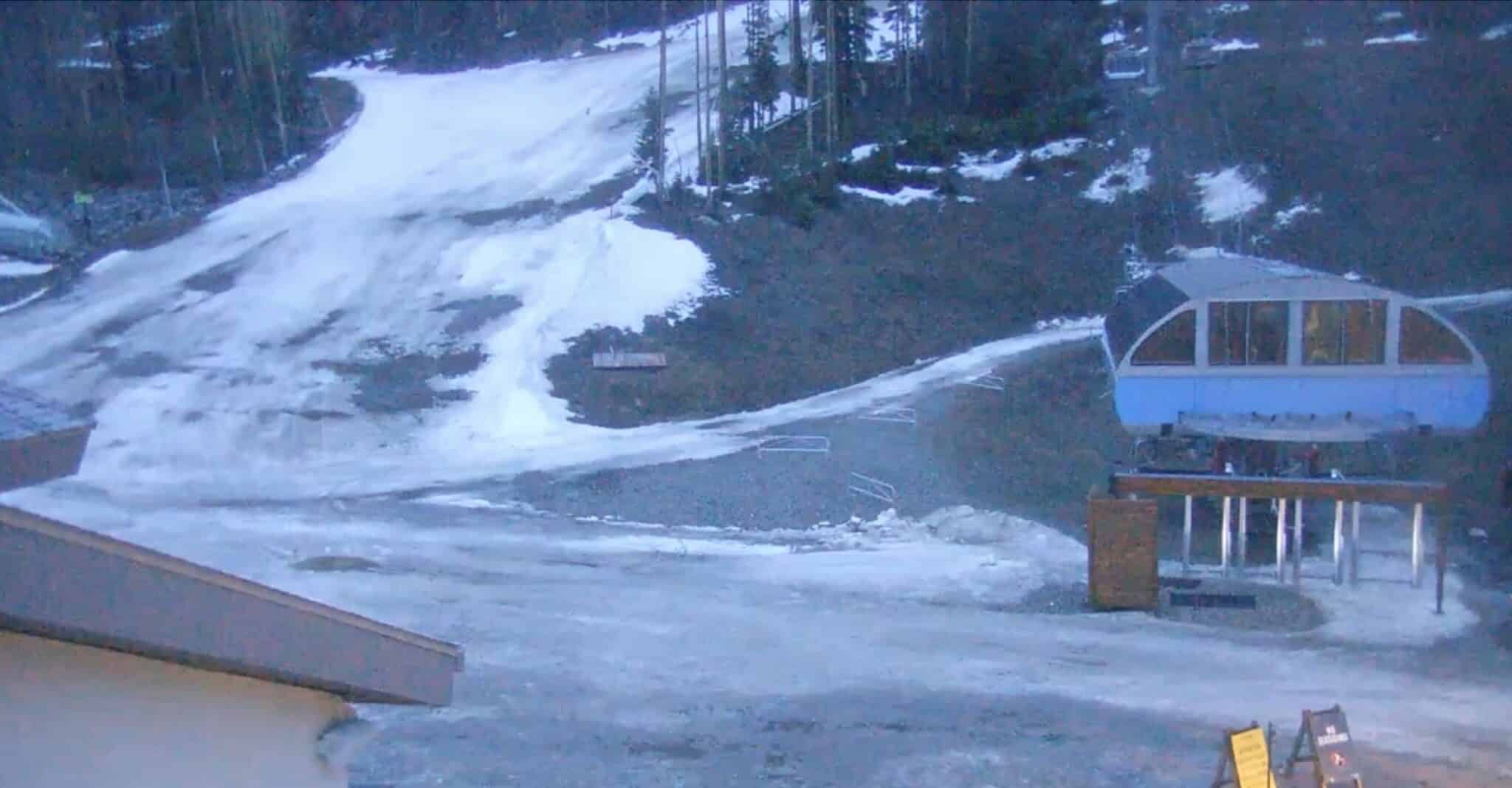
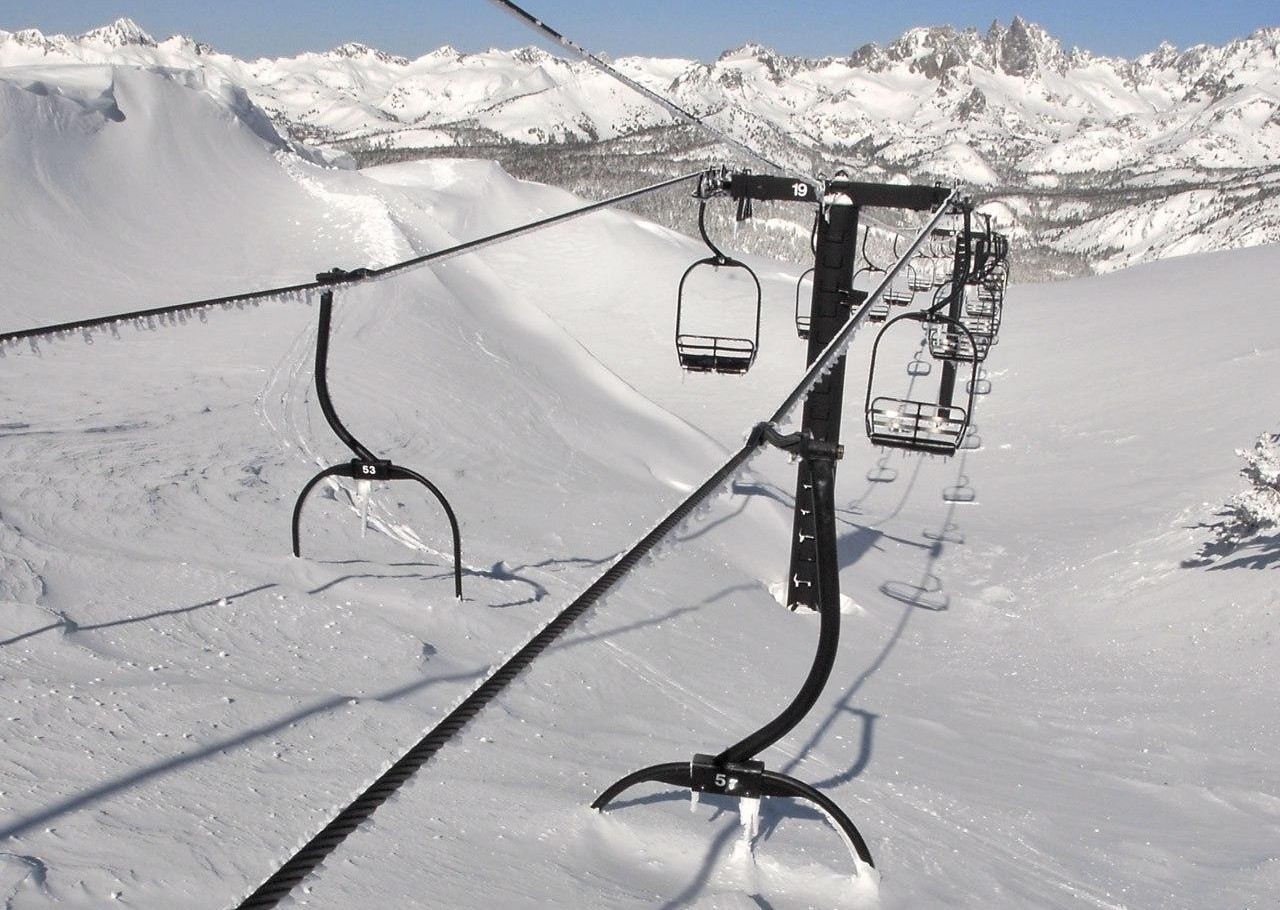
The snowmobile climbs fast alongside the cables of the ski lift. But the lift itself is not running. Suddenly, the driver and manager of the ski lift, Qulu Heilmann, stops and walks over to the bare rocks on the mountain outside Nuuk, the Greenlandic capital. You can see it there should be snow here. People should be skiing here, he said, pointing at the rocky slope close to the city's airport. He has worked here for 25 years. But this year, he experienced something unusual. The lift and slopes never opened. There simply has not been enough snow.
Environment

fromUnofficial Networks
2 days agoYet Another Colorado Ski Resort Is Wrapping Things Up Early This Weekend
"As we wrap up the season, I want to thank our loyal guests who showed up smiling day in and day out to support their local hill. I also want to thank our dedicated staff whose immense efforts and pride in their work kept Eldora running all season long. We hope everyone comes to celebrate the season with us this weekend." - Andrew Gast, Eldora's president and general manager.
Snowboarding
fromSnowBrains
2 days agoLate Season Storm Brings Welcome Conditions Refresh to Mt. Rose Ski Tahoe, NV - SnowBrains
"We're always glad to welcome winter back, and this latest round of snow has ensured there are still great turns to be had as our spring season continues. Late season powder days are a bonus, and with the spring events and deals we have planned, it's not too late to get up here for some great skiing and riding!" - Mike Pierce, Marketing Director, Mt. Rose Ski Tahoe
Snowboarding





fromSnowBrains
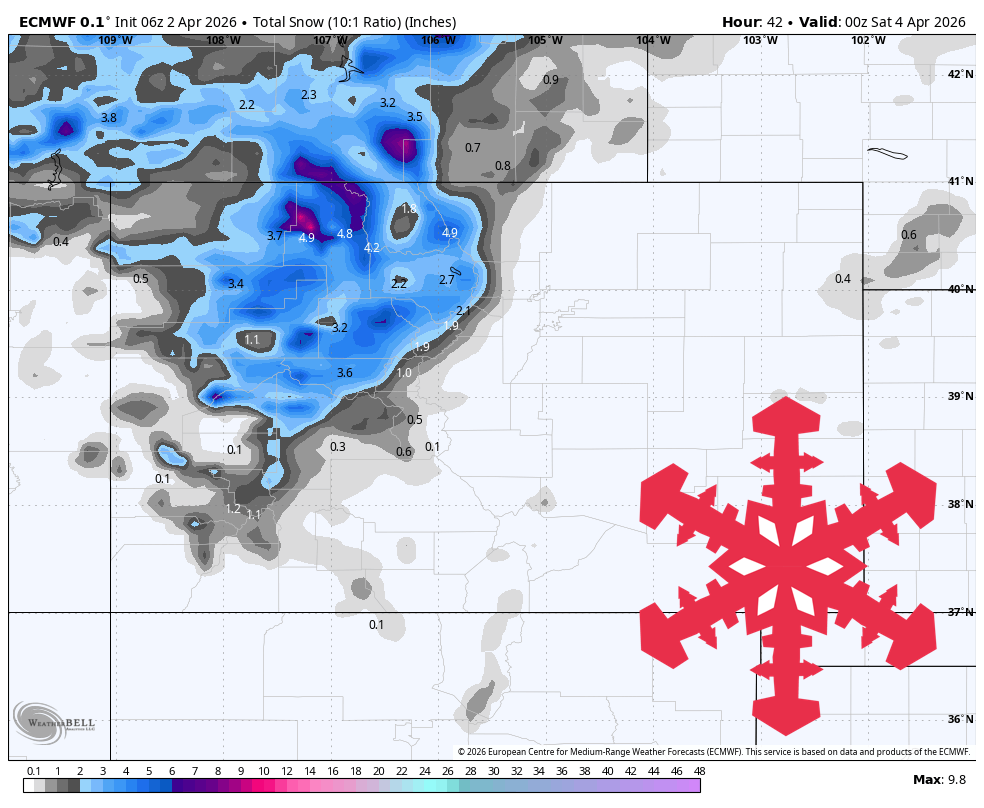
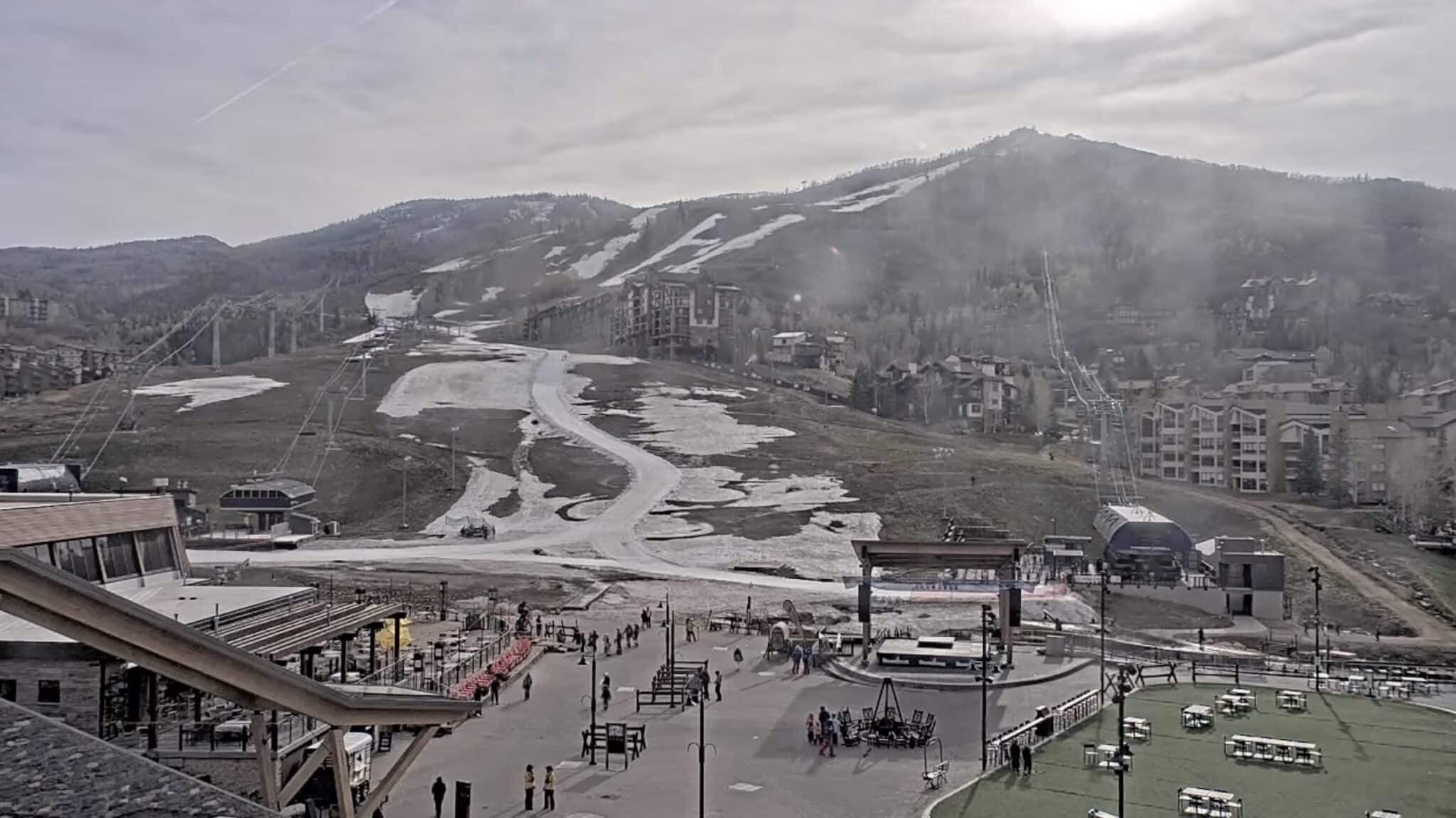
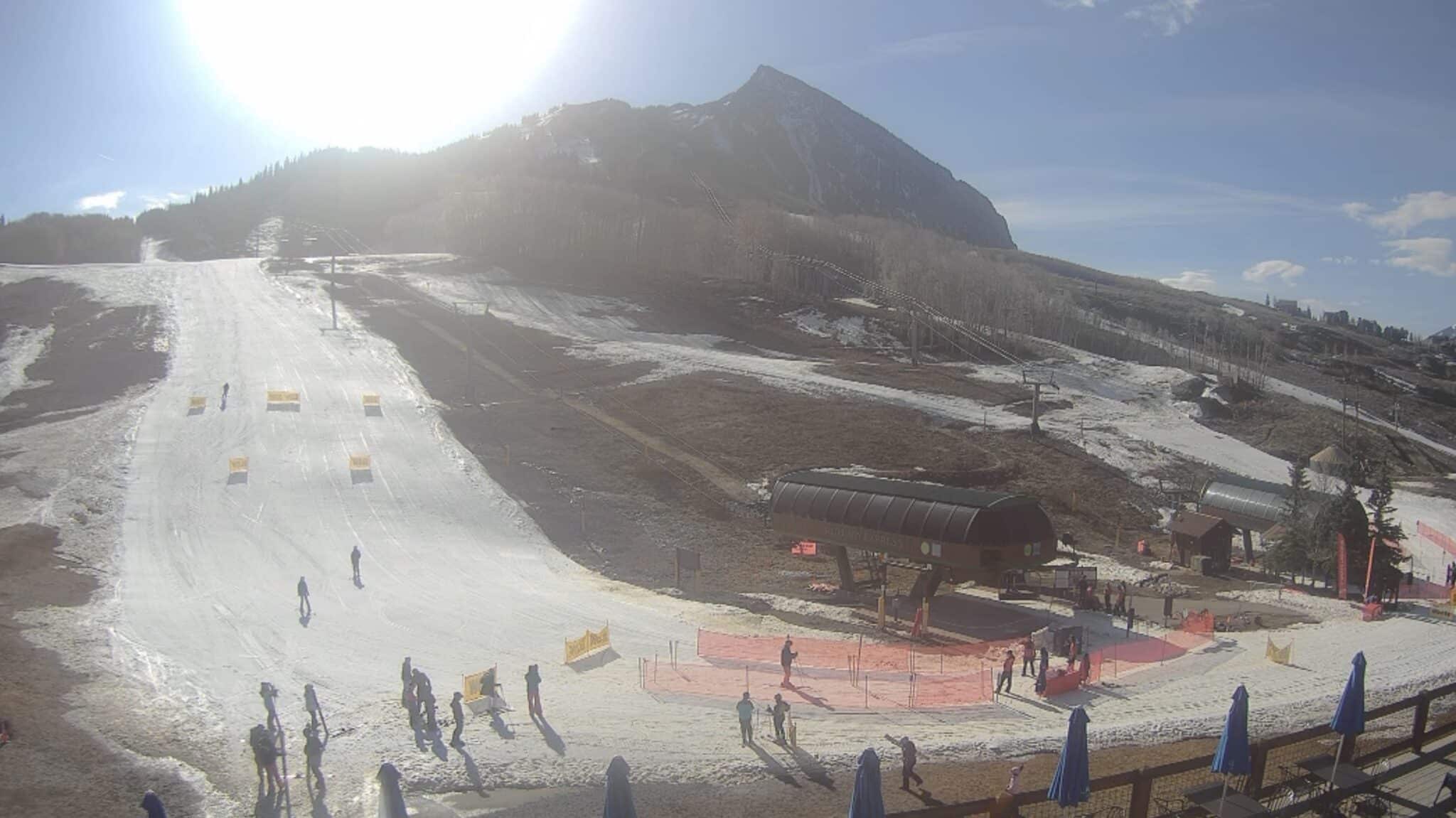
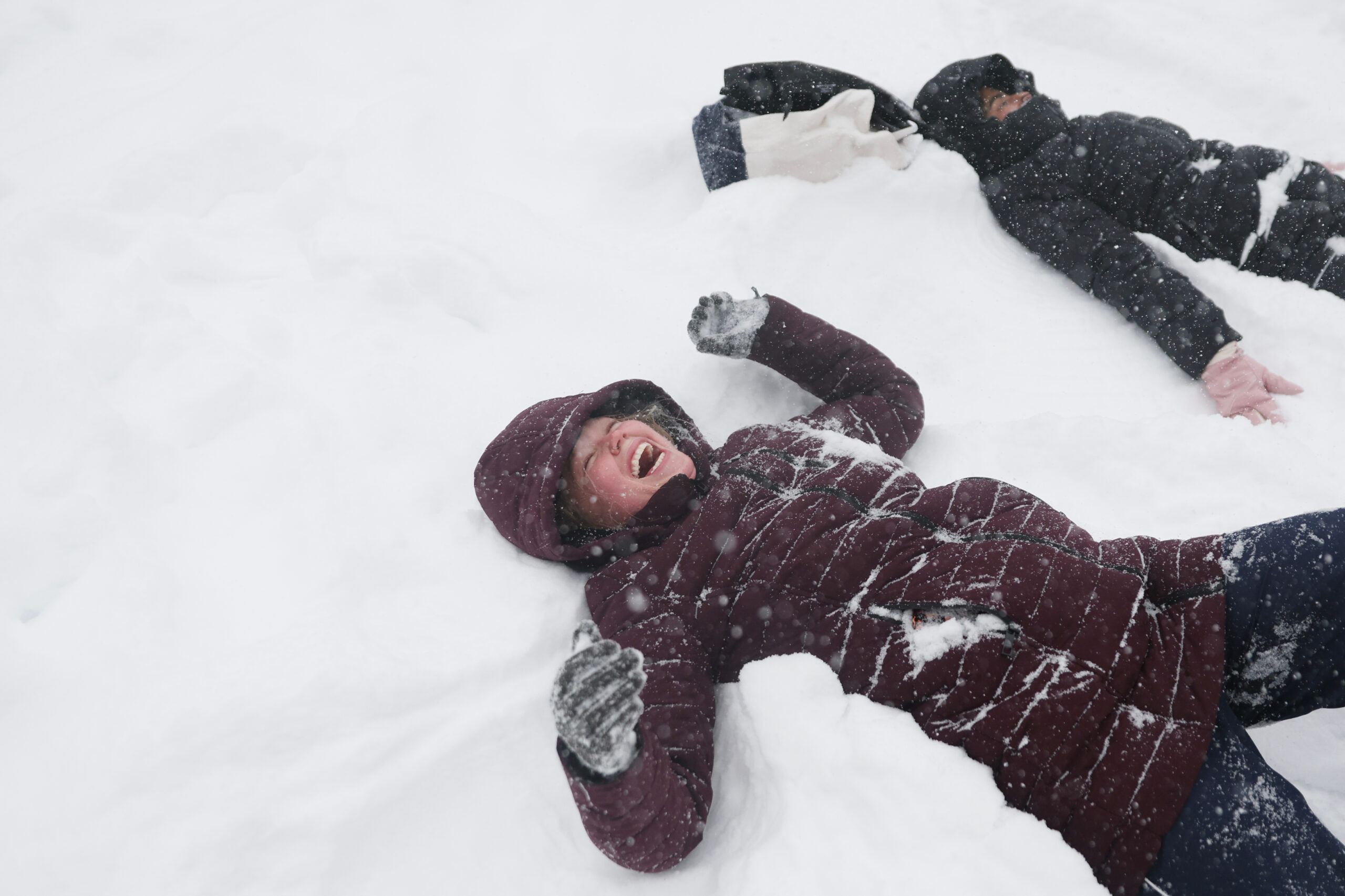
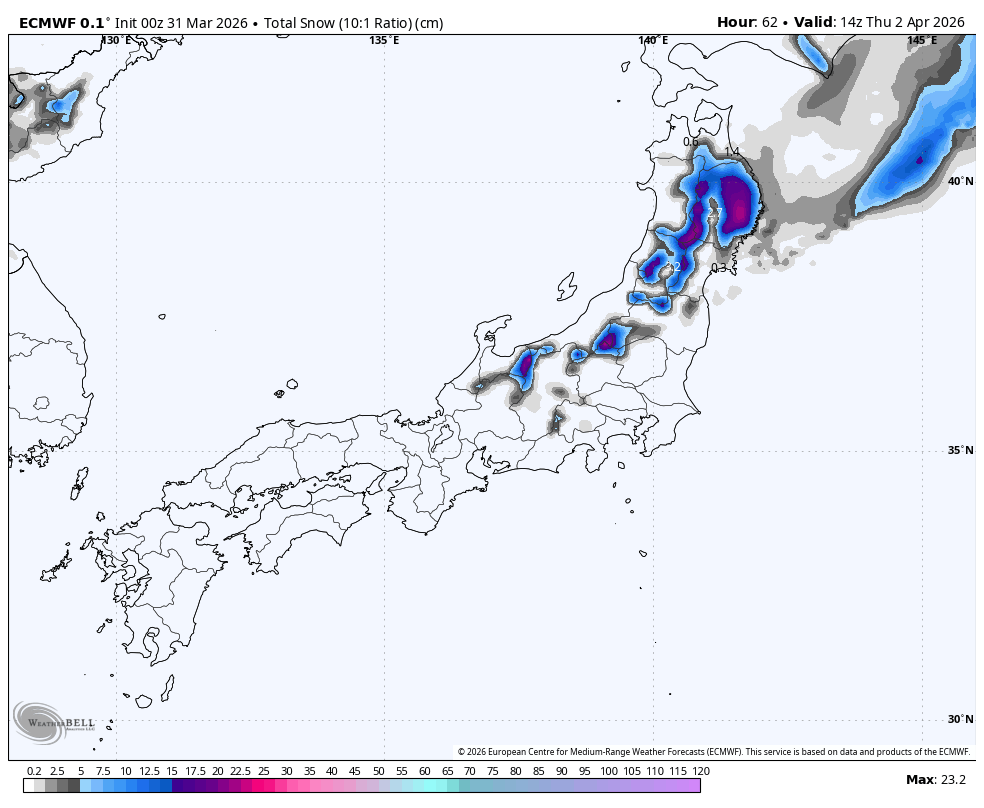
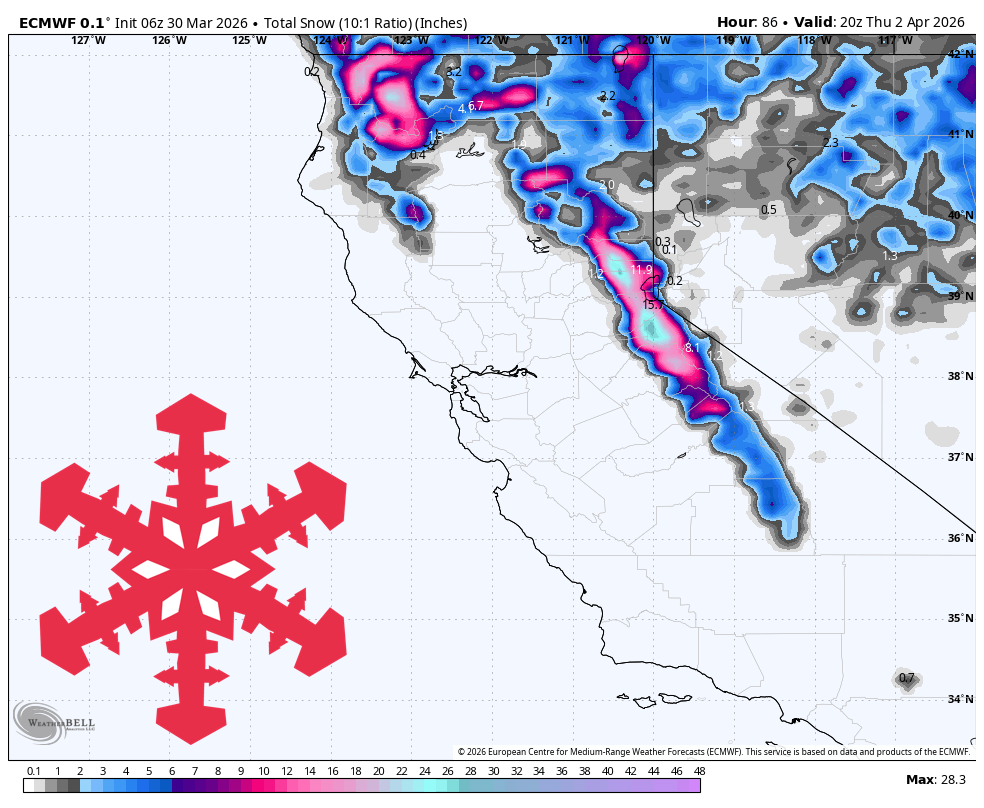
1 week agoSnowBrains Forecast: Warm Through Monday, Then Up to 2 Feet in the California Sierra - SnowBrains
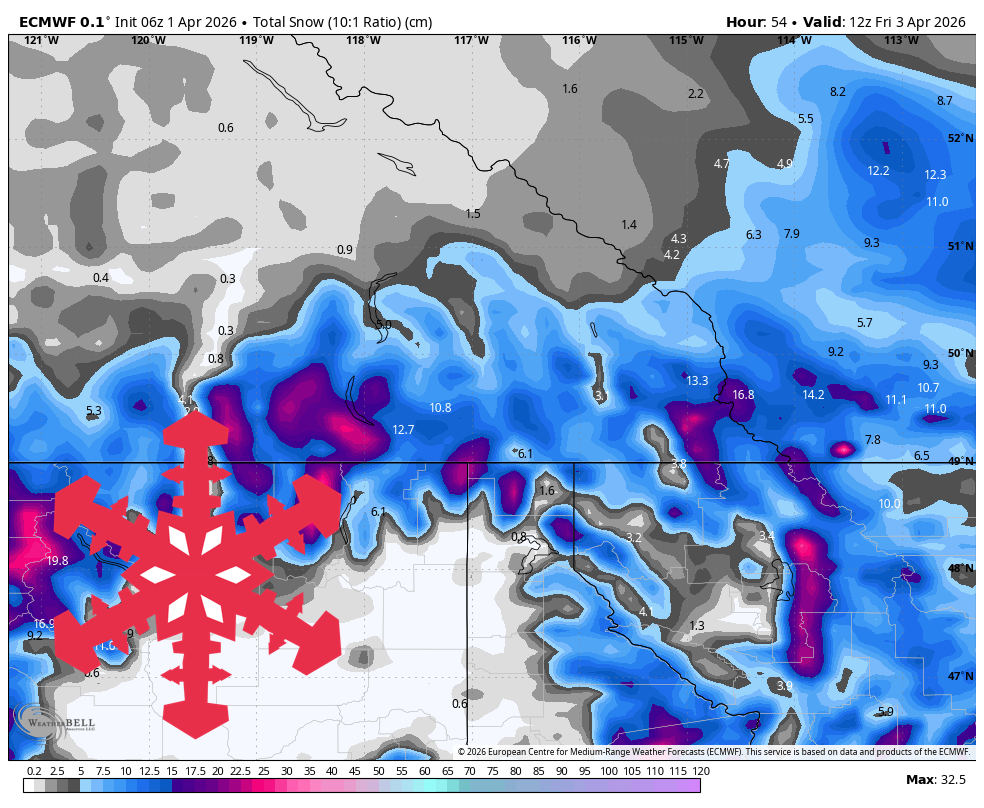
From Tuesday, March 31 through early Friday, April 3, most open Sierra resorts should pick up fresh snow, with snow levels falling from around 6,500 to 8,000 feet toward 3,500 to 5,000 feet.
Snowboarding
fromSnowBrains
2 weeks agoWhere Will it Be Deep This Week? These are the Top 5 Forecasted Resorts in North America for the Next 10 Days - SnowBrains
Fresh snow is what turns ordinary runs into powder days, and every skier knows the thrill of waking up to see a few extra inches (or feet) on the mountain report.
Snowboarding
Snowboarding
fromSnowBrains
2 weeks agoSnowBrains Forecast: Springlike, Mostly Dry Pattern for Colorado Through Sunday - SnowBrains
Colorado ski resorts face warm, dry spring conditions through Sunday with afternoon temperatures in the upper 40s to 60s, minimal snowfall, and periodic ridge winds of 25-40 mph.
Snowboarding
fromSnowBrains
2 weeks agoSnowBrains Forecast: Warm, Windy, Mostly Dry Northern Rockies Through Monday - SnowBrains
A strong spring ridge brings warm, dry conditions through Friday with fast snow softening and high snow levels, followed by a weaker cold front bringing cooler temperatures and minor snow refresh over the weekend.
Snowboarding
fromSnowBrains
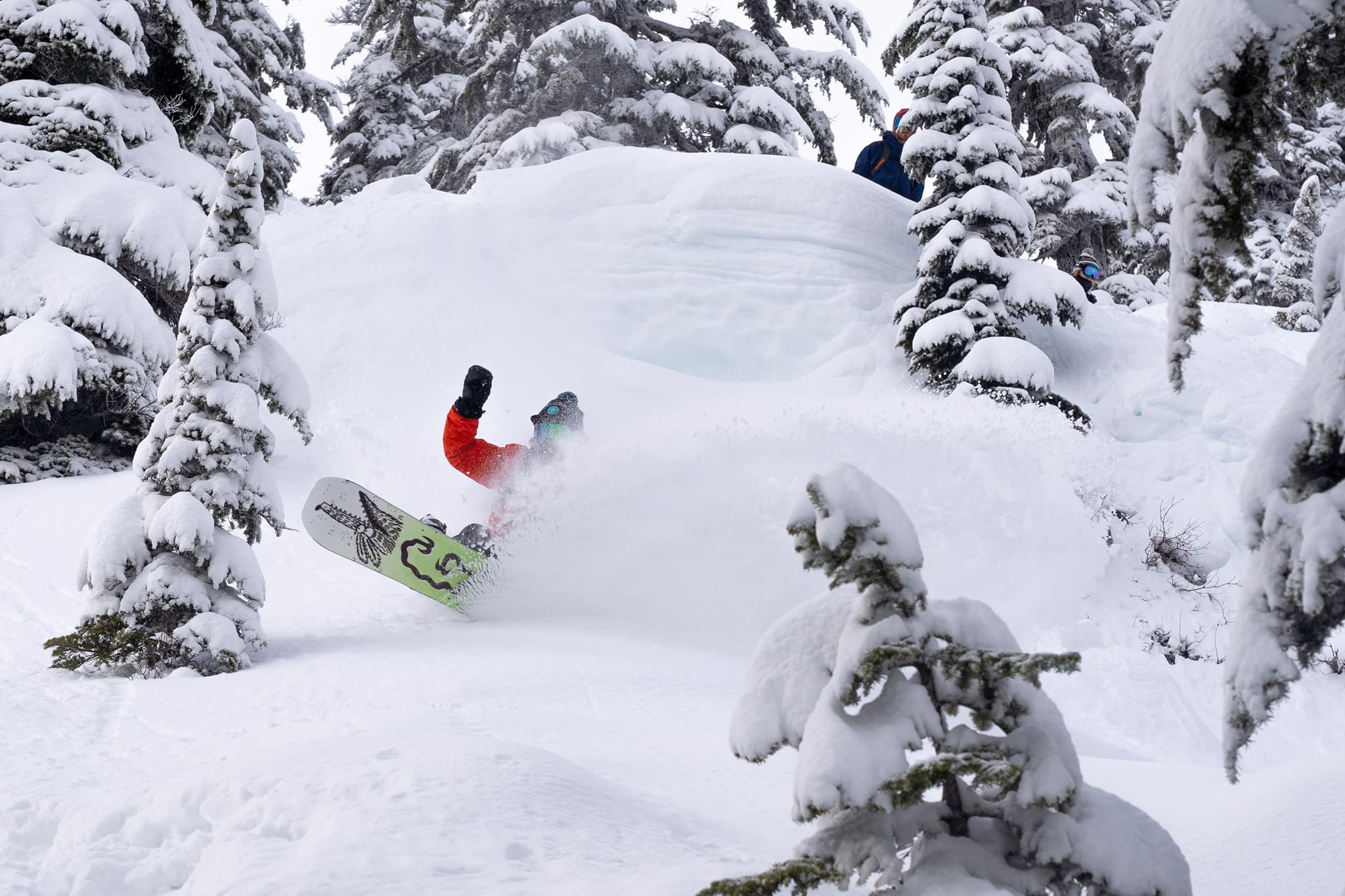
2 weeks agoSnowBrains Forecast: Warm, Rainy Start Before 10-20 Inches Return to the PNW - SnowBrains
Pacific Northwest ski resorts face warm, wet conditions through Friday, with significant snow improvement expected Tuesday through Thursday when colder air and a Pacific storm bring the region's best fresh snow chance.

Snowboarding
fromUnofficial Networks
1 month agoJay Peak Is Still Beating Alaska: Top 5 U.S. Snowfall Totals This Season
Jay Peak Resort in Vermont leads U.S. ski resorts with 353 inches of snowfall this season, followed by Mt. Baker in Washington with 352 inches, marking an unusual distribution of snow across typical and atypical resorts.
Snowboarding
fromSnowBrains
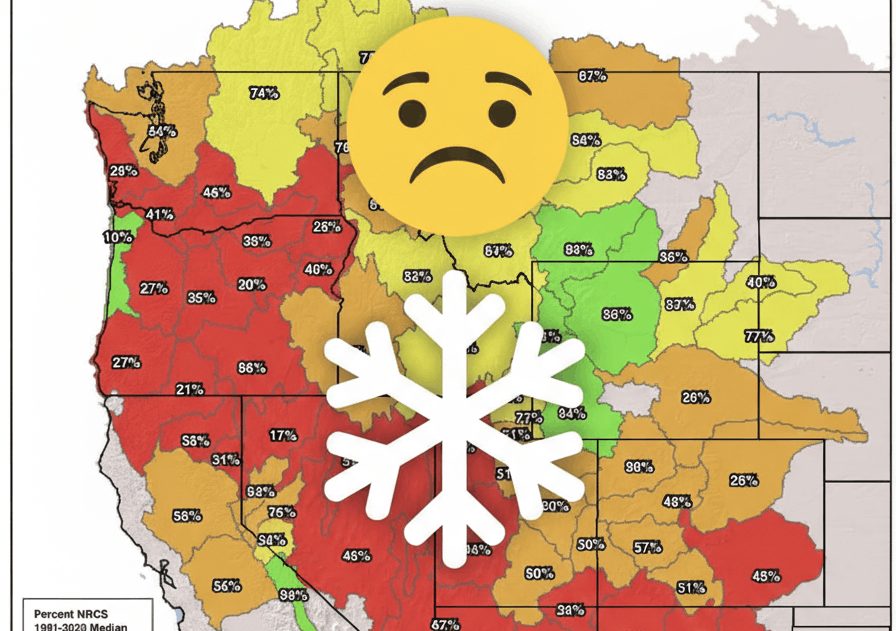
1 month agoMarch 2026 State of the Western U.S. Snowpack: Showing Slight Improvement But Still Below Average - SnowBrains
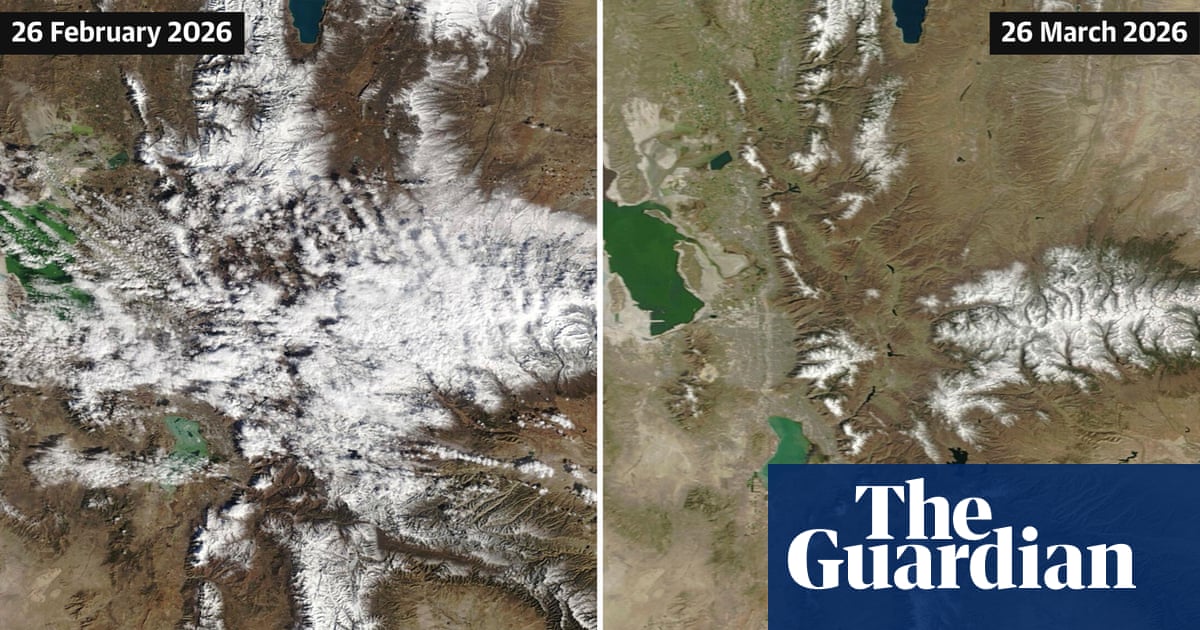
Western U.S. snowpack remains below average overall, with Oregon, Nevada, Arizona, and New Mexico severely depleted, while Eastern Sierra and Western Wyoming show stronger conditions.
Snowboarding
fromSnowBrains
1 month agoSnowBrains Forecast: Wet Early Snow Then Variable Conditions for Colorado - SnowBrains
Mountain snowfall peaks through Thursday with heavy wet snow and strong winds, followed by uncertain lighter accumulations and a return to warmer, quieter conditions by the weekend.
fromSnowBrains
1 month agoNOAA March 2026 Outlook: Could Miracle March Save the Season? - SnowBrains
Federal climate forecasters say the atmosphere is shifting into a more typical late-season La Niña setup, with the main storm track sliding north as milder air flows in from the Pacific. That favors warmer-than-normal conditions across most of the Rockies, Plains, Midwest, and East, with the strongest signal for warmth centered on the south-central Plains and lower Mississippi Valley. Colder-than-normal temperatures are most likely in Alaska and may clip parts of the northern High Plains and Pacific Northwest.
Snowboarding
[ Load more ]